The Art of the Perfect Homemade Strawberry Lemonade: A Comprehensive Guide to Summer’s Signature Refreshment

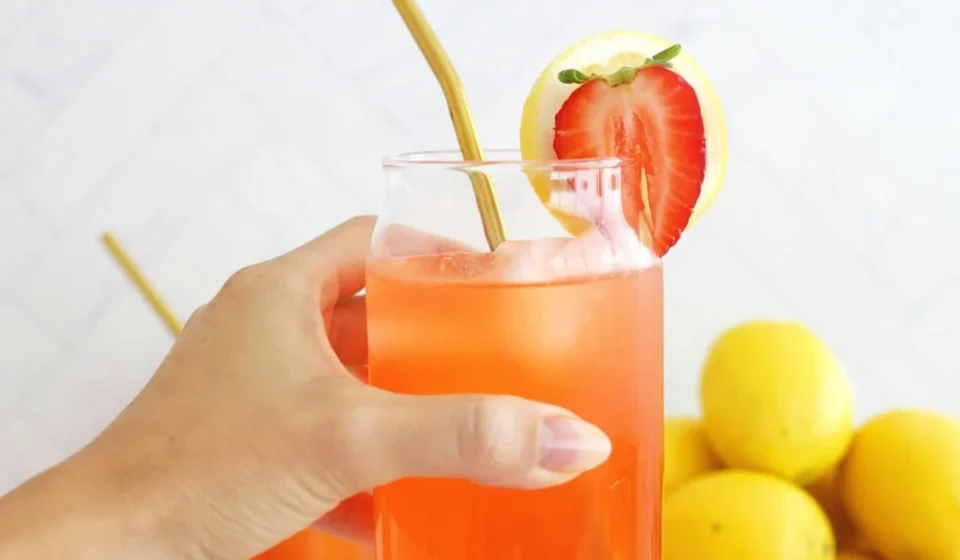
As the mercury rises and the days stretch into long, sun-drenched afternoons, the search for the ultimate cooling refreshment begins. While the market is saturated with artificial, neon-colored sodas and pre-packaged juices, there remains an enduring elegance to the classic homemade strawberry lemonade. It is a drink that balances the sharp, bracing acidity of fresh citrus with the delicate, honeyed sweetness of sun-ripened strawberries.
This article explores the chemistry of the perfect pour, the history of this quintessential summer beverage, and provides a professional-grade methodology for crafting the ultimate batch at home—whether you are hosting an intimate garden gathering or a large-scale summer celebration.
The Chemistry of the Perfect Pour: Understanding the Four Pillars
The brilliance of homemade strawberry lemonade lies in its deceptive simplicity. With only four foundational ingredients—fresh strawberries, high-quality lemons, sugar (or a refined simple syrup), and crisp water—the margin for error is minimal, but the potential for excellence is high.

1. The Citrus Base
The quality of your lemonade is entirely dependent on your lemons. For the best flavor profile, professional bartenders and pastry chefs recommend using organic, room-temperature lemons. Rolling the fruit against a hard surface before juicing helps to break down the interior membranes, yielding a significantly higher volume of juice.
2. The Berry Essence
Strawberries are not merely a flavoring; they provide the body and the iconic pink hue of the drink. When selecting berries, prioritize those that are deep red and firm. The hulling process is vital—ensuring all green stems are removed prevents a bitter, chlorophyll-heavy aftertaste from tainting the puree.
3. The Sweetener (Simple Syrup vs. Granulated Sugar)
While many home cooks opt for granulated sugar, the professional standard is simple syrup. Because simple syrup is a pre-dissolved solution of sugar and water, it incorporates seamlessly into cold liquids, preventing the unpleasant "gritty" texture often found at the bottom of a pitcher of traditionally mixed lemonade.

4. The Dilution Factor
Water is the canvas upon which the other flavors are painted. Using filtered or chilled spring water ensures that no metallic or chlorinated tap water flavors interfere with the purity of the fruit and citrus notes.
A Chronology of Refreshment: From Ancient Roots to Modern Glassware
The history of lemonade is a global narrative that spans centuries. The earliest recorded evidence of a "lemon-water" drink dates back to 13th-century Egypt, where a beverage known as qatarmizat—made from lemon juice and sugar—was consumed by the elite.
As trade routes expanded, the recipe migrated into Europe, eventually reaching the Americas. By the 19th century, lemonade stands became a staple of the American entrepreneurial spirit. The addition of strawberries—a fruit indigenous to North America and highly prized for its seasonal availability—was a natural evolution, transforming a functional thirst-quencher into a culinary celebration of summer.

Today, the "strawberry lemonade" has transcended its status as a simple drink to become a nostalgic symbol of leisure, picnics, and poolside relaxation.
Professional Methodology: A Step-by-Step Production Guide
To achieve a consistent, high-quality result every time, follow this optimized workflow.
Phase 1: Preparation of the Syrup
Begin by creating your simple syrup. Combine two cups of granulated sugar with two cups of water in a small saucepan over medium heat. Stir constantly until the solution is completely clear and the sugar crystals have dissolved entirely. Do not allow the mixture to boil for an extended period, as this will shift the flavor profile toward a darker, caramel-like note, which is undesirable for a bright, acidic lemonade. Once clear, remove from heat and allow to cool to room temperature before refrigerating.

Phase 2: Extraction and Puree
While your syrup cools, extract the juice from approximately 6 to 8 large lemons. Using a mechanical squeezer or a high-quality hand juicer will ensure you capture the maximum amount of zest and essential oils contained in the fruit.
Next, prepare the strawberries. After washing and hulling, transfer the berries to a high-speed food processor. Puree until the mixture reaches a smooth, velvety consistency. For a more sophisticated, "clear" lemonade, pass the puree through a fine-mesh sieve to remove the seeds and fibrous pulp.
Phase 3: The Assembly
In a large, non-reactive pitcher, combine the chilled simple syrup with four cups of ice-cold water. Stir in the fresh lemon juice and the strawberry puree. Whisk or stir vigorously to ensure the ingredients are perfectly emulsified. Taste the mixture at this stage; if it is too tart, add a splash more simple syrup. If it is too sweet, a squeeze of additional lemon juice will restore the balance.

Supporting Data: Why Freshness Matters
Culinary studies indicate that the vitamin C content and the volatile aromatic compounds in lemons degrade rapidly once the juice is exposed to air. When compared to bottled concentrates, fresh-pressed lemon juice contains a higher concentration of limonene, the compound responsible for the bright, "clean" aroma associated with citrus.
Similarly, the anthocyanins in strawberries—the compounds that provide their vibrant red color—begin to oxidize as soon as the fruit is broken down. Therefore, for the most visually stunning and flavorful results, it is recommended that the drink be prepared no more than 24 hours before consumption.
Expert Tips and Troubleshooting
Even with the best ingredients, the environment in which you serve the drink can impact the experience.

- The Sparkling Variation: For a more festive, adult-friendly version, replace half of the still water with chilled club soda or sparkling mineral water. Add this just before serving to ensure maximum carbonation.
- Temperature Management: Avoid using too much ice directly in the main pitcher, as this will dilute the drink over time. Instead, keep the pitcher chilled in the refrigerator and add ice only to individual glasses at the time of service.
- Storage Solutions: If you have prepared a large batch, it can be frozen. Pour the lemon-strawberry concentrate into ice cube trays. Once frozen, store them in a freezer-safe bag. When you are ready for a glass, simply drop a few cubes into a glass of cold water for instant, fresh-tasting lemonade.
Frequently Asked Questions
Is there a healthier alternative to white sugar?
While you can substitute honey or agave nectar, be aware that these will introduce their own distinct flavor profiles to the drink. Honey works particularly well with strawberries, as it enhances the floral notes of the fruit.
Can I use bottled lemon juice?
In a culinary emergency, bottled lemon juice is acceptable. However, note that most commercial options contain preservatives that can impart a slightly metallic or bitter aftertaste that masks the delicate nature of the fresh strawberry.
How long can the lemonade be stored?
When kept in an airtight, glass container in the refrigerator, homemade strawberry lemonade will maintain its peak quality for approximately 48 to 72 hours. After this point, the natural fruit puree may begin to separate, and the citrus oils will lose their potency.

Implications: A Drink for All Seasons
The rise of the "homemade" movement in mixology and home cooking reflects a broader societal desire to return to basics. By understanding the science and art behind a drink as simple as strawberry lemonade, we reconnect with the seasonality of our food and the joy of manual preparation.
Whether it is served at a backyard barbecue, a children’s birthday party, or enjoyed as a quiet afternoon treat, this beverage remains a masterpiece of culinary simplicity. By adhering to the principles of fresh extraction, proper dilution, and the use of high-quality components, you ensure that every glass served is not merely a drink, but an experience.
As we look toward the future of home entertaining, the focus on "from-scratch" beverages will likely continue to grow. There is no replacement for the satisfaction of serving a pitcher of vibrant, homemade strawberry lemonade, knowing exactly what went into it, and knowing that you have crafted it to the highest possible standard.