
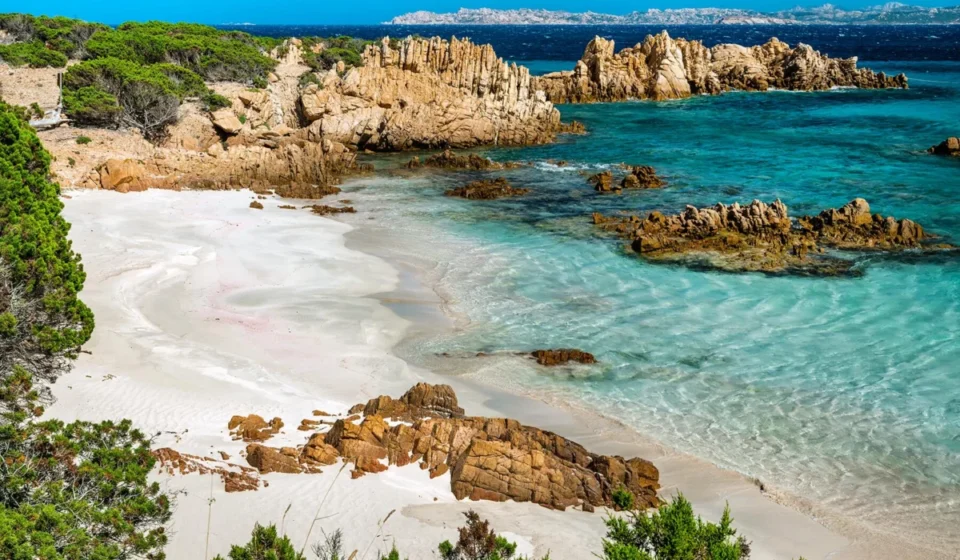

The iconic image of a spontaneous Italian seaside getaway—a simple towel, a cooler of refreshments, and the freedom to choose any patch of golden sand—is rapidly becoming a relic of the past. As Italy grapples with the dual pressures of record-breaking overtourism and the urgent need to preserve its fragile coastal ecosystems, the country’s beach culture is undergoing a seismic shift. For travelers planning a Mediterranean summer, the "laissez-faire" approach is no longer viable. Today, a successful beach day in Italy requires the precision of a military operation, complete with digital reservations, strict behavioral codes, and a significant travel budget.
The New Beach Landscape: A Shift Toward Controlled Access
The primary catalyst for these changes is the overwhelming surge in visitor numbers. In regions like Sardinia, which boasts some of the Mediterranean’s most pristine turquoise waters, authorities have reached a breaking point. To prevent environmental degradation and ensure public safety, local municipalities have implemented rigorous booking systems that limit the daily "carrying capacity" of popular beaches.
In practice, this means spontaneity is dead. Travelers who arrive at a destination like the famed Cala Goloritzé without a pre-booked slot will find themselves turned away at the gate. This beach, for instance, operates under a strict cap of 250 visitors at any given time between March and November. Similar restrictions are in place across the island: Su Sirboni permits 786 people daily, while the picturesque Cala Brandinchi has a firm limit of 1,447.
These slots are not merely suggestions; they are finite resources that sell out months in advance. As of early summer 2026, high-demand locations like La Pelosa—famous for its shallow, crystalline water—have reported that their daily quota of 1,500 visitors is fully booked through mid-September. For the unprepared tourist, this represents a significant disruption to travel itineraries, often forcing travelers to pivot their plans entirely or settle for less desirable, overcrowded public stretches.
Chronology of Constraints: How the Rules Evolved
The transition toward these restrictive measures did not happen overnight. It is the result of years of mounting tension between conservationists, local residents, and the global tourism industry.
- Pre-2020: The "Wild" Era. Beaches were largely accessible on a first-come, first-served basis, though private beach clubs (stabilimenti) already occupied significant portions of the coastline.
- 2021–2023: The Experimental Phase. Following the pandemic, the surge in "revenge travel" caused unprecedented overcrowding. Municipalities began experimenting with temporary entry fees and reservation apps to manage the flow of visitors.
- 2024–2025: The Digitization of the Coast. The adoption of the "Heart of Sardinia" booking platform and similar municipal portals became mandatory for major sites. QR codes replaced paper tickets, and fines for non-compliance became more frequent.
- 2026: The Year of Standardization. This summer marks the implementation of stricter, localized bans—such as the prohibition of parasols for specific age groups and the introduction of time-limited stay policies at ultra-popular spots like Cala dei Gabbiani, where visits are now capped at 90 minutes.
Supporting Data and Financial Implications
The financial cost of a beach day has risen in lockstep with these administrative hurdles. Approximately 33% of Italy’s coastline is currently under the stewardship of private concessions. These entities provide infrastructure, such as sunbeds, umbrellas, and dining facilities, but they do so at a premium.
In recent years, the cost of renting a pair of sunbeds and a parasol has skyrocketed. In prime locations, a family can expect to spend hundreds of euros per day. For a two-week vacation, the "beach fee" alone can total thousands of euros, effectively turning the seaside into a luxury commodity rather than a public right.
Beyond the rental fees, the entry booking fees—ranging from €2 to €7 per person—are becoming standard. While these fees are relatively modest, the real cost lies in the opportunity cost of time and the potential for hefty fines. For example, removing sand or shells from Sardinian beaches, once a common souvenir, is now a criminal offense punishable by fines of up to $3,500. Even the act of sitting on a towel without a protective straw mat—a measure designed to keep sand on the beach rather than in tourists’ bags—can trigger a penalty.
The Picnic Controversy: Official Responses and Policy Debates
The tension between private operators and the public has reached the desk of regional government officials. A heated debate has emerged in Puglia, where Governor Antonio Decaro has publicly challenged the restrictive policies of private beach clubs.
Decaro has advocated for the right of visitors to bring their own food and drink onto private concessions, famously declaring, "The sea is a common commodity; it cannot become a luxury." His stance is a direct pushback against the "pay-to-play" model where visitors are often prohibited from bringing outside food or water, effectively forcing them to purchase expensive items from onsite kiosks.
The operators, however, remain steadfast. Their argument is twofold: they cite the logistical nightmare of managing trash on beaches that are already at capacity, and they maintain that their business model relies on food and beverage revenue to offset the high costs of maintenance and safety staff. This impasse reflects a broader national conflict: is the Italian beach a private business asset or a heritage site that belongs to the public?
Safety and Environmental Stewardship: The "Umbrella Ban"
Perhaps the most controversial change this summer is the ban on beach umbrellas and parasols at several high-density locations in Sardinia. While it may seem like a petty regulation, the reasoning is rooted in tragic necessity.
In recent years, several fire emergencies in coastal areas forced the sudden evacuation of beaches. Authorities discovered that the dense forest of umbrellas and heavy shade structures made it impossible for rescue boats to land effectively and created a physical barrier for emergency personnel trying to reach the shoreline. Consequently, only families with young children (under 10) or elderly visitors (over 65) are now permitted to bring umbrellas. For everyone else, the mandate is simple: utilize the beach club’s pre-spaced, fire-safety-compliant infrastructure, or go without.
Implications for Future Travelers
For the modern traveler, the "Italian Beach Experience" has shifted from a passive leisure activity to an active, planned endeavor. To navigate this new landscape successfully, consider the following strategies:
- Book Months in Advance: Treat your beach day like a flight or a museum ticket. Check the official municipal websites or the Heart of Sardinia portal as soon as your travel dates are set.
- Budget for Amenities: Do not rely on finding free, comfortable space. Factor in the costs of private concessions as a non-negotiable line item in your vacation budget.
- Respect the "No-Sand" Rule: Be hyper-aware of the environmental regulations. Carry a straw mat, use designated rinsing stations, and leave the sand where it belongs.
- Stay Informed on Local Bans: Regulations change weekly based on weather and fire risks. Always check the local municipality’s "Ordinanza" (ordinance) page before heading to the coast.
As Italy continues to struggle with the pressures of overtourism, these measures are likely to remain—and potentially expand. While they undoubtedly diminish the spontaneity of the Mediterranean dream, they also serve as a necessary intervention to protect the natural beauty that travelers come to see in the first place. The beaches of Italy remain some of the most beautiful in the world, but in 2026 and beyond, they are a privilege that must be managed with respect and rigorous preparation.