Royal Farms Expands Footprint: A Deep Dive into the Retailer’s Aggressive Mid-Atlantic and Southern Growth

Main Facts: The Shamokin Dam Expansion
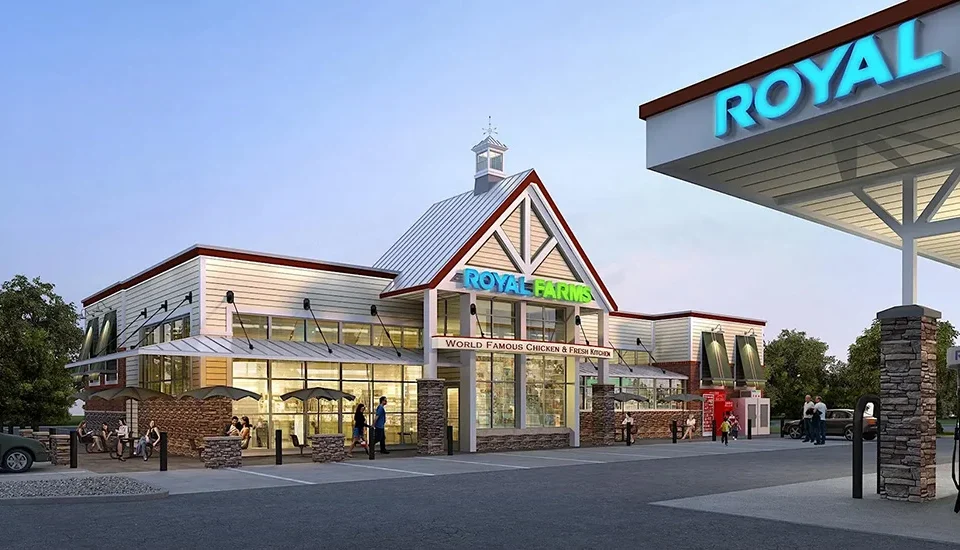
Royal Farms, the Maryland-based convenience store and fuel retailer, has officially announced the upcoming debut of its newest Pennsylvania location in Shamokin Dam. The site, which is scheduled to open its doors to the public on August 3, represents the latest move in a deliberate and high-speed expansion strategy that has seen the brand cross state lines and enter new regional markets throughout 2024.
Operating 24 hours a day, seven days a week, the new Shamokin Dam store is designed to function as a multifunctional hub. Beyond standard convenience retail and fuel services, the facility will focus heavily on Royal Farms’ hallmark offering: freshly prepared food. The retailer has positioned this location as a community anchor, emphasizing its commitment to providing high-quality, on-the-go meal solutions for local residents and commuters alike.
To generate momentum ahead of the official ribbon-cutting, the company is hosting a unique “Get Ready to ROFO” event. This ticketed soft opening, scheduled for July 29 and 30, serves as a community preview. Attendees will be invited to explore the facility and sample the menu firsthand, including a complimentary meal, providing the local community with an early look at the service standards the brand hopes to maintain.
Chronology of Rapid Expansion
The Shamokin Dam site is not an isolated development; rather, it is a single piece of a much larger, well-oiled corporate machine. The current growth trajectory for Royal Farms has been characterized by a flurry of openings that span several months and multiple states.
- Mid-May 2024: Royal Farms achieved a significant milestone by entering the South Carolina market for the first time. The Myrtle Beach location marked a geographical pivot for the company, moving beyond its traditional Mid-Atlantic stronghold. The site includes a 12-pump fuel island and a car wash, signaling the company’s intent to offer a comprehensive “all-in-one” experience to Southern customers.
- Early June 2024: The company returned its focus to its Pennsylvania expansion efforts with the opening of a new location in Conshohocken. This site was designed to bolster the retailer’s presence in Montgomery County, a densely populated area that aligns with the brand’s strategy of targeting high-traffic suburban corridors.
- Mid-June 2024: Just weeks after the Conshohocken launch, the company doubled down on its roots, opening a new store in Harwood, Maryland. This opening highlighted the company’s dual-pronged strategy: aggressive entry into new states while simultaneously reinforcing brand loyalty in its home state.
- August 3, 2024: The Shamokin Dam location officially joins the portfolio, marking another successful execution of the company’s 2024 retail roadmap.
Supporting Data: Understanding the Royal Farms Model
Founded in 1959 in Baltimore, Maryland, Royal Farms has evolved from a local dairy store into a regional powerhouse. Today, the chain operates more than 300 locations across eight states: Maryland, Delaware, Pennsylvania, New Jersey, Virginia, West Virginia, North Carolina, and South Carolina.
The core of the Royal Farms value proposition—and the engine driving its current growth—is its food program. Specifically, the company’s “World-Famous Chicken” has become a cultural touchstone in the regions it serves. Unlike traditional convenience stores that rely heavily on pre-packaged, frozen, or reheated inventory, Royal Farms invests heavily in kitchen infrastructure and staffing. This focus on "fresh food" is a primary differentiator in the ultra-competitive convenience store landscape, where retailers are increasingly vying for the “foodservice dollar” rather than just fuel and tobacco sales.
Furthermore, the brand’s loyalty program, ROFO Rewards, serves as a critical data collection and retention tool. By incentivizing repeat visits through fuel discounts and food rewards, the company has managed to maintain a consistent customer base even as it enters new, unfamiliar territories.
Official Responses and Corporate Philosophy
The expansion into Shamokin Dam is being treated as a significant organizational achievement. Ricki Ettinger, district leader at Royal Farms, framed the opening not merely as a business transaction, but as a commitment to the region.
“We’re excited to bring Royal Farms to Shamokin Dam and introduce more Pennsylvanians to the fresh food, convenience, and service that make our brand unique,” Ettinger said. “We look forward to becoming part of the community and serving our guests around the clock.”
This sentiment echoes the official statement provided by the company regarding their broader mission: "The store will provide 24/7 access to high-quality, fresh food, fuel, and convenience items, continuing Royal Farms’ mission of delighting the communities it calls home."
The leadership teams in other states have echoed similar themes of community integration. During the South Carolina launch, Joe Kieper, a district leader, described the Myrtle Beach store as a “reliable, 24/7 neighbor.” In Maryland, Steve Rymer emphasized the emotional connection to the company’s heritage, noting that there is a “unique pride” in expanding within the state where the brand was founded, serving the same “homegrown hospitality” that has built the company’s reputation over the last 65 years.
Implications: The Future of the Convenience Retail Industry
The rapid, multi-state rollout by Royal Farms provides a snapshot of the current state of the retail industry. The following implications can be drawn from their recent activities:
1. The Shift to "Convenience Restaurants"
Royal Farms’ strategy underscores a broader industry shift where convenience stores are morphing into fast-casual restaurant competitors. By prioritizing their kitchen offerings, these retailers are capturing the "on-the-go" diner who would otherwise frequent quick-service restaurants (QSRs). The success of this model suggests that consumers are increasingly valuing the time-saving combination of fueling their vehicles and eating a high-quality meal in a single stop.
2. Strategic Geographic Diversification
The decision to enter South Carolina while continuing to expand in Pennsylvania and Maryland suggests a balanced growth strategy. By diversifying its geographic footprint, Royal Farms mitigates the risk associated with regional economic downturns or localized competitive saturation. Moving into the South allows the company to tap into high-growth population centers, while ongoing Pennsylvania expansion allows them to leverage existing supply chain and brand awareness infrastructure.
3. Community-Centric Marketing
The use of “soft opening” events, such as the “Get Ready to ROFO” sessions, is a sophisticated approach to market entry. It serves three purposes: it builds immediate local buzz, it allows the staff to train under real-world conditions without the pressure of a grand-opening rush, and it fosters goodwill. By positioning the store as a community member rather than an outside corporate entity, Royal Farms creates a warmer reception in new markets.
4. Operational Scalability
Operating over 300 locations requires a massive logistical undertaking, especially when those locations require fresh food preparation. The fact that the company has been able to open multiple sites in different states within a span of just three months indicates a highly scalable operational model. This suggests that the company has successfully standardized its training, procurement, and supply chain processes to a degree that allows for rapid, reliable replication across diverse markets.
Conclusion: A Brand in Motion
As Royal Farms prepares for the August opening in Shamokin Dam, the retailer continues to cement its reputation as a formidable player in the Mid-Atlantic and beyond. Through a combination of historical brand equity, a strong focus on fresh foodservice, and a calculated, aggressive growth strategy, the company is successfully navigating a complex retail landscape. Whether they are serving long-time Maryland residents or new customers in South Carolina, the company’s trajectory suggests that the “ROFO” brand will continue to be a dominant force in the evolution of the 24/7 retail convenience model for years to come.