Beyond the Fairway: Topgolf Pivots to Media Powerhouse with Launch of Media Networks Division

Topgolf, the global sports-entertainment giant that revolutionized the driving range experience, is undergoing a profound transformation. No longer content with merely being a destination for recreational golf and social gatherings, the company has officially launched Topgolf Media Networks, a sophisticated media, sponsorship, and licensing division designed to position the brand as a premier platform for national advertisers.
By leveraging its expansive network of physical venues, a vast digital ecosystem, and an annual reach of over 42 million guests, Topgolf is shifting its business model to capture the lucrative intersection of sports, technology, and consumer engagement. This move signals a strategic evolution from a brick-and-mortar hospitality brand to a multi-channel media powerhouse capable of competing with traditional sports properties for advertising dollars.
The Core Strategy: Integrating Physical and Digital Ecosystems
At the heart of the new division is the recognition that Topgolf venues are more than just golf facilities; they are high-traffic, multi-sensory social hubs. The company is moving away from the "sponsorship package" model of the past, opting instead for a holistic approach that stitches together various assets into a unified, measurable advertising campaign.
The Omnichannel Advantage
Topgolf Media Networks provides advertisers with a unique, end-to-end ecosystem. The platform offers a diverse array of touchpoints that span the entire customer journey:
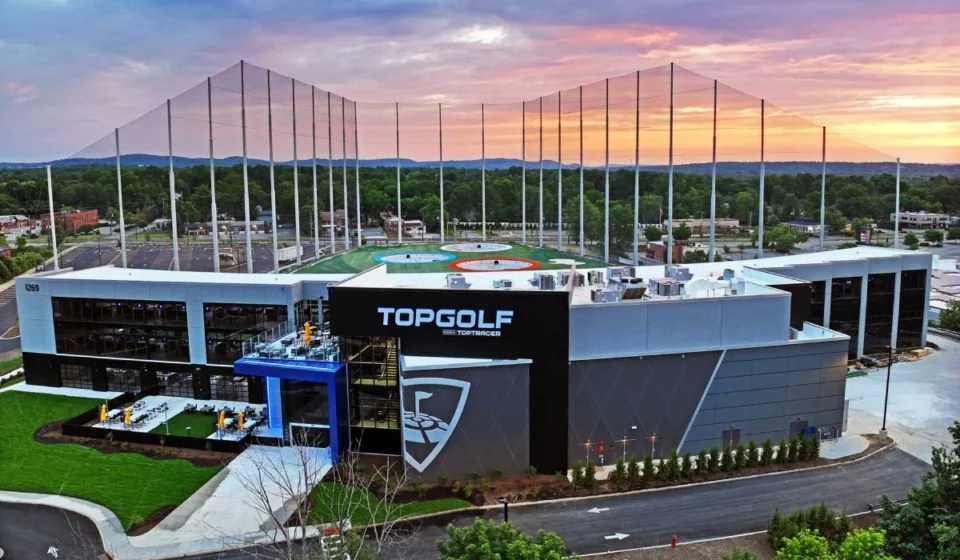
- Physical Venues: Access to more than 100 U.S. locations, strategically positioned in 24 of the nation’s 25 largest media markets.
- Digital Screens: A network of over 28,000 digital screens located within bays and common areas, offering high-visibility ad space.
- Owned Digital Channels: Engagement opportunities through Topgolf’s proprietary apps and web platforms.
- Content & Licensing: Original branded content creation and exclusive licensing opportunities.
- First-Party Data: Leveraging granular consumer insights to ensure that campaigns are targeted, authentic, and trackable.
This approach allows brands to reach consumers "before, during, and after" their visit, creating a sustained brand narrative rather than a fleeting advertisement.
Chronology: A Path to Strategic Independence
The launch of Topgolf Media Networks does not occur in a vacuum. It is the latest, and perhaps most significant, step in a multi-year effort to define the brand’s post-corporate identity.
2024–2025: The Transition Period
Following a period of consolidation, Topgolf reached a pivotal milestone with the sale of a 60 percent stake to private equity firm Leonard Green & Partners. This $1.1 billion transaction, which finalized in early 2026, effectively severed the company’s ties with Topgolf Callaway Brands, allowing the entertainment entity to pursue its own strategic path.
2026: Restructuring for Growth
Following the ownership change, the company undertook a massive leadership overhaul. The objective was to recruit leaders with experience in high-volume, multi-unit entertainment and technology.
- Leadership Appointments: David McKillips, formerly of Chuck E. Cheese, was installed as CEO, bringing a wealth of experience in brand-building and customer experience.
- Operational Strengthening: The company brought on Jay Spears (formerly of CEC Entertainment) as Chief Information Officer to oversee the digital infrastructure necessary for the media network, and Jason Weatherford as Vice President of In-Venue Services.
- Internal Promotions: Erin Chamberlin was elevated to President and Chief Operating Officer, providing the institutional continuity needed to navigate the transition to new ownership.
Supporting Data: Why Topgolf Wins the Engagement Battle
In the crowded advertising landscape, Topgolf argues that it possesses a "moat" that traditional television and digital ads lack: dwell time.
The "Dwell Time" Premium
In most advertising environments, consumers are either passive observers or quick-scrollers. At Topgolf, the average guest spends nearly two hours on-site. During this window, they are eating, drinking, socializing, and engaging with proprietary gaming technology. This environment creates a captive, high-intent audience.
Market Footprint
The sheer scale of Topgolf’s reach rivals that of established professional sports leagues. With a footprint in 96% of the top 25 media markets in the U.S., the company offers national advertisers a level of localized density that is difficult to replicate. The combination of 42 million annual visits and the high-frequency nature of repeat guests creates a data-rich environment for brands to iterate their messaging based on real-world feedback.
Official Responses: Rebranding the Customer Relationship
For CEO David McKillips, the launch of the media division is about capturing the "authentic" moments that define the Topgolf experience.
"Topgolf has become much more than a place to play golf," McKillips said in the official launch statement. "More than 42 million guests and golfers come to our venues to compete, celebrate, socialize, and connect. Topgolf Media Networks allows brands to become part of those experiences through creative partnerships that are measurable, authentic, and built around real consumer engagement."
The leadership team emphasizes that this is not about "cluttering" the experience with ads, but about integrating brands into the fabric of the guest’s visit. By moving toward customized partnerships, the company aims to ensure that sponsors provide value to the guest, whether through exclusive content, integrated games, or enhanced in-bay technology.
Implications: A New Era for Experiential Marketing
The implications of this move are significant for both the marketing industry and the future of the Topgolf business model.
1. The Death of the "Static" Sponsorship
By moving toward a platform that combines data, digital, and physical assets, Topgolf is forcing other entertainment venues to rethink their own sponsorship models. The era of the simple banner sign is coming to an end. Advertisers now demand ROI, and Topgolf’s ability to track the efficacy of a campaign—from the digital screen in the bay to the actual purchase behavior—sets a new benchmark for "experiential media."
2. Financial Diversification
For Topgolf, this pivot is a hedge against the volatility of the hospitality industry. While revenue from food, beverage, and bay rentals is essential, media and sponsorship revenue is high-margin and scalable. By transforming its venues into a media network, the company is creating a recurring revenue stream that is less dependent on seasonal foot traffic.
3. A Template for the Future of Entertainment
The success of Topgolf Media Networks will likely influence how other large-scale entertainment venues—from bowling chains to luxury cinema operators—approach their advertising departments. Topgolf is essentially proving that a physical venue can function as a "walled garden" for advertisers, similar to a social media platform, but with the added benefit of real-world human connection.
4. Continued Growth and Challenges
While the prospects are bright, the company faces the challenge of scaling its technology to support a nationwide network of advertisers. The leadership team’s focus on CIO Jay Spears suggests that the company understands that the "Media Network" is only as good as the software that powers it. As the company continues to refine its tech stack, the integration of real-time data into the sponsor dashboard will be the next major hurdle—and opportunity.
Conclusion: The Horizon Ahead
Topgolf has successfully shed its image as a mere driving range, rebranding itself as an essential node in the American entertainment and advertising ecosystem. With a revitalized leadership team, the financial backing of Leonard Green & Partners, and a clear vision for its media-first future, the company is poised to become a dominant force in experiential advertising.
For the 42 million guests who walk through the doors each year, the experience may feel like a game of golf. But for the world’s largest brands, Topgolf has just become the most effective place to play their own game—reaching consumers in the places where they live, work, and, most importantly, play. As the company integrates its digital and physical assets, the distinction between "venue" and "media platform" will continue to blur, marking a new chapter in the company’s evolution.