Are You Wasting Your Kitchen Appliances? 10 Common Mistakes That Are Costing You Time and Money

We rely on our kitchen appliances to act as the tireless workhorses of our homes. From the morning coffee brew to the late-night dishwasher cycle, these machines perform essential functions that make modern life convenient. However, there is a distinct difference between "using" an appliance and "mastering" it. Many homeowners unknowingly fall into inefficient habits—or worse, damaging routines—that shorten the lifespan of their equipment and degrade the quality of their culinary efforts.
Whether you are a seasoned home chef or a novice navigating your first kitchen, optimizing your appliance usage is key to a smoother household. By correcting these ten common mistakes, you can improve your meal quality, extend the longevity of your hardware, and potentially save on energy costs.
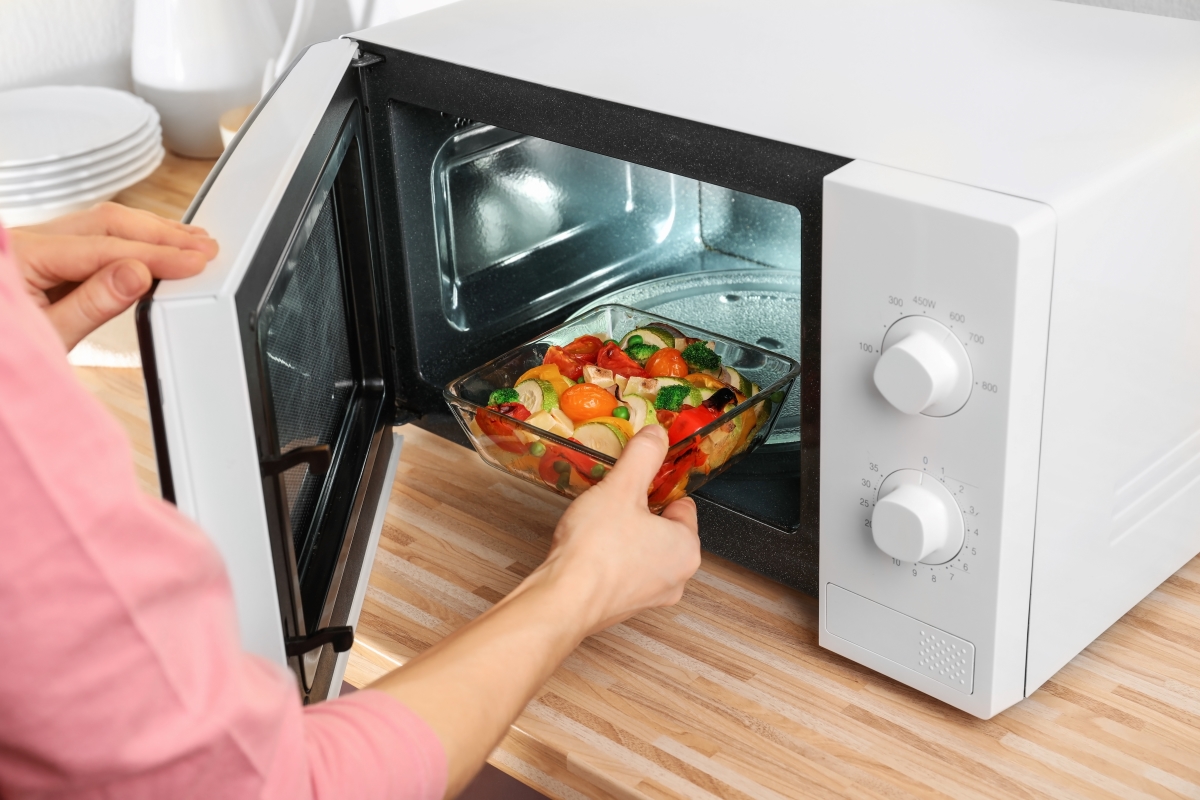
1. Underutilizing the Microwave’s Advanced Features
For most, the microwave is a simple tool for reheating leftovers or popping corn. However, modern microwave technology has evolved significantly beyond basic heating. Today’s high-end units feature convection capabilities and advanced inverter technology.
The Reality of Modern Microwaves:
Convection microwaves utilize a built-in heating element and a fan to circulate hot air, allowing for even browning and crisping that traditional microwaves cannot achieve. Furthermore, inverter technology allows for precise, continuous power delivery rather than the "on-off" pulsing of older models, which often resulted in rubbery textures. Many modern units are also equipped with humidity sensors that detect moisture levels in your food, automatically adjusting the power level and cook time. Failing to learn these settings means you are essentially using a Ferrari to drive to the end of the driveway.
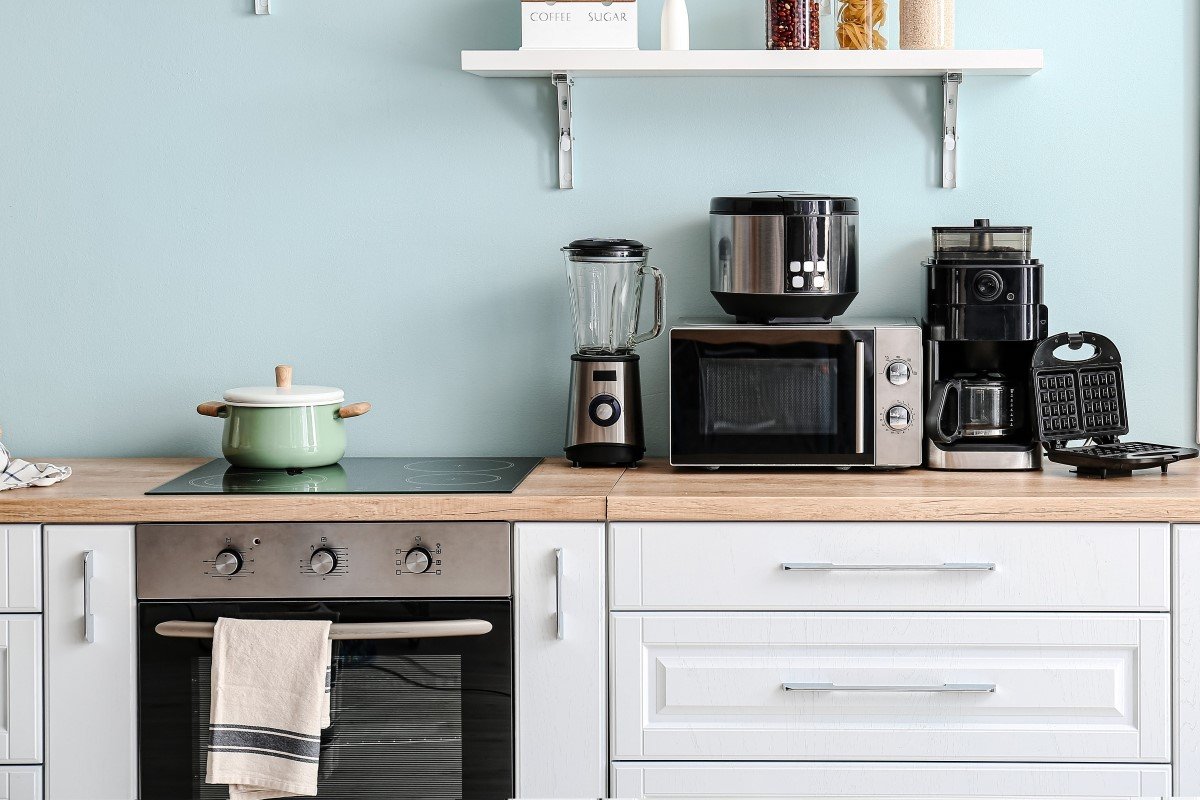
2. The Warming Drawer: A Kitchen Appliance, Not a Storage Bin
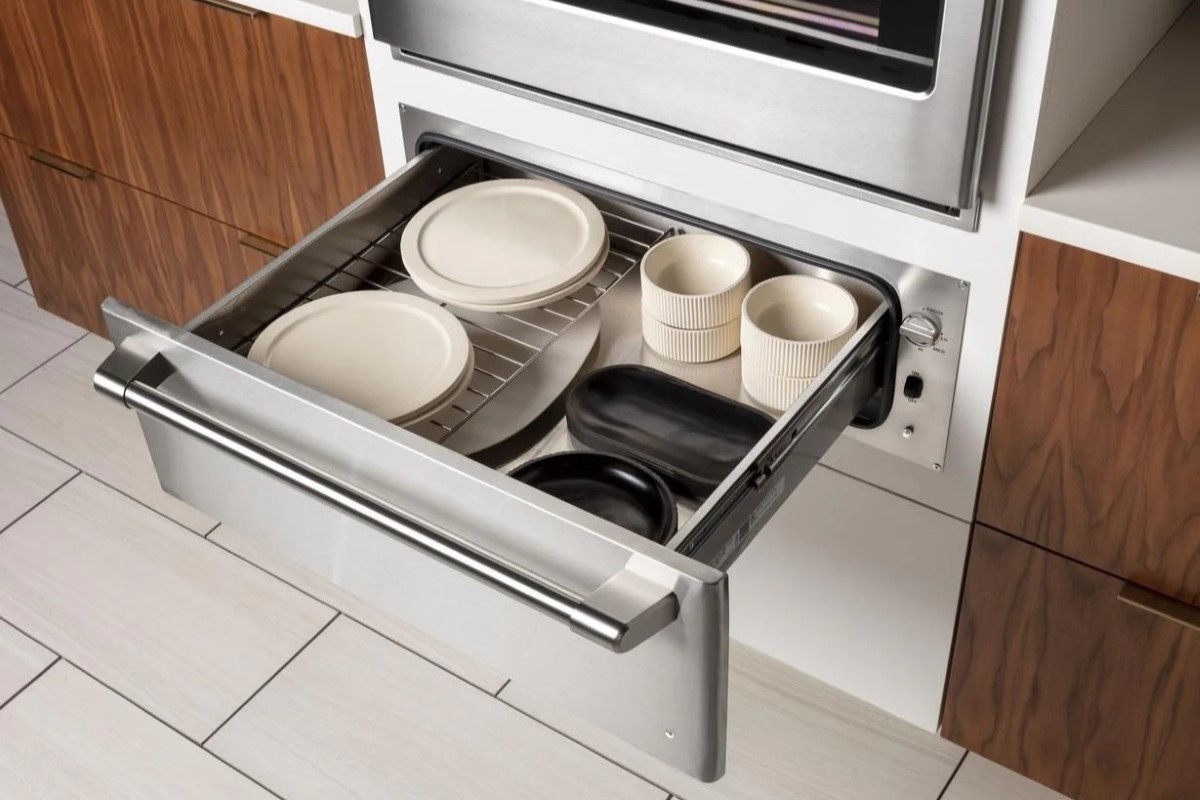
In many modern kitchens, the warming drawer—a specialized appliance often installed beneath the wall oven—is relegated to the role of a glorified junk drawer. Homeowners frequently use this space to store sheet pans, muffin tins, or bulky plastic containers.
Why This Is a Mistake:
The warming drawer is a precision-engineered tool designed to hold food at a consistent, food-safe temperature (typically between 80 and 240 degrees Fahrenheit) without further cooking or dehydrating the contents. When you use it for storage, you risk damaging the heating elements or obstructing the airflow necessary for it to function correctly. If you host dinner parties or prepare multi-course meals, utilizing the warming drawer for its intended purpose—keeping dinner plates warm or holding sides until the roast is rested—can elevate your hosting capabilities and reduce the stress of timing.
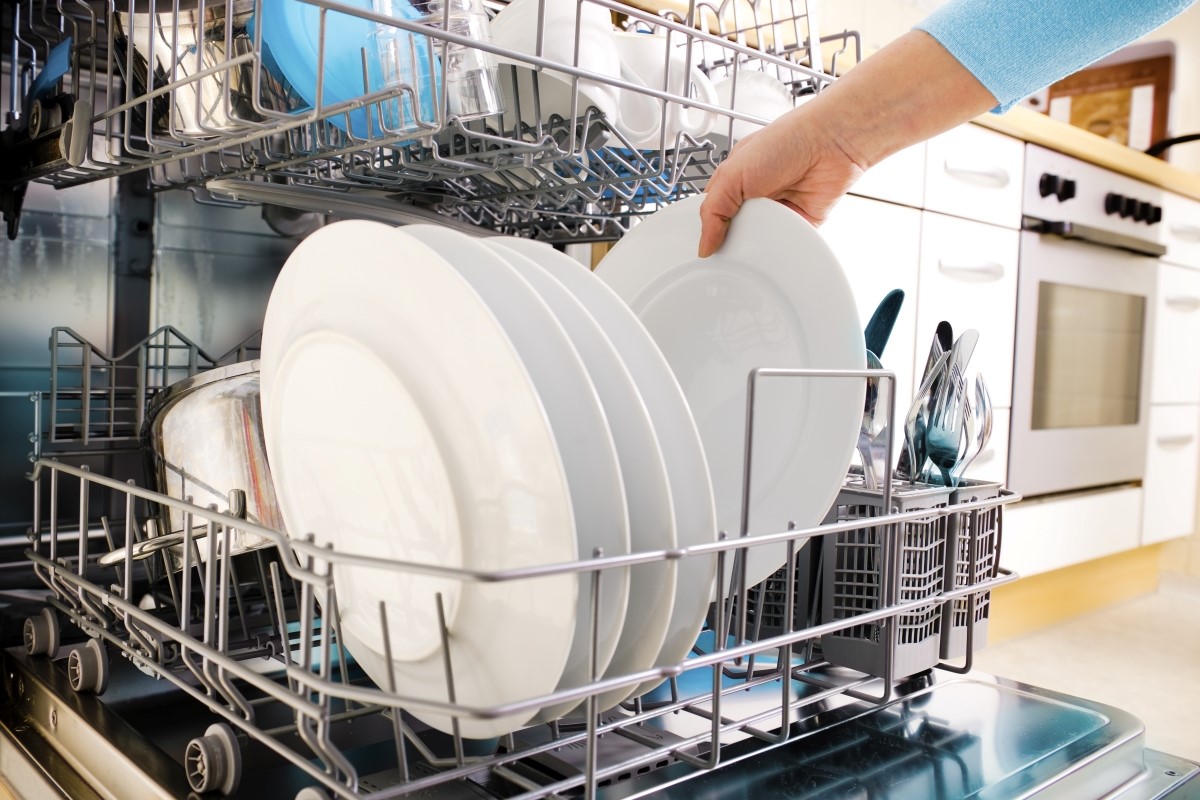
3. The Perils of Overloading the Dishwasher
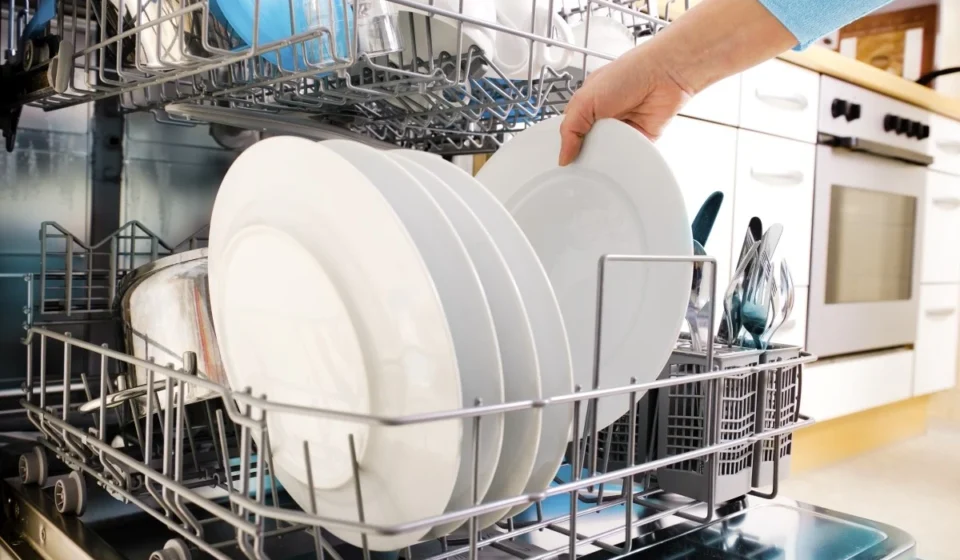
It is tempting to cram every last dirty utensil into the dishwasher to save time, but overloading is one of the most common causes of appliance failure and poor performance.
The Mechanics of Cleaning:
Dishwashers function by spraying pressurized, heated water and detergent through mechanical arms. When you stack dishes too closely or block the spray arms, you prevent the water from circulating effectively. This leads to residual grease, undissolved soap, and "baked-on" food particles. More importantly, overloading causes items to shift during the cycle, leading to chipped ceramics, scratched glassware, and even damage to the dishwasher’s internal components. Always follow the manufacturer’s loading guide to ensure proper water flow and detergent distribution.
4. The Myth of Hot Water in the Garbage Disposal
There is a pervasive piece of kitchen folklore that suggests running hot water through the garbage disposal helps flush grease and food particles down the drain. In reality, this is counterproductive.
The Science of Plumbing:
When you introduce hot water and grease into your pipes, you are essentially liquefying the fats. Once these fats travel a few feet into the cooler environment of your home’s plumbing system, they solidify, creating a "fatberg" that can cause severe, long-term clogs. Cold water, by contrast, keeps the fat in a solid state, allowing the disposal’s blades to break the particles into smaller pieces that can be washed away before they have a chance to congeal on the pipe walls. Always use cold water when running your disposal to protect your home’s drainage system.
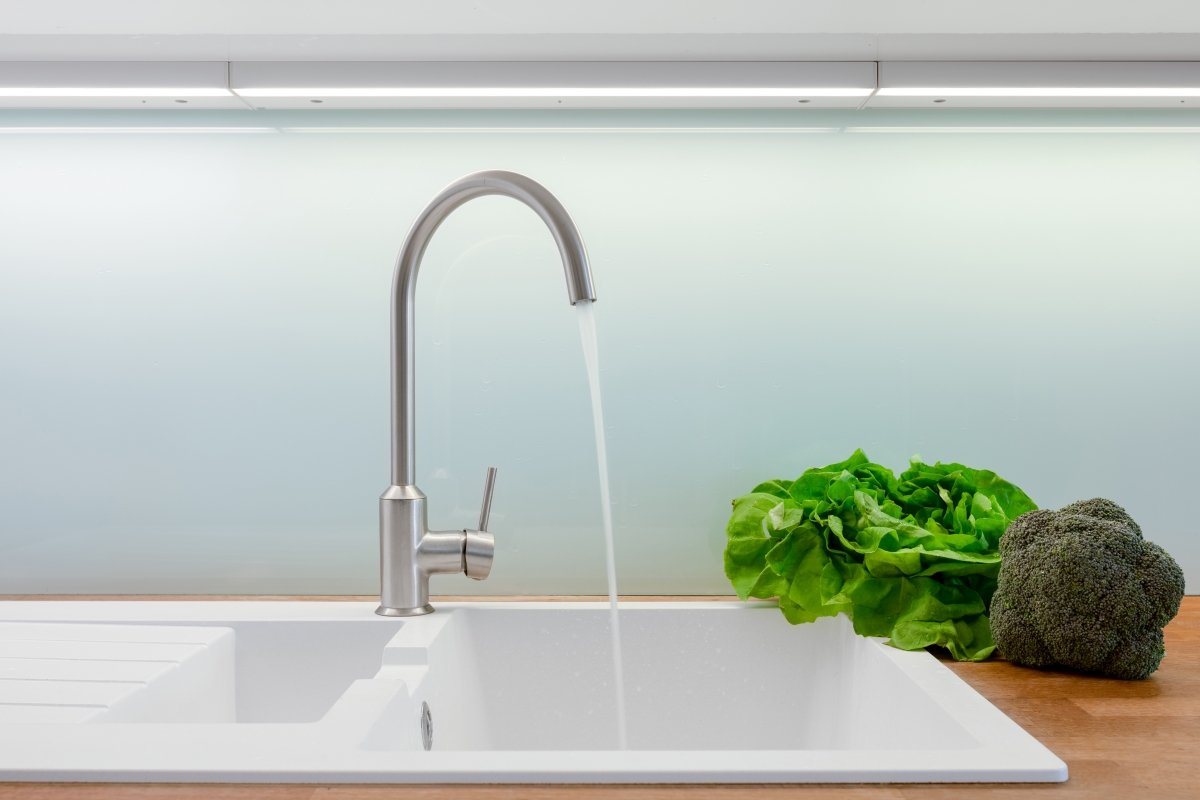
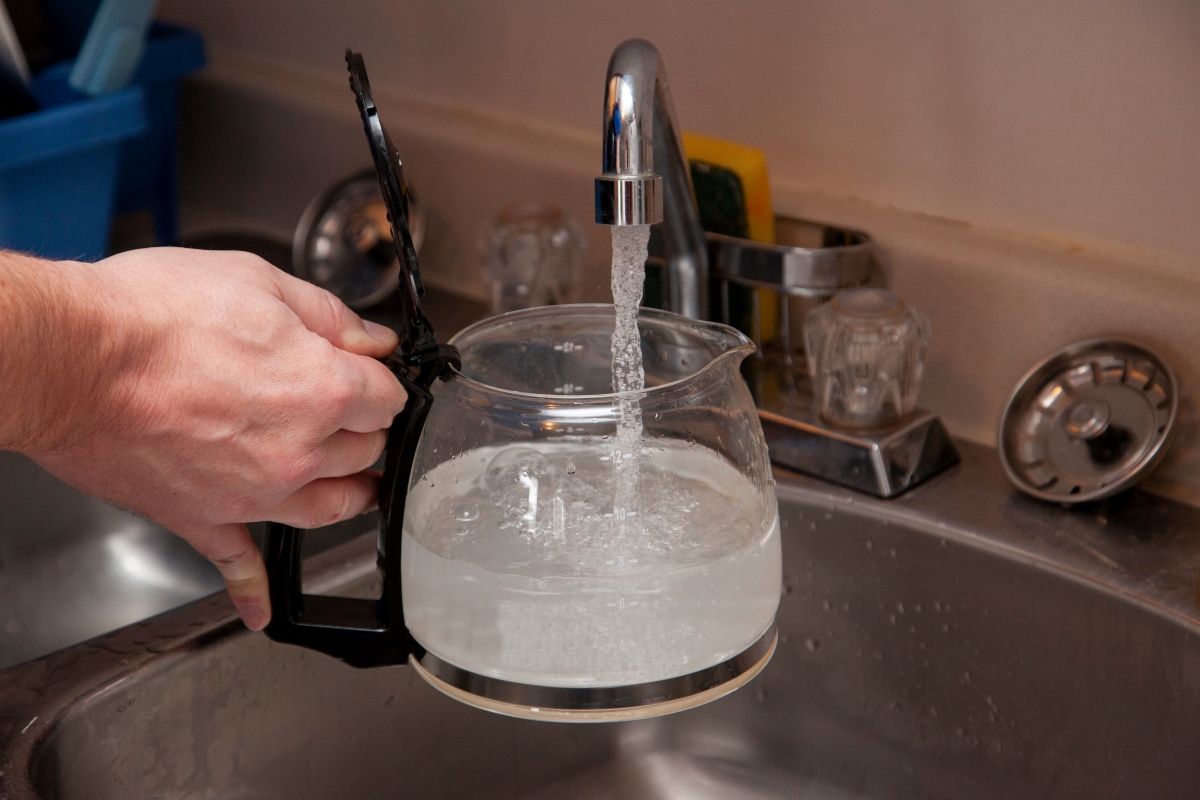
5. Unfiltered Tap Water: The Silent Coffee Killer
Many coffee enthusiasts invest hundreds of dollars in high-end brewing machines only to ruin the flavor profile and the machine’s longevity by using unfiltered tap water.
The Impact of Mineral Buildup:
Tap water, particularly in "hard water" areas, is filled with calcium and magnesium. When these minerals are heated repeatedly, they create limescale deposits inside the coffee maker’s internal heating element. This buildup acts as an insulator, meaning the machine must work harder and longer to reach the correct temperature. This not only results in uneven extraction—leading to bitter or sour coffee—but eventually causes the heating element to fail entirely. Using a high-quality water filter or bottled spring water is a simple step that significantly improves the taste of your morning cup and prevents costly repairs.
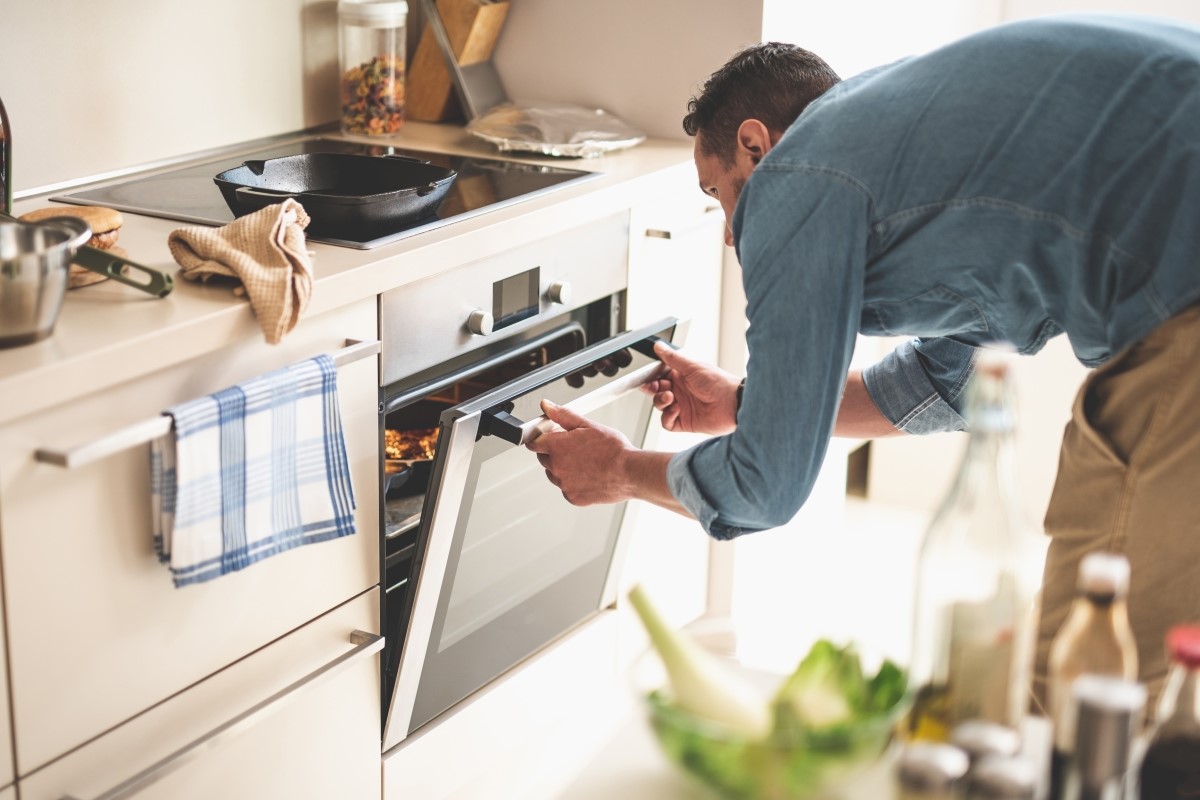
6. The Broiler Door Dilemma
The operation of an oven’s broiler often leads to confusion. Many homeowners believe the oven door should remain closed to keep the heat inside. While this is true for standard baking, it is the opposite of correct practice for electric oven broiling.
Venting for Success:
In many electric ovens, the broiler is designed to be used with the door left slightly ajar. This creates a specific airflow that helps the broiler element cycle correctly. If the door is kept closed, the oven may detect a high ambient temperature and cycle off prematurely, preventing the food from achieving the desired sear or crust. Always consult your specific oven’s manual; if it instructs you to keep the door cracked, failing to do so will result in steamed, rather than broiled, food. Note: This rule generally does not apply to gas ovens, where the door should remain closed for safety.
7. The Physics of Strategic Blending
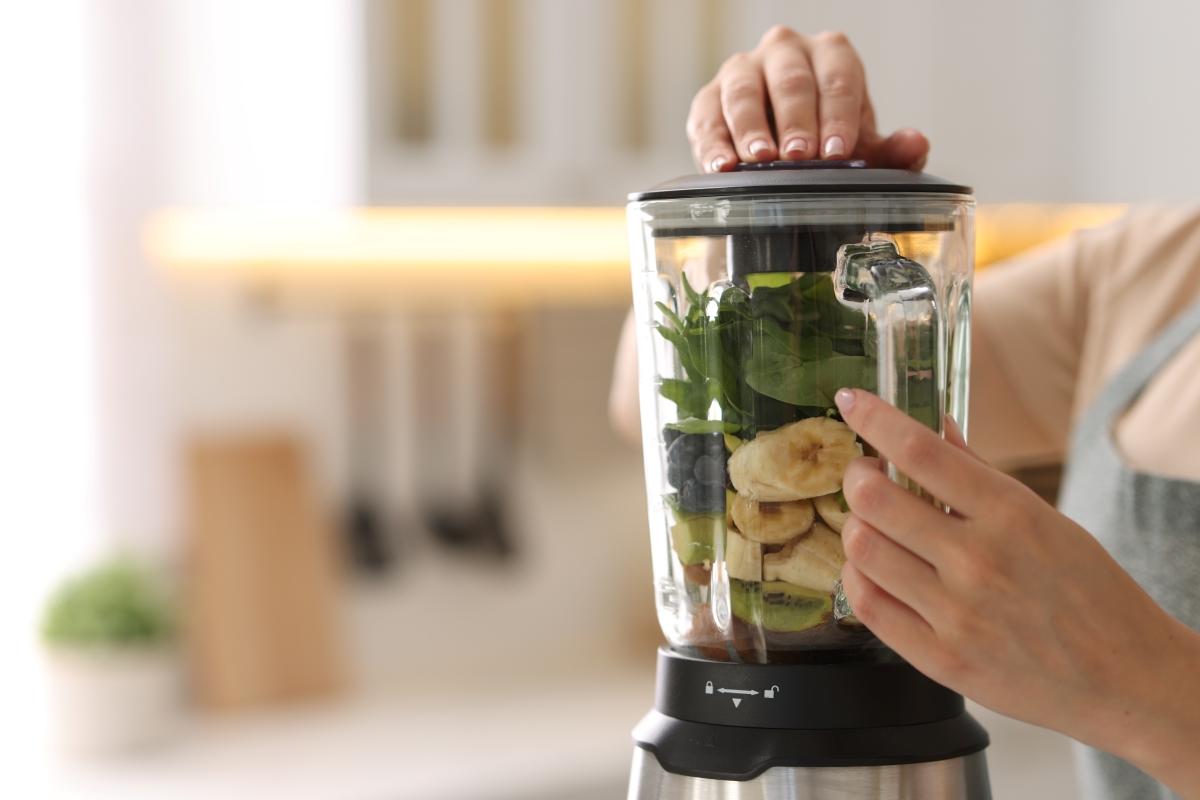
Have you ever turned on your blender only to have it get stuck on a wall of ice or frozen fruit? The mistake is rarely the motor; it is the loading order.
The Layering Method:
To achieve a silky-smooth consistency without taxing the motor, you must load the blender with physics in mind. Always pour your liquids in first. This creates a "vortex" that pulls the solid ingredients down toward the blades. Add your softest ingredients next, followed by your frozen items or ice on top. By keeping the heaviest, hardest items at the top, you allow the blades to gain momentum before hitting the toughest resistance. This simple technique prevents cavitation (air pockets) and extends the life of your blender’s motor and blades.
8. Ignoring the Range Hood
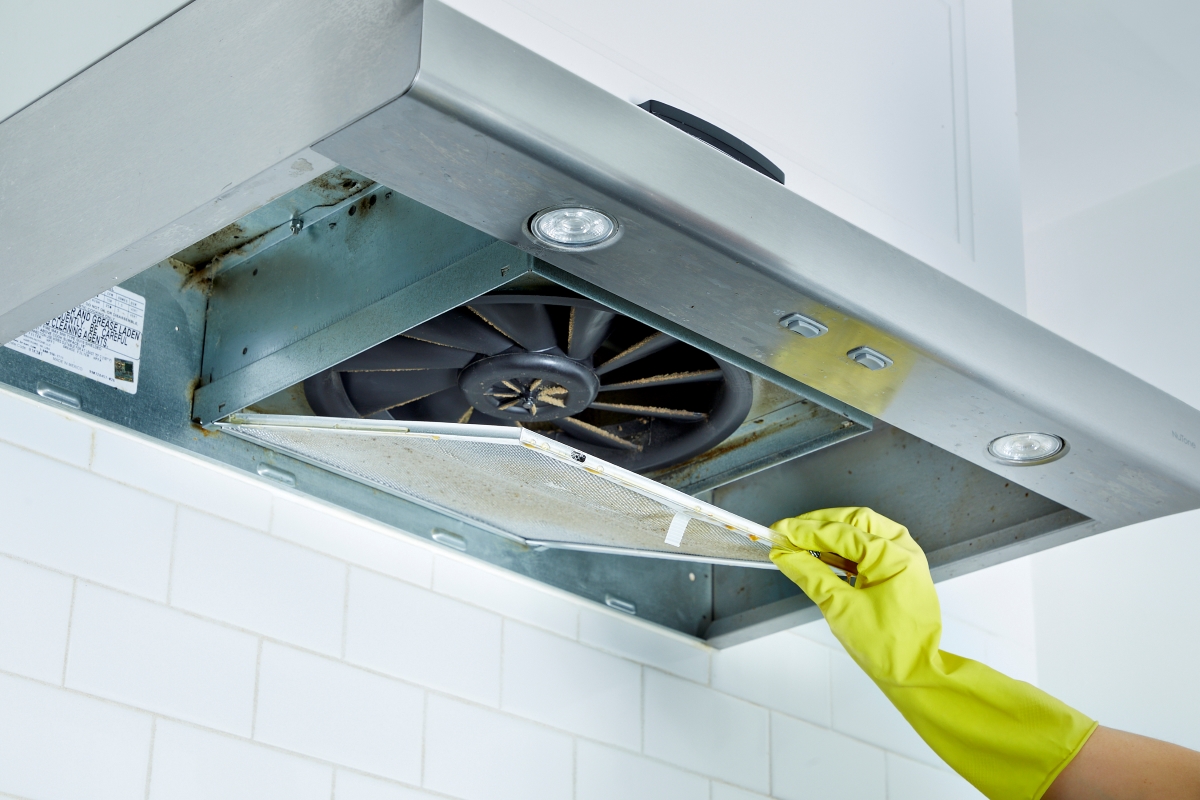
The range hood is arguably the most neglected appliance in the kitchen. Many homeowners view it as a simple light fixture, ignoring its vital role in indoor air quality and fire safety.
The Importance of Maintenance:
Range hoods are designed to pull smoke, grease, and carbon monoxide out of your kitchen. Over time, the metal mesh filters become saturated with grease. A clogged filter is not only ineffective at removing odors, but it also becomes a fire hazard. Regularly soaking these filters in hot, soapy water—or running them through the dishwasher—is a simple maintenance task that keeps your kitchen safer and cleaner. If you aren’t using the fan while you cook, you are allowing grease to settle on your cabinets, walls, and ceiling.
9. Neglecting Refrigerator Coils
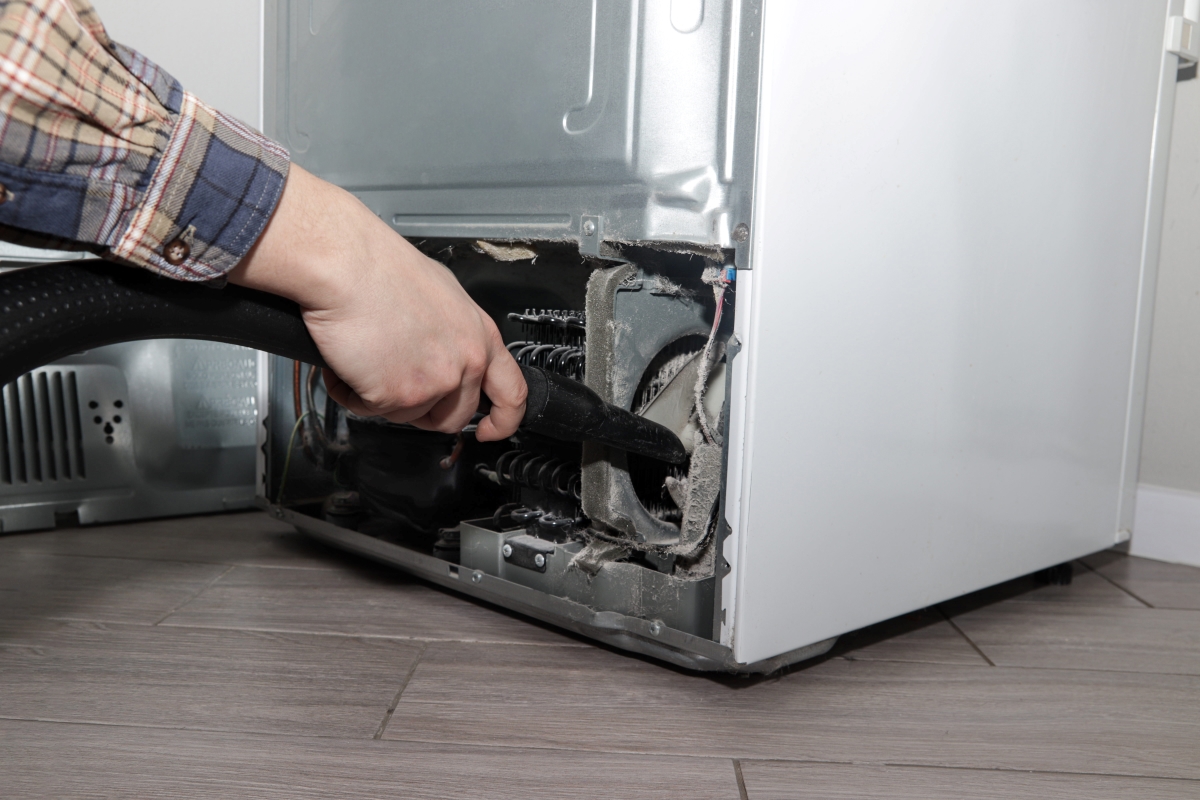
The refrigerator is the only appliance in the house that runs 24/7, yet it is rarely cleaned beyond the interior shelves. The coils, located either at the back or underneath the unit, are responsible for dissipating the heat removed from the fridge’s interior.
Energy Efficiency Implications:
When these coils become coated in dust, pet hair, and kitchen grime, the refrigerator’s compressor has to run significantly longer to maintain the desired temperature. This puts unnecessary strain on the motor and leads to a spike in electricity usage. Cleaning these coils with a specialized brush or a vacuum attachment every six to 12 months is an essential maintenance task that can extend the life of your refrigerator by years and lower your monthly energy bill.
10. The Slow Cooker "Peek" Factor
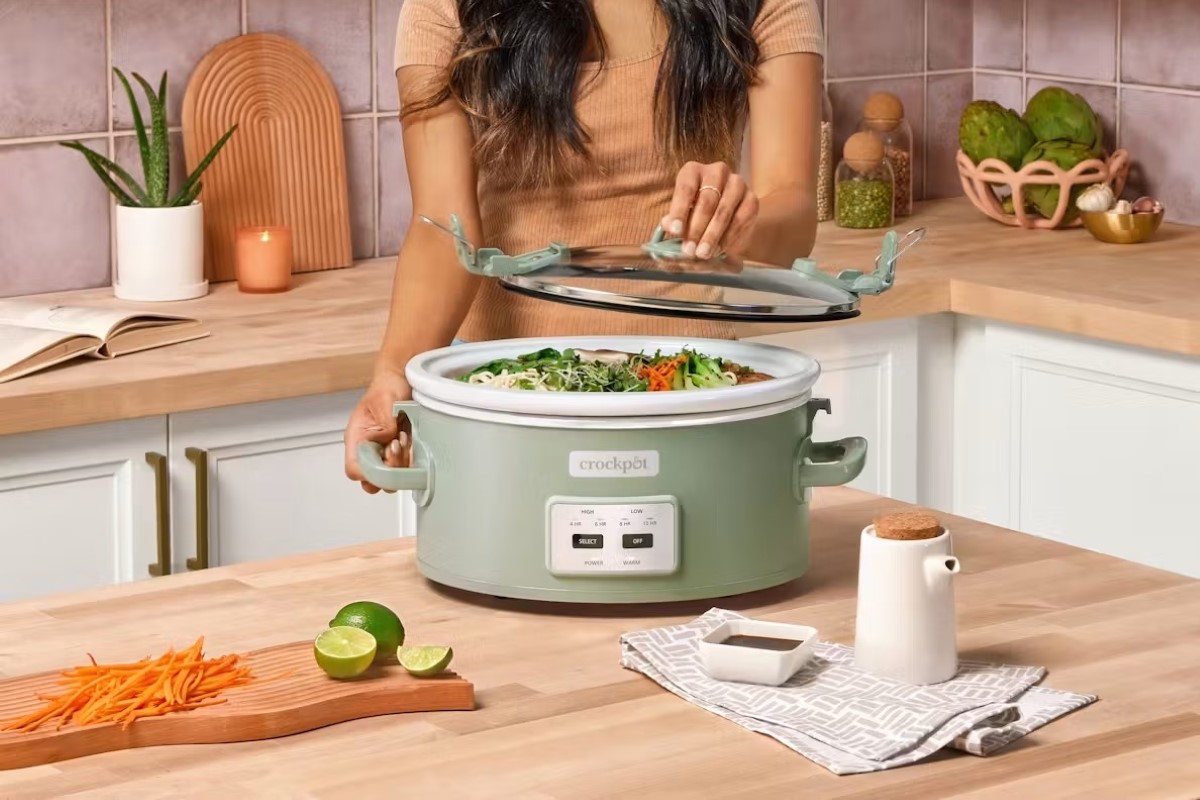
Cooking with a slow cooker requires a "set it and forget it" mentality. However, many home cooks cannot resist the urge to lift the lid to check on the progress or stir the contents.
Why Patience Pays Off:
Every time you lift the lid of a slow cooker, you release a significant amount of trapped heat and moisture. Because the appliance operates at a low-wattage, it takes an incredibly long time to regain that lost temperature. Frequently peeking can easily add 30 to 60 minutes of cooking time to your recipe. Trust the process; the slow, steady heat is precisely what breaks down tough connective tissues in meat and develops deep, complex flavors. If you must check, do it only once toward the end of the cooking cycle.
Conclusion: Mastering Your Kitchen
The kitchen is a laboratory of sorts, and your appliances are the equipment. By understanding the mechanical and operational requirements of these tools, you can transform your kitchen experience from a series of chores into a more efficient, high-performance endeavor. Proper maintenance, such as cleaning coils and filters, combined with correct usage techniques, will not only make your time in the kitchen more enjoyable but will also ensure that your investments last for years to come. Start by changing just one of these habits today, and you will likely see an immediate improvement in your kitchen’s overall functionality.