
Most travelers arrive in Sedona, Arizona, expecting a predictable itinerary: a pilgrimage to the famed red rock formations, a quest for spiritual clarity at a known "vortex" site, and perhaps a deep dive into the local wellness culture of crystal healing and aura cleansing. Sedona has long held its position as the high-desert mecca for those seeking introspection.
However, a recent shift in the hospitality landscape suggests that the town’s spiritual magnetism is meeting its match in an unlikely contender: the tennis court. The debut of Outbound Sedona, a boutique desert retreat, has challenged the traditional Sedona blueprint by integrating high-energy, community-driven athletics into the quintessential relaxing getaway. For many, the result is an unexpected obsession with the court, proving that the town’s newest "vortex" might just be a baseline-to-baseline rally.
The Evolution of the Desert Retreat
Historically, the Sedona hospitality model has been built on stillness. Resorts focused on silence, meditation, and spa-centric recovery. While these remain pillars of the local economy, the modern traveler is increasingly seeking "active rejuvenation"—a blend of physical exertion and luxury leisure.
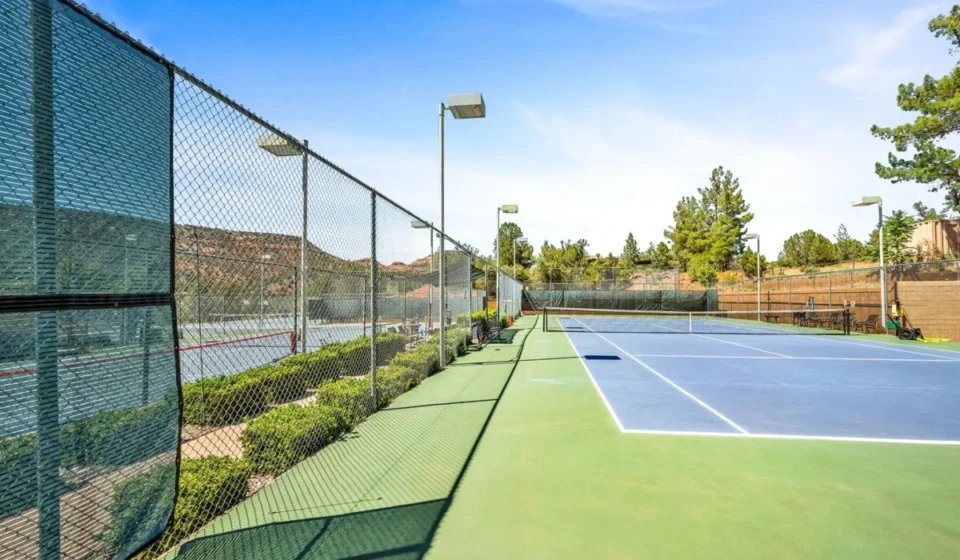
Outbound Sedona, located just minutes from the bustle of uptown, has strategically positioned itself at this intersection. By moving away from the purely passive wellness model, the property has introduced a dynamic social element to the desert experience. The centerpiece of this pivot is the hotel’s four-court facility, which serves not just as an amenity, but as the social heartbeat of the property.
Chronology of a Weekend Transformation
To understand the shift in the guest experience, it is helpful to trace the trajectory of a typical weekend stay at the property.
Friday: The Arrival
Upon checking into Outbound Sedona, guests are immediately greeted by the stark, awe-inspiring beauty of the red rocks. The initial hours are often spent acclimating to the environment—wandering through Tlaquepaque Arts & Shopping Village or sampling the local culinary scene. The expectation is set: a weekend of low-impact exploration and sunset watching.
Saturday: The "Rhythm & Rally" Inflection Point
The pivot occurs on Saturday morning. Guests participate in clinics hosted by Rhythm & Rally, an organization that has disrupted the traditional, often intimidating, tennis instruction model. By stripping away the stuffy formality of the country club and replacing it with high-tempo music, social engagement, and a "party-like" atmosphere, the clinic dismantles the barriers for entry-level players.
For many, this is the moment of conversion. The combination of professional coaching and a low-stakes, high-fun environment turns novices into enthusiasts in a matter of hours.
Sunday: The Aftermath
The final day is characterized by a lingering desire for the game. Whether it’s lingering over a final breakfast or squeezing in one last rally before checkout, the focus has shifted from the spiritual landmarks to the technical challenges of the serve. The weekend concludes not with a singular focus on tranquility, but with a newfound, tangible passion for the sport.
Supporting Data: The Rise of "Active-Social" Travel
The trend observed at Outbound Sedona is part of a broader shift in the global travel industry. According to recent hospitality market reports, there has been a 22% year-over-year increase in bookings for resorts that offer integrated sports programming.
- The Pickleball/Tennis Boom: Following the post-pandemic surge in racket sports participation, travelers are increasingly filtering their hotel searches by court availability.
- Social Connectivity: Post-pandemic surveys indicate that travelers are prioritizing "connection-based" activities. The social nature of doubles tennis and pickleball satisfies this need, acting as a natural icebreaker that yoga or meditation sessions often cannot provide.
- The "Skill-Up" Vacation: A growing demographic of travelers, particularly Millennials and Gen X, are using their vacation time to acquire or improve a skill. Tennis provides an immediate feedback loop of improvement that aligns perfectly with this desire for personal development.
Official Perspectives: Rethinking the Sedona Hospitality Model
The management at Outbound Sedona emphasizes that this is not an attempt to replace the town’s spiritual identity, but rather to broaden it.
"We believe that wellness isn’t just about sitting still," says a spokesperson for the property. "It’s about movement, social connection, and the endorphin release that comes from a great rally. By pairing the natural majesty of Sedona with the high energy of tennis and pickleball, we are providing a holistic experience that caters to both the mind and the body."
Industry analysts point out that this model is highly sustainable. By utilizing the outdoor space effectively, the resort creates a "year-round playground" that justifies the price of entry. When guests are not on the courts, the amenities—such as the pool, fire pits, and the Lucida restaurant—provide the necessary downtime that is essential to the Sedona brand.
The Implications: Is the "Vortex" Moving?
The success of the Outbound Sedona model raises questions about the future of travel in destination-specific locations. If a high-end retreat can successfully introduce active sports into a landscape previously defined by stillness, does this signal the end of the "passive vacation"?
1. The Diversification of Wellness
Traditional wellness resorts may soon find themselves at a disadvantage if they do not incorporate active, social components. The "quiet retreat" is evolving into the "active-social hub."
2. The Economic Impact on Local Infrastructure
As more properties follow this trend, Sedona may see an increase in demand for public and private athletic facilities. This could lead to a revitalization of local sports infrastructure, benefiting both tourists and the resident population.
3. The Shift in Traveler Identity
Perhaps the most profound implication is the shift in the guest’s post-trip narrative. Guests are no longer returning home solely with photos of red rocks and an aura of calm; they are returning with new gear, updated skill sets, and a recurring hobby. The "Sedona Glow" is being replaced—or at least augmented—by the "tennis tan."
Conclusion: A New Way to Experience the Red Rocks
Sedona remains one of the most spiritually significant locations in the United States. The vortexes, the art galleries, and the breathtaking hikes are not going anywhere. However, the introduction of a high-energy athletic culture offers a compelling new way to interact with the landscape.
By the time a guest leaves, the initial goal of finding "a renewed sense of self" is often met, but in an unexpected way. It isn’t just found through silent meditation; it is found through the satisfying thwack of a racket, the rhythm of a rally, and the camaraderie of a match played against the most dramatic backdrop in the American West.
For those who arrive looking for peace, but find a tennis obsession instead, the verdict is unanimous: the game is far from over. In Sedona, it’s just getting started.