Bridging the Gap: Megadap Launches the M2RF, Bringing Autofocus to Leica M-Mount Lenses on Canon RF Bodies

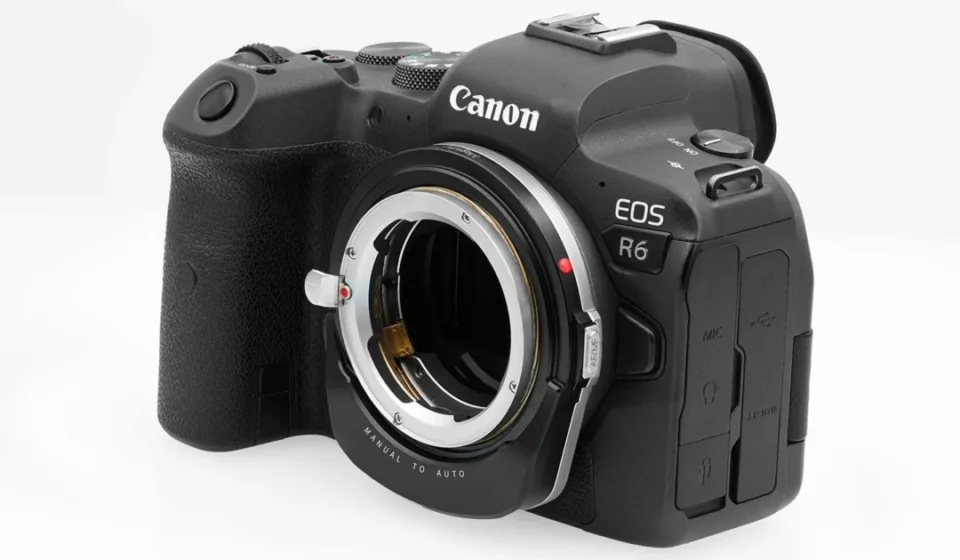
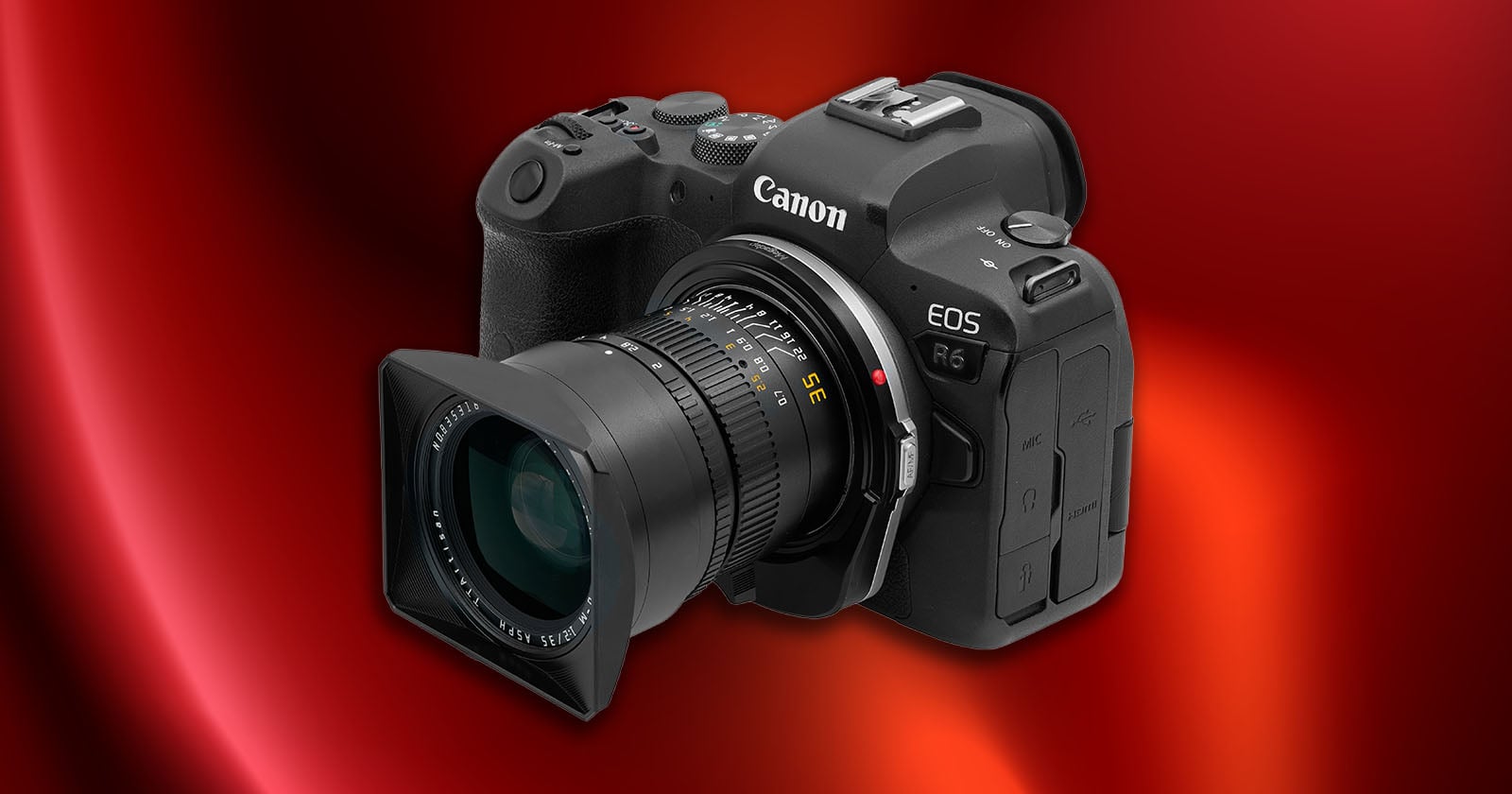
In a move that promises to redefine the workflow for street photographers, collectors, and legacy lens enthusiasts alike, Megadap has officially unveiled the M2RF. This groundbreaking adapter represents the world’s first solution to bring full autofocus capabilities to manual-focus Leica M-Mount lenses when mounted on Canon’s EOS R-series mirrorless ecosystem. By effectively bridging the divide between classic glass and modern digital mirrorless technology, the M2RF opens up a new frontier for Canon users who have long desired the unique character of M-mount optics without the inherent speed limitations of traditional manual focus.
Main Facts: A New Paradigm for Canon Mirrorless Users
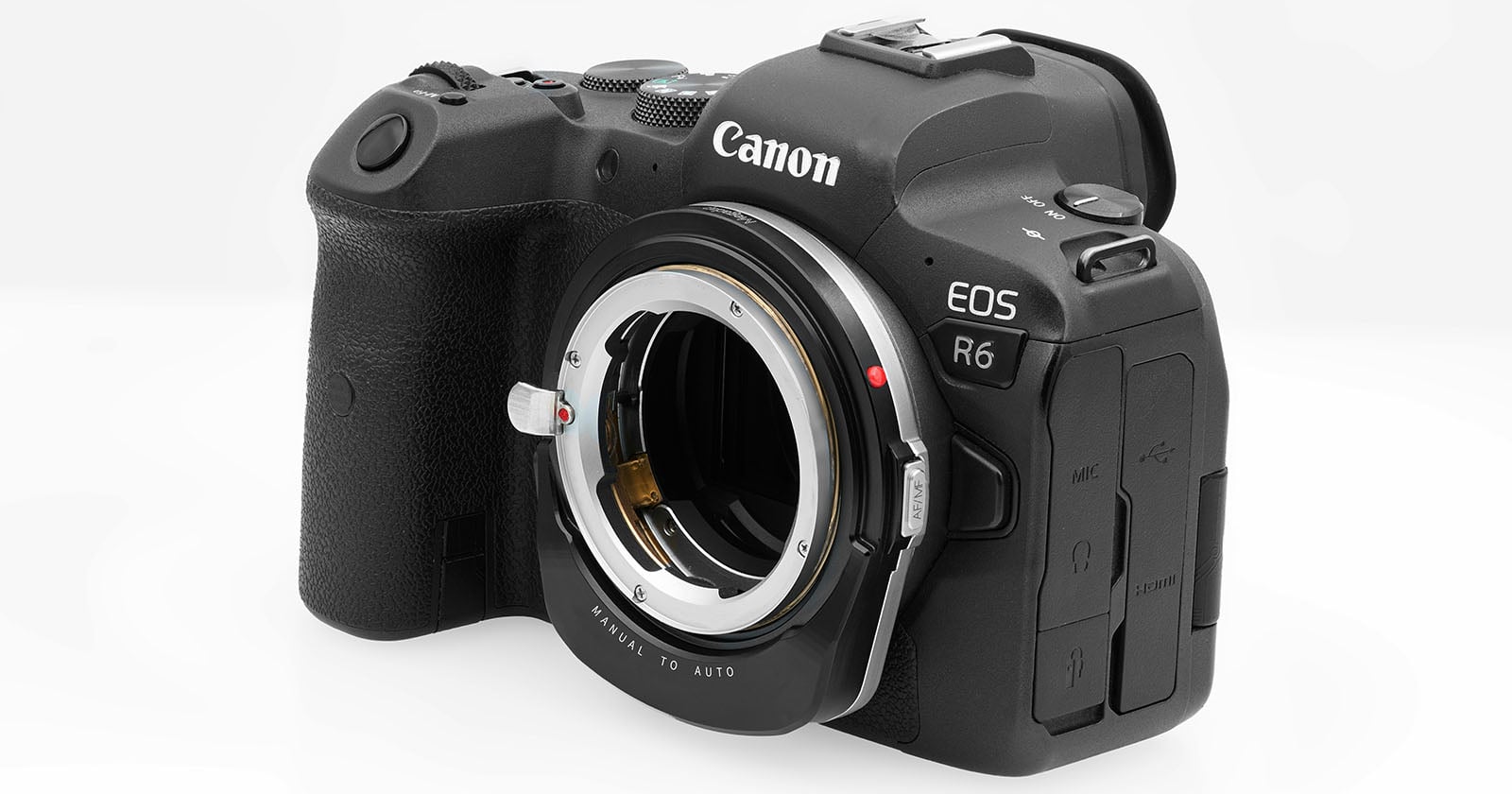
The Megadap M2RF is not merely a passive mechanical adapter; it is a sophisticated electronic interface. At its core, the device utilizes a high-precision motor that drives a helical mechanism. This mechanism physically shifts the lens element group forward and backward, allowing the camera’s internal autofocus system to dictate focus rather than the photographer’s hand.
The adapter is designed to be fully compatible with both APS-C and full-frame Canon EOS R-series cameras. Crucially, it leverages Canon’s proprietary Dual Pixel AF technology, meaning that users can take full advantage of the camera’s advanced features, including real-time eye detection, subject tracking, and continuous autofocus (C-AF). For those who prefer to toggle between methods, the adapter includes a dedicated AF/MF switch on the side of the chassis, allowing for instantaneous transitions.
Beyond autofocus, the M2RF serves as a bridge for EXIF data. It supports the recording of lens names, focal lengths, and aperture values for up to four distinct lenses, ensuring that photographers maintain accurate metadata for their post-processing workflows. Additionally, the device features an integrated four-step aperture lever, which helps synchronize the camera’s displayed aperture settings with the physical aperture ring of the lens.
Chronology: The Evolution of Adapter Technology
The journey to the M2RF was not overnight. Historically, the camera adapter market has been divided into two camps: simple "dumb" adapters that provide only a mechanical connection, and electronic adapters that facilitate communication between the lens and the body.
For years, Canon shooters have been restricted by the company’s famously tight control over its RF mount. While Canon has released its own EF-to-RF adapters to preserve the legacy of its DSLR glass, the company has remained notably resistant to opening the RF mount to third-party autofocus lenses. This policy left a void in the market for users who wanted to experiment with compact, high-quality M-mount lenses from Leica, Voigtländer, Zeiss, and Light Lens Lab.
Megadap’s development of the M2RF began as an answer to this limitation. Following their previous successes in adapting lenses for other mirrorless systems, the engineering team spent months perfecting the "handshake" protocol—the electronic language that allows a Canon camera to interpret a third-party lens’s behavior as if it were a native autofocus lens. By mid-2026, the final production units were stress-tested across the R-series lineup, culminating in today’s commercial launch.
Supporting Data: Technical Specifications and Performance
The technical prowess of the M2RF is best understood through its mechanical and software capabilities.
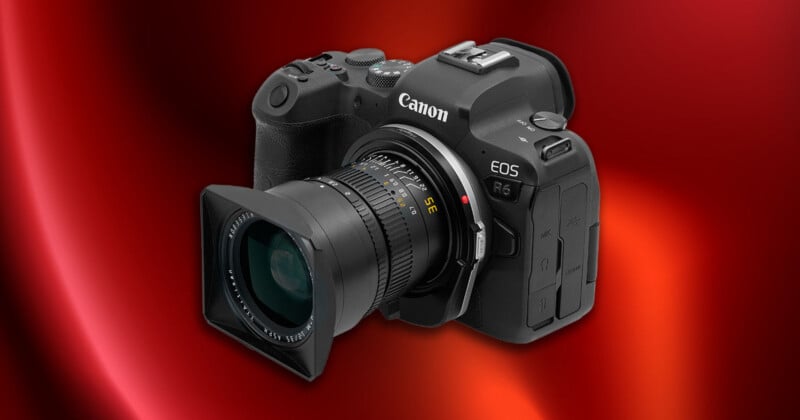
- Helical Travel: The adapter offers a maximum extension of 4.5 millimeters. While this is primarily intended for autofocus movement, it serves a dual purpose: acting as a pseudo-macro extension tube, it allows users to achieve closer minimum focusing distances than the lens was originally designed for, adding versatility to wide-angle and standard primes.
- Weight Capacity: Designed with premium materials, the M2RF is constructed from black anodized aluminum with a silver matte pearl nickel finish. While the build is robust, Megadap specifies a weight limit of 500 grams for supported lenses. This is a crucial metric, as the helical motor must be able to move the internal elements effectively; lenses exceeding this weight may require additional support from the photographer to prevent undue strain on the mount.
- Connectivity: Firmware updates are managed via a USB Type-C port located on the side of the adapter. This ensures that the device can stay compatible with future Canon body firmware updates—a common pain point for third-party accessory users. The software supports both Windows and macOS environments.
- Versatility: In an interesting "stacking" capability, the M2RF is built to be modular. Photographers can attach a secondary adapter (such as a Leica M to another legacy mount) to the front of the M2RF, effectively enabling autofocus on lenses from virtually any system, provided the flange distance allows for it.
Official Responses and Industry Context
"Our goal was to eliminate the compromise between the ‘soul’ of manual glass and the efficiency of modern mirrorless speed," stated a spokesperson for Megadap. The company emphasizes that the design language of the M2RF was intentional; the aesthetic is meant to mirror the heritage look of Leica lenses, ensuring that the adapter feels like a natural extension of the camera body rather than a cumbersome accessory.
Industry experts have noted that the M2RF arrives at a time when the "vintage lens" craze is at an all-time high. Photographers are increasingly seeking the "rendering" or "glow" of classic optics, but they are often discouraged by the difficulty of nailing focus on fast apertures (like f/1.4 or f/1.2) using traditional manual focus aids. By automating the process, Megadap has effectively lowered the barrier to entry for these optics.
Critics, however, point to the inherent limitations of adapting non-native glass. Because the M2RF must move the entire lens or specific elements through a helical drive, the autofocus speed will never match the instantaneous performance of native Canon RF lenses, which utilize ultra-quiet, high-speed linear motors. Megadap acknowledges this, framing the M2RF as a tool for creative expression rather than a replacement for high-speed sports glass.
Implications for the Future of Lens Adaptation
The launch of the M2RF has significant implications for the photography market.
1. Breaking the Canon "Closed System" Narrative
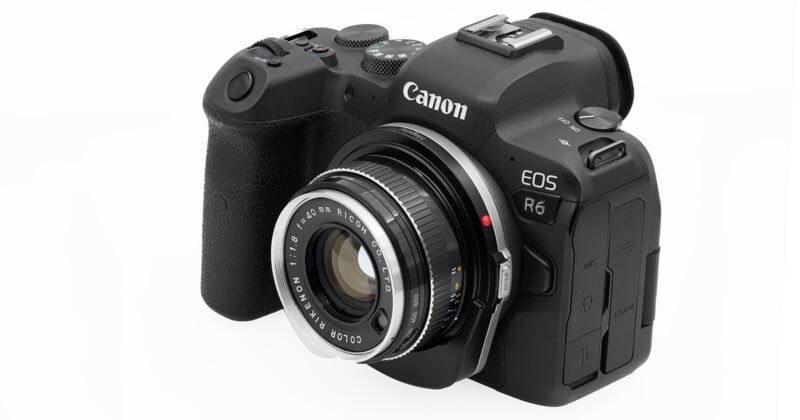
By successfully cracking the code for AF communication on the RF mount, Megadap is challenging the notion that the Canon ecosystem must remain closed. If a smaller manufacturer can implement autofocus for M-mount lenses, it signals to the market that the technological hurdle is no longer insurmountable. This may lead to an increase in similar products from competitors, ultimately benefiting the consumer through increased choice.
2. The Resurgence of the M-Mount Ecosystem
For decades, Leica M-mount lenses were primarily the domain of rangefinder shooters. The M2RF potentially shifts the center of gravity for these lenses. Users of the Canon EOS R6, R5, and R100 now have a massive catalog of high-performance glass at their disposal. This could drive up interest in modern M-mount manufacturers like Voigtländer and Light Lens Lab, who offer high-quality optics at a fraction of the cost of Leica-branded glass.
3. Workflow Efficiency
The inclusion of EXIF data support is perhaps the most understated feature of the M2RF. In the past, adapted lenses resulted in blank metadata, making it difficult for professional photographers to organize, search, and catalog their images. By allowing the camera to recognize the lens name and aperture, Megadap has moved the M2RF into the realm of professional-grade tools.
4. The Macro Potential
The ability to shorten the minimum focus distance of classic lenses by 4.5mm via the helical motor is a significant value-add. Many vintage lenses suffer from long minimum focus distances, which can be limiting for portraiture or close-up photography. The M2RF effectively breathes new life into these lenses, allowing them to perform tasks they were never originally built for.
Conclusion: A Worthwhile Investment?
At a price point of $399, the Megadap M2RF is positioned as a premium utility for the dedicated enthusiast. It is not an entry-level purchase, but for those who own a collection of high-quality M-mount glass or who have been eyeing the unique bokeh and color rendition of classic optics, it is a small price to pay for the convenience of modern autofocus.
As Canon continues to refine its mirrorless lineup, the M2RF stands as a testament to the ingenuity of third-party developers. It proves that the future of photography isn’t just about the newest, most expensive native lenses—it’s about finding ways to make the best glass in history work with the most powerful cameras of today. Whether you are a street photographer looking for speed, or a portrait artist looking for that classic "Leica look" with the safety net of eye-tracking, the M2RF offers a compelling, innovative solution that is set to become a staple in many camera bags this year.