
The Rise, Reign, and Recipe of the Appletini: How a West Hollywood Accident Became a Pop Culture Icon

Main Facts: Anatomy of a Modern Classic
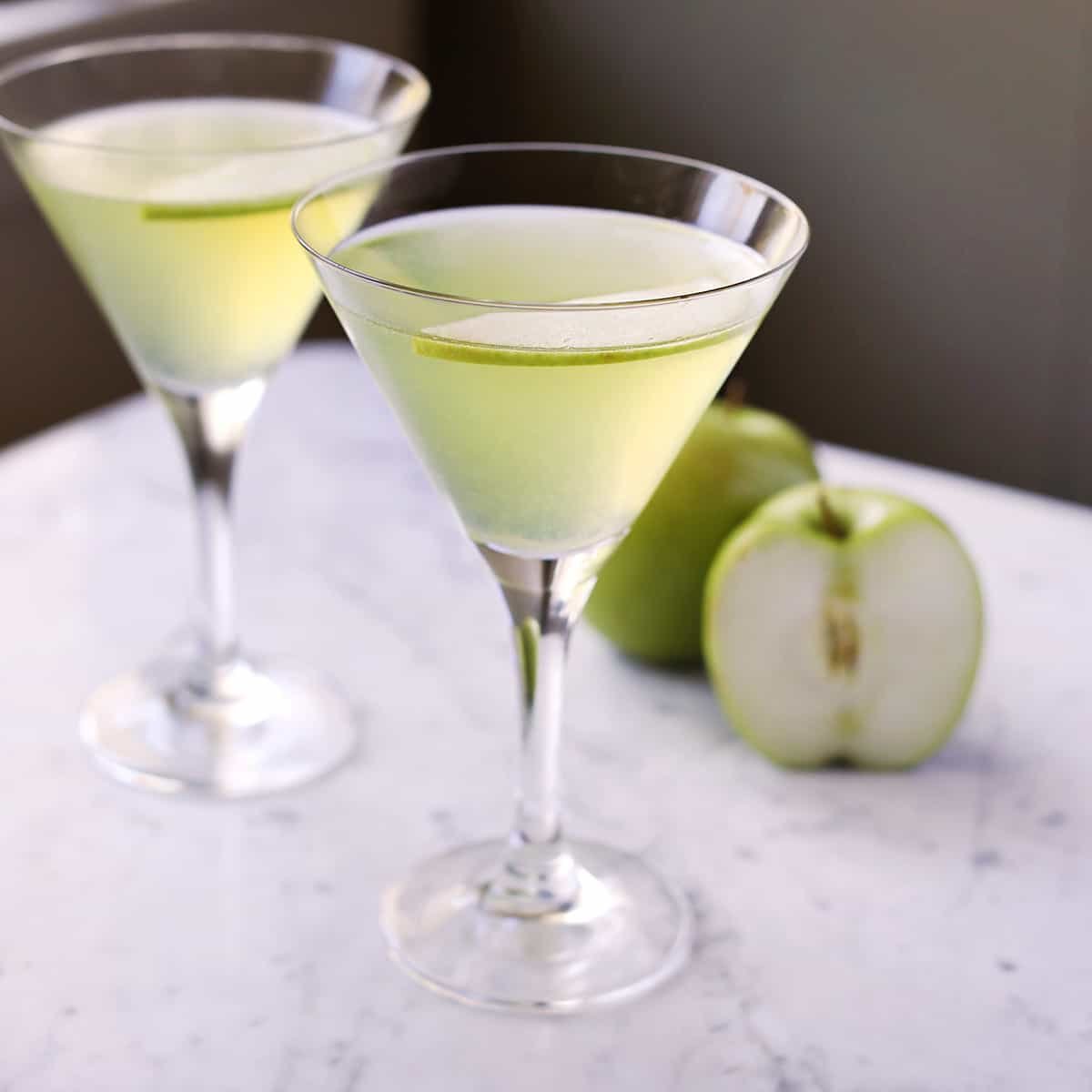
The Apple Martini—affectionately and universally known as the "Appletini"—stands as one of the most recognizable and enduring cocktails of the late 20th and early 21st-century mixology booms. Composed of just four core ingredients, this vibrant, neon-hued drink strikes a distinct balance between sweet and tart. Unlike many of its dessert-martini counterparts, such as the creamy Birthday Cake or Chocolate Martinis, the Appletini relies on fruit juices and liqueurs for its flavor profile rather than heavy dairy or syrups.
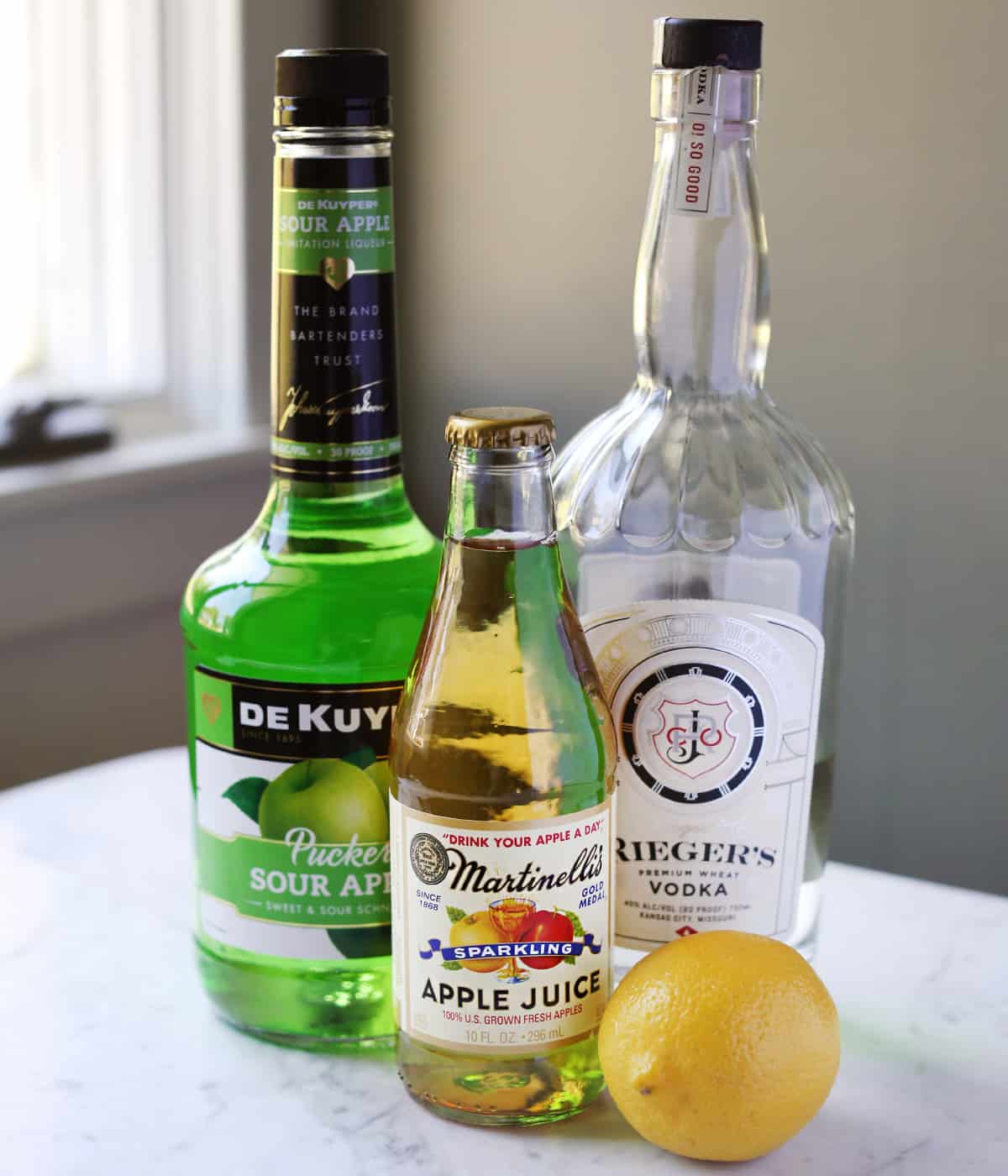
At its foundational level, a traditional Appletini requires only four components:
- Vodka: Typically chosen as a neutral spirit to allow the fruit flavors to take center stage, though gin can be substituted for a more botanical, classic martini twist.
- Sour Apple Schnapps: The backbone of the drink’s signature tartness and unmistakable bright green hue.
- Apple Juice (or Cider): Adds a refreshing, authentic orchard sweetness. While standard apple juice works seamlessly, sparkling apple juice can elevate the mouthfeel with effervescence.
- Lemon Juice: Introduces a necessary hit of citrus acidity to cut through the sweetness of the schnapps and balance the cocktail.
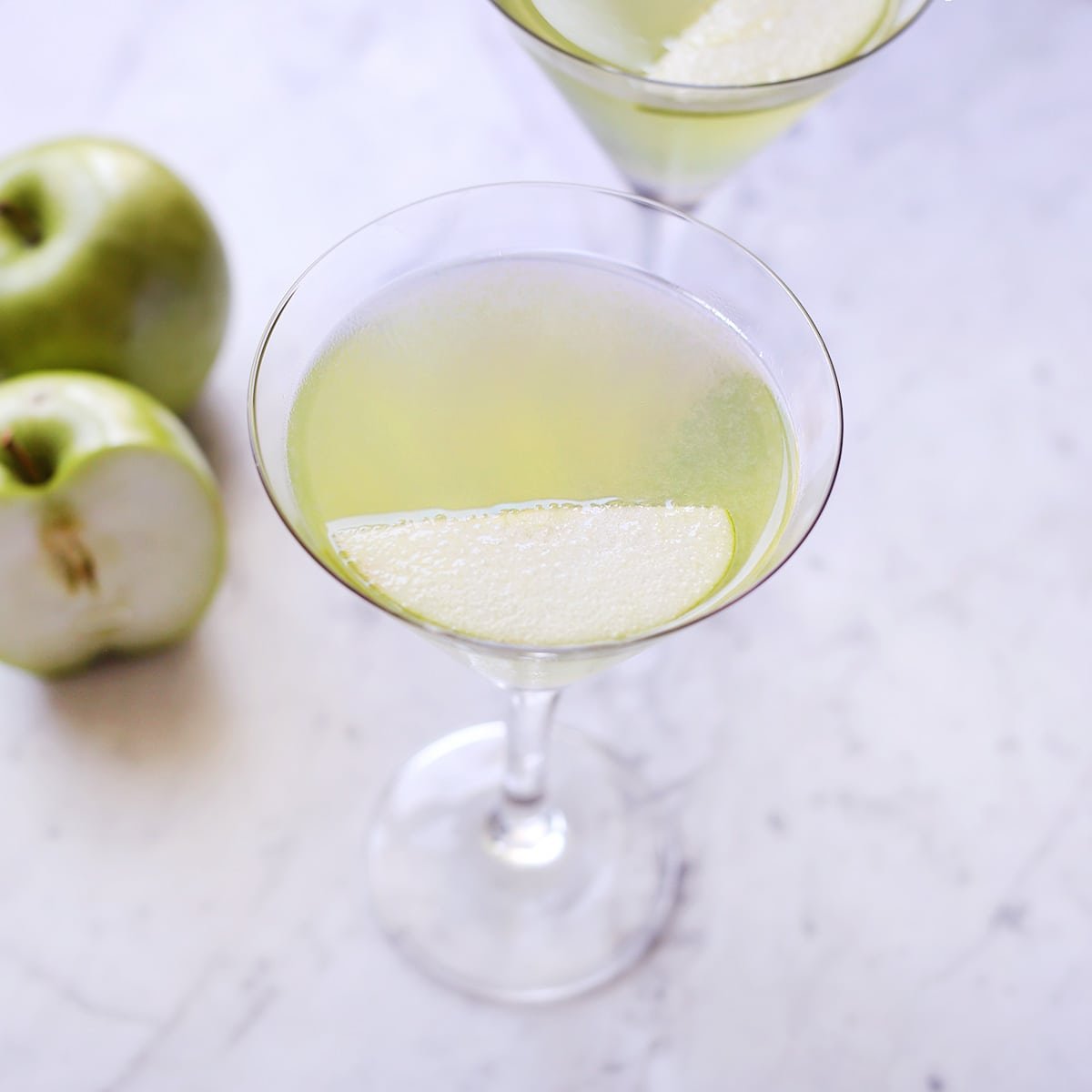
Garnished traditionally with a crisp slice of Granny Smith apple perched on the rim of a chilled martini glass, the drink is as visually striking as it is palatable. Its preparation is remarkably straightforward—requiring a vigorous shake with ice in a cocktail shaker until the metal tin frosts over, followed by a clean strain into glassware. Yet, beneath its approachable exterior lies a fascinating cultural history that spans high-end West Hollywood nightlife, television sitcoms, and Silicon Valley boardrooms.
Chronology: The Birth of the Apple Martini
The origin story of the Appletini is well-documented in the annals of modern bar lore, tracing back to a very specific time and place: July 4, 1997, at Lola’s, a trendy watering hole in West Hollywood, California.
Loren "Lola" Dunsworth, the owner of the establishment, was approached by brand representatives from Ketel One vodka. The representatives were looking to promote the premium spirit by establishing a signature martini for the bar. At the time, the "martini craze" was sweeping American nightlife, with bartenders experimenting wildly by appending the word "-tini" to virtually any mixture served in a stemmed glass.
Faced with the challenge of inventing a new crowd-pleaser, Dunsworth took stock of her back bar and noticed an outlier: a dust-gathering bottle of apple schnapps. Intrigued by the possibility, she turned to bartender Adam Karsten and challenged him to incorporate the liqueur into a vodka-based cocktail.
Karsten experimented with ratios of vodka, apple schnapps, and a splash of citrus to balance the overwhelming sweetness of the liqueur. The resulting concoction was vibrant, bracingly tart, and dangerously drinkable. Named simply the "Adam’s Apple Martini" at its inception, it was an immediate sensation among Lola’s clientele. Word spread rapidly through Los Angeles’s entertainment industry circles, and within months, variations of the recipe were being shaken and strained in bars across the United States.
Supporting Data: The Appletini in Pop Culture and Mixology
While born in a celebrity-adjacent Los Angeles lounge, the Appletini achieved immortality through its heavy integration into 2000s pop culture. It quickly evolved from a localized trend into a global shorthand for a specific type of cosmopolitan indulgence.
Most notably, the drink became the signature obsession of the character John "J.D." Dorian (played by Zach Braff) in the hit medical comedy series Scrubs. J.D.’s frequent, enthusiastic demands for an "Appletini, easy on the marti" cemented the cocktail’s status as a pop culture touchstone, simultaneously endearing it to millions of viewers and branding it as a playfully unpretentious choice in contrast to stiff, traditional whiskies or dry gins.
The beverage also made high-profile cinematic appearances, most famously in David Fincher’s 2007 film The Social Network. In a pivotal scene depicting the early days of Facebook, characters played by Jesse Eisenberg (Mark Zuckerberg) and Andrew Garfield are shown navigating business dynamics while sipping Appletinis—a subtle nod to the youthful, disruptive, and slightly irreverent culture of early tech startups.
From a mixological standpoint, the Appletini’s data footprint is equally robust. It birthed an entire sub-genre of fruit-forward martinis that democratized cocktail bars for drinkers who found traditional, spirit-forward drinks like the Gibson or Manhattan unapproachably harsh. Cocktail database metrics consistently rank the Appletini among the most searched and replicated retro cocktail recipes, proving that its appeal extends far beyond its 90s-heyday origins.
Official Responses and Expert Variations
Professional mixologists and contemporary bartenders have long held a nuanced view of the Appletini. While purists historically scoffed at the use of commercial schnapps and neon-green colorings—viewing them as symbols of a dark era in cocktail history dominated by artificial ingredients—modern craft bartenders have embraced the nostalgia, opting to elevate the drink with fresh, high-end components.
Expert-Recommended Variations:
- The Botanical Pivot: Swap the standard vodka for a high-quality London Dry gin. The juniper and botanical notes of the gin introduce a sophisticated, earthy depth that grounds the sharp sweetness of the apple schnapps.
- The Dessert Edge: For those leaning heavily into the "dessert martini" classification, rim the glass with a mixture of fine sugar and ground cinnamon before straining the drink.
- The Artisanal Upgrade: Replace commercial sour apple schnapps with a small-batch apple liqueur or a house-made sour apple reduction, paired with fresh-pressed Granny Smith apple juice to achieve a cleaner, more vibrant tartness without artificial additives.
- The Field-Expedient Shaker: Lacking a professional bar kit? Experts note that a clean mason jar with a secure lid serves as an effective makeshift cocktail shaker, easily strained into a glass using a fine-mesh kitchen strainer.
Implications: The Legacy of the -Tini Era
The enduring popularity of the Appletini carries broader implications for the evolution of modern drinking culture. It serves as a bridge between the rigid, old-school cocktail traditions of the mid-20th century and the unrestrained, boundary-pushing creativity of the modern craft cocktail movement.
When the Appletini was invented in 1997, it challenged the patriarchal, austere image of the traditional martini glass. By making cocktails colorful, sweet, and approachable, it invited a wider, more diverse demographic into cocktail bars, paving the way for the sweet-and-sour craft explosion of the 2000s.
Furthermore, the Appletini’s survival through decades of changing culinary trends demonstrates the enduring power of comfort and nostalgia in food and beverage. While mixology trends shift constantly toward bitter profiles, mezcal smoke, and hyper-local bitters, the bright green, unapologetically sweet Apple Martini remains a beloved fixture—a testament to the fact that sometimes, the best drink is simply the one that refuses to take itself too seriously.