The Evolution of the Starbucks "Medicine Ball": From Secret Menu Phenomenon to Global Comfort Staple

Main Facts
In the landscape of modern coffeehouse culture, few items have achieved the cult-like status of the unofficial Starbucks "Medicine Ball." Widely recognized by its colloquial monikers—including the "Cold Buster"—this steaming, citrus-and-mint-infused beverage has transitioned from a word-of-mouth remedy whispered across cash registers into an official, corporate-sanctioned menu item known globally as the Honey Citrus Mint Tea.
Designed to provide immediate sensory comfort, the drink is formulated to combat the heavy, stuffy feeling associated with seasonal colds, alleviate minor stomach discomfort, or simply serve as a rich, aromatic indulgence during chilly weather. While millions of consumers rely on local Starbucks franchises to deliver this soothing concoction during peak flu season, a burgeoning trend among culinary enthusiasts involves crafting the beverage at home. Making the drink independently allows for the integration of fresh herbs, precise customization of sweetness levels, and tailored flavor profiles that often surpass the convenience-driven standardization of commercial chains.
Chronology of a Cult Classic
The journey of the Honey Citrus Mint Tea is a textbook study in modern viral marketing and consumer-driven menu development.
- The Secret Menu Era: Long before it appeared on digital menu boards or drive-thru displays, the "Medicine Ball" was conceived by inventive customers navigating severe cold symptoms. By combining specific elements from the Starbucks beverage inventory—specifically Teavana jade citrus mint green tea, peach tranquity herbal tea, hot water, steamed lemonade, and a generous pump of honey—patrons created a potent, soothing elixir.
- The Word-of-Mouth Boom: Throughout the mid-2010s, social media platforms like Pinterest, Instagram, and TikTok amplified the recipe. Patrons flooded stores requesting the "Cold Buster" or "Medicine Ball," relying on baristas to decipher the unlisted ingredient combination. Despite not existing on official corporate literature, the recipe became an open secret shared among wellness seekers and tea lovers alike.
- Corporate Adoption: Recognizing the overwhelming demand and consistent point-of-sale requests, Starbucks officially integrated the drink into its permanent national menu under the standardized name Honey Citrus Mint Tea. This move streamlined operations for baristas while validating the public’s widespread perception of the drink as a comforting, wellness-oriented option.
- The Contemporary At-Home Movement: In recent years, home-cooking and copycat recipe platforms have embraced the beverage. Consumers now routinely bypass the drive-thru line, opting instead to source high-quality loose-leaf teas, fresh mint, organic honey, and customized citrus bases to recreate the experience in their own kitchens.
Supporting Data & Recipe Mechanics
Understanding the enduring popularity of the Medicine Ball requires an examination of its flavor architecture and ingredient breakdown. The beverage derives its complex taste profile from a deliberate balancing act between bright acidity, deep herbal warmth, and natural sweetness.
Flavor Profile
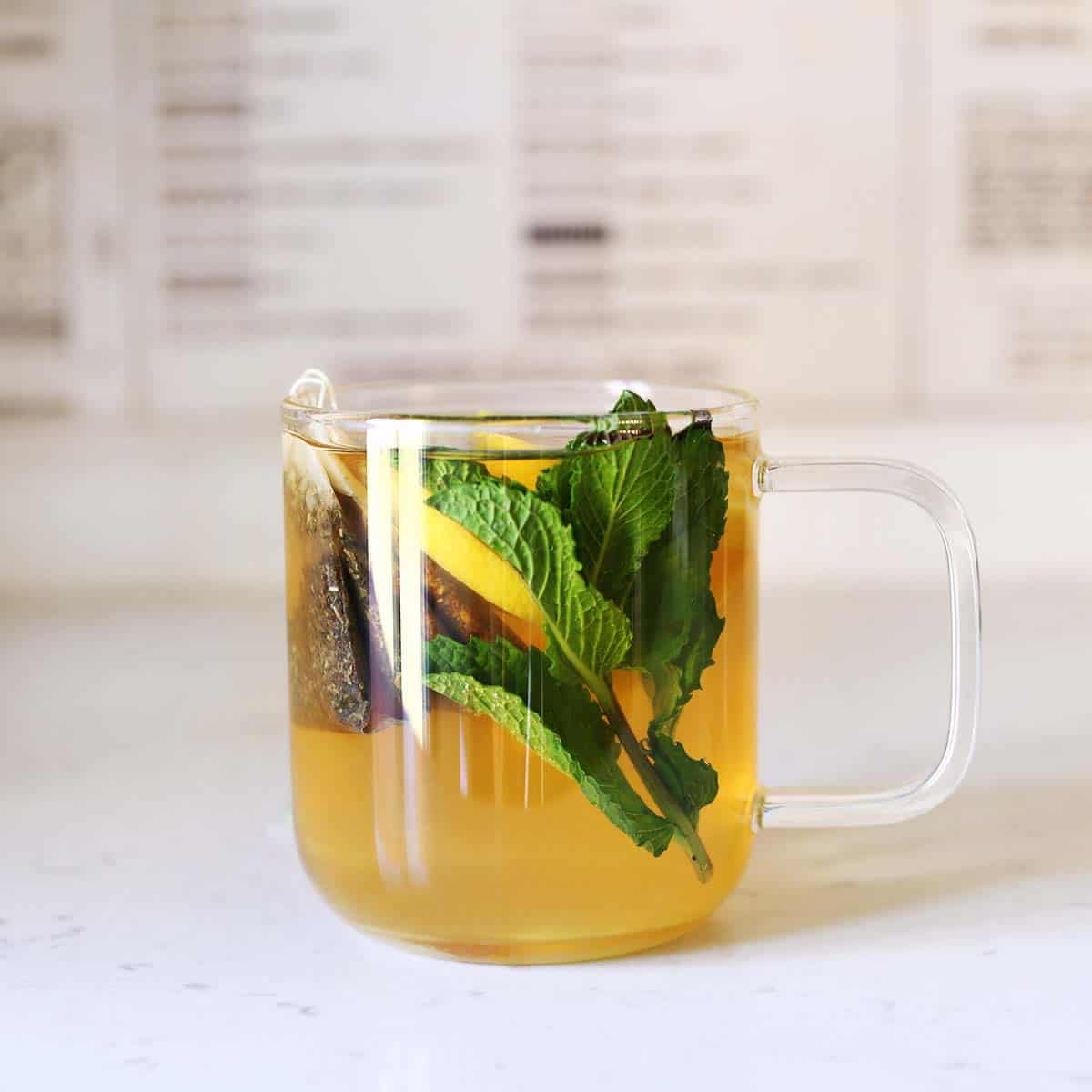
The official Starbucks Honey Citrus Mint Tea—and its faithful at-home counterparts—tastes like a warm, sweet citrus and mint tea drink. It balances the sharp tang of lemonade with the cooling properties of mint and the earthy, calming notes of herbal and green tea blends.
At-Home Recipe and Preparation
To replicate or customize the Starbucks experience at home, practitioners utilize a straightforward culinary process designed to maximize extraction and flavor integration.
Ingredients:
- Tea Base: Traditionally, a combination of green tea (infused with spearmint, lemon verbena, and lemongrass) and herbal peach tea is utilized. However, home cooks frequently substitute alternative fruit herbal teas such as orange, mango, or raspberry based on personal preference.
- Citrus Element: Equal parts hot water and lemonade, or a water-based mix utilizing crystallized lemon products (such as True Lemon) for a no-sugar-added alternative.
- Sweetener: Raw honey, valued for its viscosity and throat-coating properties.
- Aromatics: Fresh mint leaves and thin lemon slices to enhance both visual presentation and aromatic delivery.
Step-by-Step Preparation:
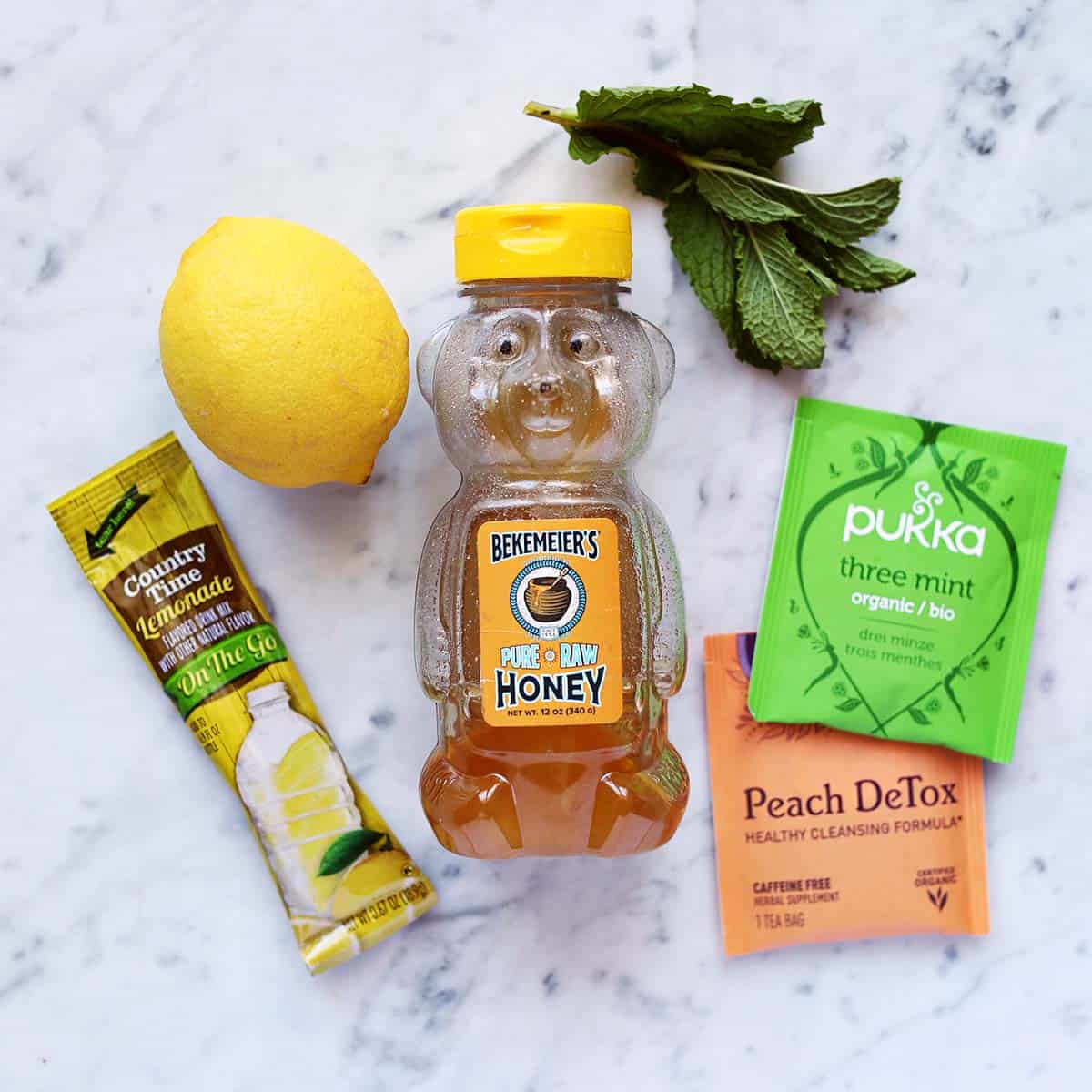
- Assembly: In a large, heat-resistant mug, combine the lemonade base (or lemonade mix), selected tea bags, honey, fresh lemon slices, and fresh mint leaves.
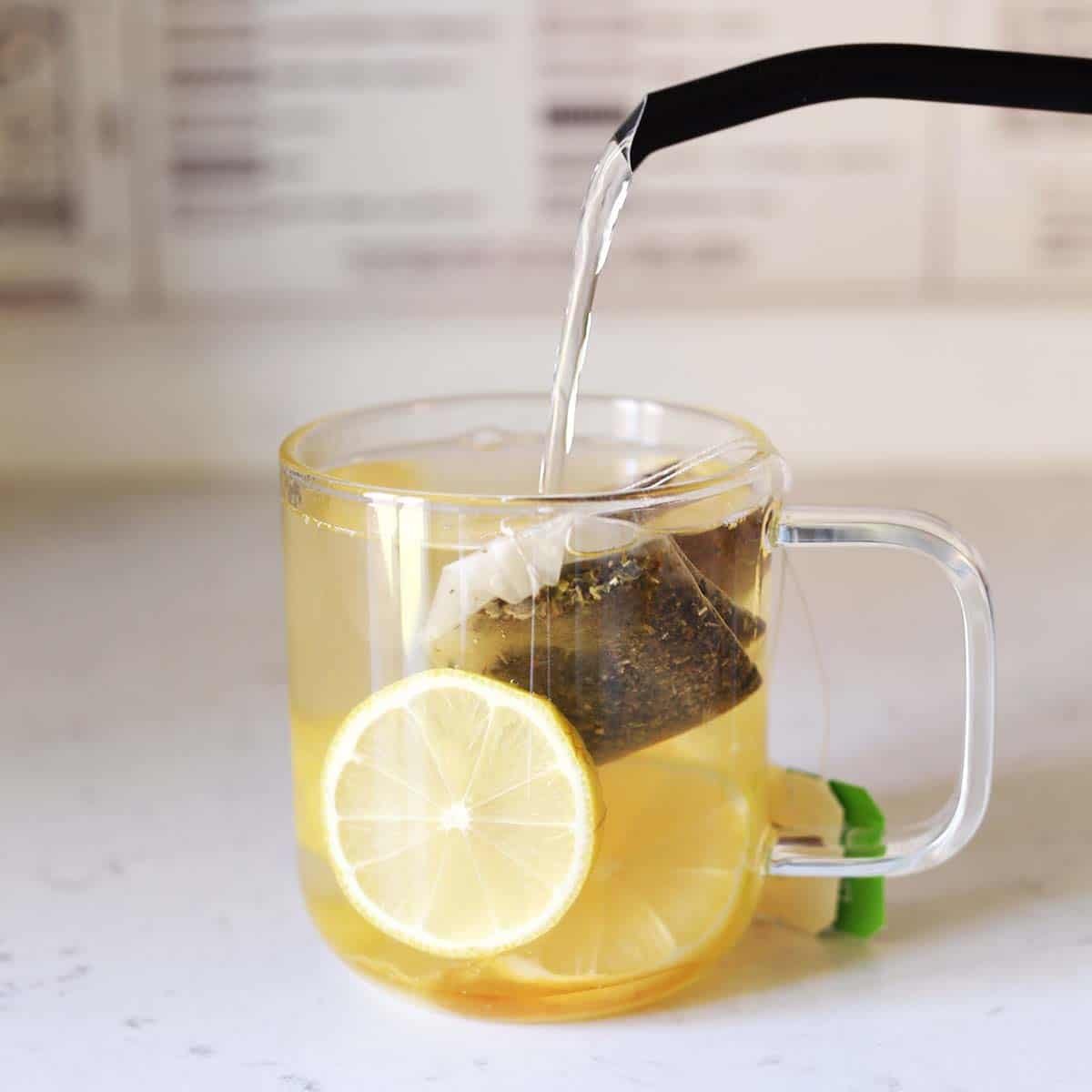
- Thermal Infusion: Heat water to approximately 200°F (93°C)—just below a rolling boil—and pour it directly into the mug. The pouring action typically initiates the dissolution of the honey and lemonade components.
- Agitation: If any residual honey or mix settles at the bottom of the vessel, give the mixture a few thorough stirs with a spoon to ensure total homogenization.
- Steeping: Allow the tea bags to steep undisturbed in the hot water for 3 to 4 minutes. This window permits the botanical and herbal compounds to fully release into the liquid.
- Consumption: Sip cautiously once the beverage has cooled to a comfortable drinking temperature. The sensory experience is heightened by the potent, therapeutic aromas released during the steeping phase.
Expert Tips and Variations
- Bottled vs. Mix Lemonade: When utilizing pre-made bottled lemonade instead of water and a powdered mix, culinary experts recommend heating the lemonade alongside the water (maintaining a 1:1 ratio, such as one cup of water to one cup of lemonade) to ensure optimal serving temperature.
- Sugar Regulation: While honey provides traditional throat-soothing benefits, health-conscious consumers may scale down the quantity or eliminate it entirely to avoid added sugars.
- Caffeine Considerations: Standard formulations incorporate green tea, which contains moderate caffeine. For those seeking a strictly decaffeinated nighttime beverage, substituting the green tea component with a purely herbal alternative ensures zero caffeine content.
Official Responses and Industry Perspectives
The commercial success of the Honey Citrus Mint Tea highlights a broader shift within the quick-service restaurant (QSR) industry: the institutionalization of consumer innovation.
Major beverage corporations historically guarded their proprietary menus closely, viewing unauthorized "secret menus" as operational hurdles that slowed down drive-thru times. However, the viral trajectory of the Medicine Ball forced a strategic pivot. By officially recognizing the drink, Starbucks demonstrated a willingness to listen to consumer trends and integrate grassroots culinary experiments into mainstream offerings.
Nutritionists and wellness commentators have weighed in on the cultural phenomenon as well. While commercial versions of the drink contain significant amounts of sugar derived from lemonade and honey, the psychological and physical comfort associated with warm, steam-releasing beverages remains undisputed. Public health discussions frequently highlight the traditional value of honey and vitamin C-rich citrus in managing the minor discomforts of seasonal respiratory irritation, giving the beverage a halo of functional wellness that standard sodas and coffee drinks lack.
Implications for Consumers and Culinary Trends
The enduring appeal of the Starbucks Medicine Ball—both in-store and as a DIY home project—signals several notable implications for contemporary food and beverage culture:
- The Rise of Functional Comfort: Consumers increasingly seek food and beverage choices that offer more than mere caloric sustenance or caffeine stimulation. Items that promise emotional comfort, physical soothing, or perceived health benefits hold a distinct competitive advantage in the marketplace.
- The Democratization of Gourmet Recipes: The proliferation of copycat recipes reflects a consumer base that values culinary agency. Rather than remaining passive purchasers of corporate products, modern consumers enjoy reverse-engineering favorite items, experimenting with ingredient modifications (such as reducing sugar or incorporating fresh, organic herbs), and sharing these adaptations within digital communities.
- The Blurring Lines Between Digital and Physical Menus: The journey of the Medicine Ball proves that the modern menu is no longer dictated solely by corporate boardrooms. Digital word-of-mouth, algorithmic content sharing, and grassroots consumer demand now serve as primary incubators for major commercial product launches.
As seasonal shifts continue to drive demand for warming, restorative beverages, the legacy of the Medicine Ball stands secure—reminding us that sometimes, the best recipes are those born out of a collective desire for comfort, community, and care.