Comments Off on Stirring Up Nostalgia: The Enduring Legacy, Craft, and Cultural Revival of the Pink Squirrel Cocktail
Main Facts: The Anatomy of a Mid-Century Masterpiece
In the pantheon of classic mixology, few beverages command the whimsical charm and unabashed decadence of the Pink Squirrel. Often described by modern cocktail enthusiasts as the cherry-forward cousin of the famous Grasshopper, this velvety dessert cocktail is experiencing a profound renaissance. With its distinctive, vibrant pastel hue and rich, comforting flavor profile, the Pink Squirrel bridges the gap between after-dinner digestif and liquid confectionery.
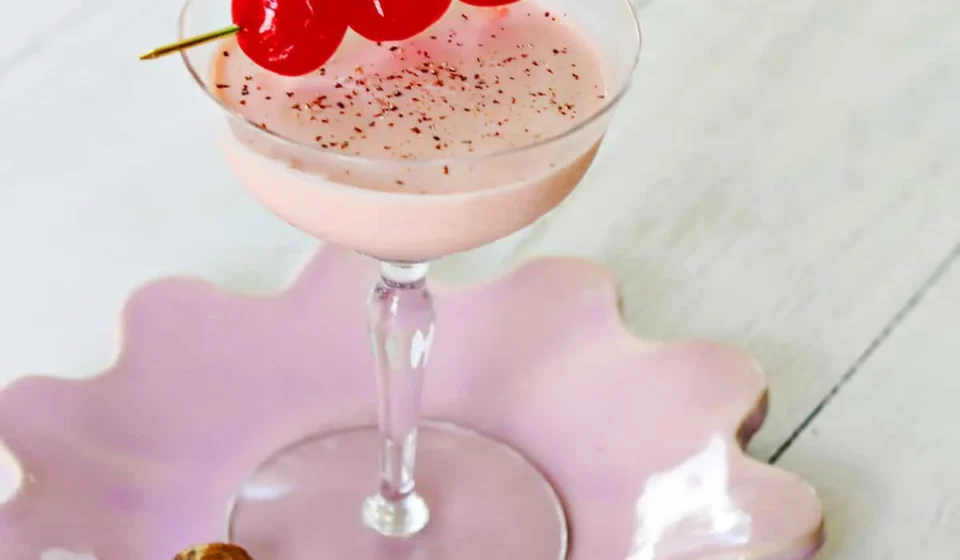
At its core, the authentic Pink Squirrel is a study in balanced, creamy indulgence. The drink is constructed from three primary liquid components: crème de noyaux—a striking red, almond-flavored liqueur traditionally infused from apricot or peach kernels—white crème de cacao, and heavy cream. When shaken vigorously with ice and strained into a chilled coupe or martini glass, these ingredients emulsify into a frothy, opaque pink concoction. It is typically finished with a dusting of freshly grated nutmeg and garnished with a maraschino cherry.
Far from being a mere novelty, the cocktail represents a golden era of American bar culture when drinks were unapologetically sweet, visually theatrical, and designed to be savored slowly at the end of a heavy meal. Today, as contemporary cocktail bars increasingly embrace retro-chic aesthetics and mid-century nostalgia, the Pink Squirrel has stepped out of the shadows of obscurity and back into the spotlight.
Chronology: From Milwaukee Roots to a Global Revival
To understand how a brightly colored concoction named after a rodent became a treasured classic, one must travel back to the American mid-20th century, an era defined by postwar optimism, suburban cocktail parties, and an explosion of novel commercial liqueurs.
The 1940s: Birth at Bryant’s Cocktail Lounge
The origins of the Pink Squirrel are firmly rooted in Milwaukee, Wisconsin. In the 1940s, a visionary bartender named Bryant Sharp—proprietor of the legendary Bryant’s Cocktail Lounge—set out to craft a drink that would tantalize both the eyes and the palate. Bryant’s was already pioneering the concept of specialized, thematic dessert cocktails in an era when most American bars focused primarily on highballs, martinis, and old-fashioneds. Sharp combined the nutty, stone-fruit notes of crème de noyaux with the smooth chocolate undertones of crème de cacao and rich dairy, bestowing upon the drink the playful name "Pink Squirrel" simply as a nod to its striking pastel appearance.
The 1950s–1970s: The Mid-Century Boom
During the post-war decades, cocktail culture migrated rapidly from upscale lounges into the American suburban home. The proliferation of blenders, pre-made bar mixes, and widely available imported liqueurs made complex, creamy drinks accessible to the masses. Along with its siblings—the Grasshopper and the Brandy Alexander—the Pink Squirrel became a staple of supper clubs across the Midwest and upper Rust Belt. It was the quintessential exclamation point to a Friday night fish fry or a celebratory family dinner.
The Late 20th Century: The Dark Ages of Mixology
As the culinary landscape shifted toward fresher ingredients, natural flavors, and spirit-forward classics in the 1980s and 1990s, the reputation of creamy, neon-tinted dessert cocktails plummeted. Bartenders dismissed them as overly sweet relics of a bygone era, heavy-handed with artificial colorings and dairy. Crème de noyaux, in particular, became exceedingly difficult to source as major producers scaled back distribution, driving the Pink Squirrel into virtual hibernation.
The 2020s: The Retro-Modern Renaissance
In recent years, however, the pendulum of cocktail trends has swung decisively back toward nostalgia. Modern craft mixologists, armed with a newfound appreciation for historical drinking traditions, began raiding the archives of mid-century mixology. Driven by social media platforms, vintage cocktail revivalists, and specialty bars resurrecting lost recipes, the Pink Squirrel has re-emerged as a sought-after specialty item for adventurous home bartenders and high-end cocktail lounges alike.
Supporting Data: Recipe, Equipment, and Ingredient Chemistry
Recreating an authentic Pink Squirrel at home requires attention to detail, particularly given the modern challenges of sourcing specific vintage ingredients. Below is the definitive guide to crafting the classic recipe.
Essential Equipment
Cocktail Shaker: A standard metal Boston or cobbler shaker is mandatory to ensure the heavy cream achieves proper aeration and chilling.
Glassware: A classic martini glass or a vintage-style coupe glass allows the pastel pink color and the aromatic nutmeg garnish to shine.
Ingredients
Crème de Noyaux: 1 oz (The star of the show; provides the pink color and distinct almond/stone-fruit flavor).
White Crème de Cacao: 1 oz (Adds a clear chocolate sweetness that does not discolor the drink).
Heavy Cream: 1 oz (Lends the signature velvety, dessert-like mouthfeel).
Garnish: Freshly grated nutmeg and maraschino cherries.
Step-by-Step Instructions
Chill Your Glassware: Place your coupe or martini glass in the freezer for 10 minutes prior to mixing.
Combine: Fill a cocktail shaker generously with ice. Pour in the crème de noyaux, white crème de cacao, and heavy cream.
Shake Vigorously: Seal the shaker and shake hard for 10 to 15 seconds. You want the metal tin to frost over completely, indicating that the drink has been thoroughly chilled and properly diluted.
Strain: Double-strain the liquid directly into your chilled glass to catch any ice shards.
Garnish: Dust the surface lightly with freshly ground nutmeg and drop in one or two high-quality maraschino cherries.
Sourcing Substitutes and Pro-Tips
The Crème de Noyaux Dilemma: Because authentic crème de noyaux can be notoriously tricky to find on local liquor store shelves, many contemporary bartenders substitute it with amaretto. While amaretto successfully mimics the nutty flavor profile, it lacks the signature pink color. To remedy this, mixologists recommend adding a single drop of red food coloring or a half-ounce of tart pomegranate juice to achieve the authentic hue.
Dairy Alternatives: While heavy cream yields the most authentic, rich consistency, half-and-half can be used for a lighter body, though it will sacrifice some of that decadent dessert-like silkiness.
Official Responses: Perspectives from Historians and Modern Bartenders
The resurgence of drinks like the Pink Squirrel has sparked considerable dialogue within the broader hospitality industry. Beverage historians and working bartenders offer diverse viewpoints on why these decadent beverages are capturing the public imagination once again.
Dr. Aris Thorne, a culinary historian specializing in 20th-century American drinking habits, notes that the revival of creamy dessert cocktails mirrors broader cultural cycles.
"We often view cocktail history through a lens of linear progress—moving from sweet, masked concoctions toward dry, spirit-forward minimalism," Dr. Thorne explains. "However, drinking culture is cyclical. After periods of intense austerity or hyper-intellectualization in dining, people instinctively crave comfort, playfulness, and visual theatricality. The Pink Squirrel offers an emotional connection to a simpler, more whimsical era of hospitality."
Meanwhile, modern mixologists emphasize that the modern iteration of the Pink Squirrel is vastly superior to its mid-century predecessor due to improvements in ingredient quality.
"When people think of 1970s dessert drinks, they often fear a sugar hangover driven by artificial syrups and industrial cream," says Marcus Vance, head bartender at a prominent retro-themed lounge in Chicago. "Today, we have access to craft liqueurs, small-batch crèmes de cacao made from real cacao beans, and higher-quality dairy. When you make a Pink Squirrel with elevated components, it ceases to be a gimmick—it transforms into a genuinely sophisticated, luxurious dessert in a glass."
Implications: The Future of Nostalgic Mixology
The triumphant return of the Pink Squirrel carries several notable implications for the future of the beverage and hospitality industries.
First, it signals a complete dismantling of snobbery within craft cocktail bars. For years, bartenders would openly scoff at sweet, creamy, or brightly colored drinks, prioritizing austere rye whiskeys and clear spirits. The current embrace of drinks like the Pink Squirrel, the Grasshopper, and the Mudslide demonstrates a more inclusive, fun-loving philosophy where taste, nostalgia, and presentation outweigh rigid dogmatism.
Second, the trend has breathed new life into overlooked, heritage liqueur categories. As consumer demand for authentic crème de noyaux rises, boutique distilleries are beginning to re-evaluate their production lines, experimenting with traditional stone-fruit kernel infusions that might otherwise have vanished from the commercial market.
Ultimately, the Pink Squirrel serves as a reminder that a great cocktail is not merely about high alcohol content or complex technical execution; it is about hospitality, emotion, and joy. Whether enjoyed as a decadent nightcap after a sprawling dinner party or discovered afresh by a younger generation via digital recipe guides, this pink-hued mid-century marvel has firmly secured its place in the permanent canon of American mixology.