Unveiling the Genesis of a Vision: How South Asia Forged Frank Horvat’s Photographic Identity

Main Facts
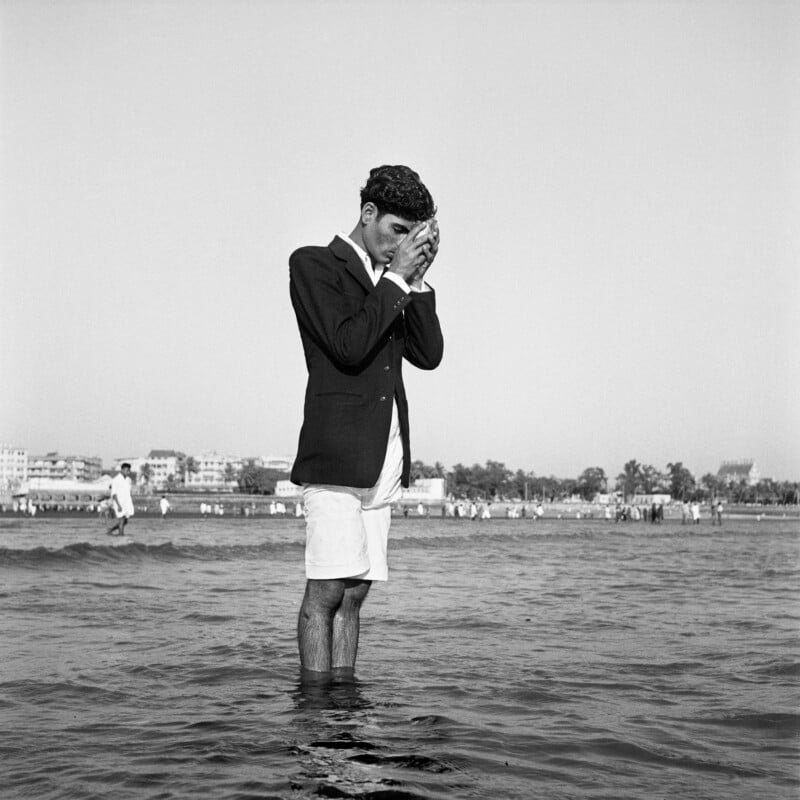
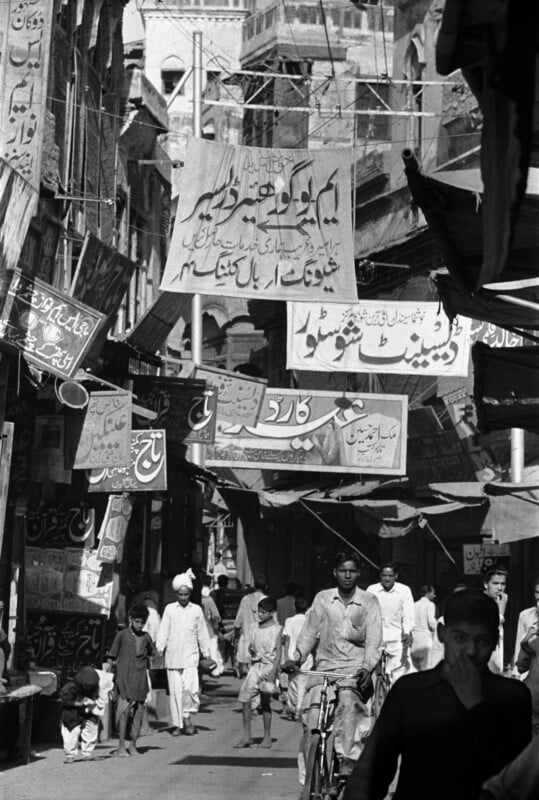
A new publication titled Frank Horvat. The Birth of a Photographer / La naissance d’un regard, released by Kehrer Verlag, brings to light a critical yet often overlooked chapter in the trajectory of one of the 20th century’s most visionary lensmen. The monograph compiles approximately 100 striking black-and-white photographs captured during Frank Horvat’s formative travels through India and Pakistan in 1952 and 1962.
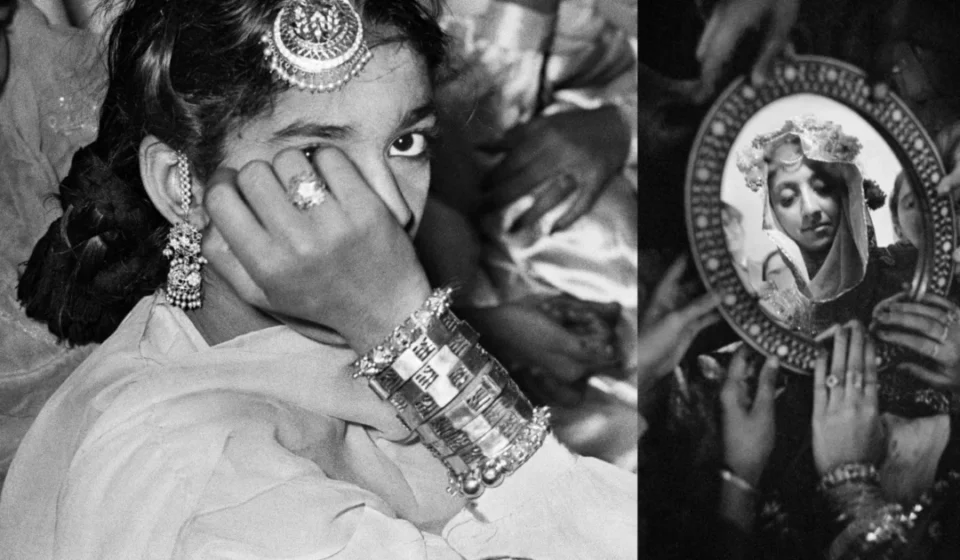
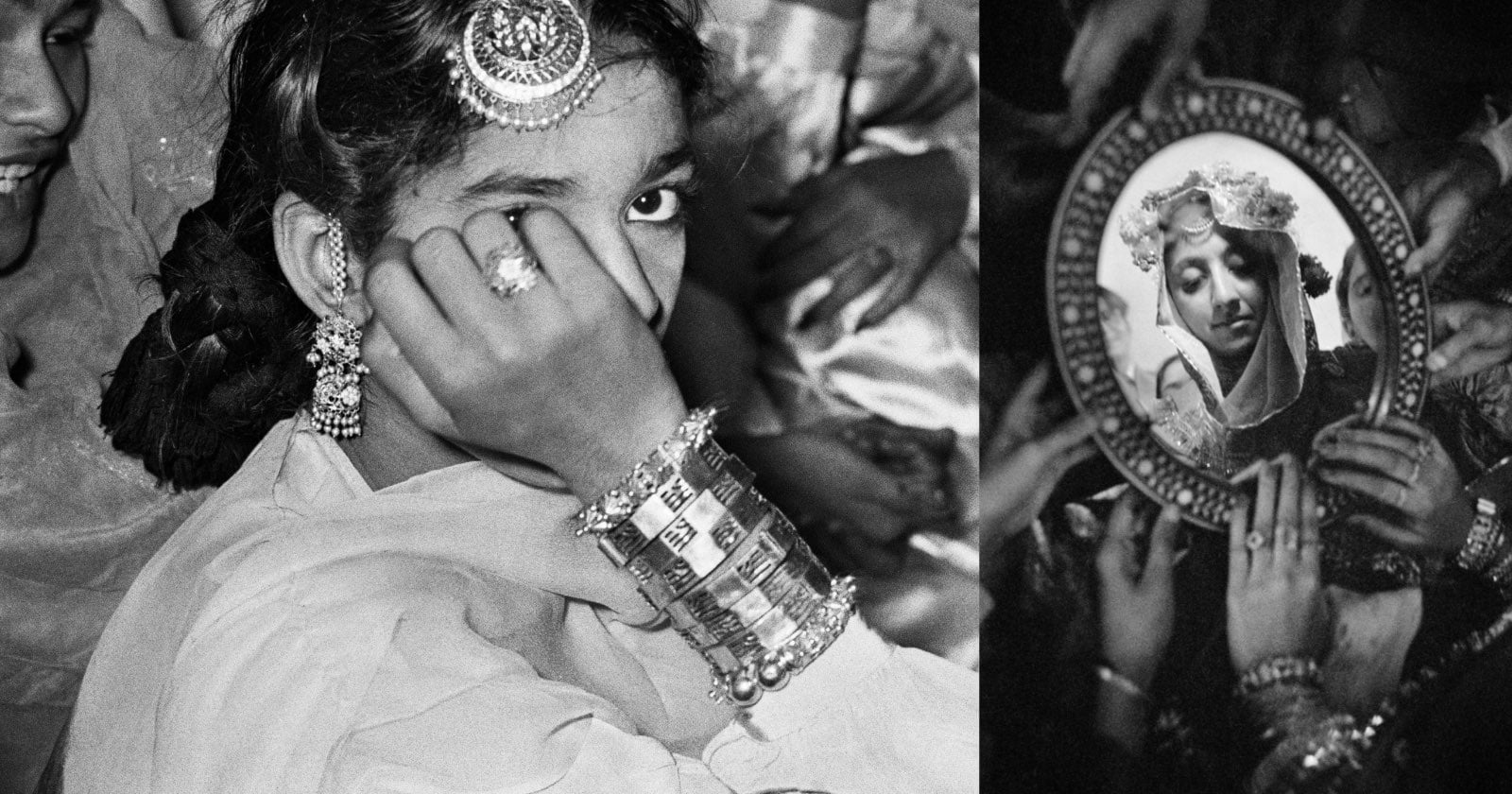
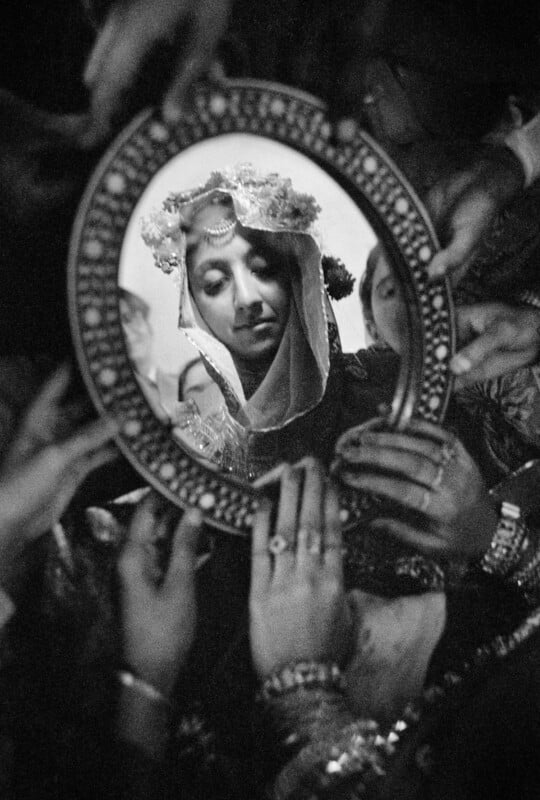
Best known globally for revolutionizing fashion photography by moving away from static studio setups and pioneering the use of 35mm film cameras and dynamic reportage techniques, Horvat’s early portfolio reveals a vastly different side of his artistry. These archival images—depicting everything from bustling bazaars in Lahore and intricate mirrors reflecting the face of a bride to contemplative moments in Bombay and Calcutta—demonstrate the profound humanitarian empathy and compositional rigor that underpinned his entire career.
Born in 1928 in Abbazia, Italy (now Opatija, Croatia), to a Hungarian Jewish family, Horvat lived through the crucible of the Second World War before embarking on an artistic journey that would redefine how the world looked at fashion, photojournalism, and portraiture. The release of this book offers scholars, photography enthusiasts, and contemporary artists a rare window into the incubation period of a master.
Chronology: From Refugee to Revolutionary
The Early Years and World War II
Frank Horvat’s path to the camera was shaped by displacement and survival. As a young Hungarian Jewish refugee during World War II, Horvat found himself navigating a fractured Europe. It was during this turbulent period in Switzerland that he had his first transformative exposure to South Asian culture, encountering Indian soldiers stationed in the region. This initial brush planted a seed of curiosity about a distant, vibrant subcontinent that would later materialize into a life-altering expedition.
The 1952 South Asian Expedition
In 1952, at the remarkably young age of 25, Horvat set out on what he would later describe as the definitive awakening of his artistic consciousness. He spent two arduous yet exhilarating years traversing India and Pakistan. Armed with a compact worldview and an insatiable desire to understand human rituals, landscapes, and daily existence, he immersed himself in local environments.
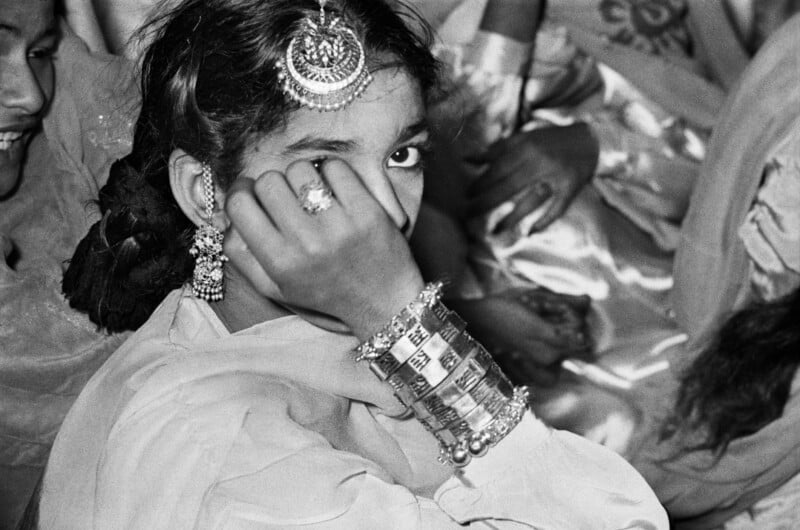
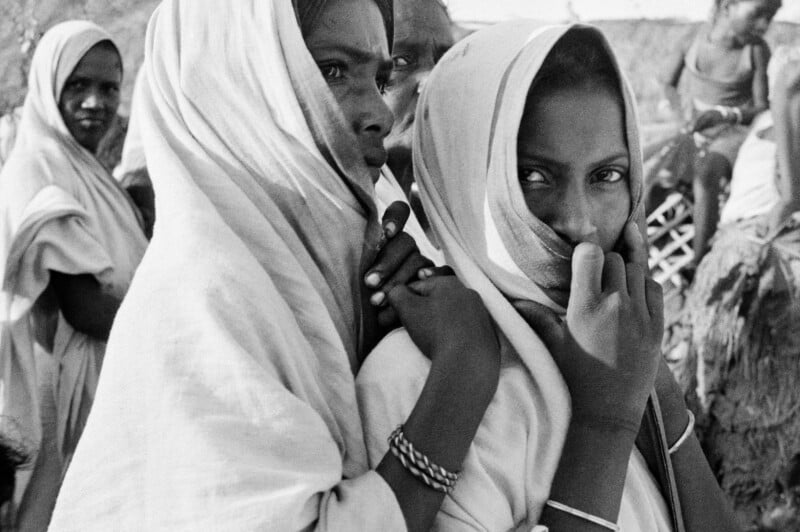
During this trip, Horvat captured a particularly poignant photograph of a bride in Pakistan. This specific image transcended travel reportage: in 1955, legendary curator Edward Steichen selected it for inclusion in The Family of Man, the monumental, globally touring photography exhibition at The Museum of Modern Art (MoMA) in New York. The recognition immediately launched Horvat onto the international stage, with his early South Asian reportage being syndicated and published across Europe and the United States.
Return in 1962 and the Fashion Revolution
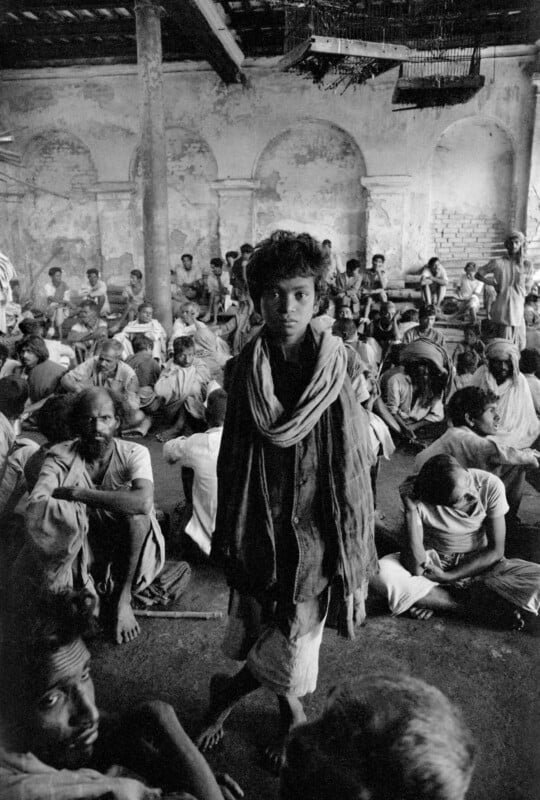
A decade later, in 1962, Horvat returned to India, continuing his documentary exploration of the subcontinent’s complex social fabric—from assembly gatherings in Calcutta to quiet portraits in rural Bihar. By the time he returned to Europe permanently to focus on his commercial career, Horvat was armed with a distinct visual grammar.
From the mid-1950s through the late 1980s, he became a titan of fashion photography. He injected the kinetic energy, psychological depth, and unpredictable lighting of street photojournalism into high fashion, working for major publications and shifting the paradigm from rigid elegance to cinematic storytelling.
Later Career, Innovation, and Legacy
Never one to stay confined to a single genre, Horvat’s immense opus spanned photojournalism, intimate portraiture, sweeping landscapes, nature studies, and sculpture. He was briefly associated with the prestigious Magnum Photos agency before relocating to Paris in the 1970s.
True to his restless creative spirit, Horvat continuously embraced technological evolution well into his later decades, experimenting enthusiastically with digital cameras and Adobe Photoshop. He actively curated, published, and exhibited his work until his death in 2020 at the age of 92, leaving behind an artistic legacy that bridges the gap between documentary truth and poetic editorial vision.
Supporting Data and Archival Overview
The newly published monograph, Frank Horvat. The Birth of a Photographer / La naissance d’un regard, provides a comprehensive look at the logistical and thematic scope of Horvat’s early travels. Key components of the collection include:
- Scale of the Archive: Approximately 100 carefully curated black-and-white photographs, many of which have remained unseen by the general public or underrepresented in retrospectives of his work.
- Geographic Reach: Documentation spanning urban centers and remote locations across India and Pakistan, including Lahore, Karachi, New Delhi, Bombay, Calcutta, and Bihar.
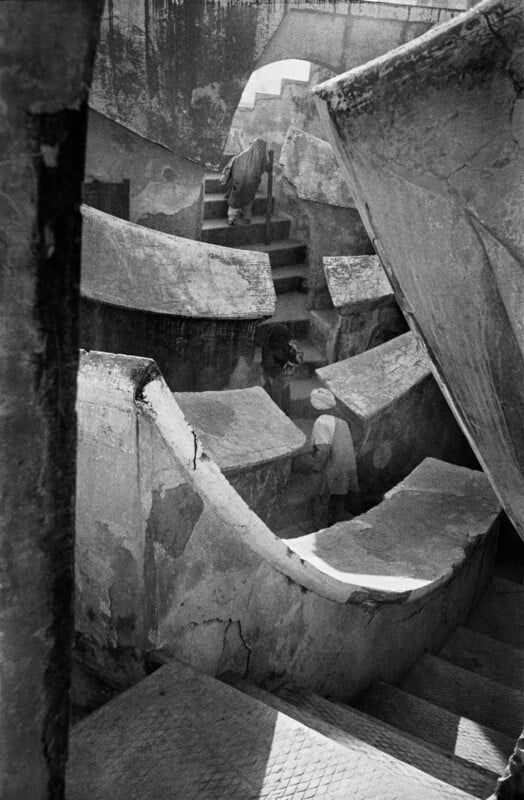
- Thematic Focus: Visual narratives exploring street life, traditional architecture (such as the Jantar Mantar observatory in New Delhi), religious devotion, intimate domestic spaces, and sociopolitical movements (such as gatherings featuring activist Vinoba Bhave).
- Historical Validation: The inclusion of his 1952 Pakistani bride portrait in Edward Steichen’s landmark 1955 MoMA exhibition, The Family of Man, serving as empirical proof of the artistic weight his early reportage carried even before his commercial ascendancy.
Official Statements and Reflections
The philosophical weight of Horvat’s early expeditions is best understood through his own reflections. Reflecting on the impact of his time in South Asia, Horvat famously noted:
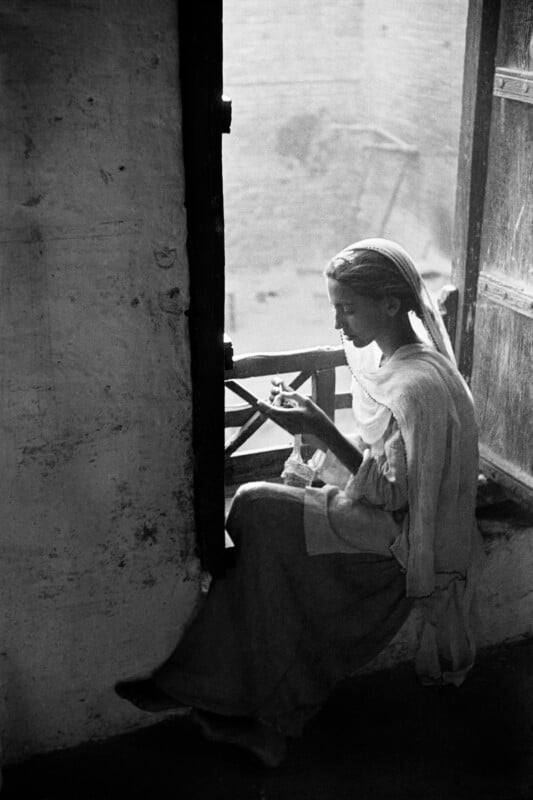
"It seems to me that these images ‘go beyond the subject’, and more generally, that this trip was the true starting point of my journey as a photographer."
Rather than treating India and Pakistan as exotic backdrops for picturesque travelogues, Horvat approached the region with profound humility. His objective was not merely to document surface-level appearances, but to capture the underlying emotional and spiritual resonance of his subjects.
Publishers at Kehrer Verlag echo this sentiment in the framing of the new book, emphasizing that The Birth of a Photographer is designed to correct the historical narrative that boxes Horvat exclusively into the category of a fashion auteur. By examining his roots in street documentary and photojournalism, the publication underscores that Horvat’s eye was forged through empathy long before it was adapted to couture.
Implications for Art History and Modern Photography
The publication of Frank Horvat. The Birth of a Photographer carries significant implications for how contemporary art historians, critics, and practitioners evaluate the evolution of 20th-century photography.
1. Deconstructing the "Fashion Photographer" Label
For decades, mainstream art criticism has tended to silo photographers based on their commercial output. Because Horvat spent decades defining the look of modern fashion publications, his early documentary work was frequently overshadowed. This monograph forces a critical re-evaluation, proving that his editorial genius was a direct byproduct of his documentary training. The framing, psychological intimacy, and mastery of available light that made his fashion shots revolutionary were first tested and refined on the dusty streets of Lahore and the crowded alleys of Calcutta.
2. A Blueprint for the 35mm Revolution
Horvat was among the vanguard of European photographers who recognized the artistic potential of the lightweight 35mm camera. At a time when commercial and editorial photography heavily relied on bulky, tripod-mounted medium-format equipment, Horvat’s South Asian portfolios demonstrated how mobility could foster spontaneity and emotional truth. The new book acts as a technical and philosophical masterclass in how reportage tools can be applied to human-centric storytelling.
3. Re-Examining the Ethics of the Western Gaze
In an era when the ethics of Western photographers documenting the Global South are under rigorous academic and cultural scrutiny, revisiting Horvat’s 1952 and 1962 archives offers a compelling case study. His images are distinguished by a palpable lack of condescension or ethnographic detachment; instead, they reflect a young refugee searching for universal human dignity in foreign lands. By bringing these images to the forefront today, Kehrer Verlag invites a modern audience to engage with a cross-cultural dialogue that values patience, observation, and profound respect over sensationalism.
Ultimately, Frank Horvat. The Birth of a Photographer does more than simply unearth lost negatives—it restores a missing chapter to the history of modern photography, reminding us that every master’s vision must first be born somewhere.