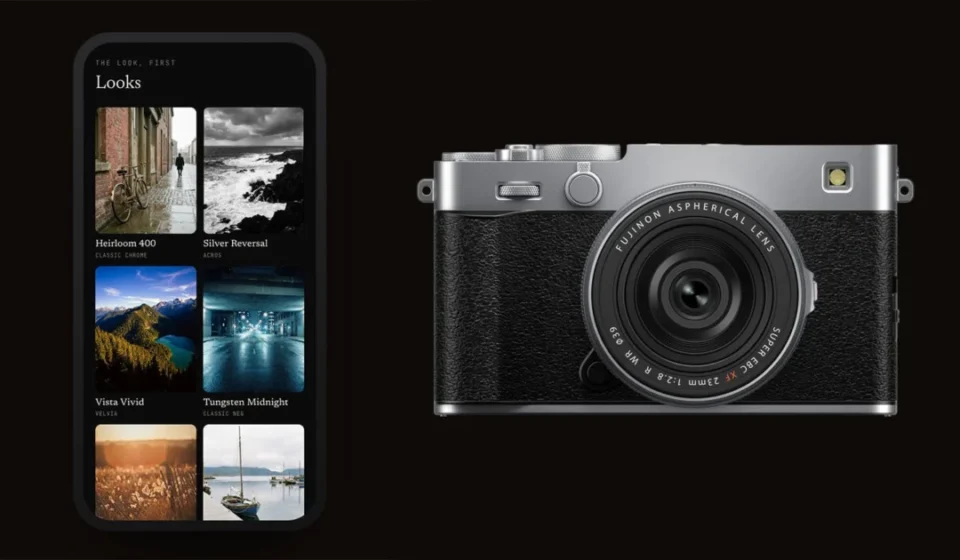
Meet Huginn: The New iOS App Bringing Seamless, Wireless Film Recipes to Fujifilm Cameras

For years, the dedicated community of Fujifilm shooters has shared a unique bond centered around a single, highly addictive creative outlet: custom film simulations. Often referred to simply as "recipes," these precise combinations of in-camera color science settings—simulating everything from classic Kodak Kodachrome to moody, muted cinematic stocks—have revolutionized how photographers approach digital capture. By dialing in specific parameters for grain effect, white balance, highlights, and shadows directly in-camera, shooters can bypass hours of tedious post-processing, capturing JPEGs with distinct, analog character straight out of the box.
However, the workflow of transferring these recipes from online forums, community databases, and mobile apps into actual camera bodies has historically been a tedious chore. Photographers have long had to manually punch in dozens of granular settings button-by-button, or rely on tethered desktop software solutions.
Enter Huginn, a groundbreaking new iOS and iPadOS application developed by The Forge. Promising to completely streamline this workflow, Huginn claims the title of the first-ever mobile app capable of wirelessly transmitting custom film recipes straight to Fujifilm cameras over Bluetooth.
Main Facts
- Wireless Transfer Innovation: Developed by The Forge, Huginn allows iPhone and iPad users to send custom film recipes directly to compatible Fujifilm camera bodies wirelessly via Bluetooth—a first for the ecosystem.
- Streamlined Connectivity: Once paired for the first time, the application intelligently recognizes and automatically reconnects to the user’s registered camera body.
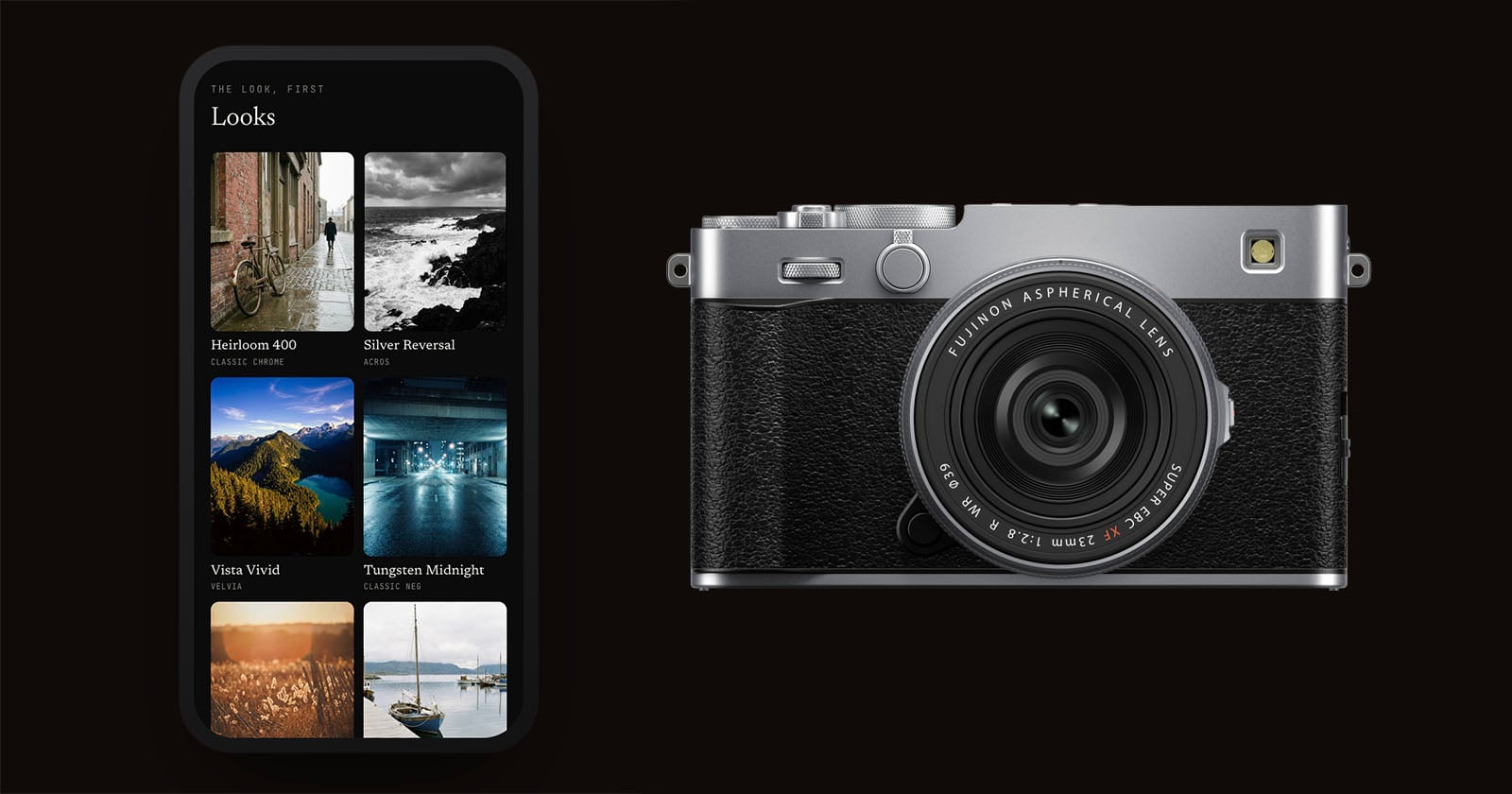
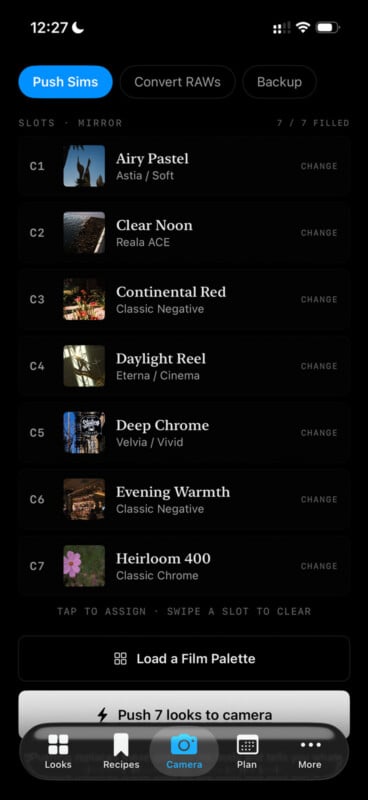
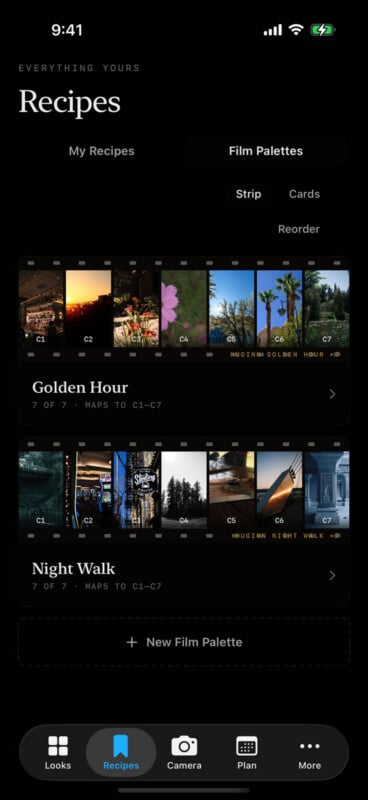
- Custom Slot Management: Users can browse community-created looks, select up to seven favorites, and seamlessly push them directly into the camera’s custom setting slots (
C1throughC7). - Comprehensive Parameter Control: The app supports deep customization based on Fujifilm’s underlying physics and software, including base Film Simulations (such as Provia, Velvia, or Classic Chrome), grain effects, Color Chrome, white balance shifts, highlight/shadow tones, sharpness, noise reduction, and clarity.
- Additional Tools: Beyond recipe syncing, Huginn features robust shoot-planning tools—such as golden hour tracking and weather integration—alongside iCloud synchronization across multiple Apple devices.
- Pricing and Availability: Available now on the Apple App Store as a free download, Huginn offers advanced features via a "Pro" subscription. A temporary introductory "founder rate" is priced at $19.99 per year, scheduled to increase to $29.99 annually.
Chronology: The Evolution of Fujifilm’s Recipe Workflow
To fully appreciate the significance of Huginn, it is helpful to look back at how Fujifilm shooters have managed their custom aesthetics over the years, and how software developers have attempted to bridge the gap between digital convenience and analog nostalgia.
The Manual Era (Pre-2023)
In the early days of Fujifilm’s resurgence with the X-Trans sensor architecture, photographers relied heavily on dedicated resource sites like Fuji X Weekly. Shooters would browse websites on their smartphones, find a recipe they liked—such as a nostalgic portra emulation or a high-contrast street look—and manually input values line-by-line into their camera’s menu system. While effective, updating a camera’s entire bank of custom slots (C1 through C7) could take up to 20 minutes of tedious menu navigation.
The Tethered Software Boom (2025)
As the popularity of film simulations skyrocketed, third-party developers began building solutions to ease the friction. Tools like the Fuji X Recipe Generator, Fuji Style, and updated versions of the Fuji X Weekly App launched features allowing users to configure recipes on their computers or mobile devices. However, these solutions came with a major physical limitation: they required users to tether their cameras via a USB cable, breaking the mobile-first workflow that many modern shooters prefer.
The Wireless Breakthrough (September 2026)
With the launch of Huginn in September 2026, The Forge solved the hardware bottleneck by leveraging Bluetooth low-energy protocols. By establishing a persistent, automatic wireless handshake between iOS devices and Fujifilm bodies, Huginn eliminated the need for cables entirely. This development marked a paradigm shift, aligning the camera configuration process with the fast-paced, mobile lifestyle of modern street, travel, and documentary photographers.
Supporting Data: Understanding the Ecosystem and Competitors
The landscape of Fujifilm customization utilities has become increasingly crowded. Below is a comparative look at how Huginn stacks up against alternative platforms currently serving the community:
| Application Name | Platform | Wireless Support (Bluetooth/Wi-Fi) | Tethered (USB) Required? | Primary Focus | Pricing Model |
|---|---|---|---|---|---|
| Huginn | iOS / iPadOS | Yes | No | Wireless recipe syncing & shoot planning | Free (Pro tier: $19.99/yr intro) |
| Fuji X Weekly App | iOS / Android | No | Yes (Recent update) | Recipe discovery & management | Freemium / Subscription |
| Fuji X Recipe Generator | Web / Mobile | No | Yes | Custom recipe formulation | Free / Ad-supported |
| Fuji Style | Web / Mobile | No | Yes | Community-curated looks | Paid / Subscription |
The Forge’s Broader Ecosystem
Huginn is not an isolated project. The team at The Forge is building an interconnected suite of utility applications tailored specifically for modern digital photographers:

- Huginn: The flagship iOS/iPadOS recipe transfer and shoot-planning app.
- Valkyrie: A dedicated, high-speed image culling application designed to help photographers quickly sort through massive libraries of raw files.
- Muninn: An upcoming macOS application currently in development, engineered specifically to help creators curate, manage, and showcase their finished photographic work.
Official Responses and Developer Insights
The development team behind The Forge designed Huginn to directly address user fatigue surrounding camera menu navigation. In statements accompanying the launch, the developers emphasized that the primary design goal was to remove barriers to creativity.
"We wanted to build something that honors the incredible craftsmanship of the online Fujifilm recipe community while leveraging modern smartphone capabilities," shared a representative for The Forge. "Photographers shouldn’t have to spend precious shooting time diving deep into nested camera menus or hunting down cables. With Huginn, your phone acts as an intelligent bridge—remembering your gear, organizing your favorite looks, and pushing them to your sensor in seconds."
Initial reception from early adopters and tech publications like DPReview has focused heavily on the convenience factor. Reviewers note that while third-party apps have slowly added direct-to-camera features over the last year, the omission of a reliable wireless connection was always the missing link. By cracking the Bluetooth integration for recipe parameter injection, The Forge has established a new benchmark for camera-companion software.
Implications for Fujifilm Shooters and the Photography Industry
The release of Huginn carries significant implications for both hardware manufacturers and independent software developers.
1. Elevating the "SOOC" (Straight-Out-of-Camera) Movement
Fujifilm’s corporate success over recent years has been heavily propelled by the viral growth of the "SOOC" photography movement on platforms like TikTok, Instagram, and Reddit. Younger generations of photographers, fatigued by heavy desktop post-processing in Lightroom or Capture One, are drawn to cameras that deliver finished, stylized aesthetic profiles immediately upon shutter release. Huginn pours fuel on this fire by making recipe experimentation frictionless, encouraging users to try new color palettes on the fly rather than sticking to safe defaults.
2. Pressure on Camera Manufacturers
Historically, camera manufacturers have been notoriously conservative regarding third-party software integrations and open API development. While Fujifilm offers its own official smartphone companion app (Fujifilm XApp), users have frequently criticized it for sluggish connectivity, cumbersome transfer speeds, and a lack of deep recipe management features. The success of independent apps like Huginn highlights a massive market demand for polished, developer-driven software ecosystems. It places subtle pressure on legacy camera brands to either open up their firmware protocols or drastically improve the native utility of their first-party mobile applications.
3. Monetization of Photography Utilities
With Huginn adopting a freemium model backed by an annual Pro subscription ($19.99 introductory founder rate, scaling to $29.99), it signals a broader shift in how utility software for niche creative hobbies is monetized. As mobile operating systems become more powerful, photographers are increasingly willing to pay recurring SaaS or annual subscription fees for software that genuinely saves them time in the field.
Conclusion
Huginn represents a major leap forward in how photographers interact with their gear. By bridging the gap between vast online aesthetic libraries and physical camera hardware via a slick, wireless iOS interface, The Forge has eliminated one of the most persistent minor annoyances in modern digital photography.
Whether Huginn will pressure legacy manufacturers like Fujifilm to build native, robust wireless recipe management directly into their own ecosystems remains to be seen. In the meantime, for iPhone-toting Fujifilm shooters looking to effortlessly swap out their C1 through C7 slots with the latest community-created film simulations, Huginn has instantly transformed from an intriguing utility into an essential pocket companion.