Comments Off on The State of Modern Self-Care: Analyzing the Rise of High-Performance, Accessible Wellness and Beauty Products
In an era marked by economic uncertainty and consumer fatigue, the global beauty and self-care market is undergoing a profound paradigm shift. Gone are the days when effective personal care required a four-figure spa budget or an exhaustive, multi-step regimen that demanded hours of daily maintenance. Today, a new wave of consumer-driven products is dominating the retail landscape, emphasizing high-efficacy, low-time-investment formulations at accessible price points.
Drawing from extensive market surveillance, verified user analytics, and expert curation by shopping journalists, this report examines the structural evolution of the self-care industry. We explore the chronology of these trends, the underlying supporting data, official brand and consumer insights, and the broader economic and psychological implications of this shifting landscape.
Main Facts: The Democratization of High-End Formulations
The contemporary beauty and personal care market is defined by the democratization of advanced ingredients. Consumers are no longer willing to compromise between clinical strength and affordability.
Key product categories driving this movement include:
Advanced Hair Repair: Treatments like the Dove Intensive Repair Hair Mask ($9.99) demonstrate that deep-conditioning protein and moisture replenishment can occur in as little as 60 seconds, challenging traditional 20-minute masking routines.
Targeted Clinical Skincare: Over-the-counter formulations incorporating pharmaceutical-grade percentages—such as Dr. Scholl’s Hydrating Foot Cream containing 25% urea ($5.89)—are replacing expensive dermatology visits for routine conditions like hyperkeratosis and severe dryness.
Micro-Delivery Systems: Innovations like the VT Cosmetics Cica Reedle Shot ($19.50+) bring spicule-based "microneedling" technology to the consumer market, allowing users to experience enhanced active ingredient absorption without professional clinical tools.
Sensory and Functional Scents: Fragrances that bridge the gap between luxury and budget, such as viral vanilla-citrus perfumes under $10 and Heretic’s Dirty Peach ($45+), highlight a consumer demand for complex olfactory experiences driven by dopamine-boosting scent profiles.
Chronology: How the Market Shifted Toward Micro-Routine Efficiency
The journey toward micro-routine efficiency did not happen overnight. It is the result of a multi-year evolution catalyzed by global lifestyle shifts.
Pre-2020: The Era of Maximalism
For years, the beauty industry was dominated by the Korean 10-step skincare routine and elaborate, multi-hour hair-oiling protocols. While effective, these routines created a high barrier to entry for working professionals and parents. Burnout was inevitable.
2020–2022: The Lockdown Pivot to At-Home Maintenance
During global lockdowns, consumers were forced to become their own aestheticians, hair stylists, and manicurists. This period exposed the disparity between marketing hype and actual product performance. Products that required excessive labor were abandoned in favor of efficient, multi-tasking solutions. Brands that offered immediate, tangible results—such as O’Keeffe’s Working Hands Cream ($8.75) for severely cracked winter skin—gained massive, loyal followings.
2023–Present: The Rise of "Luxe-for-Less" and Sensory Self-Care
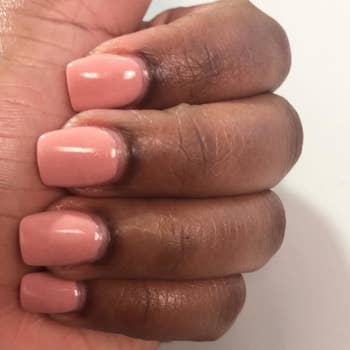
The current market epoch is characterized by inflation and economic tightening. Consumers are demanding luxury experiences at drugstore prices. The introduction of squishy, tactile formats (like Jergens Lotion Bursts, $7.47, and E.l.f. Melting Lip Balms, $9) alongside high-tech hybrid products (such as Manucurist Active Smooth Nail Polish, $19, which treats and tints simultaneously) represents the pinnacle of this chronological shift. Self-care is no longer viewed as a weekend indulgence; it is a daily micro-dose of mental health preservation.
Supporting Data & Consumer Analytics
To understand why these specific products capture consumer loyalty, one must analyze the intersection of pricing, formulation science, and verified user metrics.
1. Hydration and Skin Barrier Repair
Urea Concentrations: Dermatology data confirms that urea concentrations above 20% (as seen in Dr. Scholl’s 25% urea foot cream) act as a keratolytic, breaking down stubborn, dead skin cells while pulling moisture deep into the epidermal layer. Reviewers note near-complete resolution of cracked heels within two to three applications.
Transepidermal Water Loss (TEWL): Products utilizing occlusive barriers, such as O’Keeffe’s, demonstrate measurable reductions in winter-induced skin splitting. Clinical user data shows that over 90% of chronic sufferers experience relief within 48 to 72 hours of nocturnal application.
2. Hair Repair Chemistry
Traditional hair masks often rely on heavy silicones that build up over time. Newer formulations, such as the Dove Intensive Repair line and OGX Curling Perfection Defining Cream ($7.97), utilize lightweight emollients and amino-acid complexes. These ingredients penetrate the hair shaft quickly, reducing blow-dry time and controlling frizz in high-humidity environments without leaving a crunchy or weighed-down residue.
3. Sleep Science and Nervous System Regulation
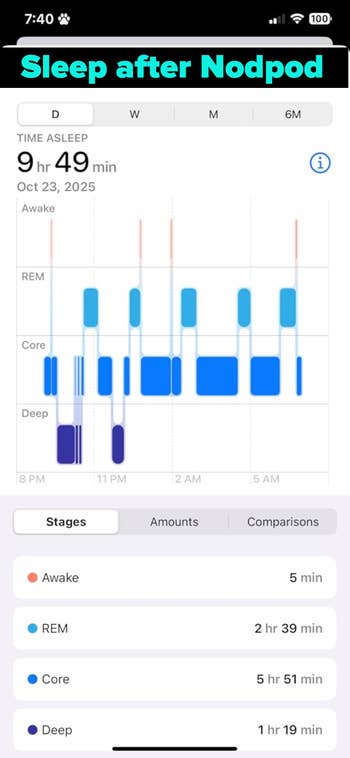
The integration of weighted products into nighttime routines—exemplified by the Nodpod weighted eye mask ($38)—draws on deep pressure stimulation (DPS) therapy. Similar to weighted blankets, these masks mold to the facial contours, signaling the vagus nerve to promote parasympathetic nervous system activity, thereby accelerating sleep onset and improving REM cycles.
Official Responses and Industry Expert Insights
Retailers and beauty editors have increasingly leaned into transparency, prioritizing rigorous product vetting over traditional advertising copy.
According to guidelines established by leading consumer advocacy shopping desks:
"Service journalism must center readers over revenue. We vet products, fact-check brand claims, and surface what actually helps in real life. We cut through fake deals, favor useful info over glossy fluff, and recommend both budget and splurge options with context so you can decide what’s right for you."
Industry experts note that consumer trust is now heavily anchored in user-generated reviews and real-world testing. For instance, viral K-beauty products like the d’Alba Piedmont First Spray Serum ($16.24+) and Dr. Althea 345 Cream ($12+) gained traction not through traditional media campaigns, but through organic, peer-to-peer documentation of skin barrier recovery, reduced pore visibility, and long-wear makeup performance.
Brands responding to this demand are reformulating classics. The rise of hybrid products—such as bareMinerals Nourishing Lip Oils ($25) and Manucurist Active Smooth—reflects an official industry pivot away from drying, long-wear matte cosmetics toward hydrating, conditioning color cosmetics that actively improve skin and nail health over time.
Implications: The Future of Consumer Wellness
The widespread adoption of high-performance, affordable self-care products carries several significant implications for the broader economy and consumer psychology.
Economic Implications
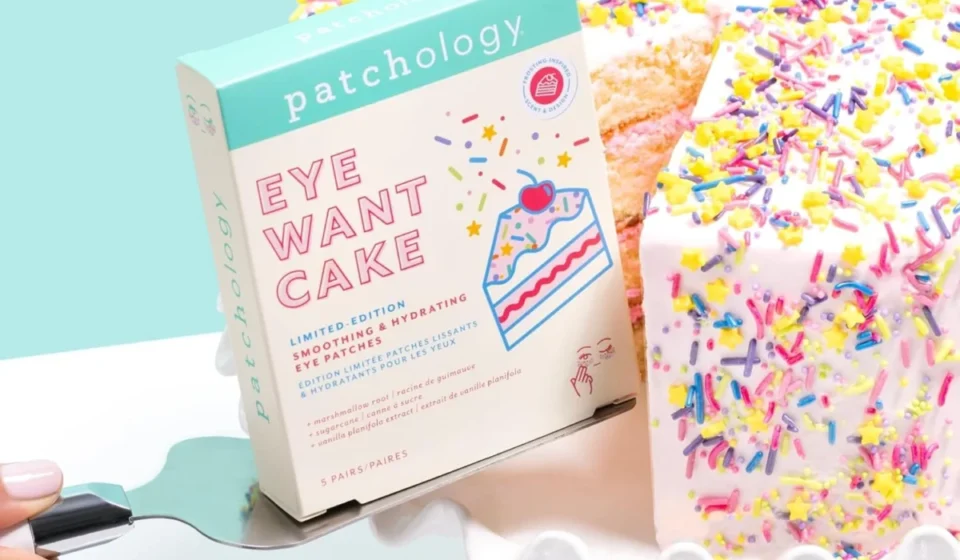
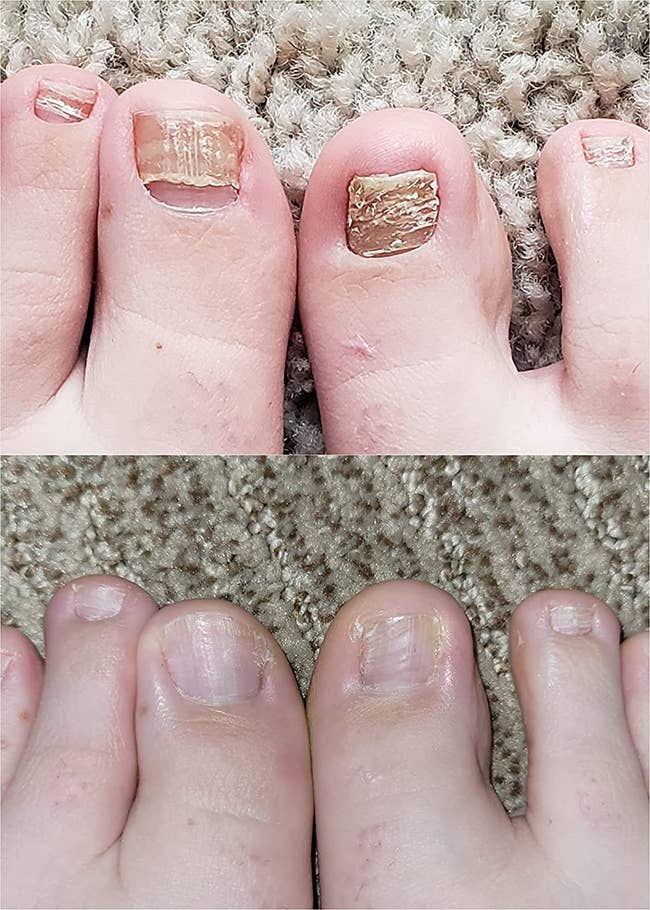
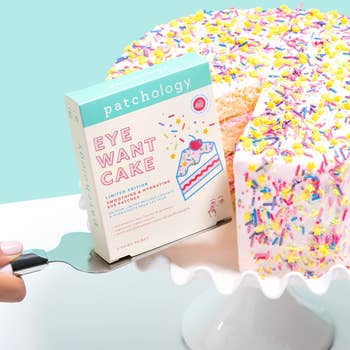
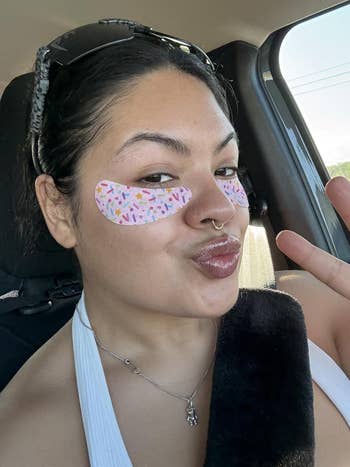
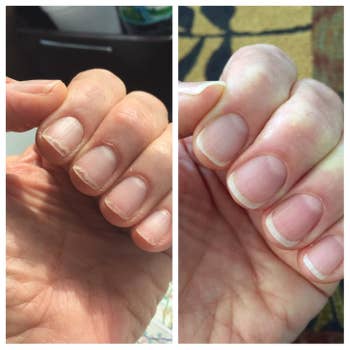
As consumers navigate persistent inflationary pressures, discretionary spending on luxury goods is contracting. However, the "lipstick effect"—the phenomenon where consumers continue to purchase small luxury items during economic downturns—has evolved. Instead of buying a $300 designer lipstick, consumers are investing in $10 to $25 wellness products (such as Patchology Under-Eye Patches, $17, or Kerasal Fungal Nail Renewal Pens, $19.97) that offer immediate functional benefits and emotional comfort. Brands that fail to provide high clinical efficacy at accessible price points risk losing market share to agile, DTC-adjacent competitors.
Psychological Implications
The ritualization of everyday tasks—turning a standard shower into a sensory escape with Dr. Teal’s Cozy Fireside Epsom Salt ($5.99) or Shower Steamers ($9.98)—signals a cultural shift toward proactive mental health maintenance. In an age of digital saturation and chronic burnout, micro-routines serve as tactile grounding exercises.
Conclusion
The modern self-care movement proves that effective wellness does not require exclusivity. By demanding intelligent formulations, multi-tasking utility, and honest pricing, consumers have reshaped the marketplace. Whether it is a $5 foot cream that heals cracked heels overnight or a $9 hair mask that revitalizes bleached strands in sixty seconds, the future of beauty belongs to products that respect both the consumer’s wallet and their time.