Navigating Personal Care in the Digital Age: A Comprehensive Analysis of Consumer-Driven Solutions

Main Facts
In the modern consumer landscape, the intersection of e-commerce, digital word-of-mouth platforms, and personal wellness has fundamentally transformed how individuals approach everyday hygiene and self-care. Recent data highlighting top-trending products across major online retail ecosystems reveals a significant cultural shift: consumers are increasingly seeking targeted, clinical-strength, and often previously taboo solutions for specialized bodily maintenance.

Rather than relying solely on traditional brick-and-mortar pharmacies or generalized beauty counters, shoppers are turning to peer-reviewed online marketplaces to address specific physical concerns. These range from chronic dermatological issues—such as keratosis pilaris, hyperhidrosis, and ingrown hairs—to functional anatomical challenges like digestive alignment and pelvic floor rehabilitation.
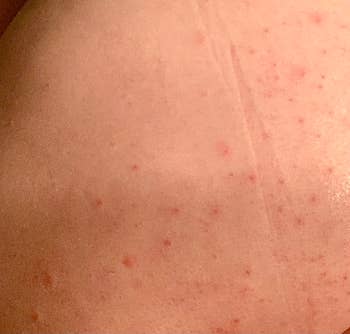
The market response has been swift. Brands focusing on niche personal care, once considered marginal or restricted to clinical settings, now command massive digital footprints with tens of thousands of five-star reviews. This trend underscores a broader societal move toward destigmatizing common physical ailments and embracing transparent, at-home maintenance routines.
Chronology of the Trend
The rise of specialized e-commerce wellness products did not happen overnight; it evolved through distinct phases over the past decade:
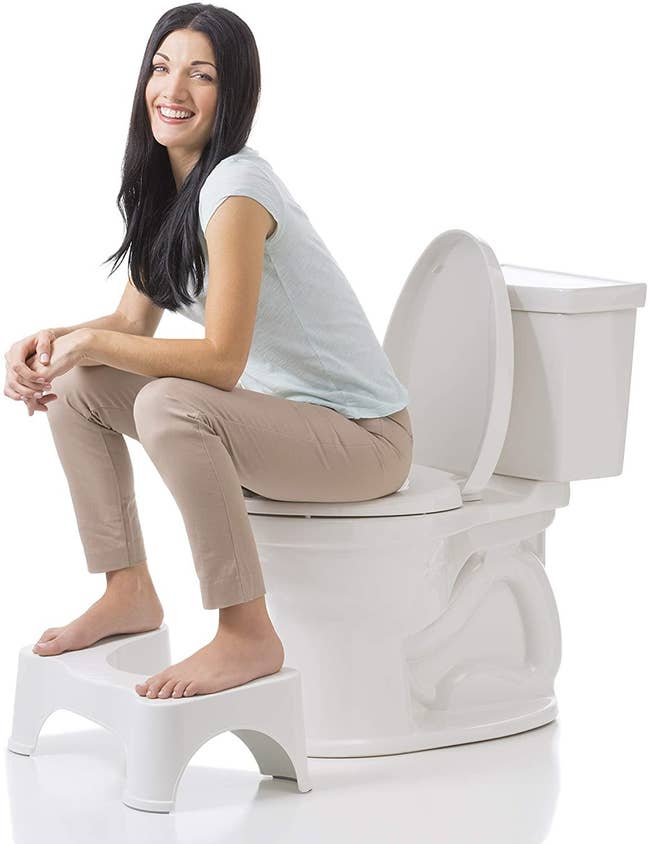
- The Early Digital Word-of-Mouth Phase (2012–2016): Innovations like the Squatty Potty and specialized clinical antiperspirants began gaining traction through viral marketing, unconventional educational advertising, and early consumer-review ecosystems. During this period, digital platforms broke down long-standing taboos regarding bathroom habits and excessive sweating.
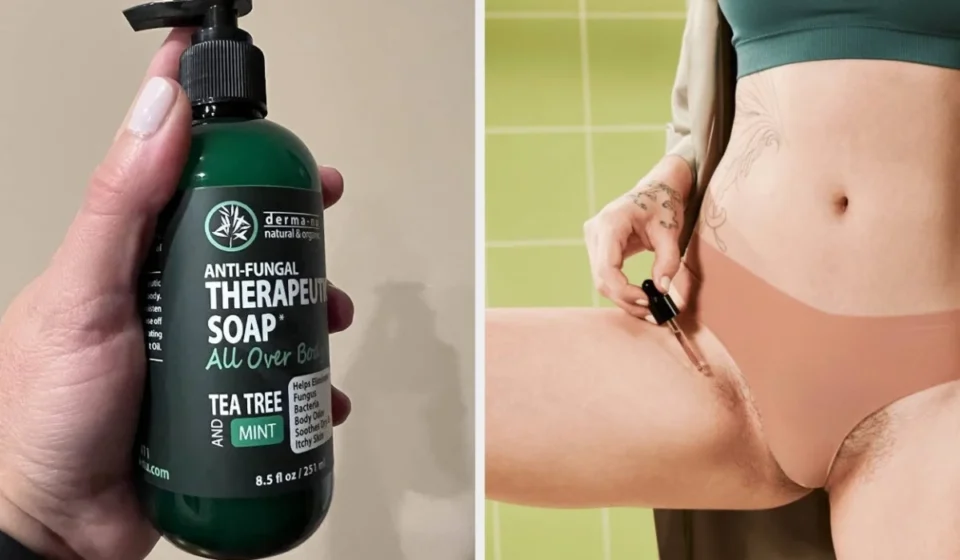
- The Skincare Granulation Era (2017–2020): Consumers began looking beyond facial care, sparking demand for targeted body treatments. Products designed for skin below the neck—such as acne-clearing lotions for thighs and rear ends, specialized pubic hair oils, and hydrocolloid blemish patches—gained mainstream acceptance.
- The At-Home Professional Care Boom (2021–Present): Accelerated by global lifestyle shifts toward home-based routines, consumers began seeking salon-grade results at home. Items ranging from high-frequency blackhead spatulas and professional callus-removing gels to targeted ingrown toenail braces and pelvic floor exercisers saw unprecedented sales surges, backed by rigorous user-generated documentation and video demonstrations on platforms like TikTok.
Supporting Data and Consumer Trends
The demand for these specialized personal care items is supported by staggering engagement metrics across digital retail platforms:

- High-Volume Validation: Many top-tier products boast tens of thousands of verified five-star reviews. For instance, specific oral rinses targeting post-nasal drip, vitamin C facial serums, and anti-dandruff treatments have accumulated upwards of 40,000 to over 100,000 top-tier ratings, signaling a high level of consumer trust and repeat purchasing behavior.
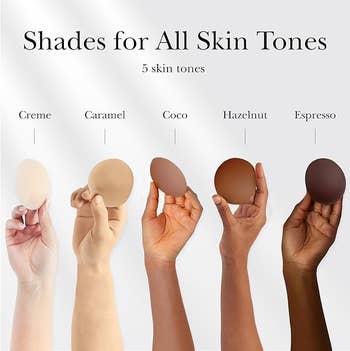
- Targeted Efficacy: Consumer data indicates that shoppers are willing to invest in premium or specialized price points ($10 to $45+) when products offer demonstrable mechanical or biochemical relief—such as moisture-wicking bra liners for under-boob sweat, or clinical-strength antiperspirant wipes providing up to seven days of protection against hyperhidrosis.
- Demographic Inclusivity: The reviewed product ecosystem reflects an expansive reach across demographics, addressing postpartum chapped lips, age-related hair thinning, infant cradle cap, and fitness-induced chafing for both men and women.
Official Responses and Medical Perspectives
While the e-commerce boom thrives on user testimonials and peer recommendations, medical and dermatological authorities continue to provide essential context regarding safety and efficacy:
- Dermatological Guidance: Organizations such as the American Academy of Dermatology (AAD) and the Mayo Clinic frequently weigh in on active ingredients like tea tree oil, salicylic acid, and chemical exfoliants. Experts emphasize the importance of patch-testing clinical-strength formulations, particularly when treating sensitive skin or managing conditions like seborrheic dermatitis (cradle cap).
- Gastrointestinal and Anatomical Health: Medical institutions, including the Cleveland Clinic, have validated the mechanics behind postural aids like toilet stools, noting that altering the anorectal angle via a squatting position can assist with pelvic floor relaxation and constipation relief.
- Informed Self-Care: Healthcare professionals generally support at-home maintenance tools—such as tongue scrapers and targeted hydrators—while advising caution with more invasive DIY procedures, such as improper extractions or nasal hair waxing, which carry minor risks of irritation if executed incorrectly.
Implications for the Future of Personal Care
The mainstreaming of specialized hygiene and wellness products carries profound implications for the retail sector and consumer culture at large:

- Destigmatization of Body Maintenance: Conversations surrounding excessive sweating, intimate chafing, pelvic health, and body acne are no longer confined to private medical consultations. The open exchange of solutions online has fostered a culture of transparency and proactive self-care.
- The Shift Toward At-Home Efficiency: As consumers experience professional-grade results from over-the-counter devices—such as ultrasonic skin scrubbers, callus-removing gels, and targeted hair-thinning powders—the traditional service-based economy faces increasing competition from direct-to-consumer alternatives.
- The Rise of Service Journalism: In an oversaturated digital marketplace, platforms that vet brand claims, provide contextual medical backing, and highlight real-life user experiences play a critical role in guiding consumer purchasing decisions safely and effectively.
Ultimately, the democratization of specialized personal care empowers individuals to curate customized wellness routines tailored to their unique anatomical and lifestyle needs, proving that modern self-care extends far beyond the surface.