Comments Off on The Rise of the "Bed-Rotting" Economy: How Home-Relaxation Products Became Essential Wellness Tech
In recent years, modern lifestyle discourse has undergone a radical shift. Concepts once dismissed as mere procrastination or fatigue have been reframed, reclaimed, and heavily commercialized. At the vanguard of this cultural pivot is the phenomenon of "bed-rotting"—the intentional, prolonged practice of staying in bed for an entire day to consume media, rest, or simply disengage from the pressures of late-stage capitalism. Far from being viewed strictly as a symptom of burnout or poor mental health, spending consecutive hours horizontal has evolved into an aesthetic, a restorative ritual, and a massive retail market.
According to market analysts, consumer spending on high-end bedroom comfort, ambient lighting, ergonomic support, and personal leisure tech has surged. What was once achieved with a pile of mismatched cushions and a laptop balanced precariously on one’s knees is now engineered using specialized consumer products. Retail data indicates that shoppers are investing heavily in curated indoor sanctuaries, transforming standard sleeping quarters into multi-functional media rooms, private planetariums, and personal spas.
Chronology of a Cultural Shift: From Procrastination to Planned Sanctuary
The evolution of the bed-centric lifestyle can be traced through distinct phases over the past decade, heavily accelerated by shifts in global labor models, remote work culture, and digital media consumption habits.
Pre-2020 (The Occasional Truant): Staying in bed all day was traditionally associated with being sick, nursing a hangover, or experiencing acute depressive episodes. It carried a cultural stigma of unproductiveness.
2020–2022 (The Pandemic Cocooning Era): Global lockdowns forced the bedroom to serve as an office, a gym, a movie theater, and a safe haven. The strict boundaries between sleep spaces and workspaces collapsed entirely.
2023–Present (The "Bed-Rotting" Reclamation): Coined largely on social media platforms like TikTok, the term "bed-rotting" was stripped of its clinical dread and reframed by Gen Z and Millennials as a deliberate act of self-care. Rather than hiding from the world out of despair, individuals began scheduling days dedicated entirely to horizontal leisure, prompting manufacturers to design dedicated hardware for this specific lifestyle.
Supporting Data and Market Trends: Engineering the Horizontal Experience
The commercial response to this cultural movement is underscored by a massive influx of specialized products designed to optimize comfort, minimize physical strain, and enhance sensory environments. Industry metrics from major e-commerce platforms show sustained consumer demand across several distinct product categories tailored specifically for extended horizontal living.
1. Sensory Modification and Sleep Tech
Transformative lighting and sound management have become foundational for users attempting to separate their leisure space from the outside world.
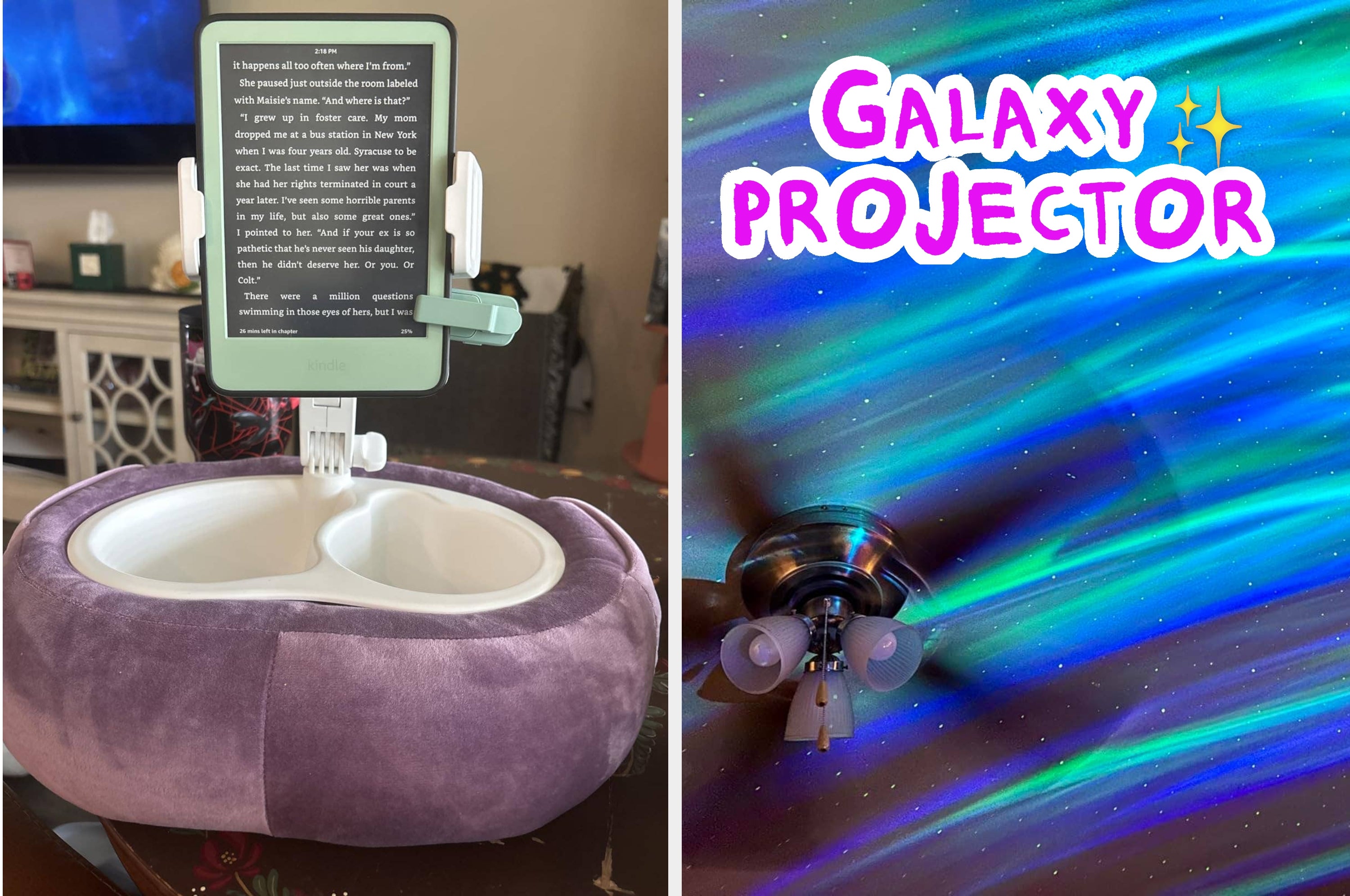
Galaxy Projectors and Ambient Lighting: Devices that project swirling auroras and star fields onto ceilings—often integrated with Bluetooth speakers and white-noise generators—have captured a significant market share. Priced generally around $35, these units allow users to alter the spatial perception of a standard bedroom.
Smart Sleep Systems: High-end integrations, such as advanced sunrise-simulation alarm clocks and programmable sound-and-light hubs (retailing upwards of $160), cater to consumers seeking structured wind-down and wake-up routines.
2. Ergonomic Support and Extended Immersion
Lying down for prolonged periods presents distinct physical challenges, notably neck strain, back fatigue, and device-holding exhaustion.
Backrest Pillows and Lap Desks: Purpose-built reading pillows featuring memory foam stuffing, integrated armrests, and deep side pockets ($50) eliminate the traditional "Jenga tower" of standard bed pillows. Paired with beanbag-based lap desks ($30) that accommodate 16-inch laptops and tablets, users can maintain structural stability without placing thermal strain directly onto their bodies.
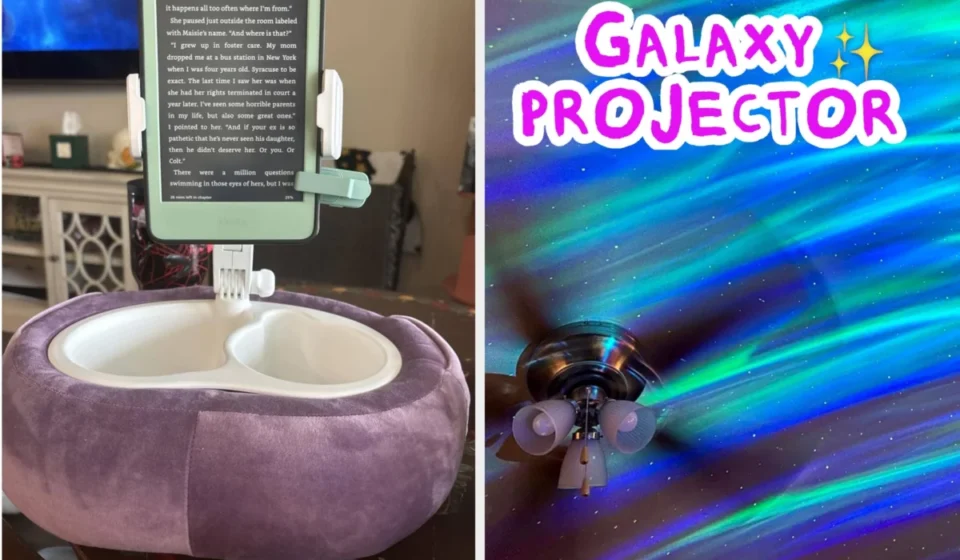
Specialized Furniture and Holders: Plush, cushioned tablet stands equipped with detachable, dishwasher-safe snack bowls and beverage holders ($40) address the logistical friction of grazing while streaming content. Similarly, hanging bedside organizers ($13) effectively replace traditional nightstands, centralizing remotes, phones, and hydration within a two-foot radius of the pillow.
3. Climate Control and Textile Luxury
Maintaining physical comfort during multi-hour media marathons requires advanced temperature regulation and skin-friendly textiles.
Cooling Technology: Machine-washable cooling mattress toppers ($40) and gel-infused headache caps ($30) combat the heat buildup associated with memory foam and extended resting periods.
High-End Linens and Sleep Masks: Pure mulberry silk pillowcases ($53), hand-knit heavy cotton weighted blankets ($199), and contoured blackout sleep masks with zero-pressure eye cups ($24) represent a substantial shift toward luxury self-care investments. Consumers are increasingly willing to pay premium prices for items that promise friction-free skin, frizz-free hair, and total light elimination.
Official Responses and Expert Perspectives
While lifestyle influencers and internet culture celebrate bed-rotting as the ultimate form of self-care, medical and psychological professionals offer a more nuanced view regarding prolonged sedentary behavior.
"Rest and intentional downtime are vital components of emotional regulation and recovery from chronic stress," notes Dr. Elena Vance, a behavioral psychologist specializing in modern lifestyle habits. "However, when the bed—which neurological cues dictate should be associated with sleep—becomes the primary site for work, eating, and 10 hours of consecutive screen time, it can paradoxically lead to sleep hygiene degradation and heightened feelings of lethargy."
Conversely, ergonomic specialists have praised the engineering behind modern lounging accessories. Physical therapists point out that while staying in bed is inherently sedentary, utilizing structured support tools—such as wedge backrests, weighted eye masks, and proper lap desks—significantly reduces the musculoskeletal strain caused by slumping or twisting to view screens at unnatural angles.
Implications for the Future of Consumer Goods
The mainstream normalization of horizontal leisure carries profound implications for multiple retail sectors.
Blurring Boundaries: The traditional architectural separation of rooms is continuing to dissolve. As bedrooms become self-contained ecosystems equipped with mini-fridges, entertainment projectors, mug warmers, and snack canteens, the necessity of leaving the bedroom for basic sustenance diminishes.
The Wellness Economy Pivot: Wellness is no longer restricted to the gym, the spa, or the yoga studio. The domestic sphere is being aggressively re-engineered for passive recovery. Brands that traditionally marketed products strictly for travel or office use are pivoting toward "in-bed productivity and leisure."
Economic Resilience: Even amidst broader economic caution, discretionary spending on low-cost luxury items—such as $16 linen sprays, $20 satin pajama sets, and $30 lap desks—remains resilient. Consumers view these relatively inexpensive purchases as high-yield investments in their daily comfort and psychological well-being.
Ultimately, the bed-rotting economy demonstrates that modern consumers are willing to invest capital into making their downtime as optimized, comfortable, and aesthetically curated as their professional lives. Whether viewed as a temporary cultural fad or a permanent restructuring of domestic habits, the market for horizontal living is firmly entrenched in the modern retail landscape.