Redefining Luxury: Inside the Smart Meetings Luxury Experience 2026 at Loews Coral Gables

In an industry often defined by spreadsheets, logistical precision, and the relentless pursuit of perfection, the concept of "luxury" is frequently reduced to a checklist of high-end amenities: five-star ratings, premium champagne, and gourmet culinary offerings. However, as the global meetings and events sector evolves, a paradigm shift is underway. For the modern meeting professional, the most coveted luxuries are no longer just tangible goods; they are time, authentic connection, and the spark of inspiration.
This evolution in thought served as the cornerstone of the Smart Meetings Luxury Experience 2026, held at the sophisticated Loews Coral Gables in Miami. The event acted as a high-level summit, gathering a curated assembly of elite meeting planners and industry suppliers for a multi-day journey of education, strategic business appointments, and experiential networking designed to redefine what it means to host an unforgettable event.
Main Facts: A Convergence of Minds and Strategy
The Smart Meetings Luxury Experience 2026 was designed to be more than a typical industry conference. By positioning the event at the intersection of high-touch service and strategic education, organizers sought to provide a roadmap for the future of the meetings industry.
The event’s core objective was to facilitate "meaningful friction"—the kind of productive interaction that happens when industry leaders are placed in an environment that encourages them to drop their guards, embrace vulnerability, and engage in high-stakes problem-solving. Over the course of the summit, participants engaged in a series of one-on-one business appointments, which remain the lifeblood of industry growth. These sessions were complemented by keynote presentations that challenged the status quo, effectively bridging the gap between operational logistics and human-centric design.
For the planners in attendance, the Loews Coral Gables served as both a host venue and a case study. The property’s architecture and service culture provided a tangible backdrop to the discussions on anticipation—the hallmark of true luxury.
Chronology: A Journey Through Transformation
Sunday: Setting the Stage for Possibility
The event commenced with an "Instant Start to Smart" session led by Rachel Druckenmiller, a Certified Speaking Professional (CSP) and renowned leadership trainer. Druckenmiller’s message was immediate and jarring in the best way possible: meeting professionals often act as the primary architects of their own limitations.
"We are capable of so much more than we give ourselves credit for," Druckenmiller noted during an interview with Smart Meetings TV host Mike Lyons. Her curriculum focused on the psychology of professional growth, urging attendees to identify the internal narratives that prevent them from reaching their full potential. She challenged attendees to say "yes" to the experiences that demand growth, rather than the ones that provide comfort.
The afternoon session pivoted to luxury brand strategist and author Neen James, who delivered a powerful keynote titled "Step Up Your Smarts." James dismantled the traditional, wealth-based definition of luxury. Drawing from her upbringing in a resource-constrained environment, she shared how her mother’s habit of placing fresh flowers in a trailer home created an environment of elegance and care. For James, luxury is the intentional act of making someone feel seen, valued, and prioritized.

The day concluded with a high-energy networking reception on the hotel patio. With live music, curated culinary offerings, and bespoke takeaways—such as personalized pins and pashminas—the event established an atmosphere where business networking felt like an organic extension of social interaction.
Monday: Breaking Boxes and Building Resilience
Monday morning marked a shift toward grit and strategic adaptation. JT Long, Vice President and Content Director of Smart Meetings, opened the day by challenging the audience to define their specific intentions for the summit, prompting a collaborative environment where planners and suppliers began to see their roles as partners in a shared ecosystem.
The keynote speaker, former NFL player Justin Forsett, brought a unique perspective on navigating the "shadows" of professional life. Forsett argued that greatness is often incubated in the face of adversity. He introduced the concept of the "box breaker," urging meeting professionals to move past the rigid industry standards that often stifle creativity. "There’s strength in being vulnerable with the right people," Forsett stated, encouraging the attendees to cultivate their "huddle"—a support network of peers who offer perspective during times of industry volatility.
The afternoon was dedicated to the core business of the event: high-velocity one-on-one appointments. These sessions moved beyond simple vendor-client pitches, evolving into deep-dive conversations about collaborative solutions for the challenges of 2026 and beyond.
Monday Evening: The Miami Experience
As the sun dipped over the Miami skyline, the venue shifted from the ballroom to the water. A private excursion to Bayfront Park for an evening aboard the Seafair megayacht served as the event’s "wow" factor. By integrating high-end experiential elements, the organizers demonstrated that the most effective networking doesn’t happen behind a podium, but through shared, memorable moments that foster deep human connection.
Supporting Data: The Value of the "Luxury Experience"
The success of the 2026 summit is reflected in the shifting metrics of the event planning industry. According to industry analysis, events that prioritize "experiential design" over standard logistics report a 30% higher engagement rate among attendees.
At the Loews Coral Gables, the property tour provided a firsthand look at how physical space influences behavior. By showcasing flexible meeting spaces that allow for both intimate breakout sessions and large-scale activations, the tour demonstrated the power of "anticipatory design"—a principle where the environment is curated to meet a guest’s needs before they even express them. This data-driven approach to hospitality is what distinguishes luxury properties from standard commercial venues in the current market.
Official Responses and Perspectives
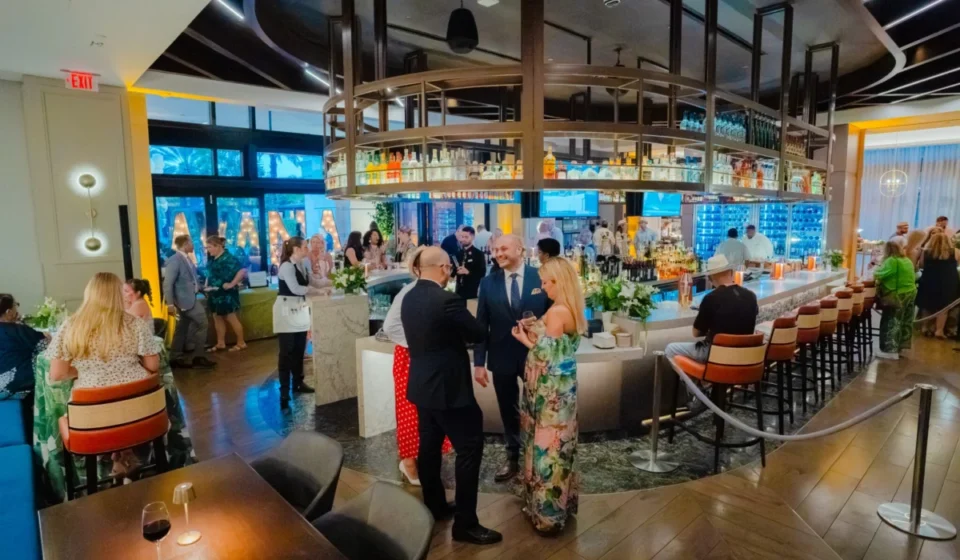
Donna Masiulewicz, owner of Timeline Meetings and Events, captured the sentiment of many attendees when she reflected on the importance of the summit. "The Smart Meetings Luxury Experience is a great opportunity to meet new suppliers, reconnect with old ones and network with meeting planners that I don’t get to see that often because I’m always so busy," Masiulewicz observed. "The destination is fabulous, and so are all of the suppliers."
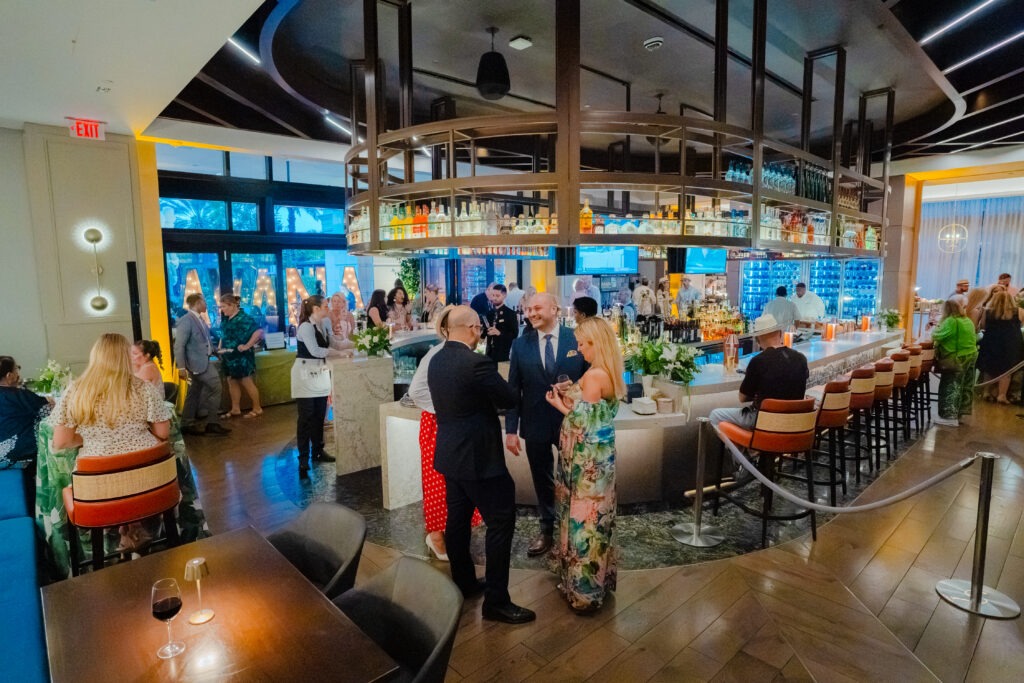
The consensus among the attendees was clear: the industry is currently in a state of flux, and the ability to connect in person is a high-value commodity. For suppliers, the event provided an unfiltered feedback loop, allowing them to hear directly from planners about the pain points in the current booking landscape and the desire for more customized, "VIP by design" experiences.
Implications: The Future of Luxury in Meetings
The Smart Meetings Luxury Experience 2026 leaves the industry with several critical implications for the years ahead.
1. The De-commoditization of Luxury:
Luxury is no longer about the price point of the hotel room or the quality of the linen. It is about the level of personalization. Planners who can offer experiences that feel bespoke to each attendee will win the market. As Neen James suggested, the small, thoughtful gestures are the new gold standard.
2. Resilience as a Professional Core Competency:
Justin Forsett’s message regarding vulnerability and the "huddle" is increasingly relevant. As the industry faces pressures from technological shifts and economic fluctuations, the ability to build a supportive, professional network is not just a nice-to-have; it is a critical survival skill.
3. The Return to Human-Centric Design:
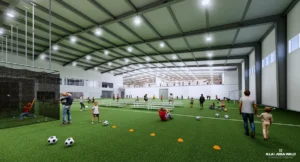
The use of the Seafair megayacht and the focus on team-building at Five Iron Golf highlighted a growing trend: the "third space." Meetings are no longer confined to the meeting room. Successful events of the future will integrate the destination and the social experience into the formal programming, ensuring that the return on investment (ROI) is measured not just in contracts signed, but in relationships strengthened.
4. Anticipation as the Ultimate Service:
The most significant takeaway from the Loews Coral Gables property tour was the focus on preemptive service. For meeting planners, the goal should be to design experiences that eliminate friction. Whether it is through seamless check-in processes, intuitive room layouts, or personalized dietary considerations, the luxury of the future is the luxury of convenience.
Conclusion
As the industry looks toward the latter half of the decade, the Smart Meetings Luxury Experience 2026 serves as a bellwether for what is to come. By stripping away the superficial layers of "luxury" and focusing on the human elements—vulnerability, resilience, and connection—the summit provided a masterclass in modern event management. Coral Gables offered the elegant, elevated backdrop, but it was the collective intelligence and the shared resolve of the participants that redefined the standard. The future of the meetings industry is not found in the luxury of the decor, but in the richness of the connections we build while we are there.