
In the high-stakes world of event planning, the "wow factor" of a gourmet meal is often the centerpiece of an attendee’s experience. However, beneath the artistry of plated dinners and the efficiency of large-scale banqueting lies a critical, often overlooked operational pillar: food safety.
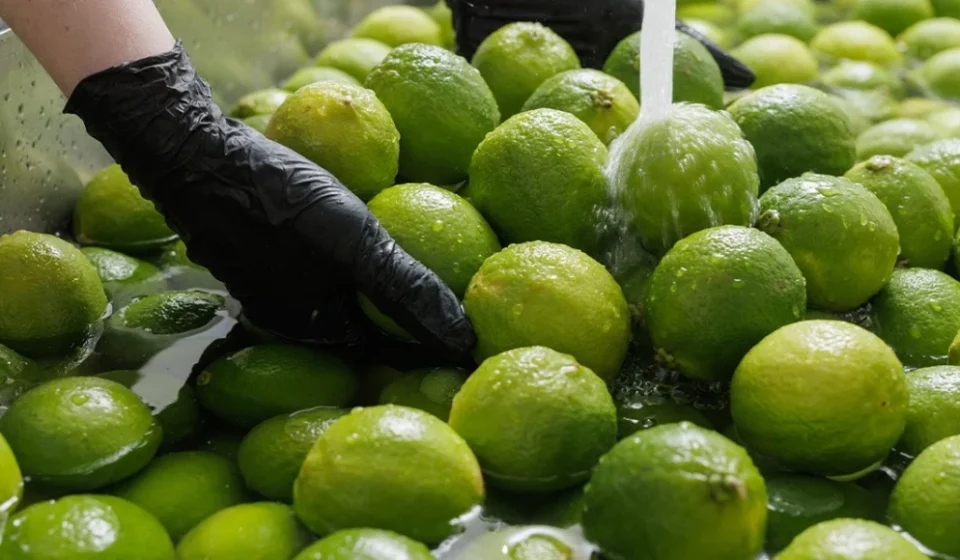
The recent, large-scale recall of iceberg lettuce sourced from central Mexico and distributed by Taylor Farms de Mexico has served as a sobering wake-up call for the meetings and events industry. With the recall linked to a significant Cyclospora outbreak—resulting in over 11,000 illnesses, nearly 500 hospitalizations, and two tragic deaths across 20 states—planners are now confronting a fundamental question: When a food safety crisis strikes, are our venues and catering partners truly prepared to protect our guests?
The Anatomy of a Crisis: Chronology of the Lettuce Recall
The timeline of the Taylor Farms incident illustrates how rapidly a food safety issue can escalate into a public health crisis.
- Initial Detection: Public health officials began noticing a spike in Cyclospora—a parasite that causes intestinal illness—during the summer months.
- Traceback Operations: The FDA and CDC initiated intensive investigations to pinpoint the source. Through supply chain documentation, investigators linked the infections to specific iceberg lettuce batches distributed by Taylor Farms.
- The Recall Trigger: As the epidemiological data solidified, a formal recall was issued. The reach was expansive, affecting food-service operations across 31 states.
- The Industry Impact: For event planners, this was a logistical nightmare. Venues that had purchased the product had to immediately identify if it was in their inventory, isolate it, and source safe alternatives—all while continuing to execute events for hundreds or thousands of attendees.
While the FDA confirmed that the contaminated product was removed from the marketplace, the incident highlights a broader, systemic vulnerability in the event supply chain.
The Financial and Ethical Weight of Food Safety
Tracy Stuckrath, founder of thrive! meetings & events, notes that while food and beverage (F&B) is almost universally the largest single line item in an event budget, it rarely receives the scrutiny its cost—or its risk profile—demands.
"It is our number one expense," Stuckrath explains. "Yet, planners often delegate the ‘how’ of food safety entirely to the venue. In today’s climate, that is a risk we can no longer afford to take."
The implications are not just financial. A foodborne illness outbreak at a conference can cause irreversible reputational damage to an organization, trigger legal liability, and, most importantly, compromise the physical wellbeing of guests. As event professionals, the mandate to provide a safe environment must extend to the very ingredients on the buffet line.
Proactive Inquiry: Questions Planners Must Ask During the RFP Process
To move from reactive management to proactive safety, planners must integrate food safety into their Request for Proposal (RFP) process. Instead of viewing food safety as a post-contract formality, it should be a primary vetting criterion.
Mary Cline, vice president of national sales at Wolfgang Puck Catering, suggests that the most effective conversations are often the simplest. "One of the best questions a planner can ask is simply, ‘Tell me about your approach to food safety,’" she says.
Beyond the general approach, planners should be prepared to ask specific, probing questions:
- Traceability: "Can you demonstrate your ability to trace an ingredient from a single menu item back to the original supplier and lot number?"
- Incident Response: "What is your formal, written protocol for responding to a national food recall? Who is the point person for these communications?"
- Certification: "Are your kitchen leads, banquet managers, and stewards current on ServSafe or equivalent national food safety certifications?"
- Supply Chain Vetting: "How do you vet your secondary suppliers, and do you require them to meet specific food safety benchmarks?"
Official Responses and Operational Transparency
Industry leaders like Caesars Entertainment and Wolfgang Puck Catering are setting the gold standard for how venues can provide the transparency planners need.
Eric Vaughn, executive director of culinary operations for the Las Vegas region at Caesars Entertainment, emphasizes that safety is "engineered into the workflow, not added later." Caesars maintains a dedicated food safety manager, and their leadership team—from executive banquet chefs to stewards—holds rigorous ServSafe Manager certifications.
Perhaps most impressive is their investment in technology. Caesars employs a real-time digital refrigeration-monitoring system. This network of sensors generates automated text and email alerts the moment a refrigerator or freezer deviates from established safety temperatures. This data-driven approach removes human error from the equation, providing a quantifiable level of assurance that is invaluable to a planner.
Vaughn notes that Caesars can provide planners with:
- Third-party audit results for their kitchen facilities.
- Documentation of staff training logs.
- Detailed logs of ingredient origins for any given event, down to the specific lot number.
Similarly, Wolfgang Puck Catering relies on a robust combination of supplier relationships and procurement systems. "Those relationships, combined with supply chain traceability tools, give us visibility into where ingredients are coming from and help us stay informed about potential concerns before they reach our kitchens," Cline notes.
Managing a Recall in Real-Time
What happens when the worst-case scenario occurs? The protocols utilized by elite caterers provide a blueprint for crisis management.
When a recall is issued, the first step is an immediate audit. "As soon as we become aware of a recall, our teams work quickly with suppliers, distributors, and culinary leaders to determine whether any affected product has entered our supply chain," says Cline.
If a contaminated product is discovered in the inventory:
- Quarantine: The product is physically removed from all storage and preparation areas.
- Notification: The planner is immediately informed. Transparency is the key to maintaining trust.
- Substitution: The culinary team pivots to find a replacement that maintains the flavor profile and intent of the dish, ensuring the event experience remains high-quality despite the disruption.
- Documentation: The facility follows strict supplier instructions for returning or disposing of the affected items, creating a paper trail for future auditing.
The Role of Communication
Even with the best systems in place, communication remains the final, critical link in the food safety chain. Planners should establish a clear communication loop with their venue counterparts long before the event begins.
"Before the event begins, everyone should know who the key contacts are and how information will be shared if questions arise," Cline advises. This includes identifying the person responsible for allergen labeling, temperature monitoring, and supply chain updates.
Once on-site, the "daily touch-base" is essential. By holding brief, focused meetings between the planner and the banquet chef or catering manager, both parties can discuss any last-minute changes to the menu, updates on potential supply issues, or concerns regarding attendee dietary restrictions.
Implications for the Future of Event Planning
The industry is currently witnessing a paradigm shift. Food safety is transitioning from a "back-of-house" operational necessity to a "front-of-house" planning priority.
As we move forward, the "Taylor Farms effect" serves as a permanent reminder of the fragility of the food supply chain. Planners who prioritize these conversations—who treat food safety as a core component of their event strategy—not only protect their guests but also solidify their reputation as diligent, professional, and forward-thinking leaders.
Ultimately, the goal is peace of mind. When a planner asks the right questions and selects partners who treat food safety with the gravity it deserves, they create a space where attendees can focus on networking, learning, and celebration—without ever having to worry about what is on their plate.
"It comes down to picking partners who take their food safety seriously," Stuckrath concludes. "They need to be able to communicate what their processes are, so we can communicate that to our attendees. That is the new standard for the industry."