Navigating the Multi-Cat Household: A Journalistic Overview of Modern Pet Management Solutions

Introduction and Main Facts
Living in a certified multi-cat household—informally defined as a home where felines outnumber humans—is a uniquely rewarding domestic experience. However, it also introduces a complex matrix of logistical and behavioral challenges. From omnipresent shedding and tracked kitty litter to territorial disputes, aggressive feeding habits, and property destruction, managing multiple cats requires a strategic approach.
Recent data from the pet care industry highlights a significant surge in multi-pet households, prompting an influx of specialized consumer goods designed to mitigate domestic friction. According to industry analyses, modern cat owners are increasingly investing in functional, aesthetic, and behavior-modification tools that streamline home maintenance. Rather than forcing owners to choose between a pristine living space and feline happiness, contemporary product engineering aims to balance human convenience with animal enrichment.
This report examines the landscape of multi-cat management, detailing the chronological adoption of household interventions, supporting user data, expert insights, and the broader implications for pet welfare and home economics.

Chronology of the Multi-Cat Transition: From Chaos to Cohesion
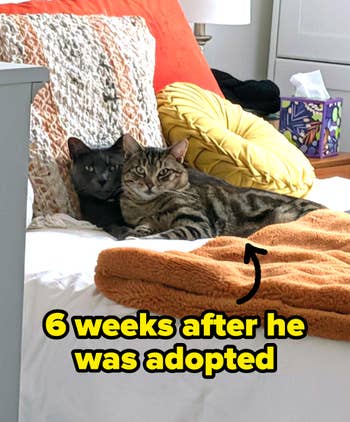
Integrating multiple cats into a single living space is rarely an instantaneous success; it follows a distinct chronological arc that demands careful management at every stage.
Phase 1: The Initial Introduction (Weeks 1–4)
The primary hurdle in a multi-cat home is managing territorial instincts. When introducing a new cat or merging households, behavioral experts consistently recommend a graduated approach: scent swapping, restricted visual contact, and the strategic use of calming pheromones. Products like the Feliway Multi-Cat Calming Diffuser have become standard interventions during this phase. By releasing synthetic analogues of maternal pheromones, these devices help reduce the initial hissing, aggression, and stress associated with territorial expansion.
Phase 2: Establishing Spatial Boundaries and Resources (Months 1–3)
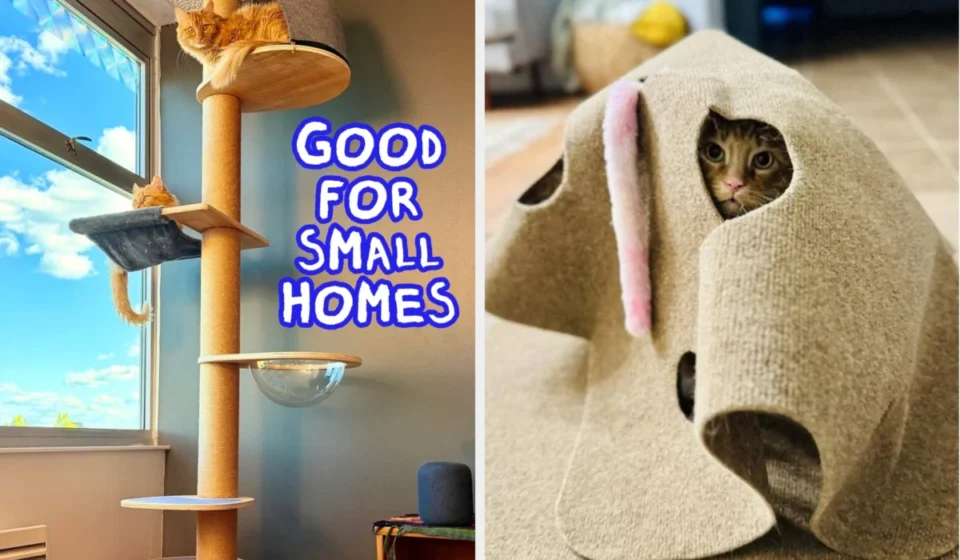
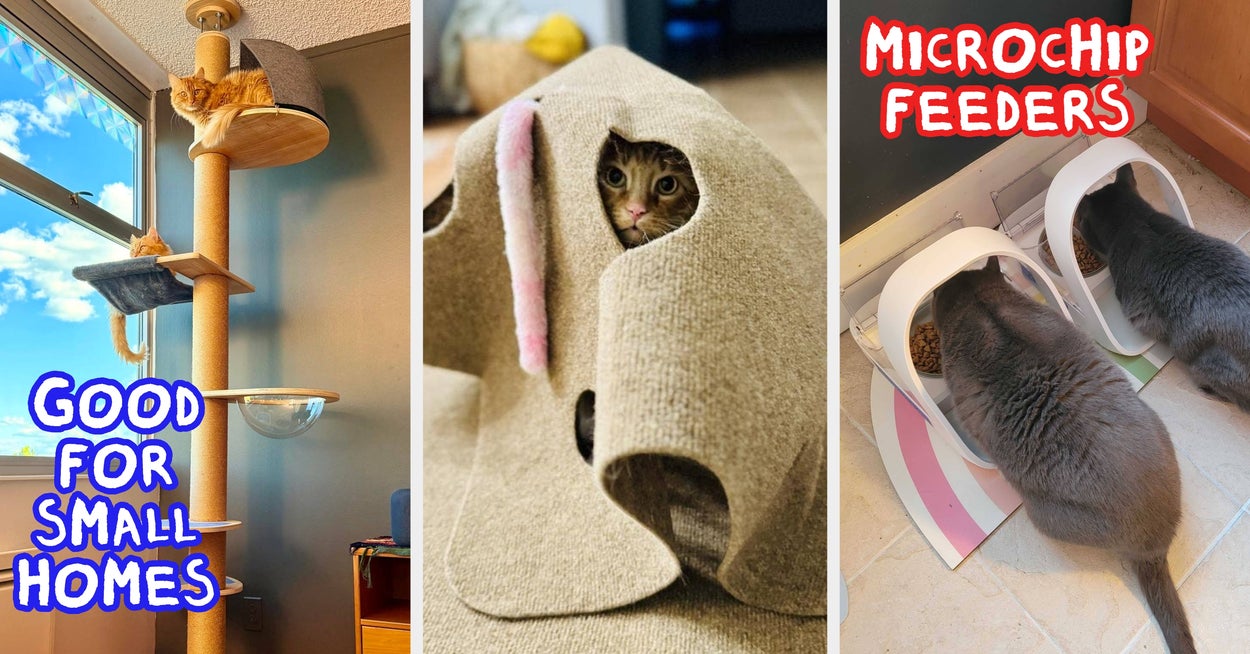
Once the cats are coexisting in the same physical space, resource management becomes critical. Territorial disputes often manifest around food bowls, litter boxes, and vantage points. Chronologically, this is when households transition from open feeding to structured systems. Owners frequently introduce microchip-activated pet feeders or split automatic feeders to prevent resource guarding and diet theft among cats with different health or caloric needs. Similarly, increasing vertical territory through multi-tiered cat trees or floor-to-ceiling towers allows hierarchical sorting, ensuring every feline has a secure, elevated viewpoint.
Phase 3: Long-Term Maintenance and Environment Management (Ongoing)
Beyond the initial introduction, long-term multi-cat management focuses on mitigating environmental wear and tear. Chronic issues such as litter tracking, fur accumulation, and furniture scratching require robust, durable solutions. Owners typically progress from standard disposable items—such as flimsy litter box liners or single-use lint rollers—to heavy-duty, reusable investments like double-layered honeycomb litter mats, ChomChom pet hair rollers, and transparent vinyl furniture protectors.
Supporting Data and Product Analysis
To understand how modern pet owners address these challenges, analysts look to real-world consumer feedback, veterinary recommendations, and product utility metrics. Below is an overview of key product categories helping households maintain order:
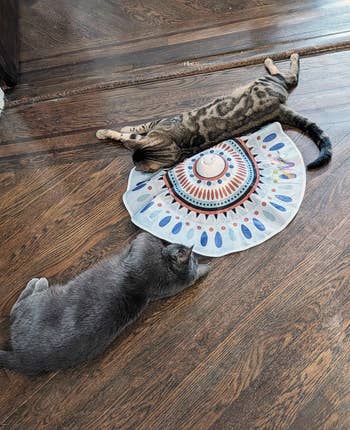
1. Litter Management and Odor Control
Litter tracking and ammonia odors are among the most cited complaints in multi-cat environments.
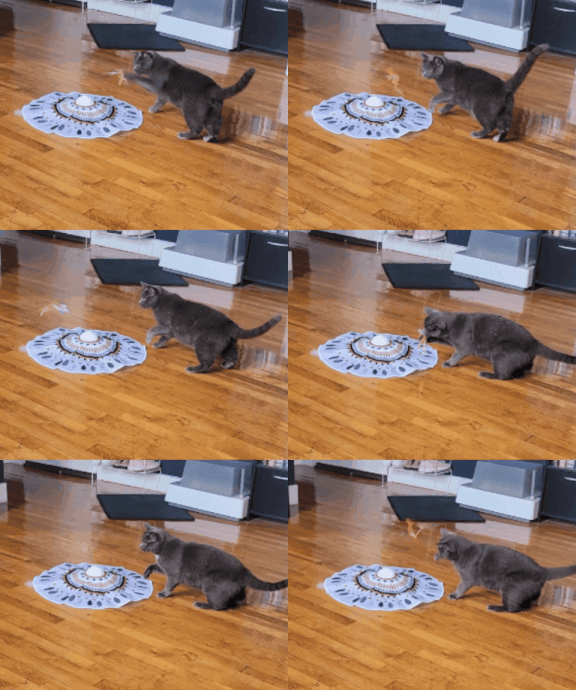
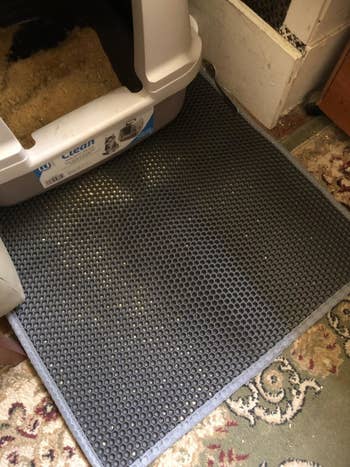
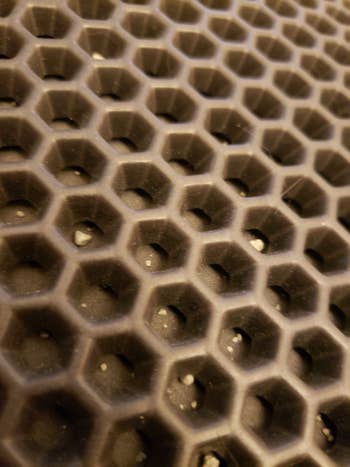
- Double-Layered Litter Mats: Utilizing an EVA honeycomb structure, these mats trap scattered litter as cats exit the box, allowing owners to pour the clean granules back into the box. Larger 30-by-24-inch variants offer extended coverage that significantly reduces floor scatter.
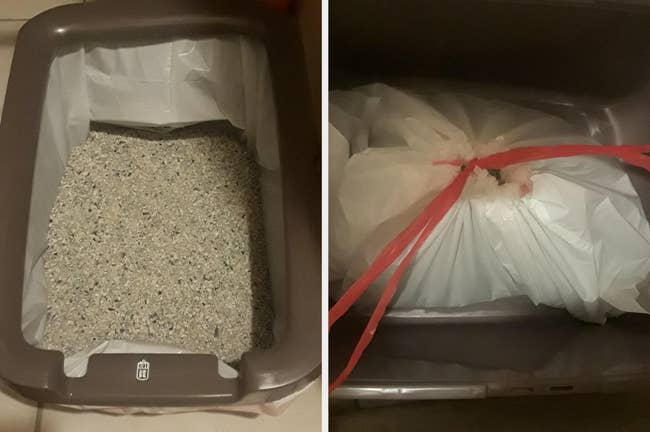
- Heavy-Duty Liners & Disposal Systems: Cats prone to aggressive digging frequently shred standard liners. Heavy-duty, drawstring-equipped jumbo liners withstand sharp claws. Concurrently, odor-sealing disposal systems (such as the Litter Genie or specialized odor-sealing waste bags) contain multi-day waste without permeating living spaces with foul odors.
- Enzymatic Cleaners & Deodorizers: Plant-based deodorizing granules made from absorbent corncob wicks away moisture, while enzymatic sprays (like Rocco & Roxie) break down uric acid crystals to discourage repeat marking on carpets and upholstery.
2. Behavioral Enrichment and Stress Reduction
Boredom and unmet predatory instincts often lead to destructive behaviors, such as scratching furniture or bullying older companion animals.
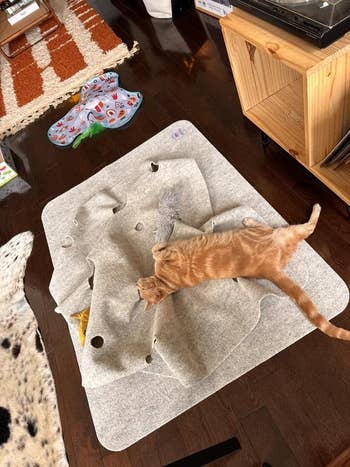
- Interactive Toys: Automated hide-and-seek toys with erratic moving feathers and fluttering butterflies provide essential mental and physical stimulation, preventing high-energy cats from harassing their more sedentary peers.
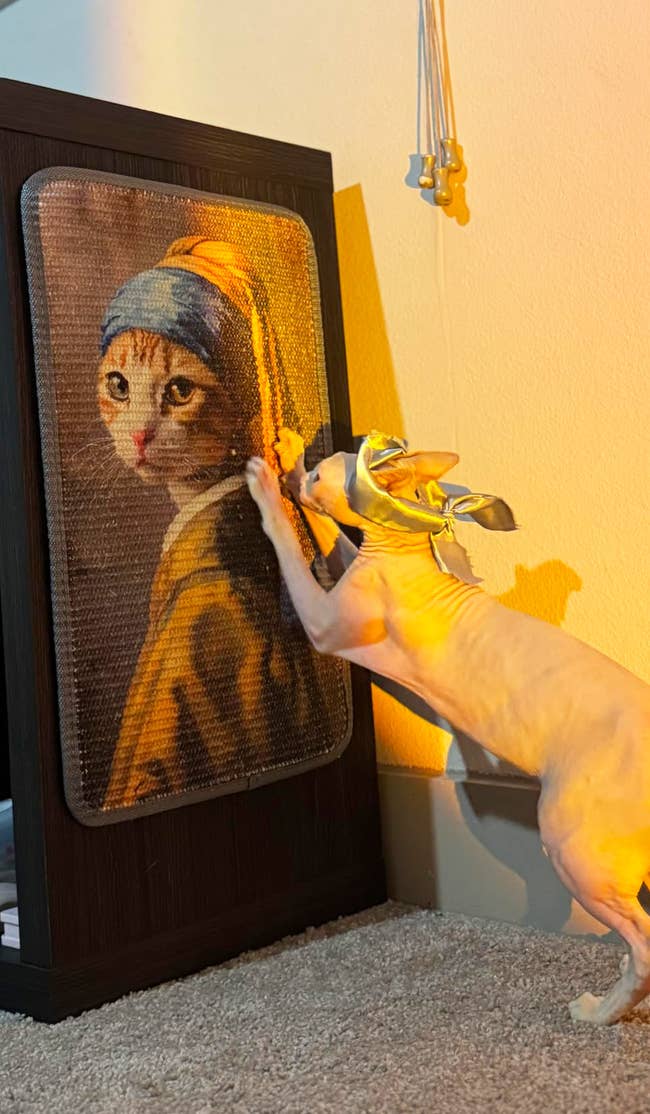
- Scratching Solutions: Wall-mounted natural sisal fiber scratch pads depicting classic artwork offer a space-saving, aesthetically pleasing alternative to traditional cardboard scratchers, satisfying feline scratching urges while preserving home decor.
3. Feeding Dynamics and Dietary Control
Multi-cat households frequently struggle with "gluttonous" eaters stealing food from slower, older, or sick companions.
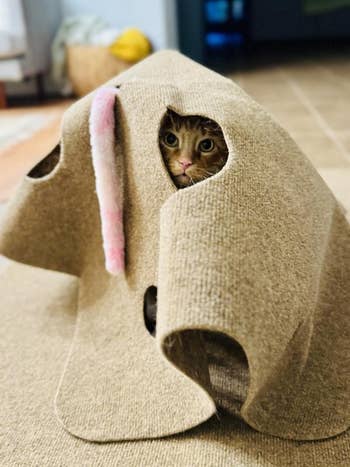
- Microchip Feeders: Devices manufactured by brands like Sure Petcare utilize RFID technology to open only for a specific microchip. This ensures precise caloric tracking and prevents resource-guarding behaviors.
- Whisker-Friendly Lick Mats: Slow-feeder mats with shallow grooves prolong mealtime for fast eaters, reducing post-meal vomiting and satisfying natural foraging instincts without fatiguing sensitive whiskers.
Official Perspectives and Veterinary Insights
Veterinarians and animal behaviorists emphasize that many behavioral issues in multi-cat households—such as inappropriate elimination, inter-cat aggression, and obsessive grooming—stem from environmental stress rather than pure disobedience.
According to feline practitioners, the "Rule of N+1" governs successful litter box management: households should maintain a number of litter boxes equal to the number of cats, plus one additional box, distributed across various rooms to prevent territorial ambushes. Furthermore, veterinary consensus supports the use of synthetic pheromones as a low-risk adjunct therapy for generalized anxiety and multi-cat tension.
Regarding physical health, encouraging increased water consumption through continuous-flow water fountains is widely endorsed to stave off chronic kidney disease and lower urinary tract disorders, common ailments in aging felines.
Implications for Home Economics and Pet Welfare
The economic and domestic implications of adopting these targeted pet management tools are profound:
- Reduction of Replacement Costs: By investing in heavy-duty furniture protectors, durable sisal scratchers, and high-quality hair removal tools like the ChomChom roller, pet owners protect high-ticket household items (such as velvet sofas and high-end rugs) from premature destruction, saving hundreds of dollars in replacement costs.
- Enhanced Animal Welfare: Mitigating resource competition through microchip feeders and spatial segregation (via pet gates and vertical cat trees) directly correlates with lower cortisol levels in cats. Lower stress leads to fewer stress-induced medical emergencies, resulting in lower veterinary bills and longer, healthier lives for the animals.
- Improved Human Quality of Life: By eliminating the sensory burdens of persistent pet odors, tracked litter, and chaotic feeding schedules, owners can experience the emotional benefits of multiple pets without the chronic domestic fatigue. Ultimately, the right equipment transforms a chaotic "cat house" into a harmonious, shared sanctuary for both humans and their feline companions.