
The Evolution of the Digital Beauty Economy: How TikTok-Driven Skincare Redefined Consumer Culture

Main Facts
In the contemporary beauty and wellness landscape, digital consumer habits have fundamentally altered how skincare products are discovered, validated, and commercialized. Traditional marketing channels—historically dominated by print advertisements, high-end department store consultations, and television commercials—have been upended by user-generated content, algorithmic discovery engines, and peer-to-peer digital recommendations.

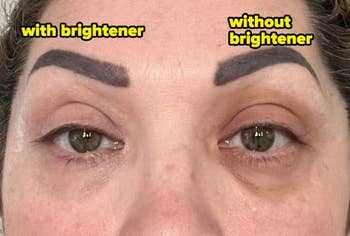
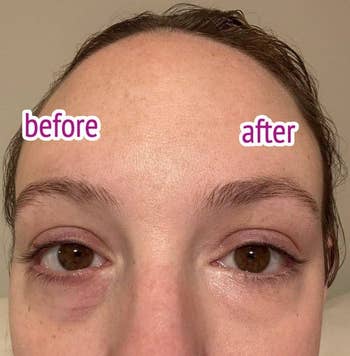
At the center of this paradigm shift is an expansive ecosystem of affordable, high-efficacy products that achieve sudden, viral prominence via platforms like TikTok. Items once considered niche or obscure, ranging from advanced K-beauty essences and specialized body lotions to targeted blemish patches and multi-use balms, now achieve mainstream ubiquity overnight. Driven by transparent reviews, before-and-after visual proof, and accessible price points, consumers are increasingly bypassing legacy luxury brands in favor of dermatologically backed formulations that deliver measurable results without excessive markups.
Chronology of a Viral Beauty Trend
The trajectory of modern skincare product adoption typically follows a distinct, accelerated lifecycle:
- The Formulation and Initial Launch: Independent or mass-market brands develop targeted products utilizing active ingredients historically reserved for clinical settings, such as encapsulated retinol, hyaluronic acid, and botanical extracts.
- The Micro-Influencer Discovery Phase: Early adopters and micro-influencers purchase these items independently, utilizing them within daily routines and documenting their skin journeys without formal corporate sponsorship.
- The Algorithmic Tipping Point: As engagement metrics climb, short-form video platforms amplify these reviews to a broader audience. Viewers grappling with common skin concerns—such as hyperpigmentation, adult acne, or textural dullness—see relatable peer reviews accompanied by visual evidence.
- Supply Chain Strain and Restocking: Demand surges exponentially, frequently resulting in temporary stockouts, backorders, and widespread consumer anticipation. Retailers rush to replenish inventory to meet sudden, viral demand.
- Mainstream Validation: Legacy media outlets, beauty editors, and clinical experts weigh in on the trend, analyzing the underlying science of the active ingredients and cementing the product’s status as a consumer staple.
Supporting Data and Product Analysis
To understand the breadth of this consumer movement, an analysis of top-performing viral skincare solutions highlights the specific formulations driving purchasing decisions across demographics:
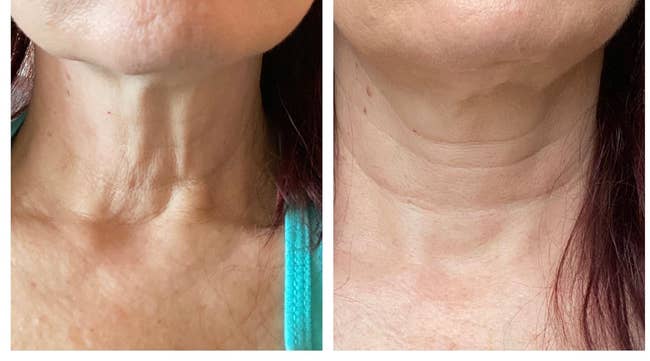
- Targeted and Specialized Care: Beyond facial regimens, consumers are increasingly treating neglected areas. Products like firming neck and chest creams formulated with salicylic acid and glycerin address localized dryness and textural loss, while dedicated body lotions infused with tea tree oil tackle body acne, an issue historically underserved by mainstream beauty brands.
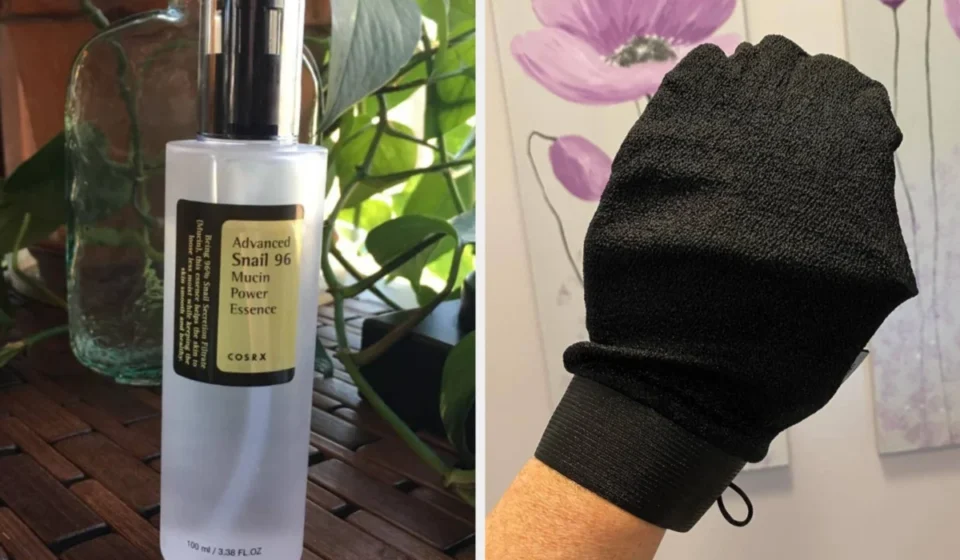
- Advanced Hydration Delivery: Lightweight mucin-based essences and water-gel body creams have shifted consumer preferences away from heavy, occlusive greasiness. These formulations utilize molecular binding agents to deliver deep hydration that absorbs rapidly without residual residue.
- Clinical Actives at Accessible Price Points: Ingredients such as vitamin C, niacinamide, and encapsulated retinol—once restricted to high-end dermatology clinics—are now ubiquitous in formulations priced under twenty dollars. Encapsulation technology, in particular, has revolutionized retinol application by slowing absorption rates to minimize surface irritation while maximizing collagen stimulation and hyperpigmentation reduction.
- Multi-Use and Innovative Formulations: Convenience remains a major driver. Multi-balm sticks infused with collagen offer on-the-go hydration and wrinkle-smoothing benefits, while dual-sided exfoliating pads and hydrogel overnight masks provide intensive, spa-level treatments within home routines.
Official Responses and Industry Implications
The meteoric rise of social media-driven skincare has forced legacy cosmetic conglomerates to restructure their product development pipelines. Industry analysts note that traditional product development cycles, which historically spanned 18 to 24 months, are now deemed too slow to capture fast-moving digital consumer trends.
Beauty industry executives report that modern brands must maintain agile supply chains capable of scaling manufacturing within weeks of a digital surge. Furthermore, transparency has become a non-negotiable metric for consumer trust. Brands can no longer rely on vague marketing claims; consumers demand verifiable ingredient lists, clear explanations of active concentrations, and authentic peer reviews.
Broader Implications for the Retail Market
The democratization of skincare has broader economic and social implications:
- E-Commerce Dominance: Digital marketplaces have centralized beauty distribution, allowing small, independent businesses to compete directly with multinational conglomerates on a global scale.
- Evolving Consumer Literacy: Today’s consumers are better educated on cosmetic chemistry than ever before. Terms like "hyaluronic acid," "retinol encapsulation," and "double cleansing" have entered the vernacular of everyday shoppers, who carefully weigh the concentration and pH levels of products before purchasing.
- Inclusivity and Accessibility: The emphasis on multi-shade adaptability, hypoallergenic formulations, and accessible pricing ensures that effective skincare is no longer an exclusive luxury, but a widely available standard of personal care.
Ultimately, the convergence of digital media and advanced dermatological science has permanently transformed the beauty marketplace. As consumers continue to prioritize efficacy, transparency, and value, the modern skincare industry will undoubtedly keep evolving to meet the demands of an increasingly informed and connected global audience.
Related posts: