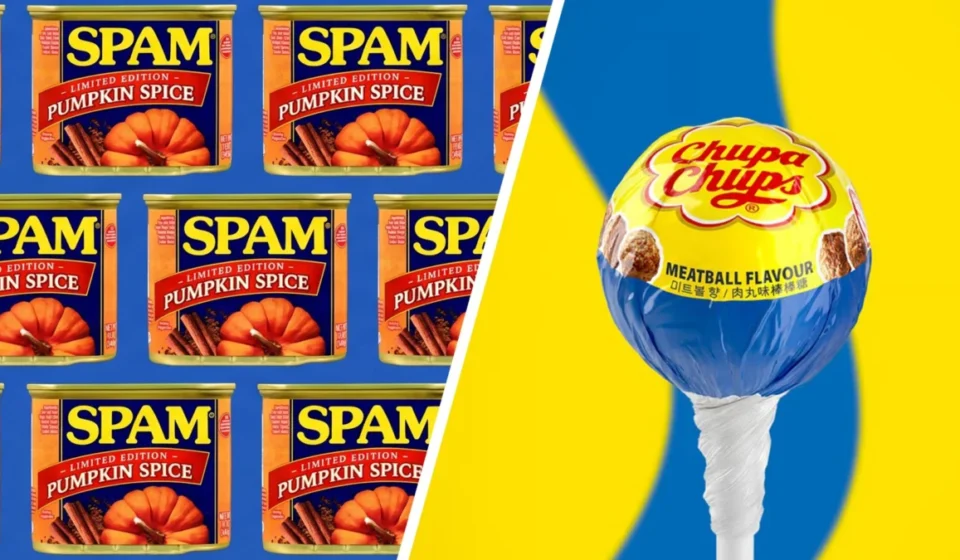

In the modern marketing landscape, the battle for consumer attention has moved from the boardroom to the dinner plate—and the results are becoming increasingly unpalatable. As we transition into the autumn season, a time traditionally defined by the predictable, comforting arrival of pumpkin spice, a more "nefarious" trend has taken hold: the bizarre, unconventional, and often stomach-churning food brand collaboration.
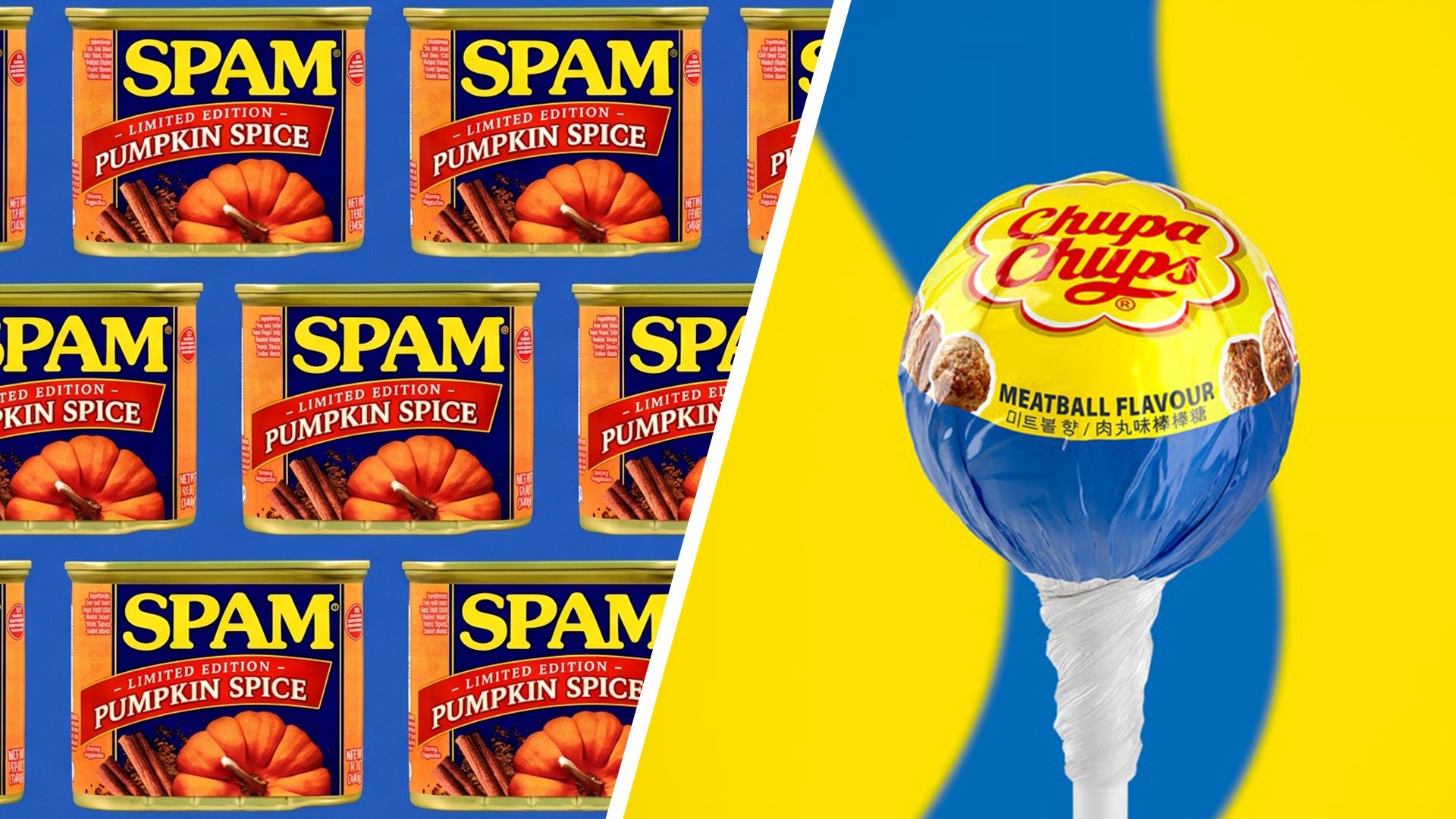
From IKEA meatball-flavored lollipops to KFC-inspired breakfast cereals, the world’s most recognizable brands are shedding their dignified veneers in favor of "gross-out" marketing. While these partnerships may leave a bad taste in the mouths of traditionalists, they represent a calculated shift in how corporations attempt to cut through the noise of an oversaturated digital market. But beneath the shock value and the viral social media posts lies a sophisticated, if polarizing, strategy to re-engage a fatigued audience.
The Evolution of the "Gross-Out" Collab
For years, the branding playbook was simple: maintain consistency, build trust, and avoid controversy. Today, that playbook has been set on fire. The rise of the "weird" collaboration is a direct response to the democratization of content creation. When every brand has a polished Instagram feed and a carefully curated aesthetic, the only way to truly stand out is to become a curiosity.
A Chronology of Culinary Confusion
- The Early Novelty Phase: Brands began dipping their toes into cross-category marketing with relatively safe pairings. Think limited-edition sneaker drops or clothing lines featuring fast-food logos.
- The Pumpkin Spice Fatigue: The ubiquity of pumpkin spice (now applied to everything from hummus to dog treats) signaled the end of the "comfort" era. Consumers became desensitized to seasonal marketing, creating a vacuum for something more jarring.
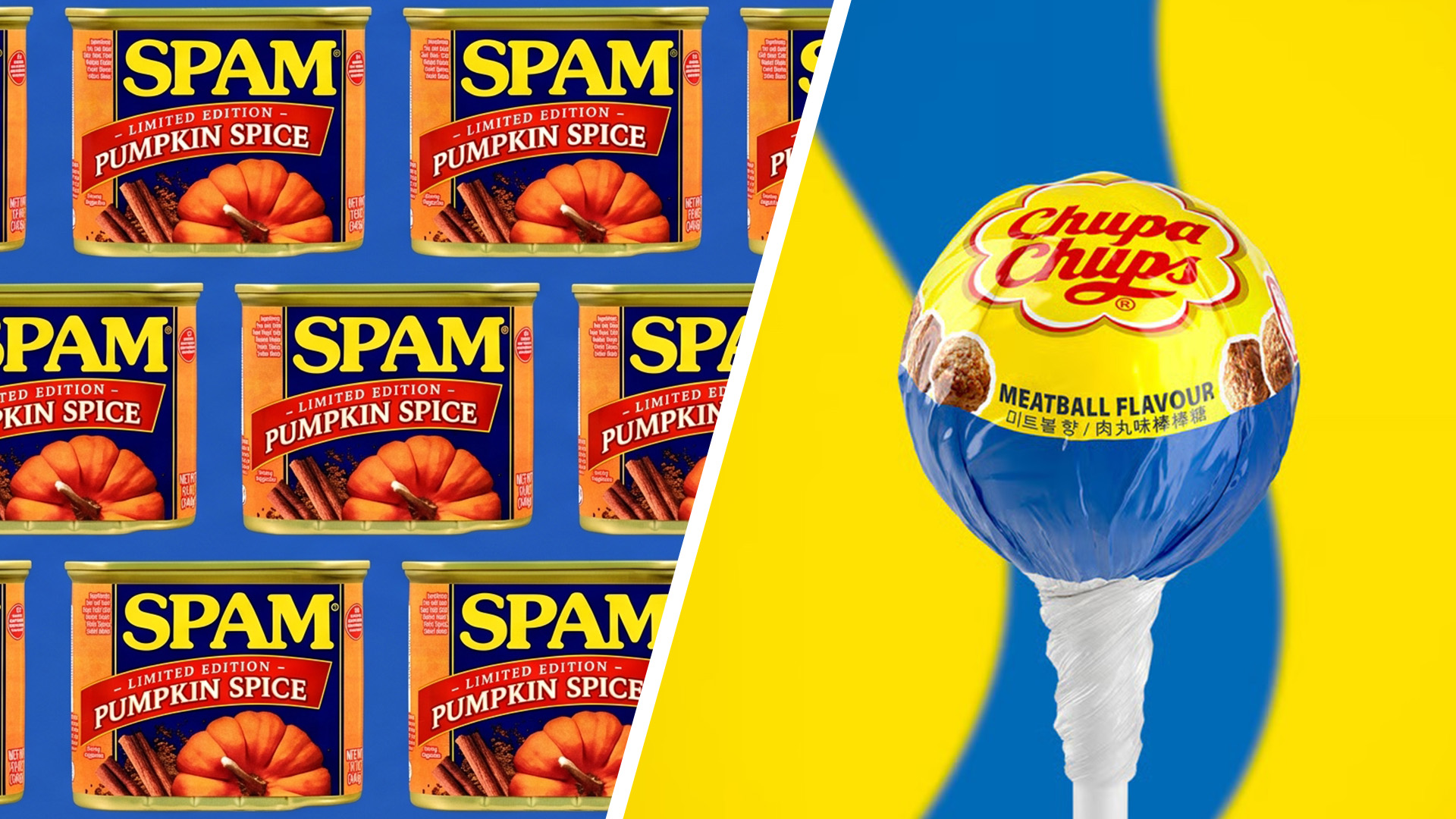
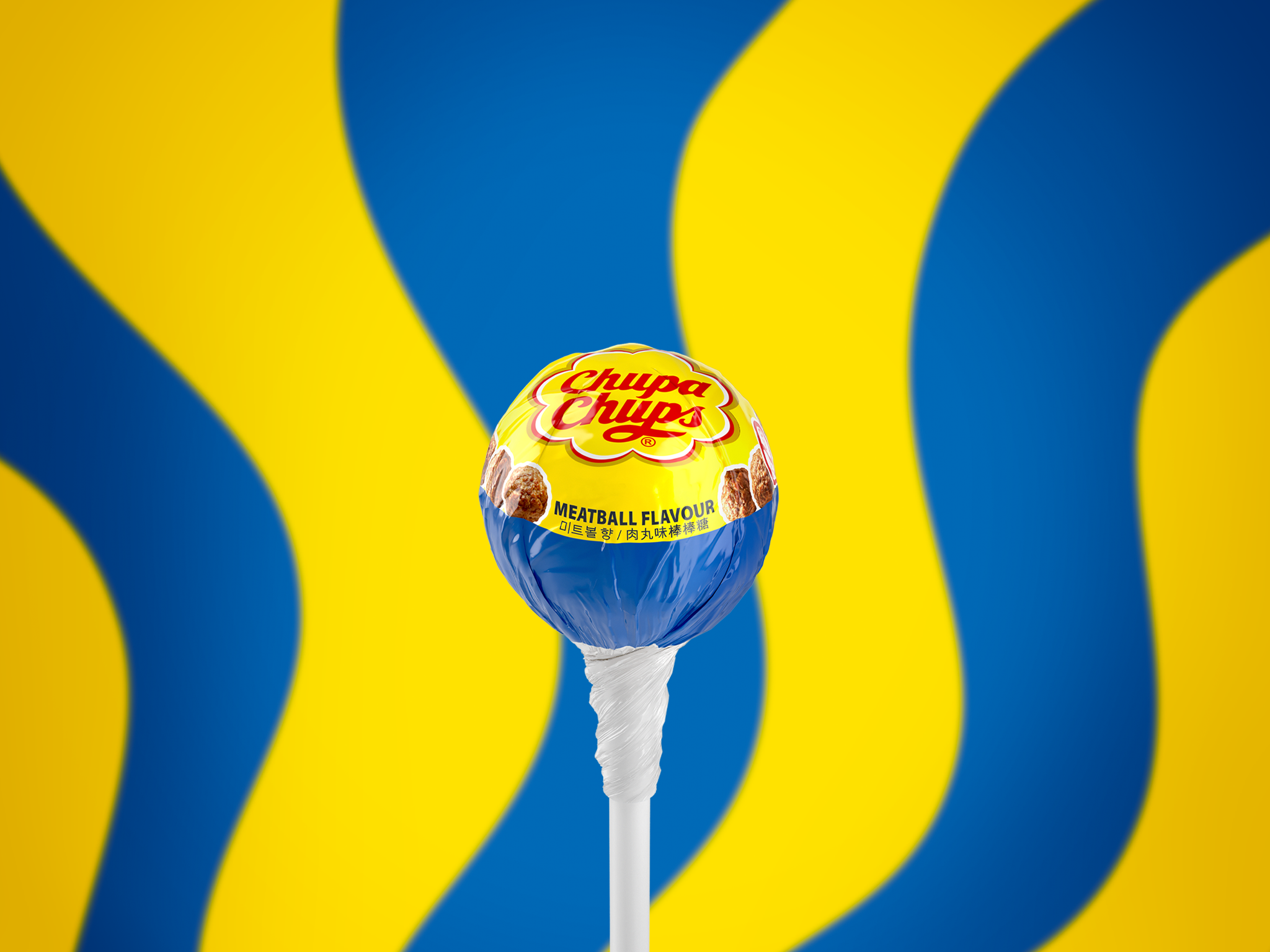
- The "Gross-Out" Pivot: The shift turned toward intentionally provocative products. In 2024, the debut of the IKEA x Chupa Chups "Meatball Lollipop" served as a watershed moment. It wasn’t designed to be a culinary staple; it was designed to be a conversation piece.
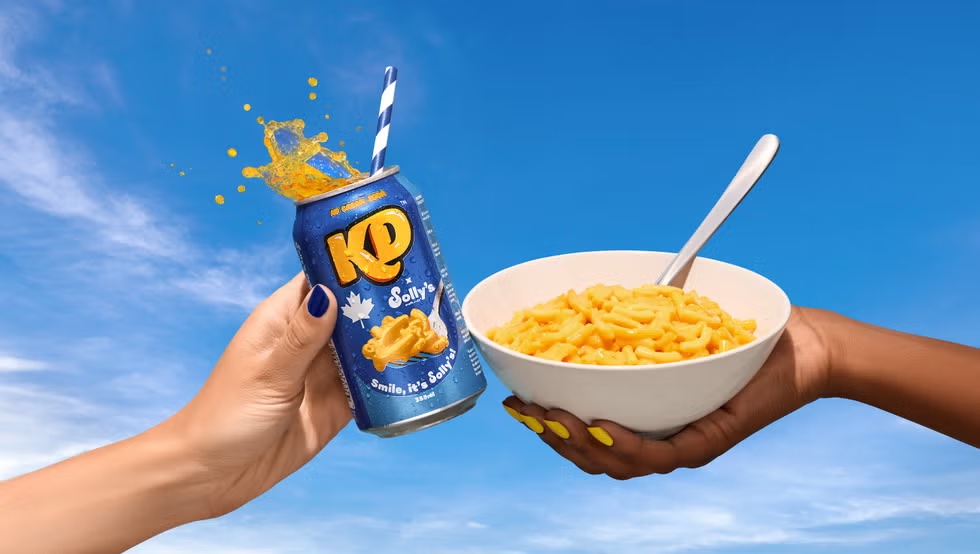
- The Current Landscape: Today, we are seeing the rise of "KFCereal" and Kraft-infused sodas. These are not products aimed at mass-market consumption, but rather "content-first" goods designed to trigger reactions, drive shares, and occupy the "WTF" space of the digital zeitgeist.
Why Do These Bizarre Partnerships Work?
At the core of these campaigns is a psychological mechanism known as "morbid curiosity." When a consumer sees a product that defies their culinary expectations—such as Kraft Mac n’ Cheese-flavored soda—the brain experiences a momentary glitch. This cognitive dissonance is exactly what marketers are chasing.
1. The Multi-Sensory Brand Experience
Traditional billboard advertising has lost its luster. Consumers have developed "banner blindness," scrolling past static images without a second thought. By contrast, a physical, weird product creates a multi-sensory experience. It allows for in-store activations, interactive taste-testing events, and user-generated content that feels organic. When a brand invites you to try something "bad," they are inviting you into a shared, playful experience that a standard advertisement could never replicate.
2. The Allure of Scarcity
Many of these collaborations are released as ultra-limited-edition "drops." By limiting the supply, brands turn a potentially disgusting food item into a collector’s item. This scarcity creates a "prestige of the weird." Much like high-fashion collaborations, owning a piece of this culinary history allows the consumer to signal that they are "in on the joke," transforming the product from a snack into a social badge.
3. The Power of Visual Subversion
In the age of TikTok and Instagram, visual impact is the primary currency. These collaborations rely on high-contrast, often disturbing imagery—such as neon-colored gravy being poured over breakfast cereal—to stop the scroll. Our brains perform the "heavy lifting" of the campaign before we ever take a bite. We can already imagine the taste of a meatball-flavored lollipop, and that anticipation (or dread) is the engine of the campaign’s success.
Supporting Data: The ROI of Weirdness
While it may seem counterintuitive to spend millions on a product that people might dislike, the Return on Investment (ROI) for these campaigns is measured in "Earned Media Value" rather than direct sales volume.
Market research indicates that campaigns featuring high-shock-value collaborations generate 300% more engagement on social platforms compared to standard product launches. By embracing the "nauseating," brands reduce their Customer Acquisition Cost (CAC) because users essentially do the marketing for them by sharing, reacting, and debating the product’s merits (or lack thereof) across social networks.
Official Responses and Corporate Strategy
Executives at major firms have begun to speak more openly about this shift. A spokesperson for one recent major food collaboration noted, "We aren’t looking to replace the consumer’s daily breakfast. We are looking to occupy their attention for 60 seconds. In a world where attention is the most valuable commodity, being ‘weird’ is a professional asset."
However, not all feedback has been positive. Industry analysts warn that while the shock strategy works in the short term, it risks diluting brand equity. "If you turn your brand into a meme, you lose the ability to be taken seriously as a purveyor of quality goods," says retail strategist Dr. Elena Vance. "The challenge for these companies is ensuring that the ‘weird’ doesn’t become the only thing they are known for."
The Future of "Freaky" Food
As we look toward 2026 and beyond, the market for strange collaborations shows no signs of slowing down, but it is reaching a point of saturation. The "pumpkin spice" effect serves as a cautionary tale: what starts as an exciting novelty can quickly become a tiresome cliché.
Implications for the Future:
- Purpose-Driven Pairings: The next wave of successful collaborations will likely move away from pure shock value toward "pairings with purpose." Brands will need to prove that their weird collaboration serves a narrative or brand evolution, rather than just being a random collision of logos.
- Hyper-Local Drops: Expect to see more localized, exclusive "weird" drops that are only available in specific cities or through obscure, gated digital channels, further increasing the exclusivity of the "collector" aspect.
- The Backlash Factor: As consumers become increasingly savvy, there is a risk of "corporate cringe." Brands that force a collaboration that feels too transparently "marketing-first" may find themselves on the receiving end of a viral campaign for all the wrong reasons.
Conclusion: The Art of the "Saucy" Collaboration
The rise of the gross-out food collaboration is a symptom of a broader shift in creative branding. We are living in an era where the "joy of branding" is being reclaimed through experimentation and playfulness.
While the thought of an IKEA meatball lollipop might turn your stomach, it is a masterclass in modern marketing. It challenges the status quo, forces us to re-evaluate our relationship with the brands we thought we knew, and, most importantly, makes us look. For now, the novelty is fresh enough to be exciting. But for these brands to survive the inevitable fatigue, they must ensure that their future experiments have more than just a weird flavor profile—they need substance. After all, even the most daring, scroll-stopping campaign will eventually get lost in the sauce if it doesn’t have a purpose behind the madness.
As the branding landscape continues to evolve, the winners will be those who know exactly how far they can push the envelope before it tears. For now, the industry is happily, and perhaps a little nauseatingly, leaning into the chaos.