Transforming Holiday Retail: Why Social Media is the New Front Line for Customer Care

As the winter holidays approach, the traditional image of freezing shoppers lining up outside big-box stores at dawn is rapidly fading into retail history. In its place, a digital-first shopping culture has taken root. Consumers today increasingly bypass brick-and-mortar storefronts—and even traditional web browsers—turning instead to social media platforms to discover gifts, research products, complete purchases, and seek post-purchase support.
However, this shift has transformed social networks into high-stakes customer service battlegrounds. When digital shopping experiences fall short—whether through shipping delays, stock shortages, or payment errors—shoppers immediately take to social channels to air their frustrations and demand resolution.

According to Sprout Social’s Q3 2026 Pulse Survey, an overwhelming 86% of consumers plan to use social media for customer service this holiday season as much as (59%) or more than (27%) they did the previous year. As the peak shopping window narrows, customer care volumes are projected to surge alongside holiday demand, forcing brands to overhaul their operational strategies or risk severe reputational damage.
Main Facts: The Evolution of Holiday Consumer Behavior
The convergence of social media discovery and customer service is no longer an emerging trend; it is the dominant paradigm of modern consumer behavior. Sprout Social’s recent data highlights several structural shifts defining the 2026 retail landscape:

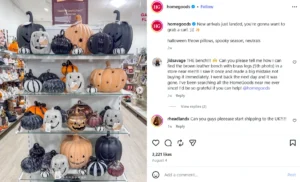
- Social Discovery Ties with Physical Retail: Social media has tied with traditional retail stores as the premier resource for gift ideas and product discovery, with 46% of consumers planning to use social channels to find gifts.
- Generational Shifts: The reliance on social platforms for holiday research is exceptionally high among younger demographics. A staggering 85% of Millennials and 88% of Gen Z consumers plan to use social media as much or more for gift research in 2026.
- In-App Social Commerce: More than half (57%) of surveyed consumers plan to make purchases directly within social media applications (such as TikTok Shop, Instagram Checkout, and Facebook Marketplace) this festive season. Of those, 38% have already utilized the feature, while 19% intend to try it for the first time.
- Direct Messaging Dominance: When reaching out to brands on social media, consumers overwhelmingly prefer direct messaging (55%), followed by public comments, tagging, and replying to brand stories.
Chronology: The Timeline of Seasonal Customer Service Preparedness
To understand how modern enterprises manage this seasonal influx, it is helpful to examine the operational lifecycle of a successful holiday customer care strategy. Preparing for the year-end rush requires a structured, multi-phase timeline that begins months before the first holiday decoration appears.
Phase 1: Pre-Season Planning (August – September)
Brands must initiate operational readiness well before the "ber" months begin. This includes analyzing historical customer data, forecasting inventory constraints, establishing influencer partnerships, and organizing cross-functional training between marketing and customer care teams. This period also involves drafting holiday-specific Frequently Asked Questions (FAQs) and deploying predictive listening tools to catch early indicators of market sentiment or supply chain bottlenecks.

Phase 2: Implementation and Staffing (October)
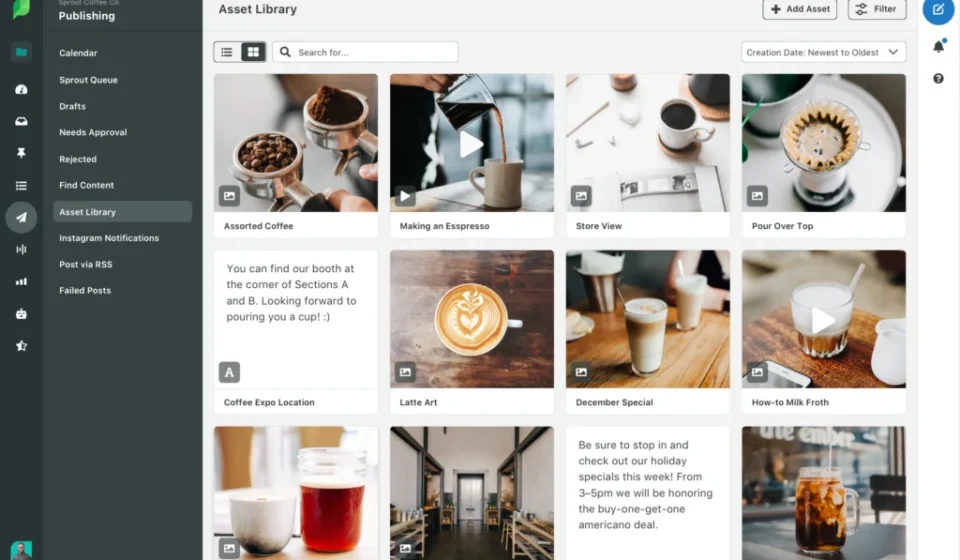
As October rolls out, businesses must finalize seasonal hiring pipelines. Onboarding temporary customer service agents quickly is vital, requiring platforms with high ease of use, automated case assignment, and centralized asset libraries. Chatbots and automated routing rules are deployed or updated with current shipping deadlines, return windows, and promotional terms.
Phase 3: The Surge – Black Friday to Cyber Monday (Late November)
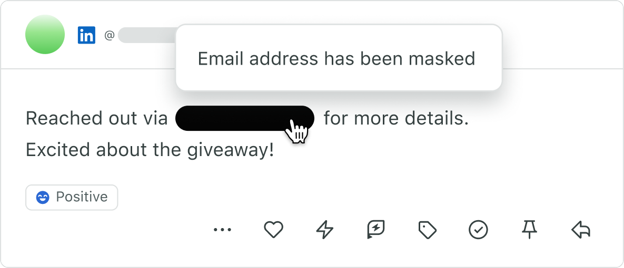
The operational peak kicks off with Black Friday and Cyber Monday. Inbound queries multiply exponentially across public comments, direct messages, and reviews. During this hyper-busy window, automated sentiment analysis and AI-driven assistive tools (such as Sprout’s Enhance by AI Assist) allow agents to maintain high response speeds without sacrificing brand voice or personalization. Secure data-masking protocols are heavily relied upon to protect sensitive customer information from heightened cybersecurity threats.

Phase 4: Post-Holiday Fulfillment and Returns (December – January)
Following Christmas, the nature of inbound queries shifts dramatically from discovery and purchasing to delivery tracking, exchanges, and returns. Real-time analytics, CSAT (Customer Satisfaction Score) surveys, and Net Promoter Score (NPS) tracking are evaluated continuously. Post-season reporting allows CX leaders to measure average handle times, total replies, and staff performance, closing the loop on the holiday cycle and preparing insights for the following year.
Supporting Data: Metrics That Shape Modern CX
Data-driven decision-making is the cornerstone of efficient holiday customer care. Industry benchmarks and proprietary research underline the urgent need for speed, personalization, and advanced technological integration:
- Expectations for Speed: Sprout’s Q3 2026 data reveals that 32% of social users expect a response from a brand on the same day. Even more demanding, 24% expect a reply within 1 to 2 hours, and 14% expect a response within minutes.
- The Demand for Personalization: According to The 2025 Sprout Social Index, 70% of consumers demand personalized responses when interacting with brands on social media. Furthermore, 33% expect an initial public response (such as a comment or @-mention) followed immediately by a private conversation.
- Openness to AI Solutions: Despite general skepticism toward automated content, consumers are increasingly willing to accept artificial intelligence for faster service. 44% of respondents reported feeling "somewhat comfortable" with companies using AI (like chatbots) for customer support, and 26% feel "very comfortable" with the practice.
- Financial Pressures: Macroeconomic factors continue to influence consumer behavior. The 2025 Deloitte Holiday Retail Survey noted that 58% of people find holiday shopping stressful, compounded by financial strain—with 56% of consumers in Sprout’s 2026 survey planning to actively reduce overall spending.
Official Responses and Industry Case Studies
Forward-thinking organizations have already restructured their customer service architectures to cope with high-volume digital demands, integrating sophisticated software solutions to streamline operations.
Educational Testing Service (ETS)
As a nonprofit backing major academic exams like the GRE and TOEFL, ETS experiences cyclical surges akin to retail holiday rushes. Utilizing Sprout Social to monitor recurring customer inquiries, ETS uncovered a 126% spike in pre-testing queries centered around registration, scoring, and testing locations. By transforming these insights into clear, accessible FAQs and pre-drafted response templates, the organization successfully reduced its corporate response time from two hours down to one hour and twenty minutes.

Papa Johns
Josh Martin, Director of Social Media and Brand Management at Papa Johns, noted a dramatic efficiency gain after transitioning to centralized social inbox management. "As a result of the Smart Inbox feature, response time has been cut in half since switching over to Sprout," Martin explained. The team currently manages upwards of 600 cases a week, saving the equivalent of two days of work weekly—translating to over 830 hours saved annually.
Whisker and Discount Tire
Pet tech company Whisker utilized Sprout’s Automated Routing and Case Management tools to provide actionable data for support teams. According to Christopher Kuzara, CX Supervisor at Whisker, the Case Management Report unlocked crucial visibility into average handle times and reply speeds, providing concrete data to validate the team’s daily impact to corporate stakeholders. Similarly, Sean Rebero, Senior Manager of Customer Care at Discount Tire, called their integration between Sprout Social and Salesforce "a game changer," noting that unified data access across platforms drastically accelerated case resolution times.

Implications for Businesses and Future Outlook
The systemic shift toward social-first customer service carries profound implications for enterprise strategy. When executed effectively, a robust holiday customer care framework does more than merely resolve complaints; it converts casual holiday shoppers into lifelong brand loyalists and enthusiastic advocates. Conversely, ignoring social channels—or treating them as an afterthought separate from core CRM systems—risks immediate public backlash, damaged brand equity, and lost revenue.
To successfully navigate the complexities of modern digital retail, organizations must adhere to ten foundational pillars:
- Plan Ahead: Align marketing campaigns, influencer partnerships, and staffing schedules well before seasonal traffic spikes.
- Create Holiday-Specific FAQs: Deflect repetitive inquiries by publishing accessible resources and utilizing pre-approved response asset libraries.
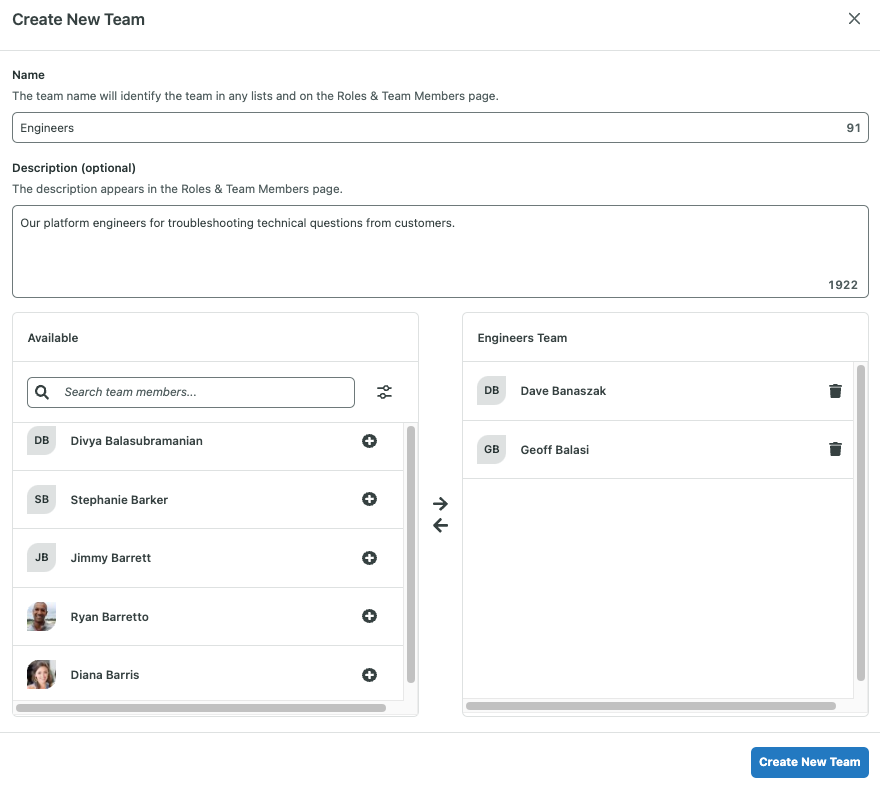
- Staff Up and Train Rapidly: Employ seasonal personnel and equip them with intuitive, easy-to-learn management tools to scale capacity seamlessly.
- Prioritize Inbound Messages: Use sentiment analysis, machine-learning message intent, and automated tagging to route high-risk or high-value inquiries directly to senior agents.
- Protect Customer Data: Implement strict privacy protocols, avoid asking for sensitive information in public comments, and utilize data-masking and PCI-compliant secure forms (such as Guardian by Sprout Social).
- Leverage AI and Automation: Deploy generative AI tools (like Enhance by AI Assist) and rule-based chatbots to accelerate initial response times without sacrificing brand tone.
- Unify Tech Stacks with Social CRM: Integrate social support tools directly with platforms like Salesforce to give agents immediate access to complete customer history and order context.
- Establish Collaboration Norms: Implement structured reply approvals and define clear internal escalation pathways to maintain quality control across new hires.
- Monitor for Crises Proactively: Utilize predictive monitoring tools (such as NewsWhip and social listening suites) to spot supply chain issues, shipping delays, or negative PR trends before they escalate.
- Measure and Optimize in Real Time: Capture continuous feedback through integrated CSAT and NPS surveys while analyzing operational metrics to eliminate ongoing workflow bottlenecks.
Ultimately, the holiday season serves as the ultimate stress test for a brand’s operational resilience. By bridging the gap between social discovery and streamlined customer service, businesses can turn what was once a chaotic and stressful period into a sustainable engine for long-term customer retention and growth.