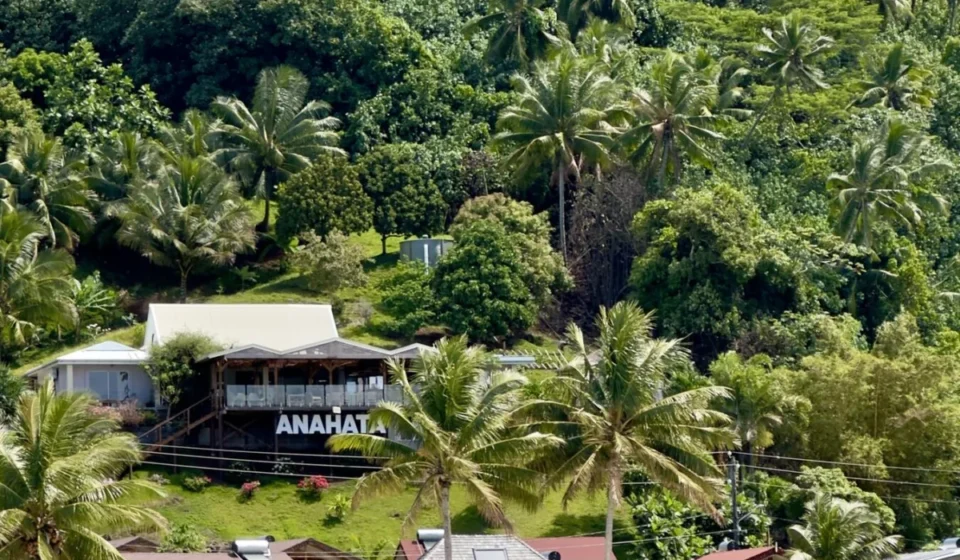

For decades, the global travel industry has cultivated a singular image of French Polynesia: a hyper-exclusive, ultra-luxurious sanctuary defined by iconic overwater bungalows, private butler service, and price tags that rival a mid-sized sedan’s monthly payment. From the pristine lagoons of Bora Bora to the manicured sands of Tetiaroa, the narrative has been one of untouchable opulence.
However, this monolithic branding masks a vastly different reality. While 85% of American tourists gravitate toward the high-end resorts of Bora Bora, the reality is that French Polynesia—often marketed globally as "The Islands of Tahiti"—is a sprawling archipelago of 118 islands spread across a maritime territory the size of Europe.
The Myth of the $2,000 Night
The perception of French Polynesia as an inaccessible playground for the ultra-wealthy is largely a byproduct of curated social media feeds and a travel industry reliant on high-margin luxury packages. In this ecosystem, the overwater bungalow is king. These structures, while undeniably picturesque, serve as the primary vehicle for the "Tahiti experience" sold to the Western market.
Yet, the math of these resorts—often costing upwards of $2,000 per night—fails to account for the actual geographic and cultural diversity of the region. There are over 100 inhabited islands in the territory, and approximately 20 of them possess robust tourism infrastructure that caters to travelers seeking authenticity over exclusivity.
A Chronology of Tourism Development in the South Pacific
To understand how French Polynesia became synonymous with elite luxury, one must look at the evolution of its tourism sector:
- 1960s – The Jet Age Arrives: With the construction of the Faa’a International Airport in Tahiti, the islands became accessible to international carriers. Early development was characterized by small, family-run guesthouses.
- 1970s & 80s – The Rise of the Resort: Multinational hotel chains began to recognize the potential of the "overwater bungalow" concept, which had been pioneered locally in the 1960s. This ushered in an era of massive, self-contained luxury resorts.
- 1990s – The "Honeymoon" Brand: Marketing efforts by Tahiti Tourisme shifted toward the romantic luxury niche, successfully cementing the islands as the premier destination for high-end honeymoons and celebrity getaways.
- 2010s – The Influencer Effect: The rise of Instagram and travel blogging created a feedback loop where "aspirational travel" demanded more dramatic, photogenic backdrops, further driving demand for high-end luxury resorts over local experiences.
- 2020s – The Pivot: Post-pandemic travel trends, coupled with rising costs of living, have sparked a renewed interest in "slow travel" and authentic cultural immersion, challenging the dominance of the all-inclusive resort model.
Supporting Data: The Disparity in Experience
The economic implications of current travel patterns are significant. When travelers spend exclusively at international luxury chains, a smaller percentage of that capital trickles down into the local economy compared to stays in pensions (locally-owned guesthouses).
According to industry analysts, while a luxury resort may employ hundreds of staff, the leakages—money spent on imported goods, foreign management salaries, and corporate profits—are substantial. Conversely, staying in a pension on an island like Taha’a or Raiatea ensures that the vast majority of the tourist’s daily budget goes directly to local families, village grocers, and local tour guides.
Furthermore, the price disparity is staggering. While the luxury sector maintains its $2,000-per-night average, independent traveler data suggests that one can experience a high-quality, authentic Polynesian vacation—complete with fresh local cuisine, guided lagoon excursions, and comfortable, stylish accommodations—for as little as $170 to $250 per night. This shift in spending does not represent a "downgrade," but rather a diversification of the travel experience.

Official Perspectives: Sustainability and Cultural Integrity
Government officials and tourism boards in French Polynesia have begun to acknowledge the necessity of shifting the narrative. The "Tahiti Tourism Sustainability Plan," introduced recently, aims to promote a more balanced distribution of tourists.
"We want to move away from the image of just luxury," a representative from the local tourism sector recently noted. "The true heart of Tahiti lies in its people, its land, and its traditions—none of which are found behind the private gates of a resort."
The government’s strategy now involves incentivizing the development of eco-lodges and supporting the pension network. By empowering local entrepreneurs, French Polynesia hopes to preserve the environmental integrity of its lagoons while providing a more resilient economic foundation for its citizens.
The Implications of "Slow Travel"
What does this mean for the future of the industry? For the average traveler, the implications are profound:
- Direct Engagement: Moving away from the bungalow allows for direct, meaningful interactions with local communities. This is where the true "Polynesian hospitality" is found—in the shared meals, the local legends told by boat captains, and the vibrant life of the village markets.
- Economic Empowerment: Choosing to stay in locally-owned properties helps mitigate the risks of over-tourism. It ensures that the residents of these islands receive the economic benefits of the tourism industry, rather than seeing those profits exported to overseas shareholders.
- Environmental Stewardship: Luxury resorts, by their very nature, require significant infrastructure that can strain fragile island ecosystems. Smaller, decentralized tourism models often have a lower footprint and encourage a more respectful approach to the natural environment.
- Authenticity vs. Performance: Perhaps most importantly, travelers are beginning to reject the "performed" version of culture found in luxury resorts in favor of the raw, unfiltered beauty of island life.
The Road Ahead: Beyond the Lagoon
The allure of the overwater bungalow will likely never vanish entirely; it remains a cornerstone of the global luxury travel industry. However, the narrative is undeniably changing. As the cost of travel continues to fluctuate and the demand for authentic, sustainable experiences grows, French Polynesia stands at a crossroads.
The islands offer far more than the standard postcard view. Whether it is the vanilla plantations of Taha’a, the rugged mountains of the Marquesas, or the ancient archeological sites of Raiatea, the true wealth of French Polynesia is found in its diversity.
For the traveler willing to look past the high-end marketing, the archipelago provides an opportunity to engage with one of the world’s most unique cultures in a way that is both financially accessible and ethically sound. The $2,000-per-night resort is a choice, not a requirement. By opting for a different path, visitors can discover that the most memorable experiences in French Polynesia don’t come from a luxury amenity kit—they come from the land and the people themselves.
As the industry moves forward, the success of the islands will depend on their ability to maintain this balance—to honor the luxury segment that brought them global fame while fostering the local, independent tourism that will ensure their long-term survival and cultural preservation. The myth of the bungalow is fading; the reality of the islands is waiting to be explored.