Comments Off on Mastering the Canvas of Autumn: Two Decades of Professional Landscape Photography Wisdom
By Special Feature Desk
For nature photographers across the temperate zones of the Northern Hemisphere, autumn arrives with a fierce, fleeting urgency. The annual transformation of deciduous forests into brilliant tapestries of crimson, amber, and gold is perhaps nature’s most visually dramatic seasonal shift. Yet, for all its visual power, the fall foliage window presents a deceptive creative trap.
According to veteran landscape photographer Kate Garibaldi, who has spent the last 20 years tracking, studying, and documenting autumn colors across the Northeastern United States and beyond, the biggest mistake photographers make is assuming that nature will do all the heavy lifting. After two decades behind the lens, Garibaldi has synthesized her hard-earned field experience into a comprehensive masterclass on how to move beyond repetitive snapshots, elevate composition, and build a truly varied, evocative seasonal portfolio.
Main Facts: The Anatomy of Autumn Photography
The core thesis of Garibaldi’s two decades of fieldwork is simple yet transformative: great autumn photography is not about being in the right place at the peak moment; it is about intentionality, variety, and adaptability.
Key takeaways from her professional methodology include:
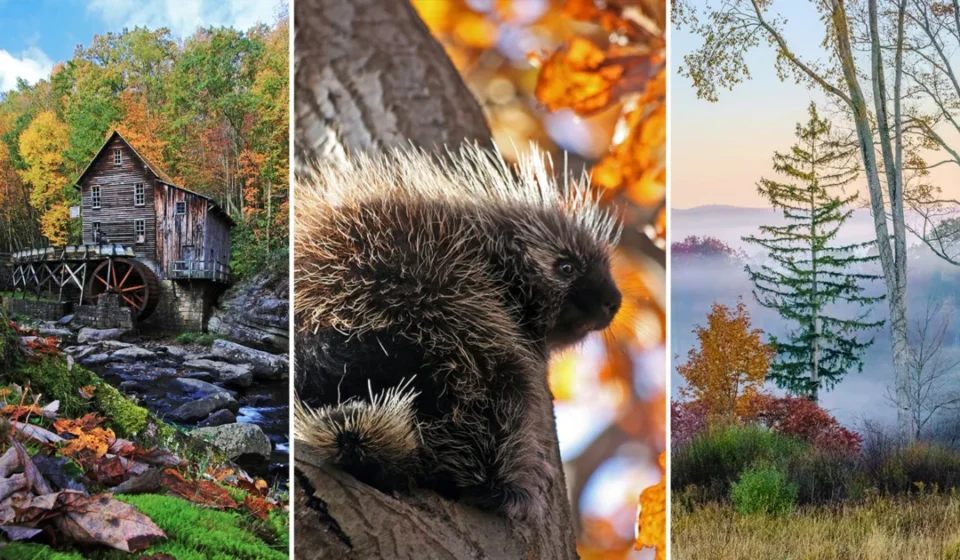
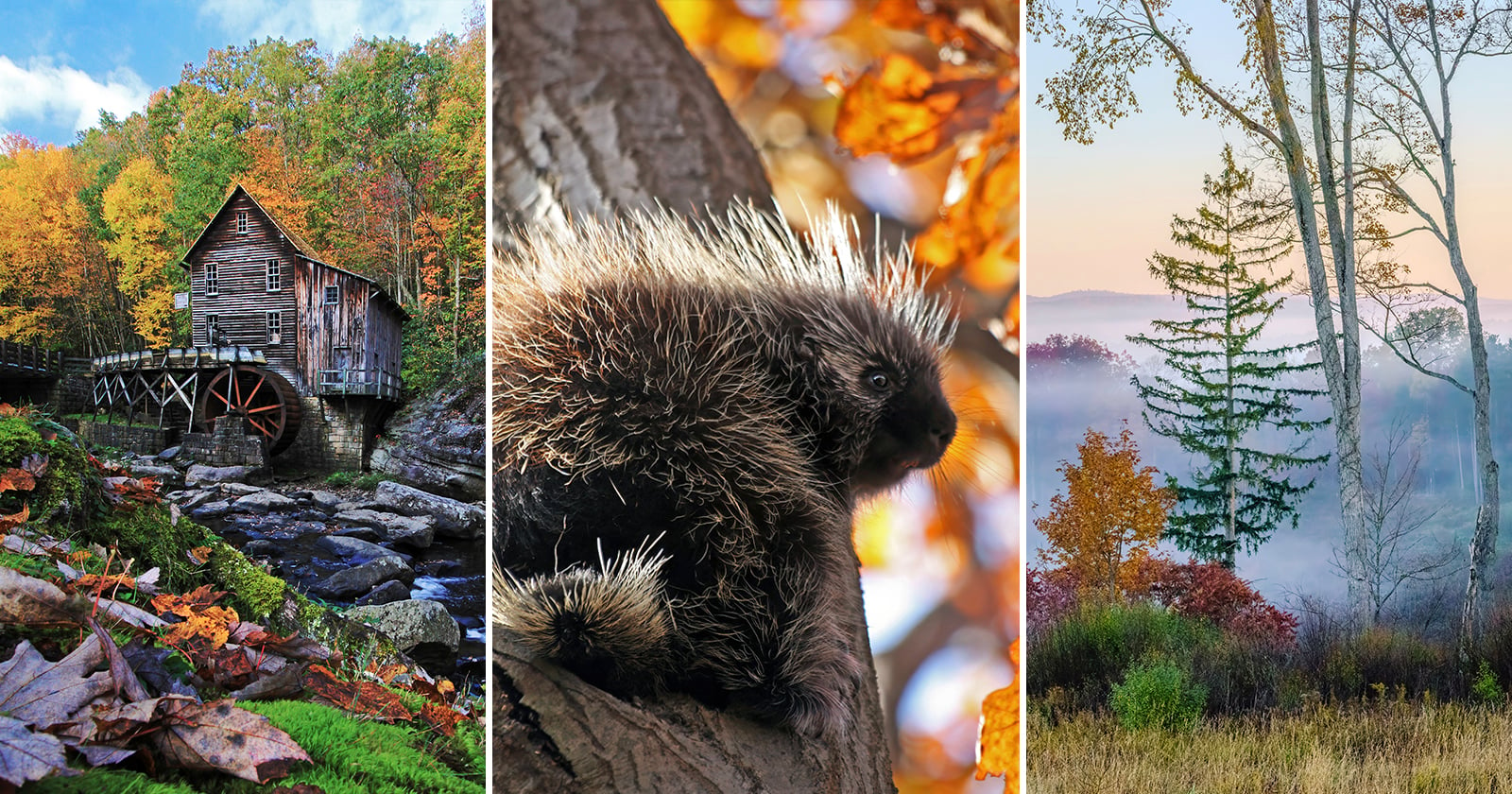
The Fall Shot List: Breaking away from single-minded destination shoots by maintaining a diverse list of subject categories (e.g., macro details, sweeping vistas, wildlife, and rustic architecture).
Weather-Driven Outings: Matching forecast conditions to specific photographic subjects rather than simply hoping for "good weather."
Active Lens Swapping: Resisting the comfort of a single all-purpose zoom lens to force fresh perspectives.
Layering and Depth: Moving beyond flat walls of color by integrating foreground elements, atmospheric mist, and telephoto compression.
The Power of Pacing: Knowing when a composition is failing and exercising the intuition to move on.
Chronology: Evolution of a Two-Decade Methodology
Garibaldi’s approach did not materialize overnight; it was forged through years of trial, error, and seasonal repetition growing up and shooting in the rugged landscapes of the American Northeast.
Phase 1: The Trap of the Iconic View (Years 1–5)
Like many beginner and intermediate landscape shooters, Garibaldi initially fell victim to the "postcard trap." Early outings were defined by chasing peak foliage dates to famous overlooks, resulting in digital hard drives filled with hundreds of nearly identical variations of the same wide-angle landscape. The focus was purely geographical—capturing where she was rather than how she felt about it.
Phase 2: Diversification and Structure (Years 6–12)
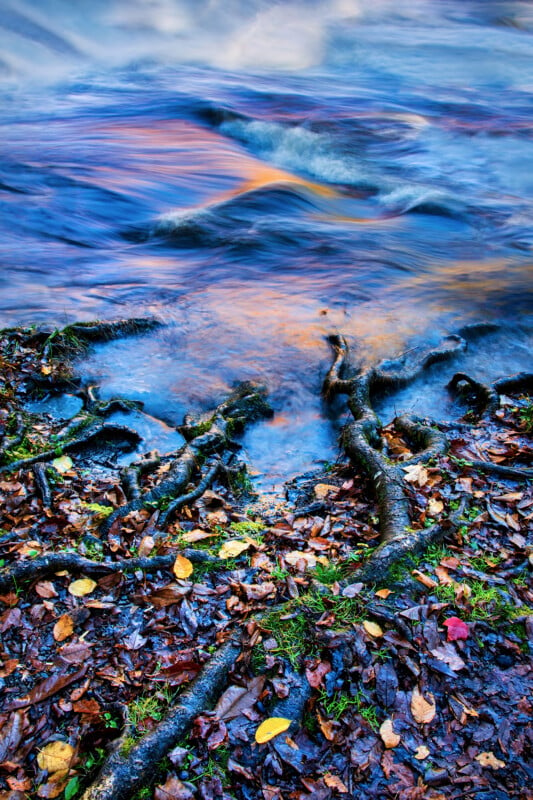
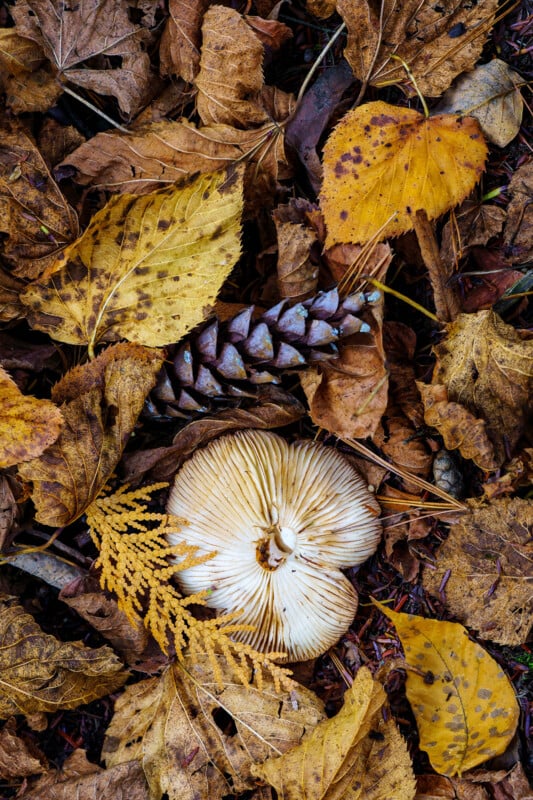
Realizing that her portfolios lacked diversity, Garibaldi began experimenting with macro photography on the forest floor and slow-shutter water studies of mountain streams. This era marked the birth of her "shot-list" philosophy. Instead of going out to photograph "fall color," she began heading into the field with specific creative goals: capturing a macro mushroom, framing a covered bridge, or isolating a distant mountain ridge with a telephoto lens.
Phase 3: Weather Integration and Technical Mastery (Years 13–20)
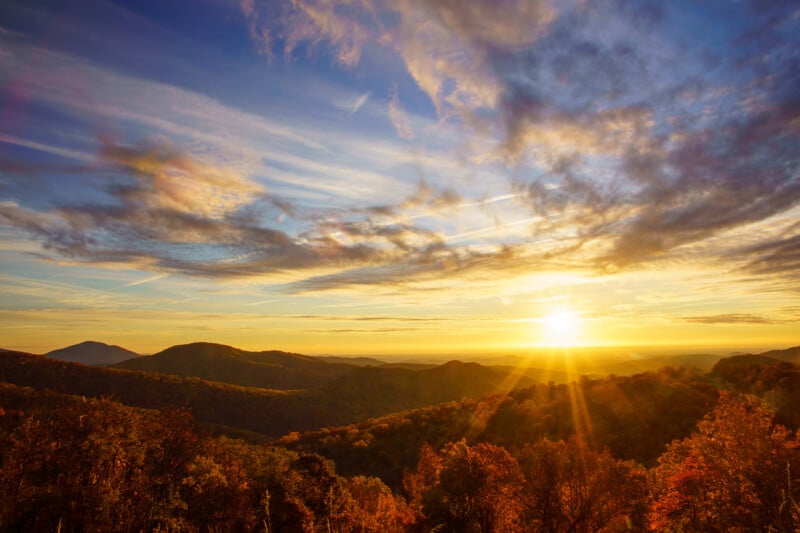
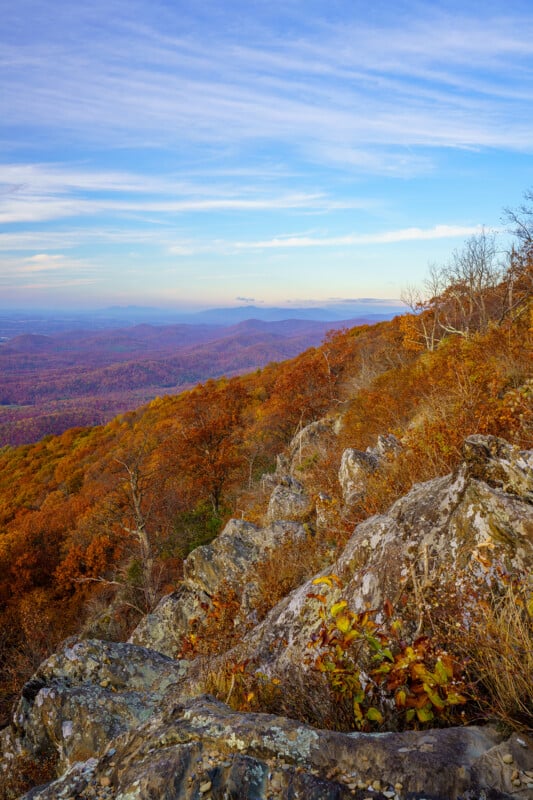
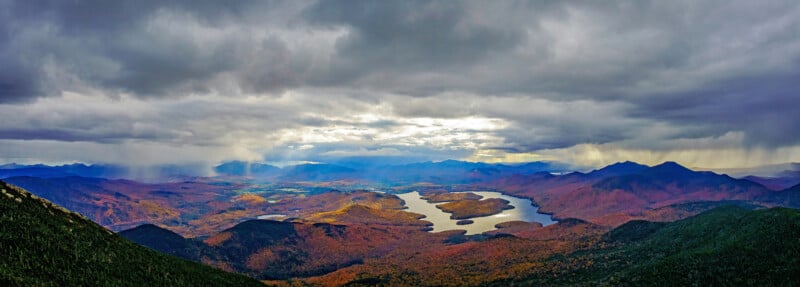
In her most recent decade of shooting, Garibaldi perfected the art of marrying meteorological conditions to artistic intent. Rather than cursing an overcast sky or sudden rain, she learned to leverage those elements. Overcast days became dedicated windows for saturated forest floors and waterfalls, while moody, partly cloudy sunrises were reserved for high-altitude vistas.
Supporting Data: Strategic Planning for the Short Season
Because peak autumn color typically lasts only a few fleeting weeks, efficiency is paramount. Weather systems dictate the feasibility of different visual approaches, transforming meteorology into a core creative tool.
The Weather-to-Subject Matrix
Weather Condition
Ideal Photographic Subject
Photographic Advantage
Overcast / Low Cloud Cover
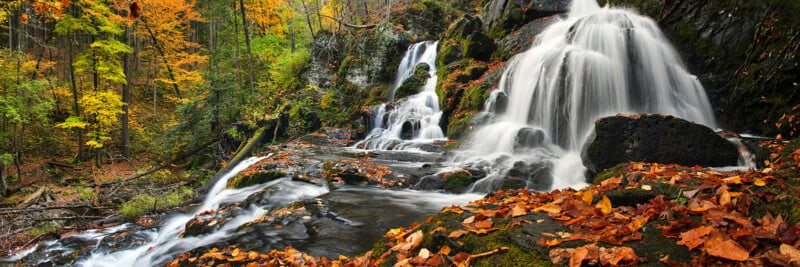
Waterfalls & Macro Details
Clouds act as a giant natural softbox, reducing harsh contrast and preserving highlight details in bright leaves.
Recent Rainfall (1–2 days prior)
Cascades, Streams, Wet Foliage
Increases water flow for dramatic long exposures; saturates rocks, moss, and fallen leaves; creates natural reflections.
Partly Cloudy at Dawn/Dusk
Mountain Vistas & Panoramic Views
Dynamic clouds interact with golden hour light, adding texture, depth, and drama to the sky.
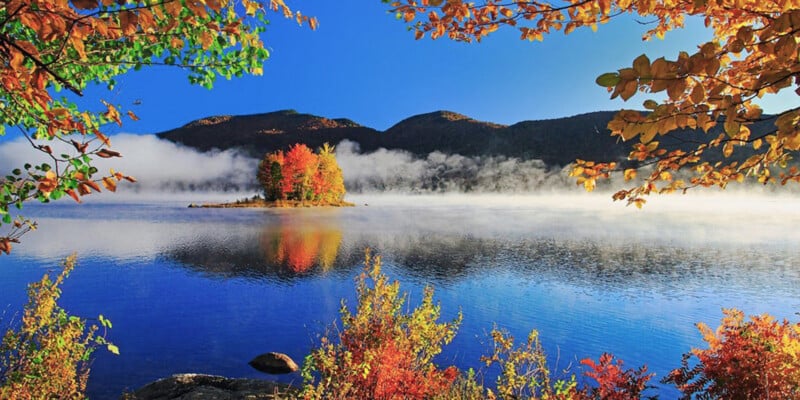
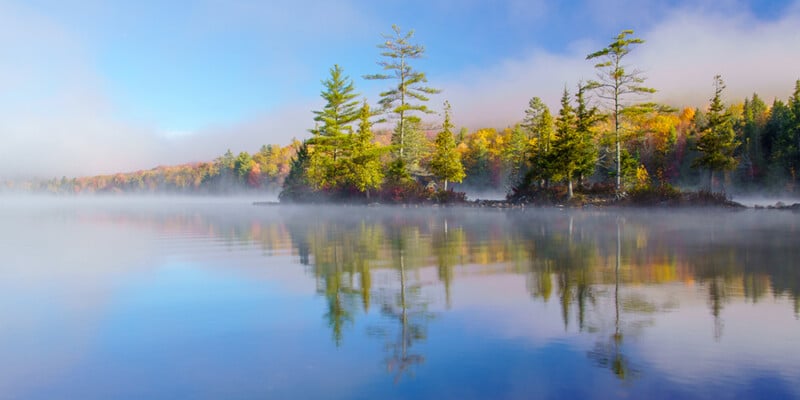
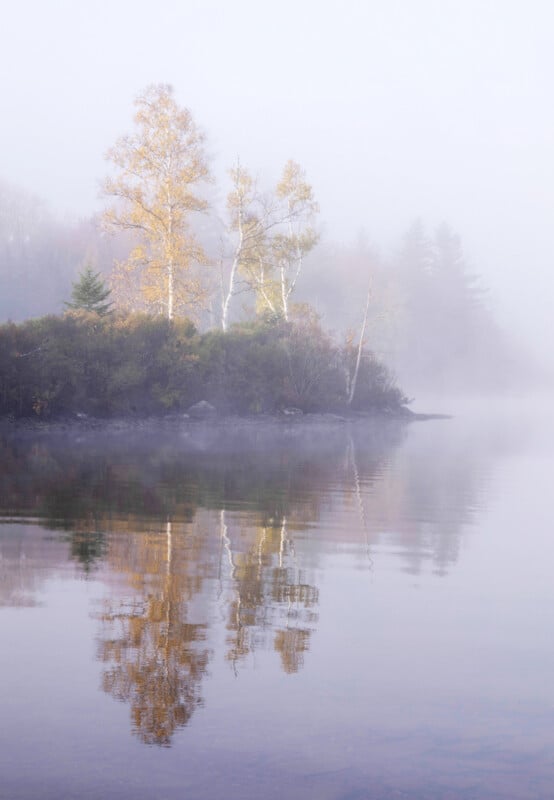
Morning Fog & Mist
Forests, Lakes, Rural Structures
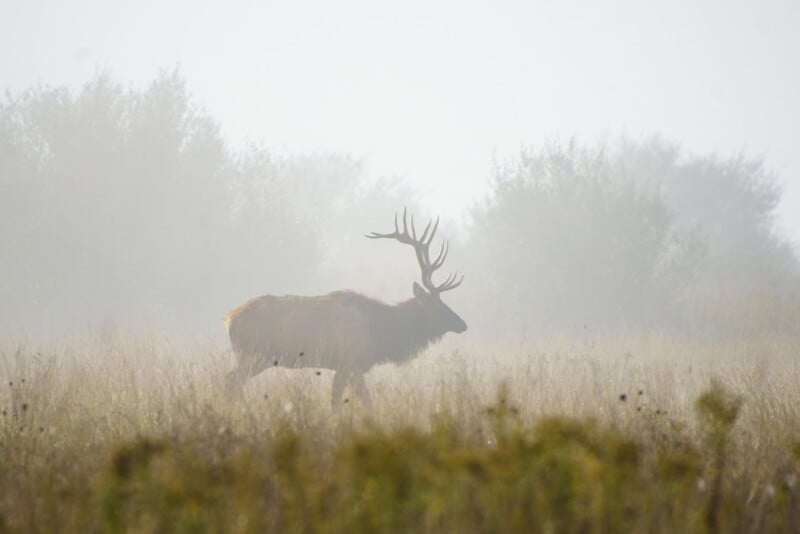
Simplifies cluttered backgrounds, separates layers of trees and hills, and adds atmospheric mystery.
The Essential Fall Shot List
Garibaldi recommends entering the season with a structured, multi-tiered shot list to ensure a well-rounded portfolio:
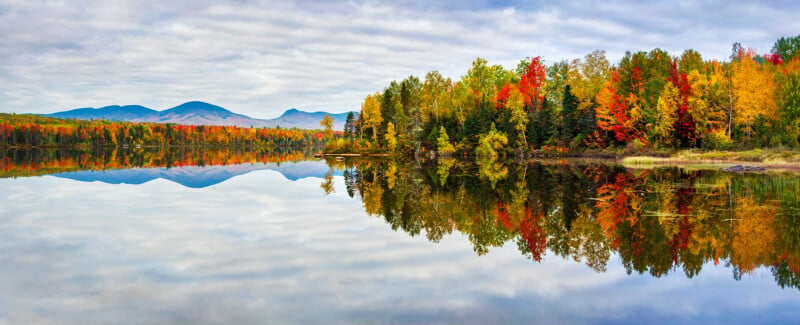
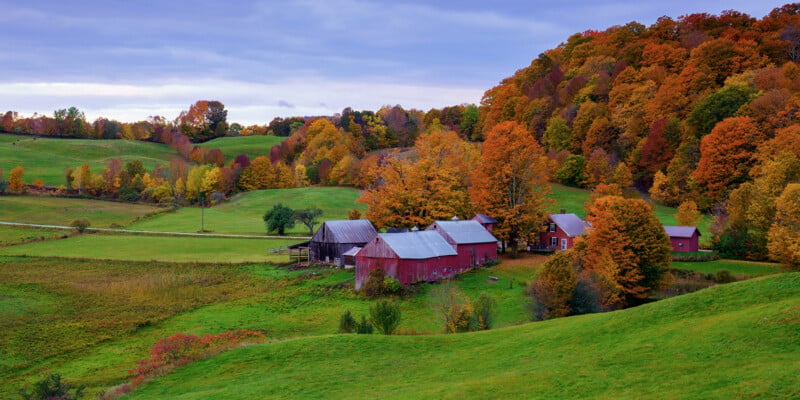
Wide Vistas & Panoramas: Capturing the grand scale of rolling, colored mountains.
Water Elements: Streams, waterfalls, and reflective lakes incorporating leading lines.
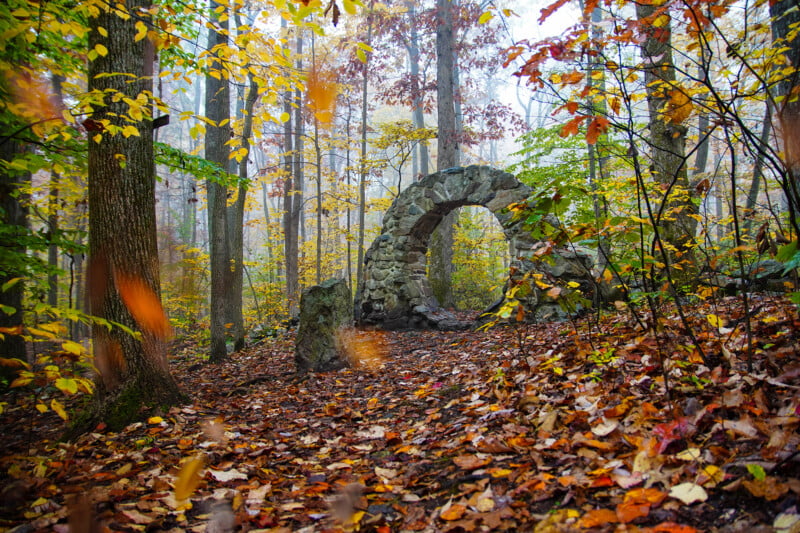
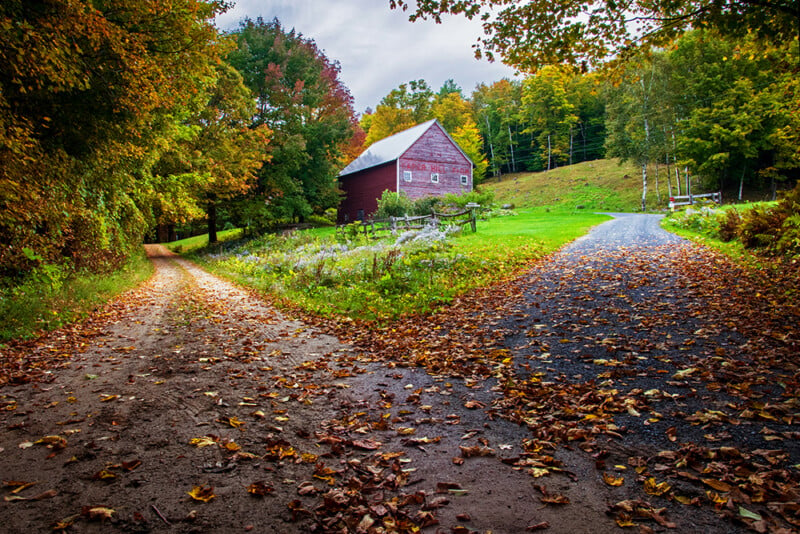
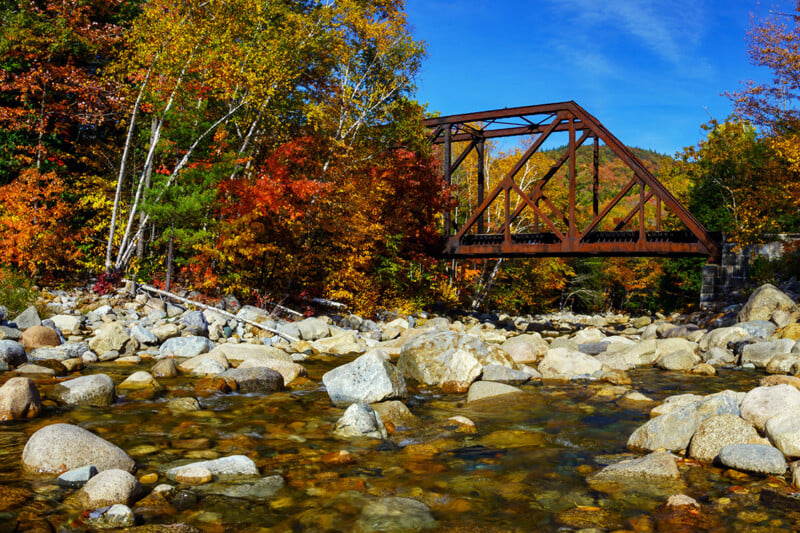
Architectural Anchors: Red barns, stone bridges, lighthouses, and rural churches that provide a human scale.
Intimate Landscapes: Forest pathways, repeating tree trunks (like aspens), and canopy layers.
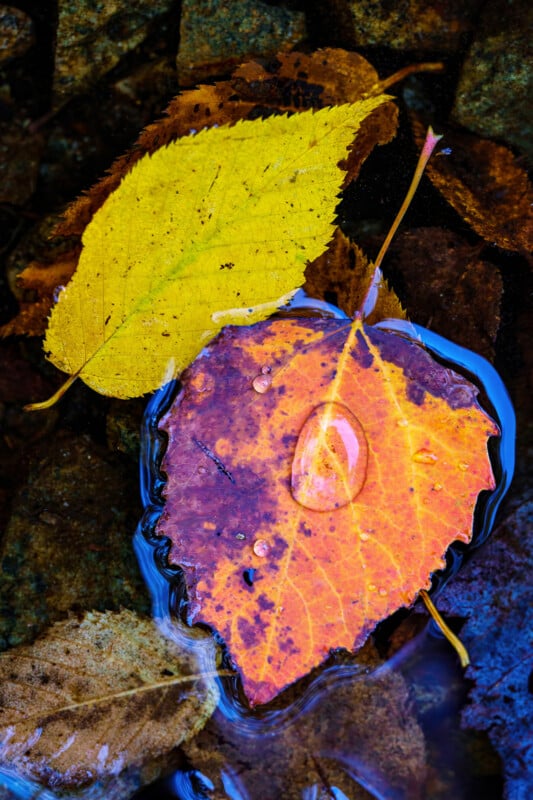
Macro & Textures: Individual leaves, vibrant green moss, bracket fungi, and forest floor debris.
Environmental Wildlife: Animals (such as elk, deer, or porcupines) integrated naturally into their colorful seasonal habitats.
Official Perspectives: The Philosophy of Seeing Differently
Garibaldi emphasizes that equipment is merely a means to an end, yet carrying the right tools dictates whether a photographer can execute their vision. Whether packing a medium-sized kit with a versatile zoom and macro lens or a heavy-duty expedition pack featuring a long telephoto glass for wildlife, preparation prevents compromise.
However, the psychological shift is far more critical than the glass attached to the camera body.
"Changing lenses isn’t simply a technical decision; it changes how I see," Garibaldi notes. "When I put a different lens on the camera, I have to stop thinking about the photograph I was just making and start looking for photographs that suit the new perspective."
Furthermore, she cautions against letting the sheer visual volume of foliage overpower good composition.
"Fall color is so visually impressive that it can be tempting to point your camera at a wall of colorful trees and assume the photograph will make itself," she explains. "That’s why I try to give the color something else to do within the composition—a hiker for scale, a weathered barn, or the sharp geometry of a covered bridge."
Implications for Modern Landscape Photographers
Garibaldi’s 20-year retrospective offers profound implications for the broader photography community, particularly in an era dominated by social media algorithms that reward repetitive, hyper-saturated icons of popular tourist destinations.
1. Combating Visual Fatigue
Audiences are increasingly fatigued by repetitive digital tourism—scrolling through endless feeds of the exact same Vermont or Pacific Northwest lookouts shot from identical tripods. By diversifying portfolios through macro work, intimate forest scenes, and variable focal lengths, photographers can carve out a distinct, artistic voice.
2. Cultivating Environmental Patience
The modern push for instant gratification clashes directly with the realities of nature photography. Garibaldi’s insistence on giving oneself time to explore a scene—waiting for wildlife to shift into a better position, or moving past a failed wide-angle vista to discover a hidden stream—underscores photography as a meditative, patient craft rather than a mechanical checklist.
3. Redefining Success
Ultimately, Garibaldi’s philosophy redefines what constitutes a successful day in the field. Success is measured not by whether a shooter captured the most famous landmark in peak condition, but by whether they exercised creative autonomy, responded intelligently to changing light, and produced imagery that feels genuinely personal.
As the autumn leaves begin to turn in the coming seasons, photographers armed with these lessons can step into the woods not merely as recorders of scenery, but as intentional visual storytellers.