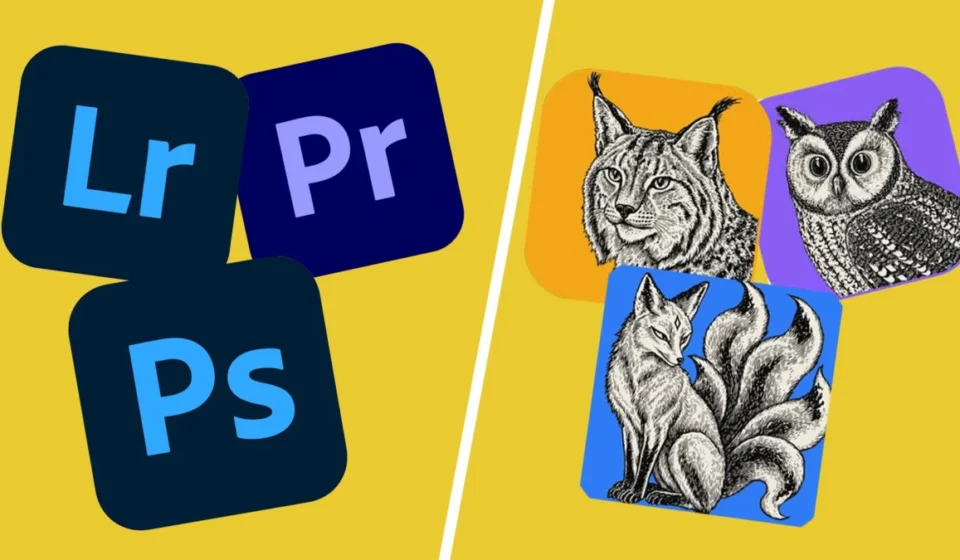
The AI-Coded Revolution: Can ‘ArtCraft’ Really Disrupt Adobe’s Creative Empire?

The creative software landscape is undergoing a tectonic shift. For decades, Adobe has stood as the undisputed gatekeeper of professional design, video editing, and digital photography. However, as of 2026, the walls of the Creative Cloud fortress are showing cracks. While established contenders like Canva’s Affinity suite and Blackmagic Design’s DaVinci Resolve have long offered viable alternatives, a radical new entrant has emerged: ArtCraft.
Developed using Anthropic’s Claude Opus 5.5, ArtCraft is a suite of AI-generated, open-source applications written entirely in the Rust programming language. Its promise is audacious: to replicate the functionality of the entire Adobe Creative Cloud ecosystem—for free. But is this "vibe-coded" project a legitimate challenger to industry giants, or merely a proof-of-concept destined to vanish?
The Genesis of ArtCraft: Coding Against the Subscription Model
The project was spearheaded by software engineer Brandon Thomas, whose motivation was born from the common frustration felt by millions of creatives: the rising costs of subscription models and the punitive nature of cancellation fees.
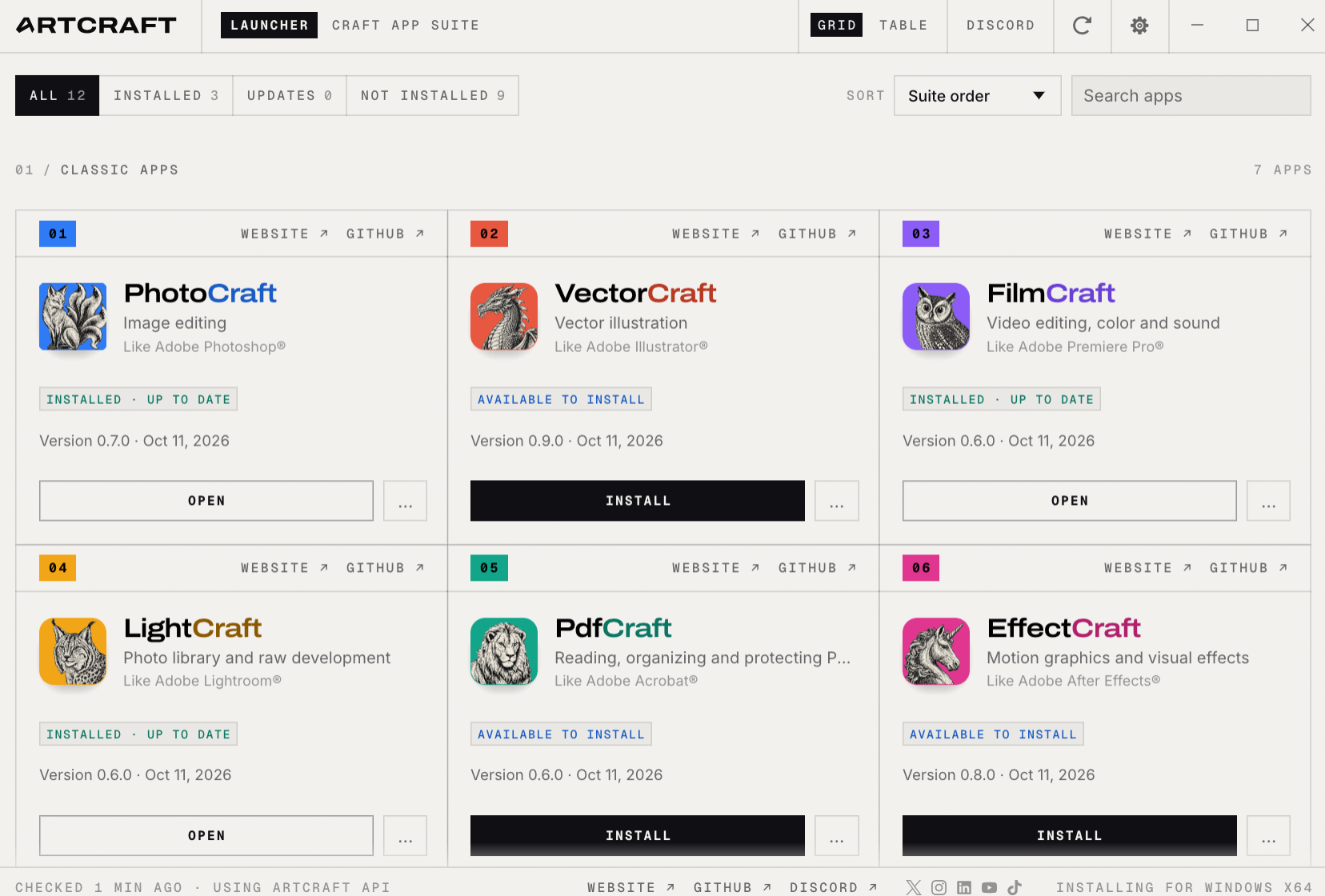
ArtCraft functions as a clean-room reimplementation of industry-standard tools. The suite includes:
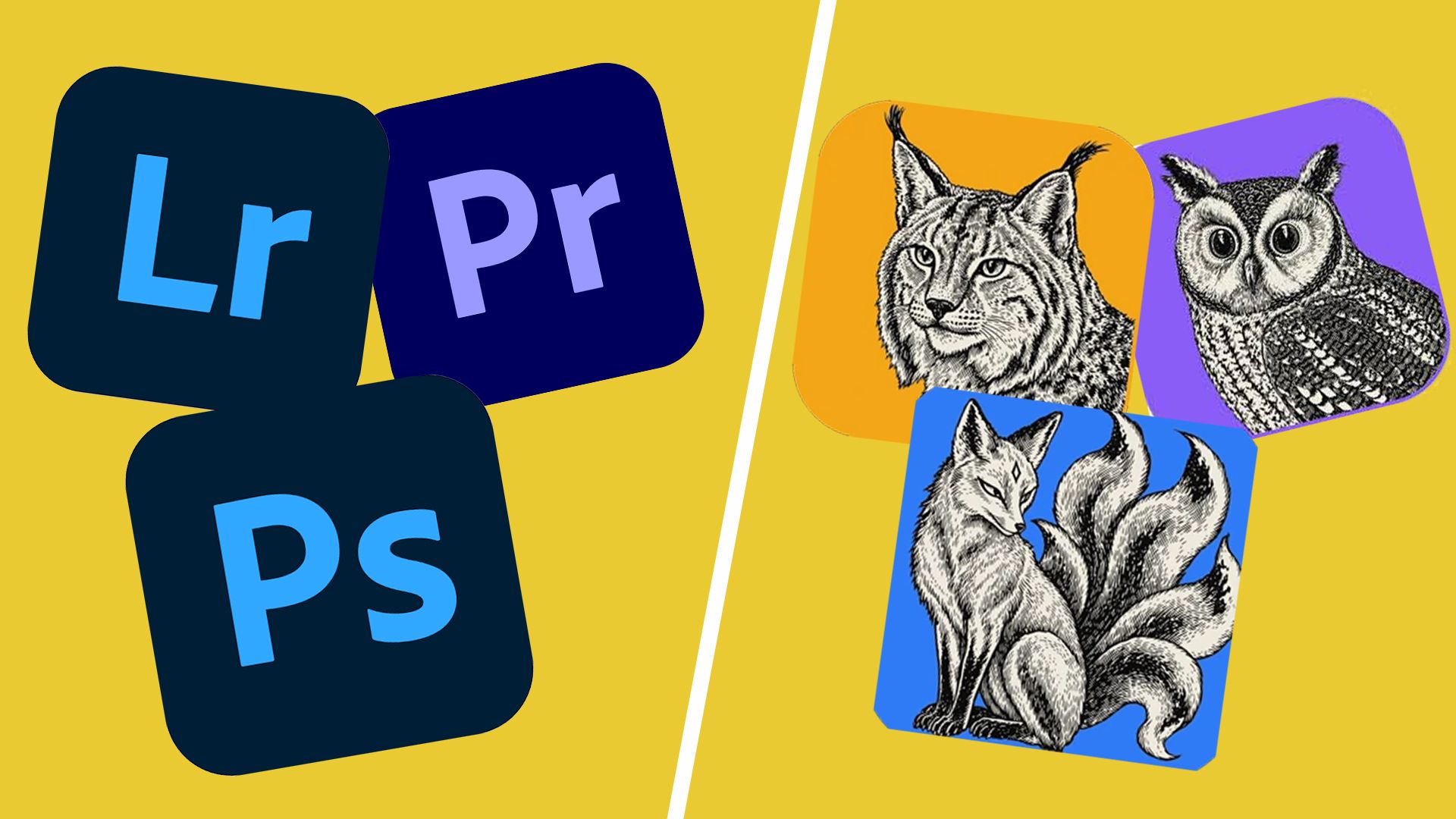
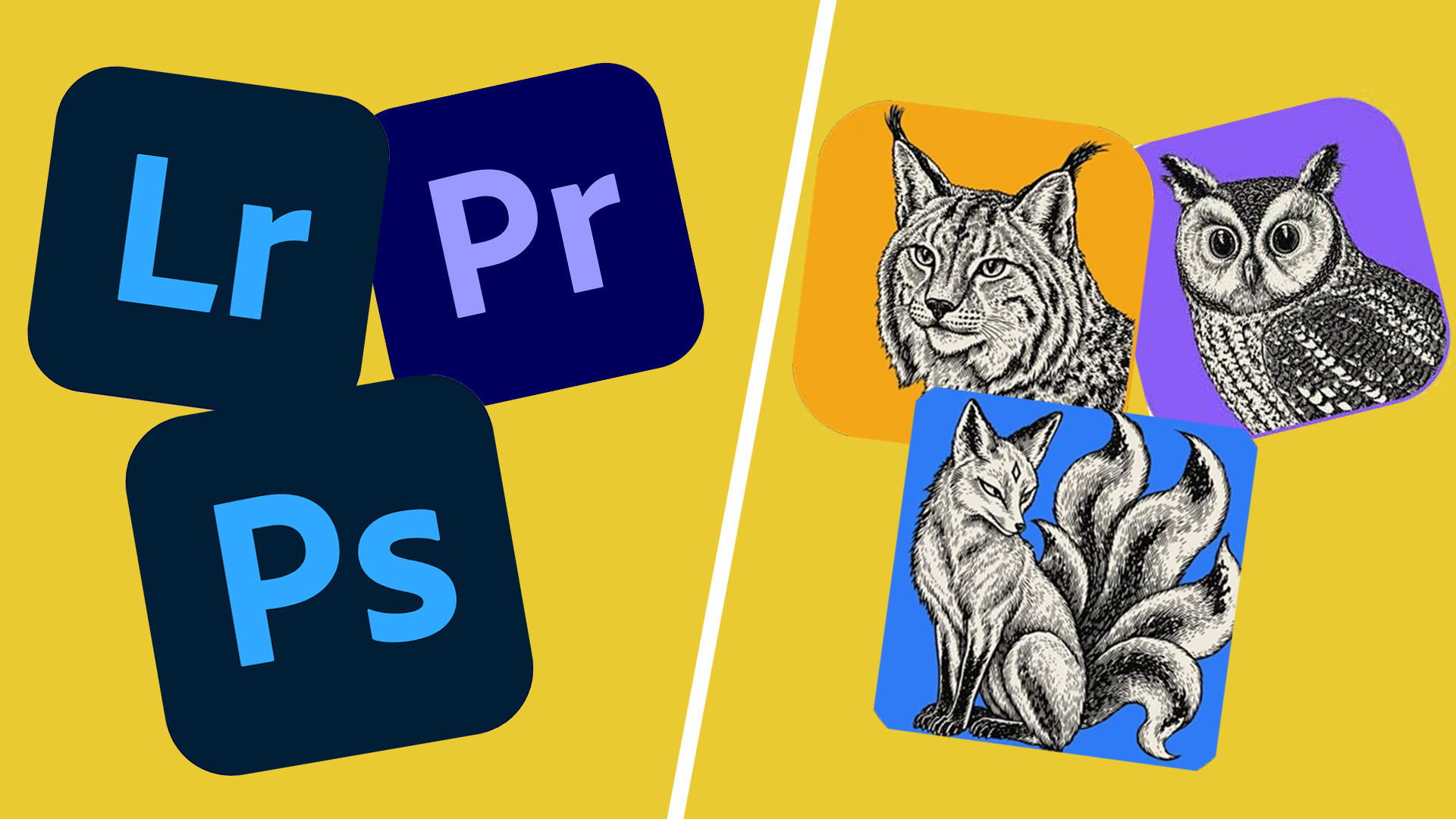
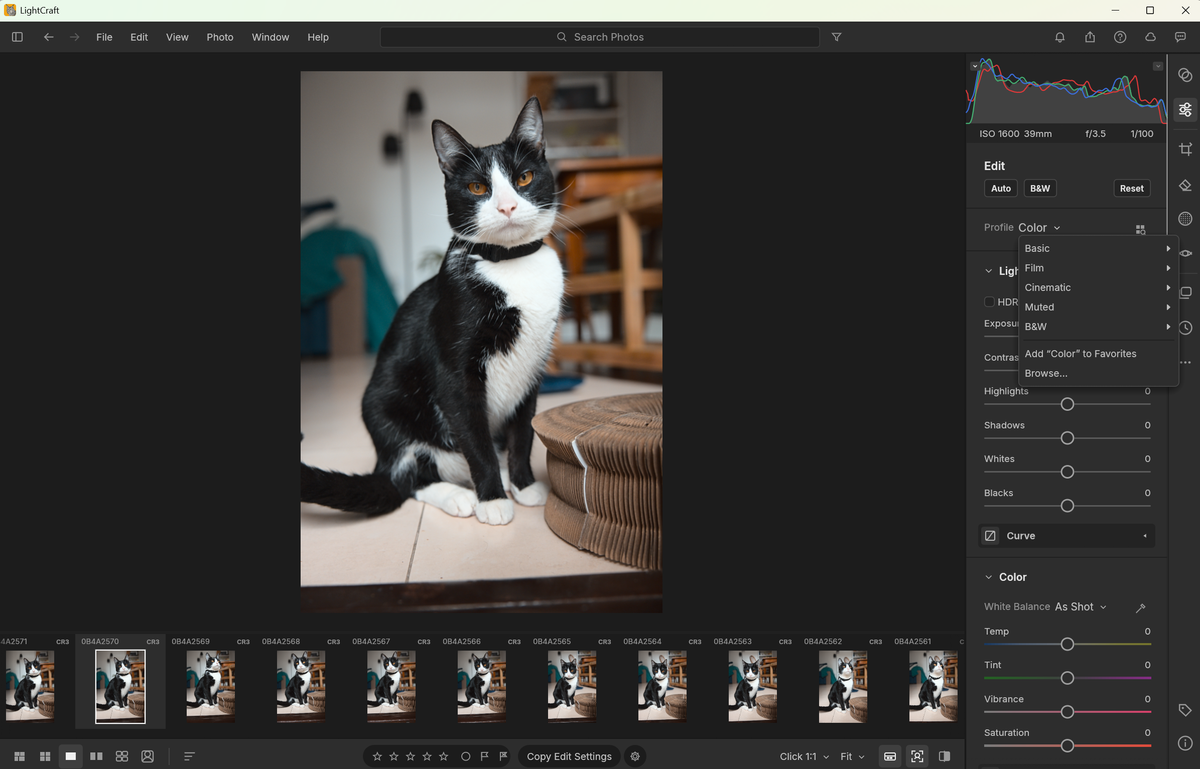
- LightCraft: A Lightroom-equivalent for raw photo processing.
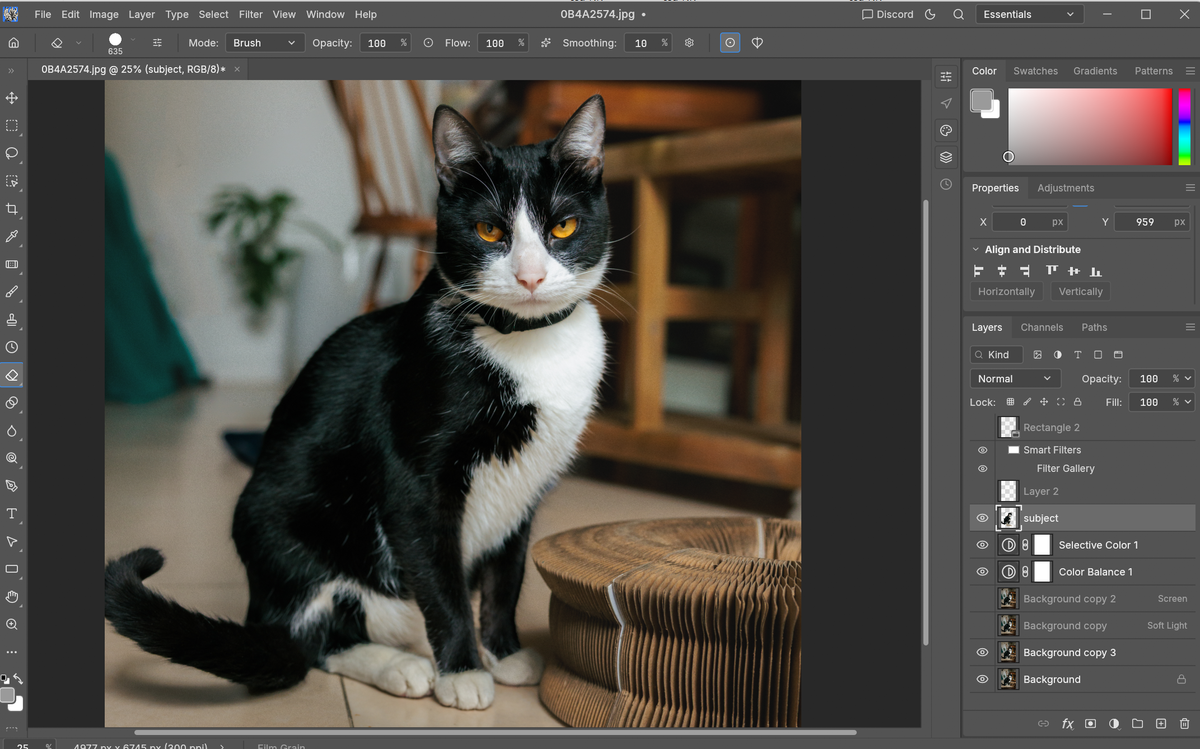
- PhotoCraft: A Photoshop-style raster editor.
- FilmCraft: A video non-linear editor (NLE) modeled after Premiere Pro.
- EffectCraft, DesignCraft, VectorCraft, and PrintCraft: Replicating After Effects, InDesign, Illustrator, and Acrobat respectively.
The developer has even expanded this effort into office productivity, launching WordCraft, GridCraft, and DeckCraft. The most striking difference between ArtCraft and its Adobe counterparts is the file size. While Adobe’s bloatware often requires multiple gigabytes of installation space, each ArtCraft application is remarkably lightweight, often weighing in at around 50MB. This efficiency is credited to the use of Rust—a language known for memory safety and high performance—and a lack of "legacy cruft" that plagues software built on decades of accumulated C++ code.
A Hands-On Assessment: The Reality of Early Alpha
To determine if ArtCraft is truly ready for professional use, we tested the suite on a high-performance Windows workstation (Intel Core i7, Nvidia RTX 5070) using source files from a Canon EOS R5.
LightCraft and the Challenge of Color Science
LightCraft presents a clean, intuitive interface that mimics the familiar Lightroom workflow. However, the experience quickly reveals the hurdles of early-stage development. Attempting to import native CR3 files directly from the camera failed, necessitating a manual file transfer to the local drive.
More concerning is the lack of native camera-matched color profiles and automated lens correction. In the professional world, where color accuracy is paramount, relying on manual vignette and chromatic aberration adjustments is a non-starter. Furthermore, while basic controls like tone curves and HSL sliders perform adequately, the sharpening tool introduces aggressive, fuzzy artifacts that are difficult to mitigate. Masking, a cornerstone of modern Lightroom, is currently hit-or-miss, with the software sometimes defaulting to radial masks rather than subject detection.
PhotoCraft: Familiarity Without the Polish
PhotoCraft succeeds in its familiarity; users of Photoshop will feel immediately at home. It handles PSD, TIFF, and PNG files with relative ease. However, the lack of support for HEIC files highlights its "alpha" status. The most glaring deficiency is the absence of generative AI features—a standard expectation for modern designers. Furthermore, the inability to preview filters before application forces a frustrating "guess-and-check" workflow that disrupts creative momentum.
FilmCraft: The NLE Bottleneck
FilmCraft is perhaps the most ambitious component of the suite, but it is currently the most limited. During testing, the software struggled with high-bitrate 10-bit 4:2:2 footage, requiring extensive transcoding via Handbrake. Without the ability to generate optimized media (proxies), editing 4K footage was a sluggish, painful experience. While basic cutting and trimming tools are present, the lack of professional-grade stability and the inability to handle .prproj files make it difficult to recommend for anything beyond hobbyist projects.
Chronology of Development and Public Reception
The project moved from a conceptual "what-if" to a functional alpha at a breakneck speed, driven by the capabilities of LLMs (Large Language Models) to generate functional, low-level code.
- Q1 2026: Brandon Thomas initiates the project, utilizing Claude Opus 5.5 to write the codebase in Rust.
- Mid-2026: Initial alpha builds for PC, Mac, and Linux are released to the public. The software is distributed via a standalone installer that requires no account, no telemetry, and no payment.
- Late 2026: Community interest surges, though professional forums remain skeptical. The project faces scrutiny regarding its long-term viability and potential legal challenges regarding intellectual property—though the developer maintains that no copyrighted code was copied.
Supporting Data: Why "Lightweight" Matters
The core appeal of ArtCraft lies in its performance-to-weight ratio. Adobe’s Creative Cloud has become notoriously heavy, requiring massive resource allocation.
| Feature | Adobe Creative Cloud | ArtCraft |
|---|---|---|
| Average Install Size | 2GB – 10GB per app | ~50MB per app |
| Language Base | Legacy C++ / Mixed | Rust |
| Pricing | Monthly Subscription | Free / Open Source |
| Account Req. | Mandatory | None |
This efficiency is not just about hard drive space; it represents a fundamental difference in architecture. By building from scratch, ArtCraft avoids the "technical debt" of Adobe, which must maintain compatibility with files and workflows that are twenty years old.
Official Responses and Legal Scrutiny
Adobe has not issued a formal statement regarding ArtCraft, a standard practice for a company of its size. However, legal analysts suggest that while an open-source clone is generally legal—provided it does not copy proprietary source code—the user interface (UI) and user experience (UX) could become a battleground. If ArtCraft copies the specific arrangement of tools and "look and feel" too closely, Adobe could potentially invoke trade dress protections.
Microsoft, too, is likely monitoring the project. With the introduction of WordCraft and its counterparts, ArtCraft is encroaching on the Office 365 monopoly, though it currently lacks the interoperability that keeps corporate clients tethered to Microsoft.
Implications for the Creative Industry
The existence of ArtCraft serves as a profound indictment of the current state of professional software. It proves that the "impossible" task of replicating massive creative suites can be achieved by a single developer with the right AI tools in a matter of months.
The AI Paradox
There is a distinct irony in the situation: Adobe, a company that has invested billions into integrating AI into its products to "save" time for creatives, is now being challenged by an AI-coded project. It suggests that AI has reached a point where it can effectively commoditize the very tools that were once considered the pinnacle of human engineering.
Is the Subscription Model Doomed?
While ArtCraft is not yet a replacement for a professional workflow, it signals a shift in consumer expectations. The "subscription fatigue" felt by designers, photographers, and filmmakers is reaching a boiling point. If a free, AI-generated alternative can eventually match the stability and feature sets of Adobe, the justification for a $60+ monthly subscription will vanish.
Conclusion: A Cautionary Tale for Industry Leaders
ArtCraft is not currently a threat to Adobe’s professional dominance. It lacks the deep integration, cloud storage, AI-denoising, generative fill, and hardware-accelerated stability that professional production houses require.
However, its existence is a warning. The barrier to entry for building complex software has effectively collapsed. For Adobe, the threat isn’t that ArtCraft will replace Photoshop tomorrow; the threat is that the democratization of development means that for every bug or missing feature in a $600-a-year subscription, there will soon be an open-source, AI-coded answer waiting in the wings.
For now, professionals should stick to proven tools like DaVinci Resolve or the Affinity suite. But keep a watchful eye on ArtCraft. It is a raw, unpolished, and buggy glimpse into a future where the power to create is no longer leased, but owned.