A New Rhythm for the Lagoon: Inside Elizabeth Unique Venice, Where 17th-Century Heritage Meets Modernist Flair

In a city defined by the relentless, often heavy-handed grandeur of its past, the arrival of Elizabeth Unique Venice marks a deliberate shift in the Venetian hospitality narrative. Located along the serene, meandering waters of the Cannaregio Canal, this new property—the first Venetian member of the prestigious Design Hotels portfolio—eschews the gilded ostentation typical of the city’s tourist-heavy epicenters. Instead, it invites guests into a space of vibrant, contemporary informality, grounding itself in the living, breathing rhythms of a district where locals still dictate the pace of life.
The Architectural Foundation: A Dialogue Between Eras
Housed within a meticulously restored 17th-century palazzo, the hotel does not attempt to mimic the past. Rather, it serves as a sophisticated vessel for a contemporary design language orchestrated by renowned Milanese architect Cristina Celestino.
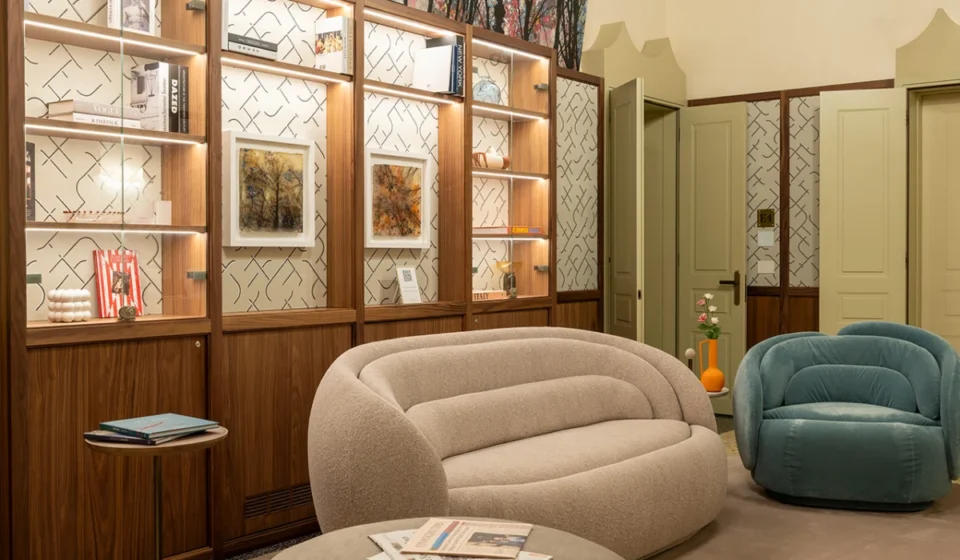
The fundamental challenge for Celestino was to honor the bones of the structure—restored decorative ceilings and heavy, age-old timber beams—without allowing them to stifle the present. Her solution was a masterful exercise in juxtaposition. By using the palazzo’s original architectural envelope as a neutral, storied backdrop, she introduced a bold palette of colors, tactile materials, and avant-garde furnishings that feel both urgent and timeless.
Chronology: From Private Residence to Design Sanctuary
- 17th Century: Construction of the palazzo, serving as a private residence reflecting the aristocratic architectural trends of the Venetian Republic.
- Modern Era: Long-term transition of the property, eventually acquired by owner Vittorio Curatella.
- Restoration Phase: A multi-year project led by Cristina Celestino to adapt the historic space for luxury hospitality while maintaining structural integrity.
- Opening: Elizabeth Unique Venice opens its doors as the inaugural Venetian property in the Design Hotels collection, signaling a new chapter for the Cannaregio district.
An Immersive Interior Experience
Across the property’s 14 rooms and suites—ranging from the cozy, intimate Initiale rooms to the expansive Spa Suites—the design narrative is one of layered complexity. Celestino has utilized the traditional Venetian terrazzo in three distinct colorways—lagoon green, deep crimson, and soft sandy tones—to create a distinct visual identity for each space.

These hues bleed seamlessly into the walls, finished in traditional marmorino plaster, and are further complemented by walnut boiserie and sophisticated wallcoverings by CEDIT. The result is a sensory experience where the walls themselves feel like a curated exhibit. In many rooms, full-wall wainscoting provides a grounding element that interacts with plush, oversized headboards, creating an atmosphere that feels like a private residence rather than a hotel room.
Supporting Data: A Material Inventory
The level of detail within Elizabeth Unique Venice is staggering, reflecting a commitment to high-end craftsmanship and global design excellence:

- Tactile Surfaces: The interiors feature accents of Carrara and Fior di Pesco marble.
- Textile Heritage: The hotel utilizes high-end upholstery from legendary houses such as Rubelli and Dedar.
- Bespoke Furnishings: Celestino designed custom sculptural mirrors and bedside tables exclusively for the property.
- Design Collaborations: The furniture collection includes statement pieces from Pianca’s Calatea armchair and glass tables by Pulpo.
- Lighting Design: The space is illuminated by a collection of iconic fixtures, including Moooi chandeliers, Fontana Arte floor lamps, and Oluce suspension lighting.
- Wet Rooms: The bathrooms are outfitted with minimalist, functional luxury via Kaldewei bathtubs and Zucchetti fixtures.
Art as a Narrative Thread
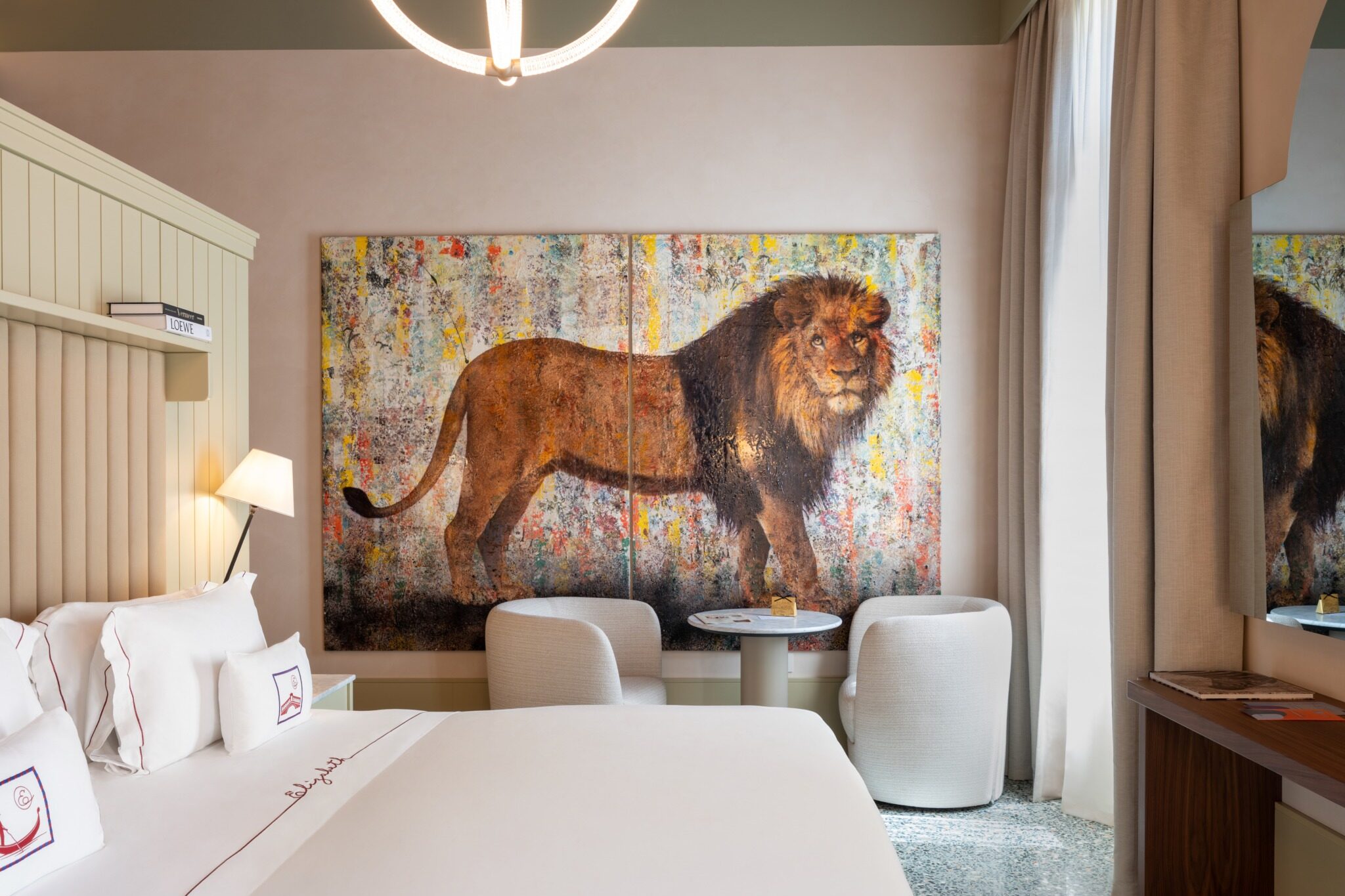
One of the most striking aspects of the hotel is its relationship with contemporary art. Rather than cluttering the space with historical replicas, the design team opted for vast, neutral wall stretches that allow contemporary works to command the room.
The hotel’s art collection was curated in partnership with the historic Galleria Russo. The result is a dialogue between the antique architecture and the modern creative spirit. These pieces are not merely decorations; they are active participants in the room’s atmosphere, encouraging guests to engage with the evolution of Italian art alongside the evolution of the city’s built environment.

Culinary Heritage: The "da GrandMa" Philosophy
The culinary heart of the property is da GrandMa Restaurant, a name that carries significant personal weight. Named for owner Vittorio Curatella’s grandmother, Elisabetta, the restaurant serves as an homage to the recipes, traditions, and warmth of his own family history.
Under the guidance of Chef Riccardo Pepe, the menu is a rejection of the "tourist menu" culture prevalent in Venice. Instead, it focuses on the authentic, slow-cooked classics of regional Italian cuisine. The restaurant space itself—characterized by low, intimate ceilings, antique glass, and a color palette inspired by the lagoon’s shifting blues and yellows—creates an atmosphere of domestic comfort. By offering breakfast all day, the property reinforces its core ethos: to encourage a slower, more deliberate way of experiencing the city.

Official Perspective: The Vision for Cannaregio
In statements regarding the project, the design and ownership team have emphasized that Elizabeth Unique Venice is not competing with the grandeur of St. Mark’s Square or the high-traffic luxury corridors of the Grand Canal. Instead, the hotel is a response to the quiet, authentic rhythms of the Cannaregio district.
"We wanted to create a place that reflects the Venice that exists outside the postcards," says the development team. By situating themselves near the historic Venetian Ghetto and the long-established wine bars and rustic trattorias of the neighborhood, the hotel positions its guests as participants in local life rather than spectators. This is a deliberate "localized character," where the hotel acts as an extension of the neighborhood rather than a fortress against it.

Implications: A Shift in Venetian Hospitality
The implications of Elizabeth Unique Venice’s arrival are profound for the city’s hospitality sector. For years, luxury in Venice has been synonymous with historical preservation at the expense of comfort or contemporary relevance. Elizabeth Unique Venice suggests that it is possible to honor the past while embracing the modern.
- The "Slow Travel" Movement: By normalizing "all-day breakfast" and prioritizing a garden oasis for evening aperitivo, the hotel is catering to a new demographic of traveler—one that values time and local immersion over sight-seeing checklists.
- Design-Led Tourism: As a member of Design Hotels, the property sets a new standard for independent luxury in the city, proving that smaller, design-centric properties can thrive without the backing of the massive, multinational resort chains.
- District Revitalization: By anchoring itself in Cannaregio, the hotel highlights the viability of secondary districts, potentially easing the over-tourism burden on the city center by redirecting high-value travelers to under-appreciated corners of the archipelago.
Conclusion
Elizabeth Unique Venice is a testament to the idea that heritage is not a static object to be preserved in amber, but a living, changing dialogue. By marrying the structural soul of a 17th-century palazzo with the expressive, color-forward vision of Cristina Celestino, the hotel has created a unique vantage point from which to view the city. It is a space that finds its character exactly where the old world ends and the new one begins—a quiet, vibrant sanctuary for those who wish to see Venice, not as a museum, but as a home.