Inside the Forbidden Box: Hands-On With the Unreleased Xtra Muse 2 Pro Amid U.S. Regulatory Limbo

By Kate Garibaldi
Published in partnership with PetaPixel
Main Facts: A Forbidden Gadget in American Hands
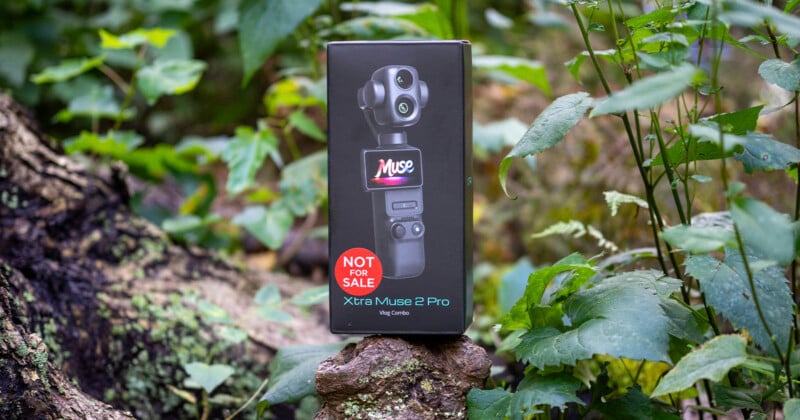
In the fast-moving world of consumer electronics, early access is usually a badge of honor for tech reviewers and digital creators. But when a sleek black product box bearing the bold, red sticker reading “NOT FOR SALE” arrived at my doorstep, it represented something far more complicated than a routine product sampling.
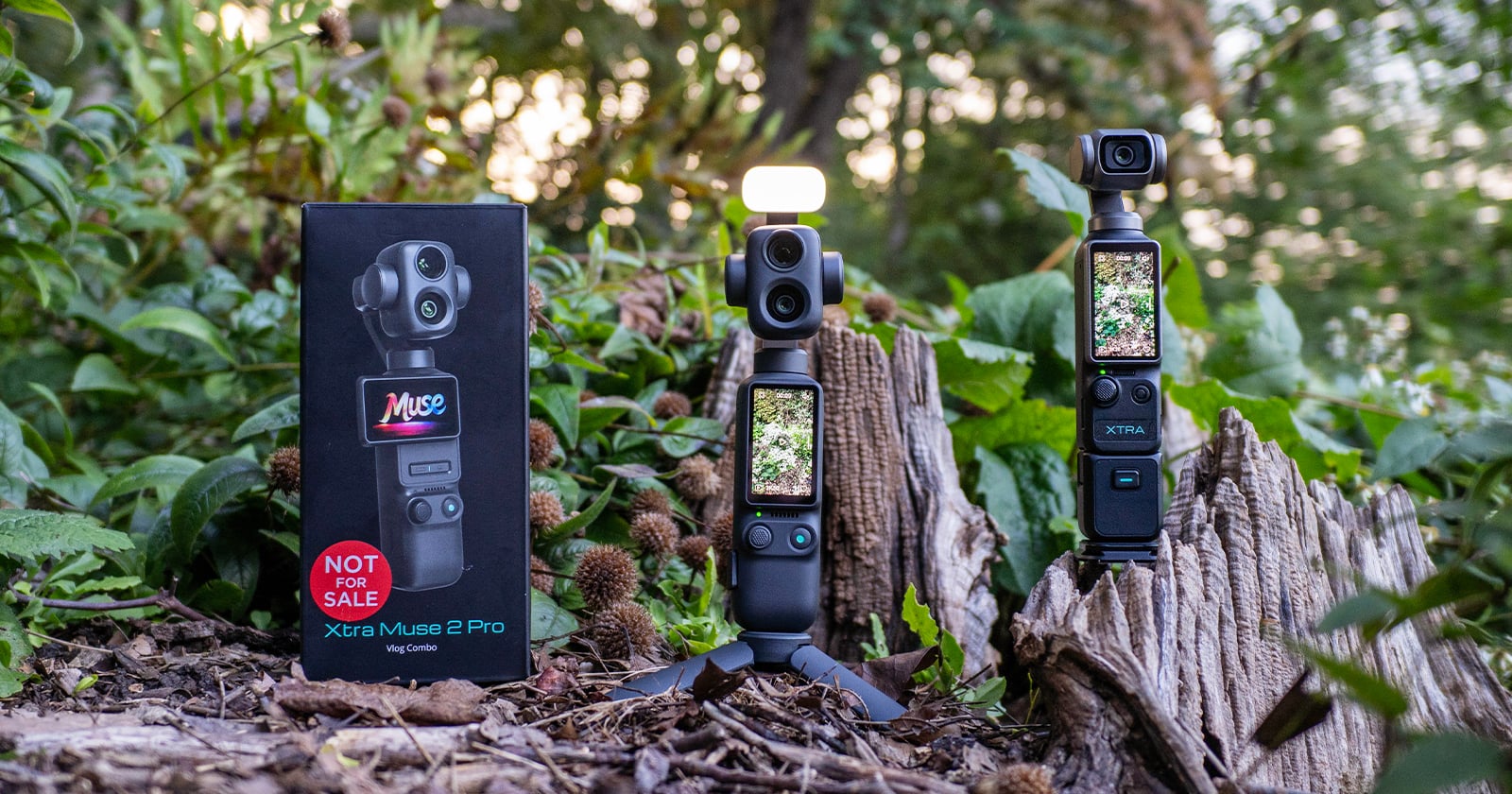
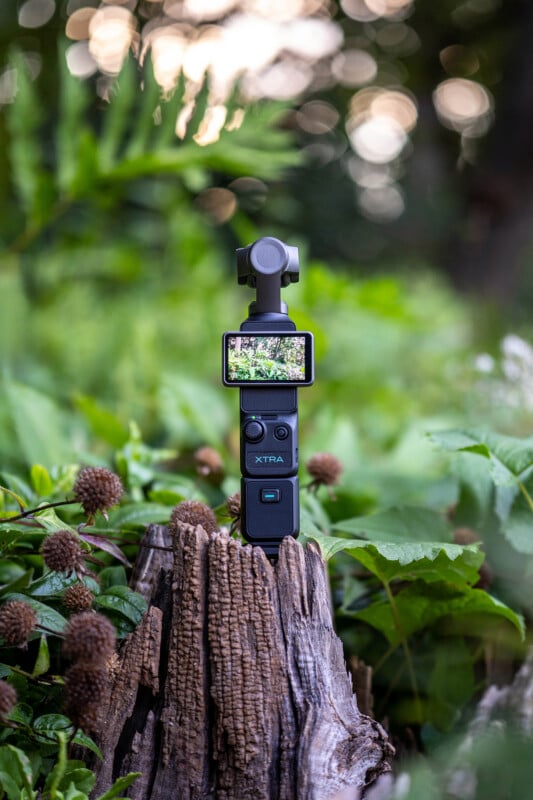
The device inside was the Xtra Muse 2 Pro—a pocket-sized, dual-lens, three-axis mechanical gimbal camera that has captured the imagination of mobile filmmakers worldwide. There is just one glaring problem: at present, the general public in the United States cannot legally purchase one.
While Xtra originally positioned the Muse 2 Pro as an imminent retail product for American consumers, escalating regulatory hurdles involving the Federal Communications Commission (FCC) have grounded its U.S. launch indefinitely. Yet, through a combination of creator outreach programs and international supply chains, a select few—including myself, named an "Xtra Aesthetic Master" in May—are currently testing a device that remains largely prohibited from entering the domestic commercial market.
This review explores how this pocket gimbal ended up in my hands, what it is like to use a forbidden piece of hardware, and the broader geopolitical and regulatory shadow hanging over the creator economy.
Chronology: From Creator Buzz to Regulatory Gridlock
To understand how the Muse 2 Pro became one of the most elusive gadgets of 2026, it is necessary to retrace the timeline of its troubled rollout.
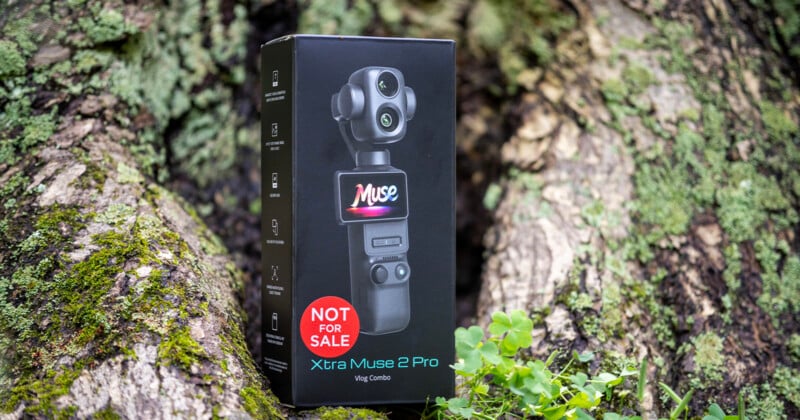
- Late May 2026: Xtra launches its ambitious "100 Creators for Xtra Muse 2 Pro" program on Instagram. Photographers and videographers are invited to share their work, tag the brand, and nominate peers. Selected creators are designated "Xtra Aesthetic Masters" for their "eye for mood, light, and style."
- June 2026: The first wave of creators is announced, with units promised to arrive shortly. Curiously, during this same month, the Muse 2 Pro manages to secure a standard FCC equipment authorization, complete with company attestations that the hardware complied with existing regulatory frameworks.
- July 2026: Momentum screeches to a halt. Xtra abruptly pauses its U.S. "Early Bird" reservation program—which had required a refundable $20 deposit—and begins issuing refunds to prospective buyers. The company cites an inability to confirm a reliable launch timeline for the American market.
- Mid-2026 (Ongoing): The FCC intensifies broader investigations into imported consumer technology, specifically targeting companies accused of leveraging or distributing tech tied to restricted entities like DJI. While the federal agency proposes steep monetary forfeitures and trade restrictions against Xtra and allied firms, Xtra’s existing legacy products remain operational in the U.S. under active review.
- September 2026: Creator review units arrive across the U.S., stamped with "NOT FOR SALE" warnings. Meanwhile, no official commercial release date has been announced for American retail channels.
Supporting Data: Hardware Specifications and Optical Performance
For photography and video enthusiasts, the frustration surrounding the Muse 2 Pro’s unavailability is compounded by just how impressive its spec sheet is on paper. It bridges the gap between conventional smartphone limitations and bulky mirrorless setups.
Technical Specifications Matrix
| Feature | Specification |
|---|---|
| Primary Sensor | 1-inch CMOS sensor |
| Aperture & Lens | f/2.0 aperture, 20mm-equivalent wide-angle primary lens |
| Secondary Camera | Integrated telephoto lens providing approximately 3x optical reach (60mm equivalent) |
| Stabilization | 3-axis mechanical gimbal |
| Video Capabilities | Up to 4K resolution at 240 frames per second |
| Color Profile | 10-bit X-Log 3 supporting up to 17 stops of claimed dynamic range |
| Internal Storage | 103GB of built-in flash storage |
| Included Accessories | Vlog combo kit featuring a miniature LED fill light and a portable tripod base |
Unlike traditional action cameras or smartphones that rely on tiny sensors and heavily processed digital stabilization, the Muse 2 Pro utilizes a 1-inch sensor paired with physical mechanical stabilization. This structural design choice dramatically alters low-light performance and background separation, yielding natural optical bokeh rather than the artificial, edge-detection blurs often seen in mobile portrait modes.
Official Responses and Regulatory Context
The regulatory roadblock facing Xtra is part of a much larger, highly charged policy environment in Washington. The FCC’s ongoing scrutiny of foreign tech manufacturers has created an atmosphere of intense caution within the customs and import sectors.
In July, federal regulators proposed a $25,000 forfeiture against Xtra alongside sweeping measures to restrict the importation and marketing of hardware deemed to share DNA or supply chains with restricted DJI ecosystem products.
However, regulatory experts note an important legal distinction: these proposed actions represent an ongoing enforcement process rather than an immediate, blanket ban on every product manufactured by the company. Xtra has maintained open lines of communication with the FCC, asserting that its previously released products remain legally compliant and fully supported in the U.S. market, even as future rollouts—like the Muse 2 Pro—remain frozen in bureaucratic limbo.
For the end consumer, this nuance offers little practical comfort. You cannot browse to Xtra’s website, add a Muse 2 Pro to your cart, and have it shipped to your door. The hardware sitting on my studio desk exists in a strange regulatory gray zone: legal to possess as a promotional sample, but blocked from commercial distribution.

Implications: What It’s Like to Use the Muse 2 Pro in the Field
Having spent months working with the original first-generation Muse while waiting for the delayed Pro model, the physical and operational upgrades are immediately apparent upon unboxing.
Field Testing and Image Quality
The dual-camera array adds a noticeable heft to the gimbal head, giving the device a more robust presence. Out in the field—ranging from damp botanical greenhouses to evening hikes stretching into the blue hour—the camera proved remarkably resilient.

- Autofocus and Tracking: The subject-tracking algorithm is exceptionally snappy. When subjects momentarily leave the frame and return, the camera quickly re-locks focus without hunting aggressively.
- Low-Light Capability: While extreme darkness forces the camera to hunt for focus (much like a standard mirrorless body), moderate twilight yields remarkably clean files. Colors hold up well under 10-bit X-Log 3 profiles, offering significant grading latitude in DaVinci Resolve without requiring aggressive noise reduction.
- Comparison to Classics: For solo vloggers and travel creators, the Muse 2 Pro completely eclipses older dedicated compact cameras like the Canon PowerShot G7 X series. The combination of native 4K slow motion, mechanical stabilization, and automated tracking provides creative freedom that would traditionally require a second person behind the camera.
The Creator Dilemma
Ultimately, holding an unreleased, restricted gadget evokes mixed emotions. It feels like possessing a sneak peek at the future of solo content creation—a tool that effortlessly captures cinematic depth of field, fluid motion, and crisp audio-visual stories without weighing down a backpack.
Yet, the red warning sticker on the box serves as a sobering reminder of the fragile nature of global tech supply chains. Until Xtra navigates its ongoing compliance dialogue with the FCC, the Muse 2 Pro will remain an object of desire for American creators: a brilliant piece of engineering that can be admired online and reviewed in print, but cannot be bought.