
In the ever-evolving landscape of global travel, recent days have brought a wave of significant developments that challenge the status quo for passengers, environmental advocates, and tourism officials alike. From a major shift in U.S. airport accessibility to social unrest in the Mediterranean and environmental tragedies in the Nevada desert, the travel sector is navigating a complex intersection of security, infrastructure, and international relations.
1. The Gateside Revolution: Reimagining Airport Accessibility
In a move that marks the most significant change to American airport terminal access since the post-9/11 era, the Transportation Security Administration (TSA) has unveiled a new pilot program titled "Gateside." This initiative allows select TSA PreCheck members to bypass the traditional requirement of holding a boarding pass to enter the secure areas of airport terminals.
The Mechanism of Access
The program is currently active at 13 major U.S. hubs, including Los Angeles International (LAX), Dallas Fort Worth (DFW), Harry Reid International in Las Vegas, and Salt Lake City International. For eligible travelers—specifically those holding a Known Traveler Number (KTN)—the process is streamlined but strictly regulated. Participants must apply online one to three days prior to their planned visit. Upon TSA approval, visitors pass through dedicated PreCheck security lanes, granting them access to the terminal for the duration of the calendar day.
Implications for the Passenger Experience
This policy reversal is designed to facilitate family reunions, assist elderly or disabled travelers, and allow for a more fluid experience during layovers. By permitting non-passengers to utilize terminal amenities, shops, and restaurants, the TSA is essentially reviving the pre-2001 culture of the airport as a public meeting space. As the program expands, industry analysts expect a boost in non-aviation revenue for airports, though the logistics of maintaining security integrity remain a top priority for federal officials.
2. Infrastructure Resilience: Restoring Water to the Grand Canyon
The iconic South Rim of the Grand Canyon has faced a precarious month following a catastrophic flash flood on August 29. The deluge, which claimed two lives and resulted in scores of rescues, decimated the aging Transcanyon Waterline, a critical artery for the park’s water supply.
A Race Against Time
Despite the devastation, park officials have offered a glimmer of hope: a temporary water intake at Bright Angel Creek is currently under construction. Engineers estimate that this interim solution will restore water pumping to pre-flood levels within weeks. This project is running parallel to a $200 million, long-term overhaul of the 12.5-mile pipeline, a project that was miraculously largely spared by the storm.
The Burden of Conservation
The ongoing crisis marks the third time since August 2024 that overnight stays have been suspended due to waterline failures. While the park remains open to visitors, businesses and residents are under strict mandates to conserve water. The success of the temporary fix relies heavily on continued reduced consumption, highlighting the vulnerability of national park infrastructure to the increasing frequency of extreme weather events in the American Southwest.
3. Diplomatic Friction: Thailand and Israel Address Tourism Conduct
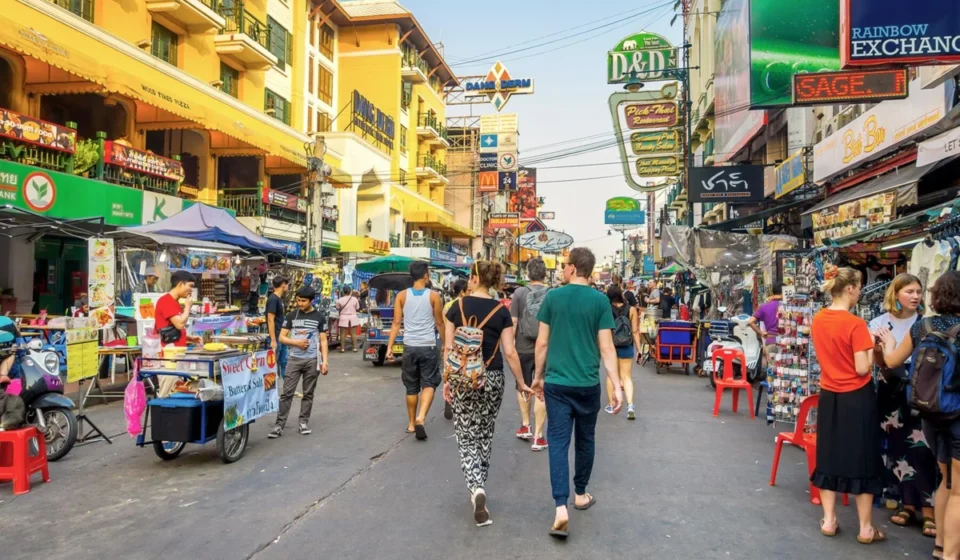
International tourism is rarely just about leisure; it is a matter of state diplomacy. This week, the Thai government signaled its growing frustration regarding the conduct of foreign tourists, specifically calling for a high-level dialogue with Israeli officials.
The Meeting of Minds
On September 8, Deputy Prime Minister and Foreign Minister Sihasak Phuangketkeow convened with Israeli Ambassador Alona Fisher-Kamm in Bangkok. The agenda focused on the behavioral friction between some Israeli tourists and local communities. The Thai government has made it clear that while tourism is a vital economic pillar, it is not a "free pass" to disregard local laws or customs.
Broader Economic Tensions
The diplomatic discourse is occurring against a backdrop of increasing anti-foreign sentiment regarding business ownership. Protests scheduled in Bangkok reflect deep-seated concerns that foreign nationals—from Israel, China, Russia, and beyond—are utilizing "nominee" structures to bypass Thai regulations on business ownership. As the Thai government looks to tighten its oversight, the diplomatic task for the Israeli embassy will be to implement a "code of conduct" for their citizens while simultaneously addressing the broader economic grievances raised by local Thai business owners.
4. The "Flamingo Revolution": Albania’s Coastal Conflict
In the Balkans, the proposed development of a luxury coastal resort has ignited a fierce, 100-day protest movement in Albania. The project, which has been linked to Jared Kushner, has become a lightning rod for broader anti-government sentiment in Tirana.
Clashes in the Capital
Tuesday marked a boiling point for the movement, as protesters clashed with riot police outside the Albanian parliament. The demonstration, characterized by the symbolic use of pink flamingos to highlight the ecological fragility of the coastal development site, turned physical as protesters threw projectiles at official vehicles.
The Geopolitics of Development
While the government of Prime Minister Edi Rama champions the project as a necessary step toward modernization and economic growth, opponents view it as an environmental disaster and a privatization of public coastline. The involvement of the Trump family—with Ivanka Trump publicly supporting the venture—has internationalized the dispute, turning a local land-use issue into a point of contention involving global political figures and the future of Albania’s protected natural spaces.
5. A Dark Note: Tragedies at Burning Man 2026
The 2026 Burning Man festival in Nevada’s Black Rock Desert concluded on a somber note. While the event is renowned for its radical self-reliance and community spirit, this year was marred by three attendee deaths, an anomaly that has triggered rigorous investigations by Pershing County authorities.
The Toll of the Desert
The deceased included Sampson Tshombe, 50s, who was found in Black Rock City; Craigh Mann, 60, discovered in a trailer; and Armando Ramirez, 51, who passed away while being transported for medical care. Authorities have stated there are no immediate signs of foul play, with toxicology and autopsy results pending for all three cases.
Safety and Oversight
Burning Man is a massive undertaking, transforming a barren desert floor into a temporary city of tens of thousands. With a historical average of one death per year, this year’s triple fatality rate has drawn scrutiny regarding the safety protocols and medical infrastructure required to support such a large, isolated population. As the dust settles in the Black Rock Desert, organizers are facing pressure to re-evaluate their emergency response and health safety frameworks to ensure the festival remains a sustainable event for future years.
Summary and Implications
The travel industry is currently navigating a period of significant transformation. Whether it is the integration of high-tech security protocols at U.S. airports, the struggle to maintain aging infrastructure in the face of climate-induced disasters, or the diplomatic and social costs of international tourism, these stories underscore a fundamental truth: travel is never a vacuum. It is deeply connected to the political, environmental, and social health of the world. As we look toward the remainder of the year, the industry must prioritize transparency, sustainability, and diplomacy to ensure that the global movement of people remains both safe and respectful.