The 2026 C-Suite Playbook: Why Employee Advocacy is No Longer a "Nice-to-Have" Marketing Experiment

NEW YORK — Securing C-suite buy-in for modern marketing initiatives has rarely been about raw passion; rather, it is a clinical exercise in proof, predictability, and ROI. As enterprise organizations face tightening ad efficiencies, rising customer acquisition costs, and widespread ad fatigue, corporate leaders are shifting their gaze inward.
According to comprehensive new data released by Sprout Social, the debate surrounding employee advocacy has fundamentally evolved. No longer treated as an informal side project or an experimental social media tactic, structured employee advocacy has matured into a foundational growth engine. With 68% of marketers reporting that their organizations already operate a formalized advocacy program, the strategic imperative for 2026 is clear: businesses that fail to turn their workforces into trusted digital advocates are leaving millions of impressions, qualified leads, and top-tier candidates on the table.

Main Facts: The Current State of Employee Advocacy
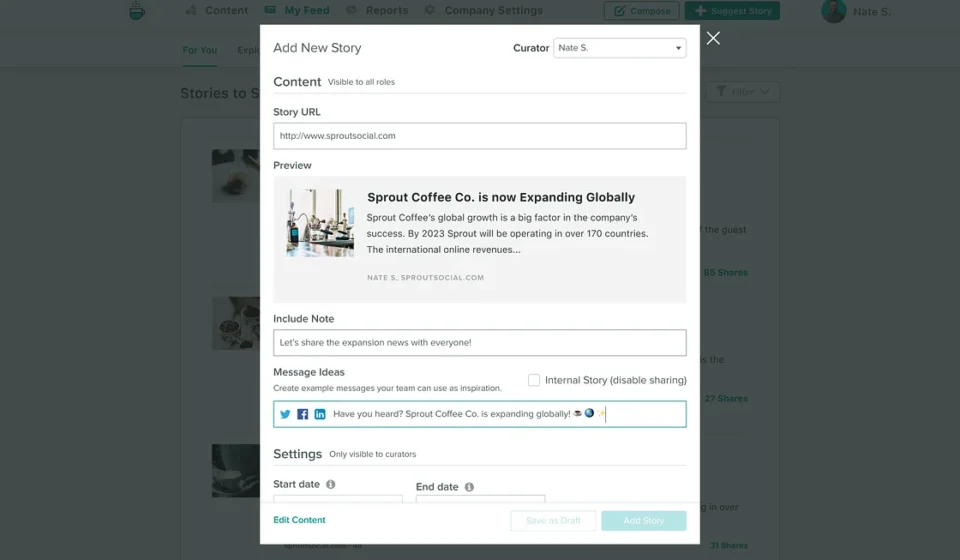
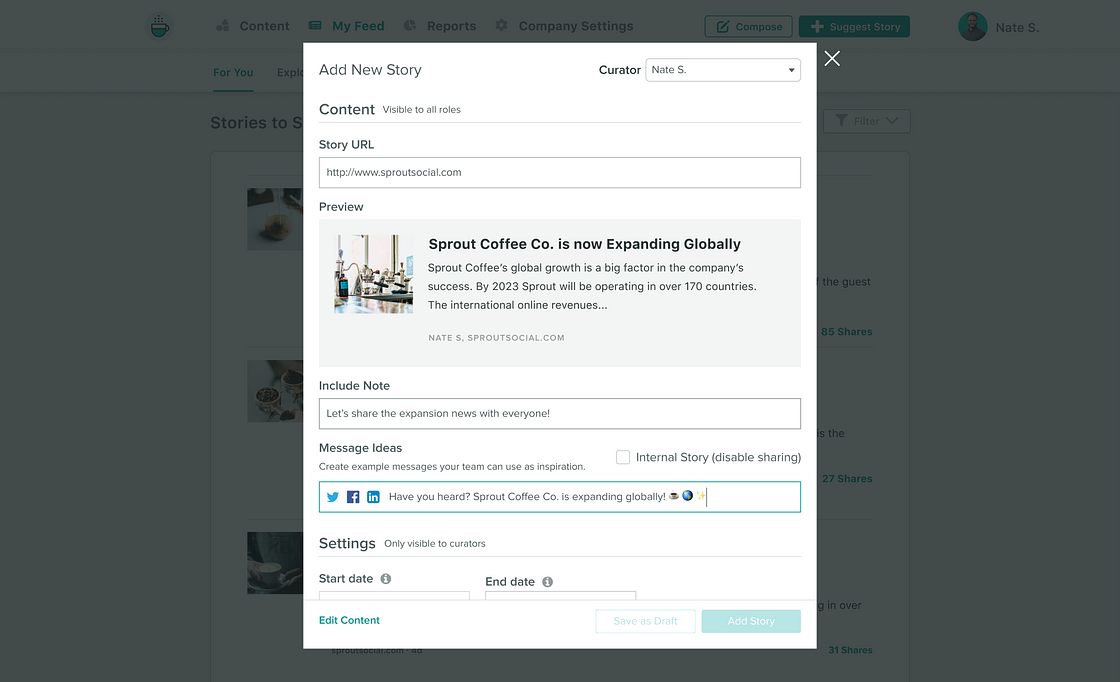
At its core, employee advocacy is the systematic empowerment of a company’s workforce to share and promote organizational content, mission, and culture across their personal social media networks. Far from a spontaneous occurrence, modern enterprise advocacy relies on centralized software platforms that curate, approve, and distribute brand content directly to employees’ inboxes or feeds, enabling them to post professional, compliant updates in a matter of clicks.
The data driving this movement underscores a major shift in consumer trust:
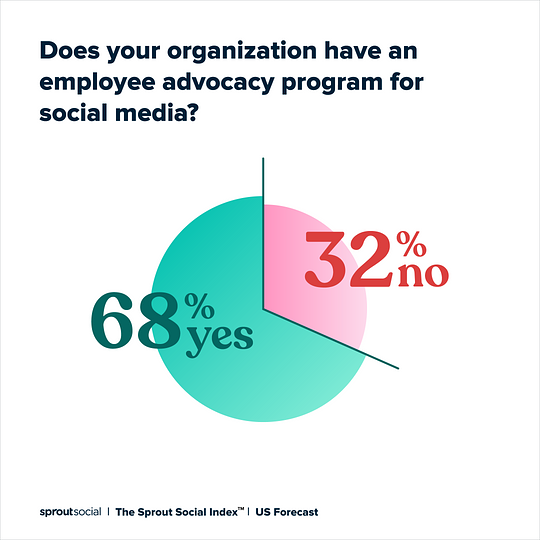
- Market Adoption: 68% of surveyed marketers report that their enterprise currently runs an advocacy program.
- Top-of-Funnel Discovery: 40% of modern consumers discover new products and services through employee-generated content on a monthly basis.
- The Authenticity Gap: 46% of consumers explicitly state they prefer hearing from frontline staff, compared to a mere 10% who wish to hear from C-suite executives.
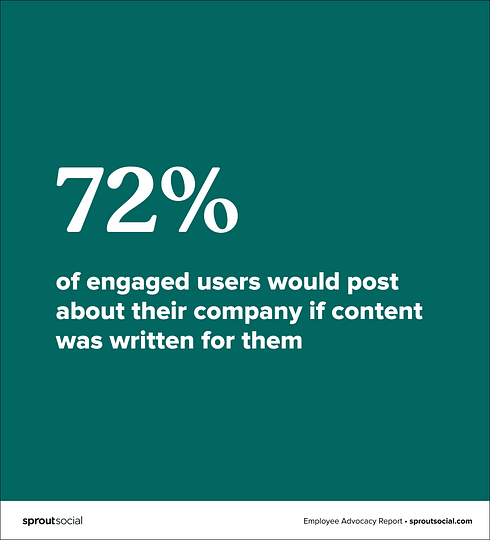
- Participation Readiness: 85% of onboarded employees actively share company content on their personal channels when provided with a streamlined, curated curation tool. Moreover, 72% of engaged users state they would post more frequently if their teams wrote the content for them.
Chronology: The Evolution from Ad-Hoc Sharing to Enterprise Architecture
The journey of employee advocacy from a grassroots communications tactic to a boardroom-level strategy has developed in distinct phases over the past decade:
- Phase 1: The Informal Era (Early 2010s). Employee sharing was largely organic and decentralized. Forward-thinking executives occasionally posted updates, relying heavily on the personal initiative of digitally savvy employees without software tracking or coordinated messaging.
- Phase 2: The Siloed Experiment (Late 2010s). Organizations recognized the reach of personal profiles over corporate pages. Marketing departments began launching ad-hoc internal sharing lists and manual email newsletters, though measuring true ROI remained difficult and adoption rates plateaued.
- Phase 3: The Integrated Tech-Stack Era (2020–2024). Platforms like Sprout Social introduced dedicated Employee Advocacy modules. Real-time metrics emerged, tracking earned media value (EMV), impressions, and pipeline conversion, shifting the focus from vanity metrics to hard revenue.
- Phase 4: The 2026 Strategic Standard. Today, advocacy is formally integrated into human resources, sales enablement, and demand generation. With 68% market penetration, the conversation has shifted from whether to implement a program to how quickly and how effectively it can be scaled.
Supporting Data: The Pillars of Enterprise Impact
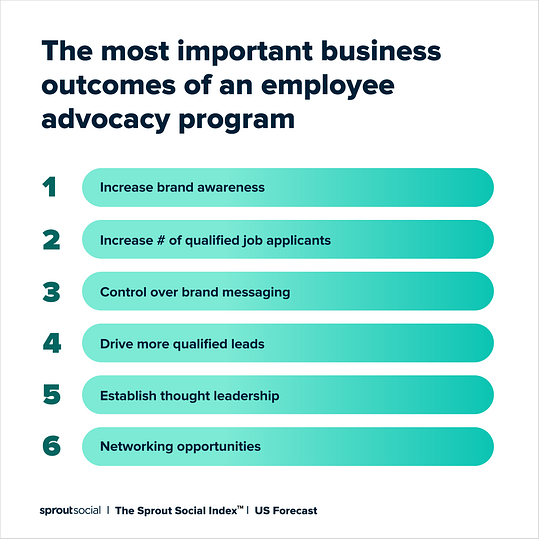
To convince a skeptical Chief Financial Officer or Chief Executive Officer, leaders must present data mapped directly to the outcomes executives care about most: awareness, amplification, revenue, and talent acquisition.
1. Brand Amplification and Organic Reach
Traditional corporate social media algorithms have progressively throttled organic brand page reach. Employee networks offer an immediate, cost-effective countermeasure.
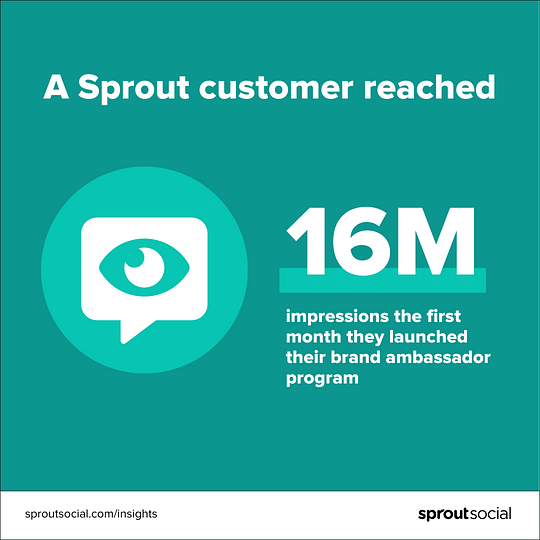
- IT software enterprise Ivanti launched a brand ambassador program utilizing Sprout Social’s Advocacy platform, skyrocketing its organic reach by 16 million impressions in its very first month.
- Sprout Social itself generated 28 million impressions through its advocacy platform in a single year, with an astonishing 95% of the 740,000 impressions generated by a major Salesforce global partnership announcement originating directly from employee-shared posts.
- A major healthcare customer increased total social engagements by 200% within six months of deployment, while achieving a 98% internal platform satisfaction score.
2. Revenue Acceleration and Social Selling
Advocacy is no longer confined to brand awareness; it acts as a direct catalyst for pipeline generation.
- Enterprise software leader Infor leveraged employee advocacy to generate $100,000 in earned media value (EMV) in a single month.
- According to LinkedIn’s Social Selling Index, sales professionals who actively share company content and industry thought leadership are 51% more likely to reach quota than non-sharing peers.
- Sprout’s data reveals that 72% of engaged users and 62% of casual users state that sharing company posts directly supports their day-to-day sales selling activities.
3. Talent Acquisition and Employer Branding
In a competitive labor market, prospective candidates place more trust in the unscripted words of current employees than in polished career pages or recruitment ads. Employee advocacy transforms workers into cultural stewards, expanding talent pools while fostering internal community, engagement, and long-term retention.
Official Responses and Industry Perspectives
Corporate leaders and industry analysts point to the human element as the final frontier in digital marketing optimization.
"Securing C-suite buy-in isn’t about passion—it’s about proof. When you take an employee advocacy program up the chain, the right employee advocacy statistics are the backbone of your pitch," notes industry research from Sprout Social. "Decision-makers want to understand what employee advocacy is and the measurable, undeniable benefits your brand will gain from it."
Marketers emphasize that paid media budgets are increasingly stretched thin and met with consumer skepticism. By utilizing integrated solutions like Sprout’s Employee Advocacy platform—which features centralized content hubs, custom internal newsletters, and real-time ROI calculators—organizations can systematically turn their workforce into their most credible and cost-efficient marketing channel.
Implications: What This Means for 2026 and Beyond
The normalization of employee advocacy carries profound implications for enterprise governance, marketing budgets, and human resources:
- Reallocation of Marketing Spend: As ad costs escalate and trust in traditional corporate channels declines, marketing leaders will likely divert portions of paid-media budgets into community-building, advocacy software, and employee incentive frameworks.
- Cross-Departmental Collaboration: Successful advocacy in 2026 cannot live exclusively within the marketing silo. CMOs, CHROs (Chief Human Resources Officers), and CROs (Chief Revenue Officers) must collaborate to align internal communication, talent recruitment, and social selling strategies.
- The Rise of Authentic Corporate Governance: With 46% of consumers prioritizing frontline voices over executives, organizations must loosen rigid, overly polished corporate communication guidelines. Empowering employees to speak in their own authentic voices—while maintaining brand safety through curated toolsets—will become the benchmark of modern enterprise transparency.
The data is unequivocal: employee advocacy has graduated from an experimental marketing tactic to an indispensable enterprise asset. For organizations looking to maximize reach, accelerate revenue, and fortify employer branding in 2026, the question is no longer whether to invest, but how fast they can formalize their approach.
Related posts: