

In the rarefied world of high-end home decor, the threshold between "decorative" and "structural" is often thin. Yet, the latest collaboration between the storied luxury house L’OBJET and the London-based fine jewelry powerhouse Jessica McCormack manages to bridge this gap with remarkable finesse. By moving beyond the surface-level application of nautical tropes, the two brands have unveiled a collection that treats the sea not as a decorative theme, but as a structural language. The resulting suite of home objects—ranging from bespoke flatware to sculptural caviar dishes—reimagines how the precision of the jeweler’s bench can translate into the warmth of the dining table.
The Core Concept: Jewelry as Architecture
At the heart of the L’OBJET x Jessica McCormack collection lies a philosophical shift in design. For years, the imagery of shells, spirals, and ropes has been relegated to the realm of coastal souvenirs or literalist maritime kitsch. To avoid this, L’OBJET founder and creative director Elad Yifrach and jeweler Jessica McCormack adopted a rigorous approach: they treated these motifs as building blocks.

"The danger with shells and spirals is that they can tip into souvenir territory very quickly," Yifrach explains. "What kept us honest was treating them as structure rather than ornament."
This distinction is immediately apparent in the pieces. Rather than printing a shell pattern onto a plate, the shell becomes the vessel. The spiral is not a design flourish on a mirror, but the structural stand that gives the mirror its gravity. By forcing the form to perform a function, the collaboration ensures that every piece earns its place within the home, transforming the sea into a subtle sensibility rather than a loud thematic statement.
A Chronology of the Collaboration
The partnership did not emerge overnight; it was the result of a long-standing mutual admiration between two masters of their respective crafts.
- Pre-Collaboration (2020–2022): Elad Yifrach and Jessica McCormack had long admired one another’s work from afar. McCormack, known for her "Beaches" collection released in 2023, had already established a precedent for translating oceanic elements into wearable gold and diamonds. Simultaneously, L’OBJET had integrated subtle marine nods into their collections for years, creating a natural aesthetic synergy.
- The Conceptual Spark (2025): The collaboration moved from abstract admiration to tangible development in early 2025. According to Yifrach, the project didn’t start with a sketch, but with a "feeling." The duo sought to capture the intimacy and precision of fine jewelry—qualities that are often lost when designers scale up to furniture or tableware.
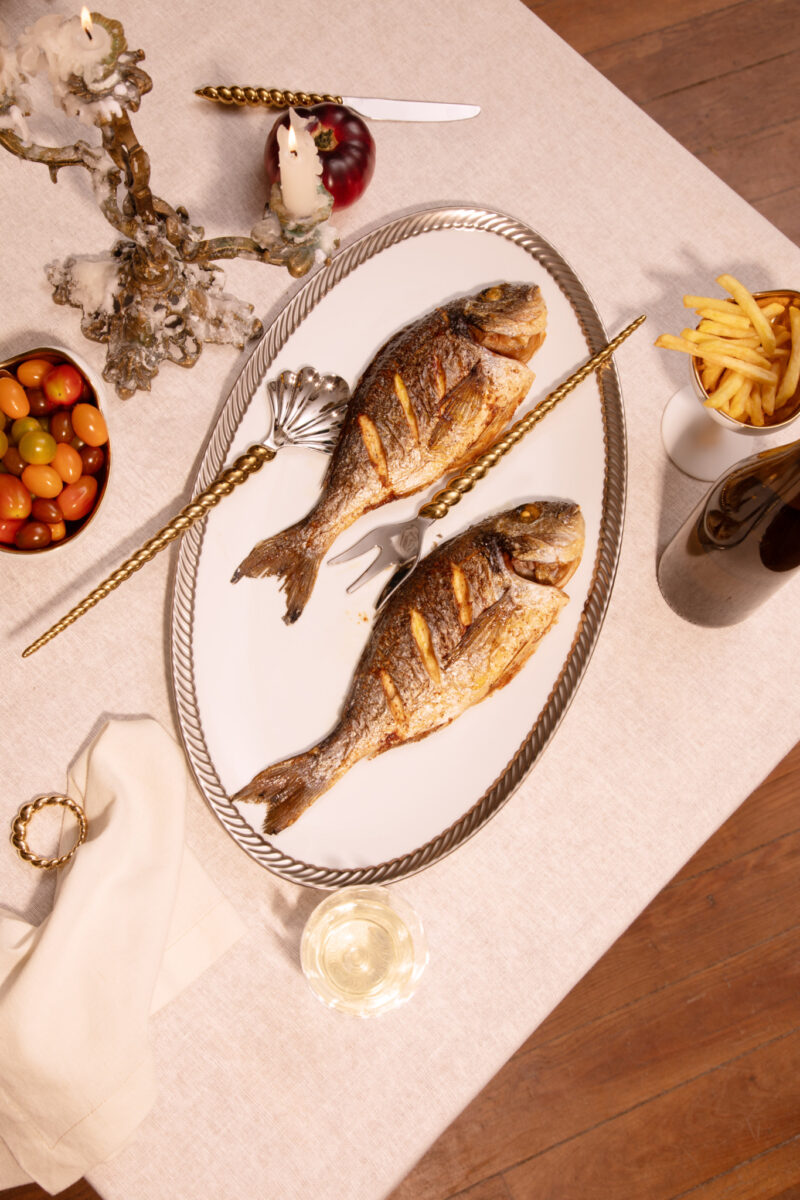
- The Design Phase: The designers focused on the "twisted corde" (rope) motif. Borrowed directly from the technical language of jewelry chains and clasps, the corded edge became the visual thread that binds the disparate objects together, appearing as a refined border on a platter or the ergonomic handle of an ice bucket.
- Launch and Debut (September 2026): The collection debuted to critical acclaim, showcasing a mastery of materials ranging from hand-painted 24K gold to fine bisque porcelain.
Supporting Data: The Craft of Scale
The technical demands of this collaboration were immense. Scaling a design from a two-inch ring to a twelve-inch champagne bucket requires more than just a larger mold; it requires a complete rethink of how light interacts with volume.

Materiality and Intricacy
The collection utilizes high-fire bisque porcelain, chosen for its matte, skin-like quality, which serves as a perfect canvas for the hand-applied 24K gold detailing. The metalwork, in particular, requires a degree of intricacy rarely seen in the home goods market. By employing techniques traditionally reserved for fine jewelry—such as micro-casting and hand-polishing—the pieces exhibit a tactile quality that invites touch.
The Innovation of Cutlery
Perhaps the most ambitious aspect of the collection is the introduction of L’OBJET’s first-ever cutlery line. For Yifrach, this was the ultimate test of the collaboration’s thesis. "Flatware is essentially wearable-scale object design," he notes. "It has to sit beautifully in the hand, catch light the way a ring does, and hold detail at a very small size."

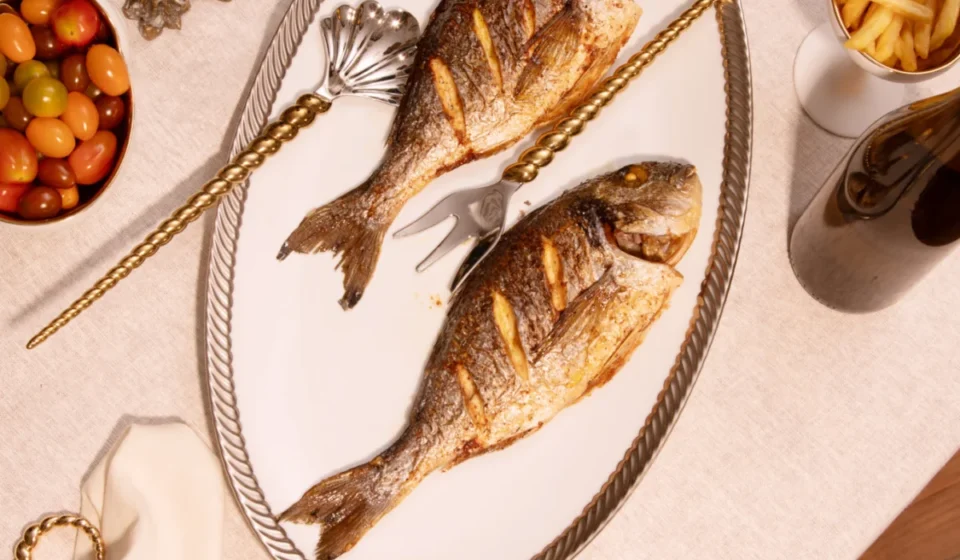
The handles of the flatware represent the pinnacle of the collection’s technical achievement. Each piece moves seamlessly from a corde motif to a shell, finally twisting into a spiral at the tip. This allows the user to engage with the design in a way that is inherently intimate—connecting the act of eating with the tactile pleasure of holding a piece of jewelry.
Official Responses and Creative Vision
The partnership has been characterized by a shared belief that the domestic environment should be as meticulously curated as a private jewelry collection.

Elad Yifrach’s Perspective:
Yifrach emphasizes the emotional weight of the project. "Jewelry has always been a source of inspiration for me—its intimacy, its precision. With Jessica, we wanted to bring that sensibility into the home, to create objects that feel both personal and essential. When a form is doing something functional, it earns its place."
Jessica McCormack’s Perspective:
For McCormack, the project served as an exploration of context. "This collection brings together some of my favorite design motifs and perfectly translates the intimacy and craftsmanship of jewelry into everyday pieces for the home," she says. By shifting the scale, she has allowed her signature design language to occupy a new, larger space, proving that the principles of high jewelry—balance, weight, and detail—are universal.

Implications: The Future of "Luxury Living"
The success of the L’OBJET x Jessica McCormack collaboration signals a broader trend in interior design: the "Jewel-ification" of the home. As consumers become more discerning, they are moving away from mass-produced "lifestyle" items toward pieces that carry the weight and narrative depth of a legacy item.
The "Personalized Space"
The collection implies a future where home objects are no longer just tools for living but are treated as extensions of personal style. By blurring the line between the dining table and the jewelry box, these brands are suggesting that the most intimate moments—a meal, a glass of wine, a quiet morning—deserve the same level of artisanal care as the objects we wear on our bodies.

The Shift Toward Narrative Design
This collection also challenges the design industry to reconsider how they use "themes." The industry has long been plagued by trend-cycling, where a single motif is applied to everything from wallpaper to tea towels. The L’OBJET x Jessica McCormack model offers a more sustainable, thoughtful alternative: start with a core technical challenge (like a clasp or a chain link), derive the aesthetic from that function, and allow the motif to emerge naturally.
Conclusion
As the collection rolls out, it stands as a testament to the power of cross-disciplinary collaboration. By inviting a jeweler to look at a platter and a creative director to look at a ring, the two have created something that defies simple categorization. Whether it is the cold, reflective surface of a gold-rimmed bowl or the heavy, balanced weight of a hand-sculpted spoon, these objects are designed to last. In an age of disposable luxury, the L’OBJET x Jessica McCormack collection asserts that the most meaningful objects are those that invite us to look closer, to hold them, and to appreciate the invisible thread of craftsmanship that binds them to our most intimate daily rituals.