
In the fast-paced world of contemporary interior design, there is an unspoken pressure for studios to serve as "calling cards"—curated, static, and immaculately finished showrooms that project a brand’s aesthetic at a single glance. However, for Candace Cohu and Ally Hasche, founders of the Portland-based design firm Pat Austin, the traditional model of the "fully formed studio" felt both restrictive and disingenuous.
Instead of opting for a rapid, high-budget renovation that would yield a finished space on day one, the duo chose a philosophy of intentional patience. Over the last three years, their office—located in the historic Central Eastside of Portland—has been allowed to breathe, grow, and pivot in tandem with the firm’s own professional evolution. The result is a 1,200-square-foot workspace that feels less like a corporate environment and more like a living, breathing laboratory of the design process.
The Foundation: An Architectural Anchor
The story of the Pat Austin studio begins with a search for character. While the Portland market offered a surplus of open-plan, industrial warehouse spaces, Cohu and Hasche found them lacking in the warmth required for a creative practice.
The search concluded at the Historic Cully Building, an 1884 structure that immediately resonated with the founders. With its exposed brick walls, heavy timber construction, and commanding presence, the space possessed a soul that modern glass-and-steel offices could not replicate.
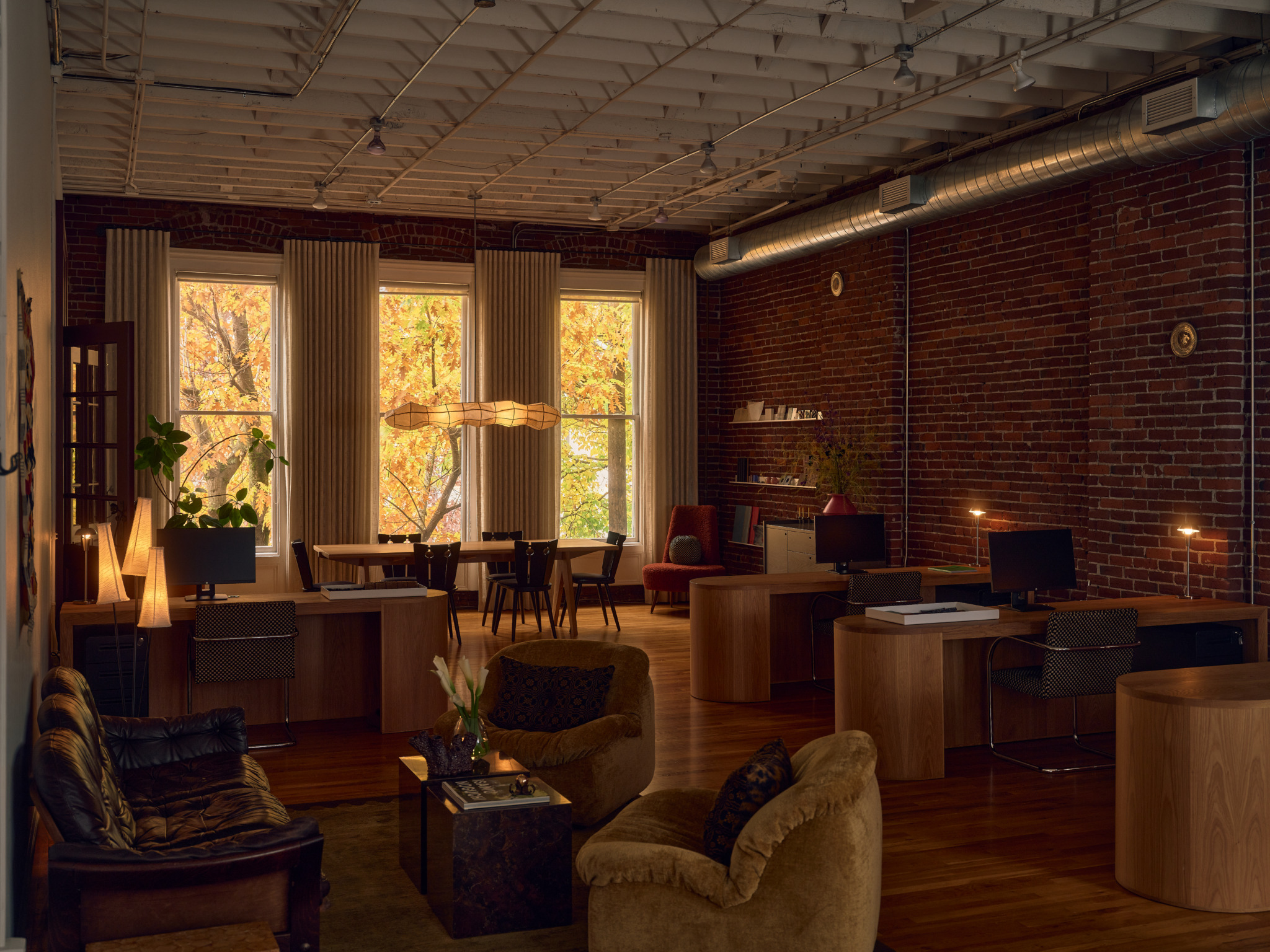
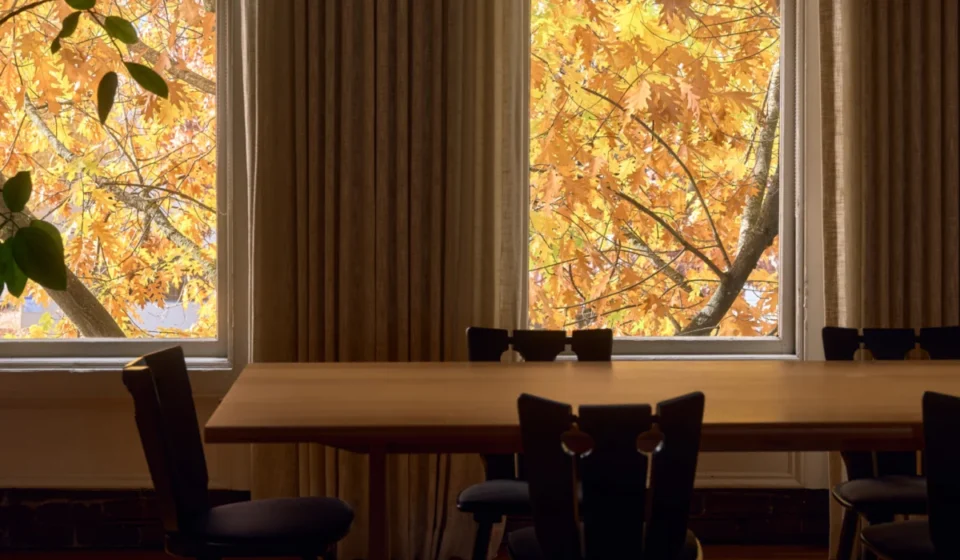
"We were touring a lot of open warehouse-style spaces that were missing the warmth and character of our studio," Cohu and Hasche explain. "We walked into our current space, and it felt reminiscent of a Chicago or New York office. We loved the brick, the big windows, and the large oak tree outside."
This architectural honesty provided the perfect framework for a space that would not be "decorated" but rather "inhabited." By respecting the bones of the building, the designers ensured that their own contributions—custom maple desks, soft textiles, and vintage finds—would feel like part of a continuous narrative rather than a temporary installation.
Chronology: A Three-Year Evolution
The transformation of the studio was not a singular event but a series of deliberate chapters.
- 2022: The Arrival and Stabilization. Upon taking possession of the space, the priority was not aesthetic perfection but functional utility. The team established the essential workflow, installing custom maple desks and a collaborative conference table. The space remained sparse, allowing the team to understand how light hit the floors throughout the seasons and how the acoustics functioned during high-intensity project deadlines.
- 2023–2024: The Testing Phase. This period was defined by experimentation. The founders began introducing vintage furniture pieces and rotating artwork. This served as a low-stakes testing ground; if a piece didn’t fit the flow or the practical needs of the team, it was rotated out. This era solidified the studio’s "residential-commercial" hybrid aesthetic, proving that a workspace could be both professional and cozy.
- 2025: The Refinement. By late 2025, the studio underwent a significant, though still non-exhaustive, update. This phase included the installation of custom upholstery, sophisticated drapery to manage light, a sculptural pendant lamp to anchor the conference area, and an innovative upholstered acoustic wall in the materials library. These additions were not intended to signify a "finished" project, but rather a maturation of the firm’s design language.
The Philosophy of "Living Design"
What distinguishes the Pat Austin office is its rejection of the "showroom" mentality. In a typical showroom, items are fixed in place to project an image of perfection. In the Pat Austin studio, the furniture is fluid.
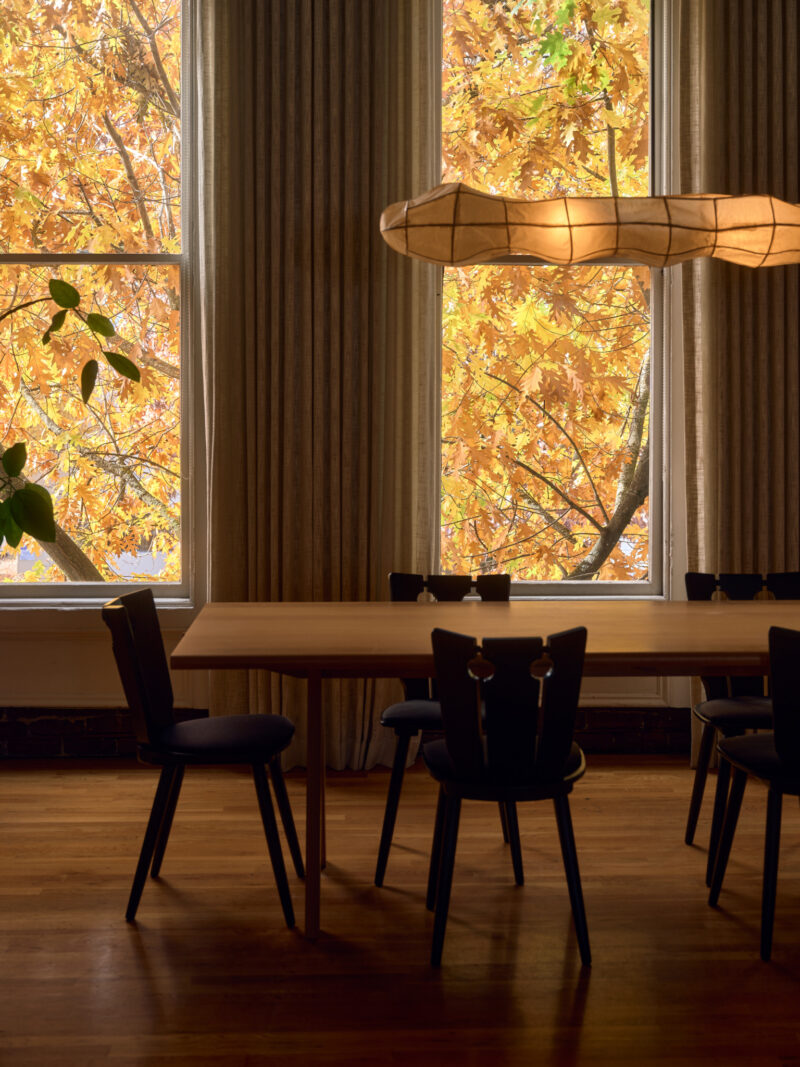
The office is anchored by white walls, which act as a gallery-like backdrop for a changing rotation of rugs, art, and accessories. This allows the space to shift in tone and texture depending on the projects currently occupying the designers’ minds. Earth-toned furnishings and a focus on natural materials—stone, wood, and organic fibers—create a tactile environment that encourages staff and clients alike to touch, sit, and engage.
"We’ve been very thoughtful about pacing out the process," the duo shares. "Naturally, we’re designers, which means we like to test different iterations of things, collect items, and take our time on decisions when we have that luxury."
This patience is a luxury, but it is one that pays dividends in terms of authenticity. By not rushing, they have avoided the trap of "trendy" design that often ages poorly. Instead, they have cultivated an environment that feels deeply personal, reflecting the firm’s specific appreciation for eclecticism and craftsmanship.
Symbiosis: Pat Austin and Patty
The office is not merely a home for interior design; it is the heartbeat of a dual-purpose enterprise. It also serves as the headquarters for Patty, a rug collection launched by Cohu, Hasche, and studio director Max Pluenneke.
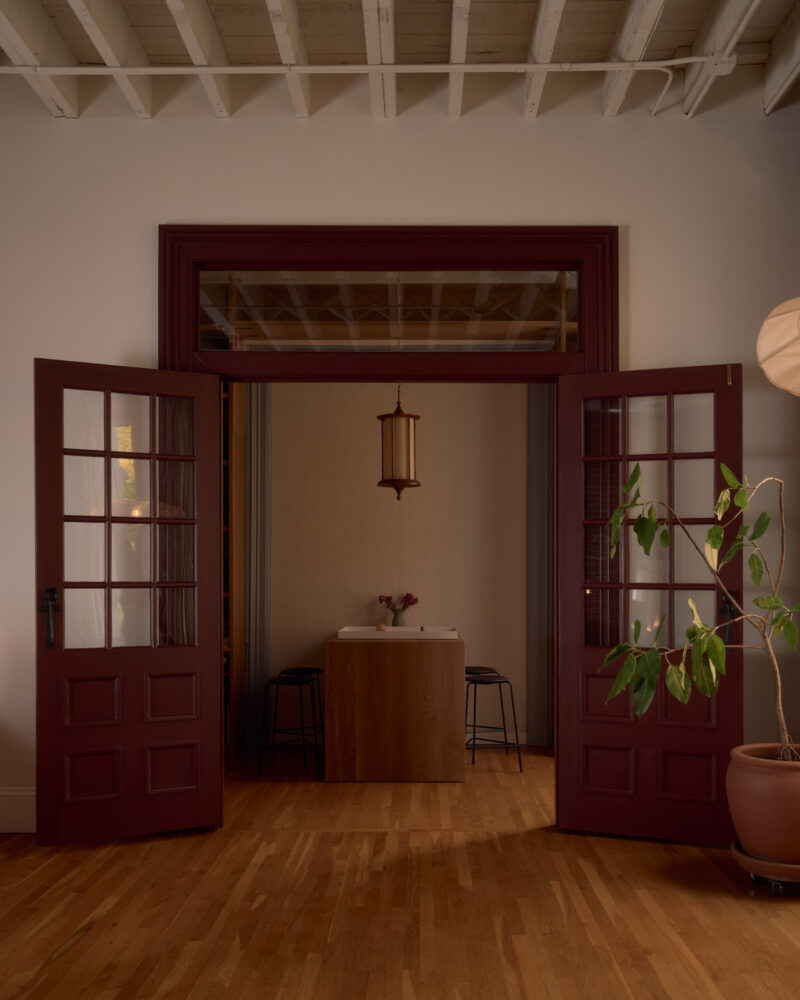
The presence of the rug collection is not a coincidence. The design process for the rugs is heavily influenced by the interior design practice, and vice versa. Inspired by the light and textures of the South of France, the collection embodies the same commitment to natural materials and earthy palettes found in the office design.
"Pat Austin and Patty work together in a very harmonious and symbiotic way," the team notes. "Our knowledge of interior design influences how we approach rug design, but it has also opened up new ways of thinking." This integration of product design into the physical workspace provides a unique value proposition: the designers are not just recommending products; they are living with them, testing them, and refining them in real-time.
Supporting Data: Spatial Functionality
To understand how the 1,200-square-foot space functions, one must look at the intentional zoning of the office:
- The Open Workspace: This serves as the primary collaborative hub. Featuring custom-built maple desks, it is designed to facilitate quick communication and cross-pollination of ideas.
- The Residential Lounge: A departure from traditional office seating, this area provides a space for informal conversations, team brainstorming, or a moment of respite.
- The Materials Library: This is the "quiet" zone. By separating the library from the primary workspace, the designers have created a sanctuary for deep, focused work, reinforced by the newly installed upholstered acoustic walls that dampen sound.
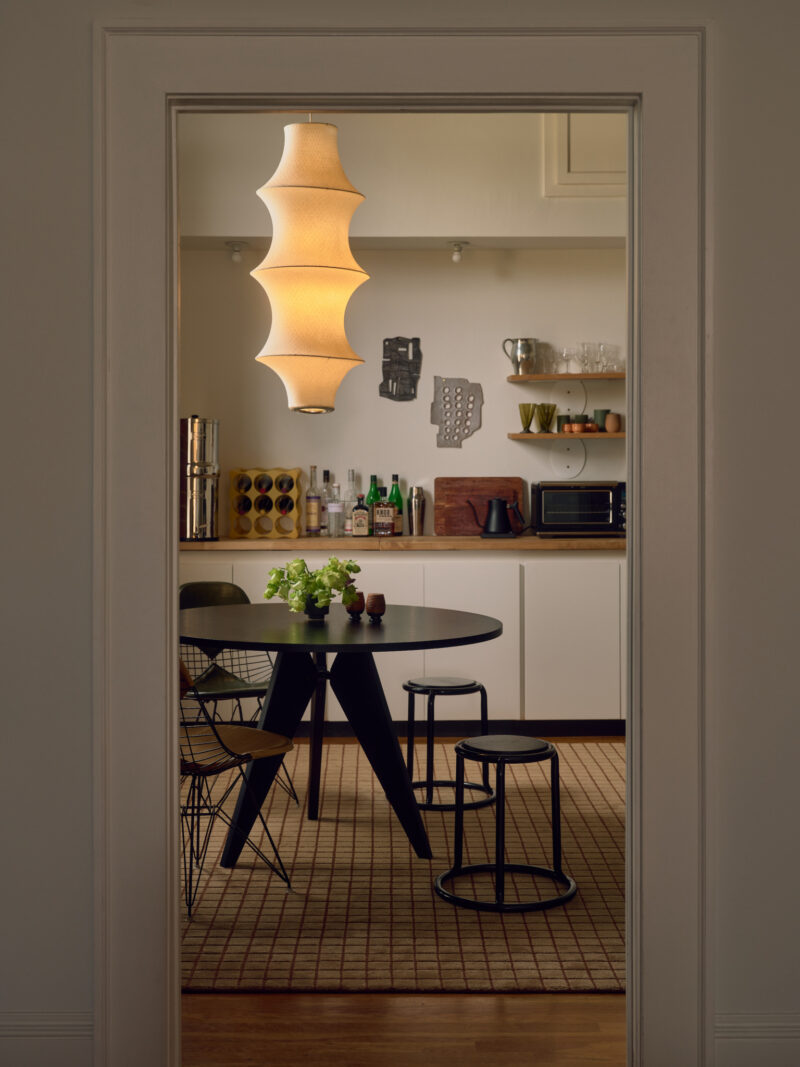
- The Kitchen: More than a utility space, the kitchen acts as the "hearth" of the office, encouraging the kind of informal, organic interaction that is often lost in purely digital or siloed work environments.
Implications for Modern Design
The Pat Austin studio represents a broader shift in the architectural and design industry. We are seeing a move away from the "Instagrammable" office—which often prioritizes aesthetic impact over user experience—toward spaces that prioritize mental well-being, longevity, and the iterative process.
By allowing their studio to grow over four years, Cohu and Hasche have created a workspace that is essentially a manifestation of their professional values: patience, curiosity, and a belief that the best work is never truly "finished."
For other designers, the implication is clear: your studio does not need to be a perfectly curated artifact to be successful. If you grant yourself the permission to treat your workspace as a living project, you might find that the space becomes a more accurate, more flexible, and more meaningful reflection of your practice.
As the team at Pat Austin continues to evolve, it is likely that the office will change again. But regardless of the specific furniture or art on the walls, the core principle will remain: design is not a destination, but a continuous, thoughtful process of refinement.
Editorial Transparency: This article was developed with the assistance of AI tools, which may have been used for research, outlining, editing, or copy refinement. Reporting, fact-checking, and editorial decisions were made by the Design Milk editorial team.