
CULINARY TRENDS — In the ever-evolving landscape of modern gastronomy, few condiments command the simultaneous reverence and versatility of the avocado. While Mexican guacamole has long enjoyed global supremacy as the undisputed king of avocado-based dips, a formidable contender from South America is rapidly capturing the imaginations—and palates—of home cooks and professional chefs alike.
Enter guasacaca, the vibrant, herbaceous, and intensely flavorful Venezuelan avocado sauce. Described by culinary enthusiasts as the perfect cross between classic guacamole and bright, punchy Argentine chimichurri, this condiment represents a masterclass in balance: creamy yet light, rich yet herbaceous, and carrying just enough heat to awaken the senses.
As international interest in Latin American comfort food reaches an all-time high, guasacaca is transitioning from a well-kept secret of Venezuelan households to a staple fixture in contemporary global kitchens.
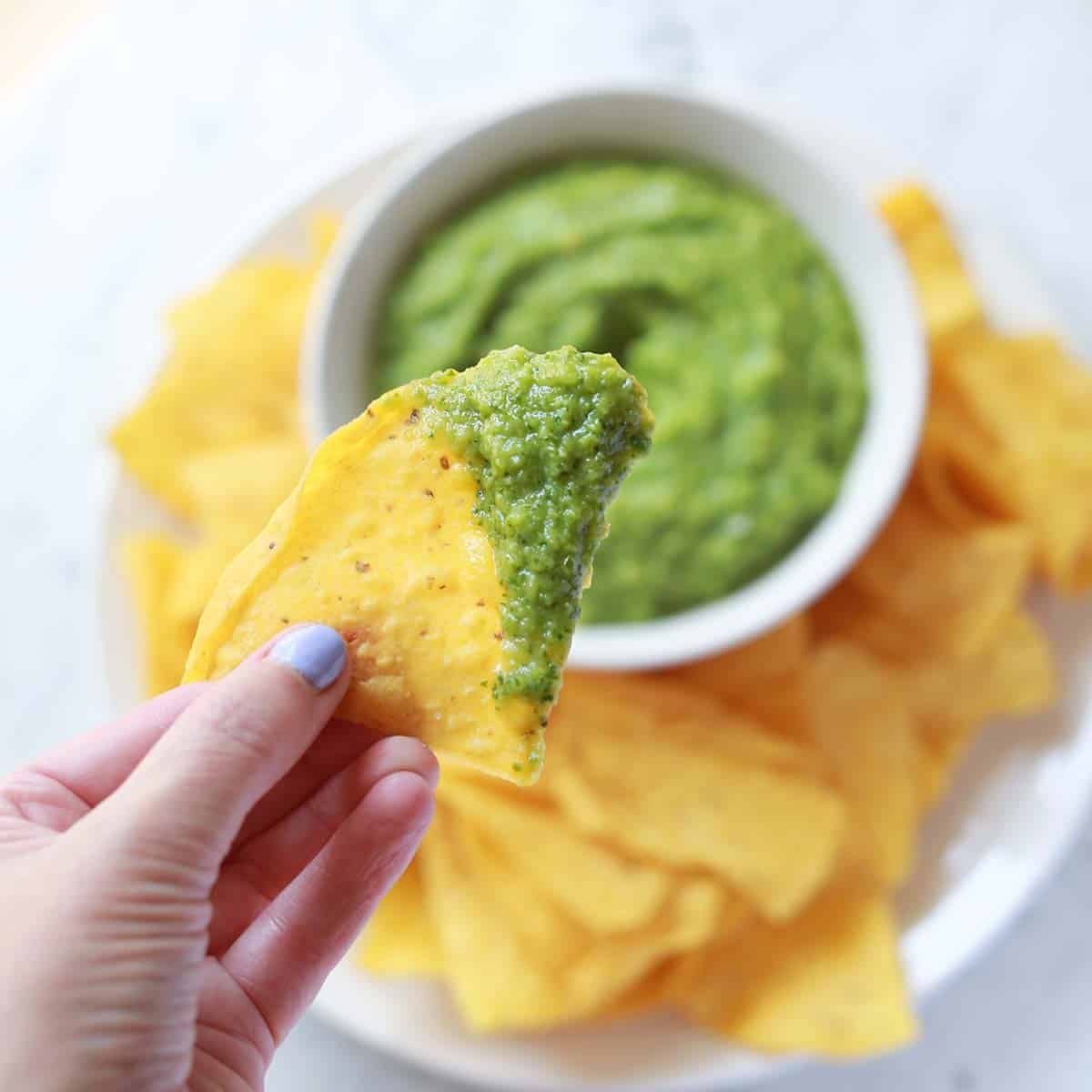
Main Facts: What is Guasacaca?
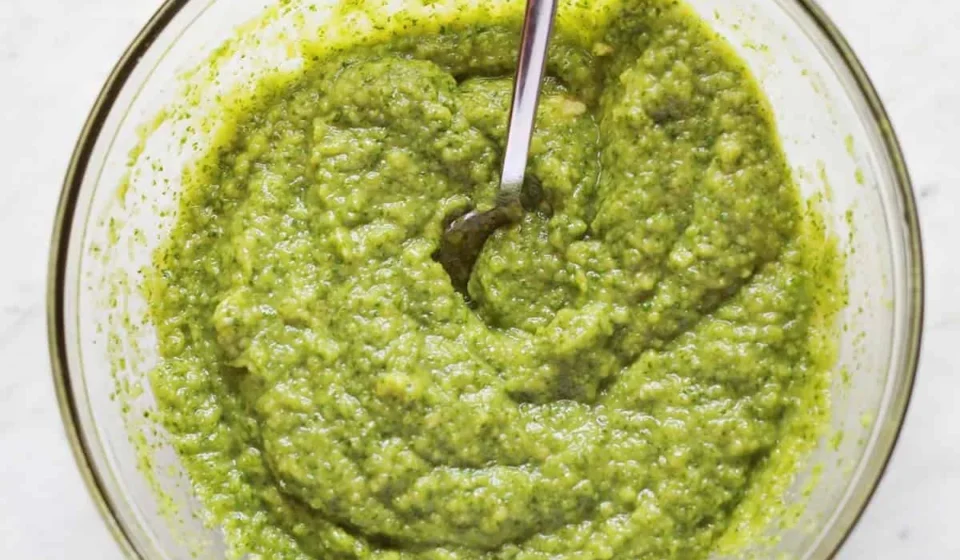
At its core, guasacaca is a traditional Venezuelan sauce served traditionally alongside grilled meats, empanadas, tequeños, and arepas. Unlike its chunky, lime-forward Mexican cousin, guasacaca boasts a smoother, more emulsified consistency.
The structural blueprint of authentic guasacaca relies on a harmonious marriage of ripe avocados, fresh herbs—predominantly cilantro and flat-leaf parsley—alliums like garlic and onions, bell peppers, a kick of jalapeño, and a tangy punch of vinegar and lime juice, all bound together with high-quality oil.
- The Flavor Profile: It balances the buttery, velvety mouthfeel of ripe avocados with the sharp, clean notes of vinegar and citrus, layered with the earthy pungency of fresh garlic and herbs.
- Versatility: While traditionally paired with carne asada or savory street foods like cachapas, its modern culinary applications stretch far beyond South American borders. It serves as an exceptional dressing for grain bowls, a vibrant spread for artisanal sandwiches, a dip for crunchy crudités, or a finishing drizzle for roasted vegetables.
- The Texture: Processed to a smoother, pourable consistency compared to guacamole, it acts as both a sauce and a dip, giving it structural superiority in applications where a heavier mash might overpower delicate ingredients.
Chronology: The Journey from Caracas Kitchens to the Global Stage
The history of guasacaca is deeply intertwined with the domestic culinary traditions of Venezuela, evolving over generations into a non-negotiable accompaniment to the national weekend parrillada (barbecue).
The Pre-Industrial Roots
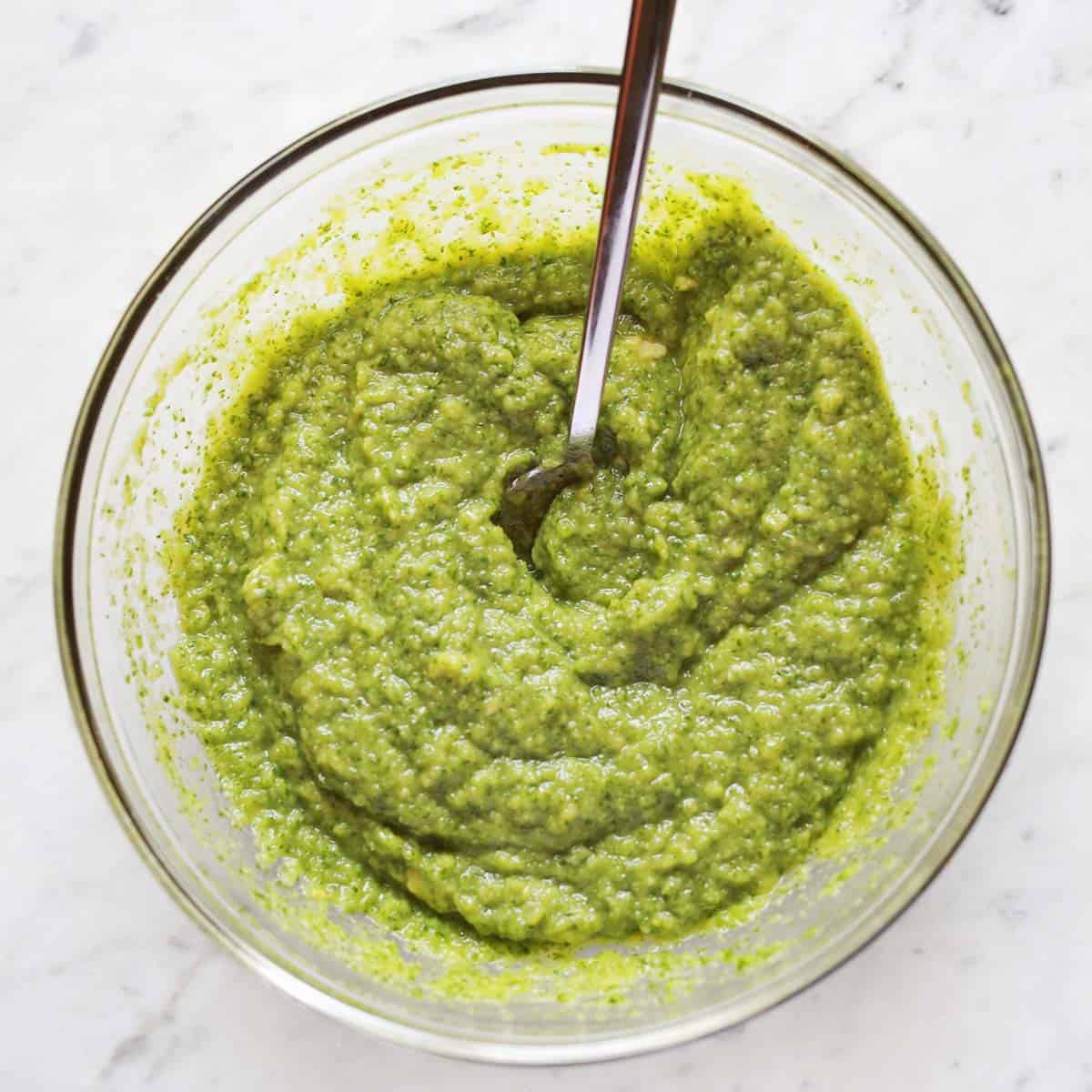
Long before food processors and blenders standardized kitchen prep, Venezuelan home cooks utilized traditional stone mortars (morteros) to crush herbs, garlic, and peppers into a paste before incorporating ripe local avocados. Every family developed its own variation, adjusting acid levels and herb ratios based on regional availability and personal preference.
The Mid-20th Century Standardization
As urban centers like Caracas expanded during the mid-1900s, kitchen appliances revolutionized how traditional sauces were made. The food processor allowed for the signature smooth, emulsified texture that separates guasacaca from chunky salsas. It became a permanent fixture at Sunday cookouts, family gatherings, and traditional local eateries (areperas).
The Diaspora and International Exposure
Over the past two decades, waves of Venezuelan migration have introduced traditional foods to diverse corners of the globe, from North America and Europe to the Southern Cone. Food bloggers, television chefs, and culinary publications gradually began spotlighting guasacaca, positioning it as an approachable, exciting alternative to traditional condiments.
The Modern Digital Awakening
By the mid-2020s, culinary platforms and independent food creators enthusiastically embraced the recipe. Digital recipe guides popularized simplified techniques for making authentic guasacaca at home, driving search trends and cementing its status as an essential culinary skill for contemporary home cooks.
Supporting Data: The Global Avocado Boom
The ascent of guasacaca does not occur in a vacuum; it rides the powerful wave of sustained, unprecedented global demand for avocados and Latin American flavor profiles.
- Market Growth: According to global agricultural and economic data, worldwide avocado consumption has more than doubled over the past fifteen years, transforming the fruit from a regional specialty into a global commodity.
- Consumer Shifts: Culinary research indicates that modern consumers increasingly favor fresh, unprocessed, plant-based condiments over heavy, mayonnaise- or dairy-based sauces. Guasacaca fits squarely into this demand, offering a naturally dairy-free and vegan-friendly flavor enhancer.
- Cross-Cultural Cravings: Culinary analytics reveal that home cooks are actively seeking hybrid flavor profiles—dishes that merge familiar concepts (like guacamole) with unexpected twists (like chimichurri-style vinegar and herb blends). Guasacaca bridges this gap perfectly.
Culinary Methodology: How to Make Authentic Guasacaca
Mastering guasacaca requires an understanding of ingredient synergy and texture control. While shortcuts exist, adhering to traditional preparation techniques yields a superior condiment.
Essential Ingredients
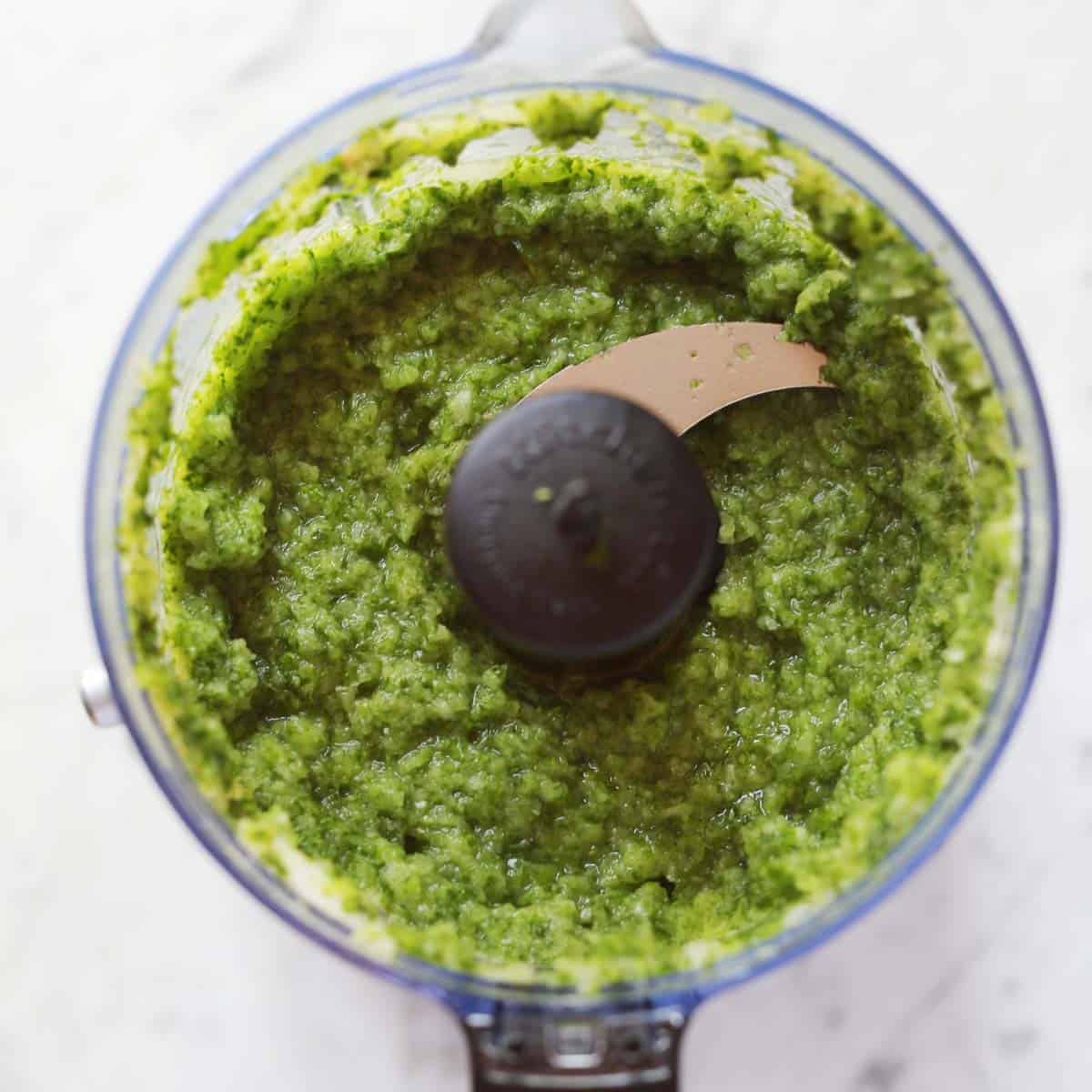
- Avocados: 2 to 3 ripe avocados. They should yield slightly to gentle pressure without feeling mushy.
- Aromatics & Vegetables: Small green bell pepper, jalapeño (with seeds removed for controlled heat), and fresh garlic cloves.
- Herbs: Generous handfuls of fresh cilantro and flat-leaf parsley. These herbs provide the signature green hue and vibrant freshness.
- Acid & Oil: White vinegar (or apple cider vinegar) paired with fresh lime juice, combined with a neutral oil or light olive oil to create a smooth emulsion.
- Seasoning: Kosher salt to taste.
Step-by-Step Preparation
- Avocado Preparation: Cut open the ripe avocados, remove the pits, and scoop the flesh into a mixing bowl. Mash thoroughly with a fork until relatively smooth, then set aside.
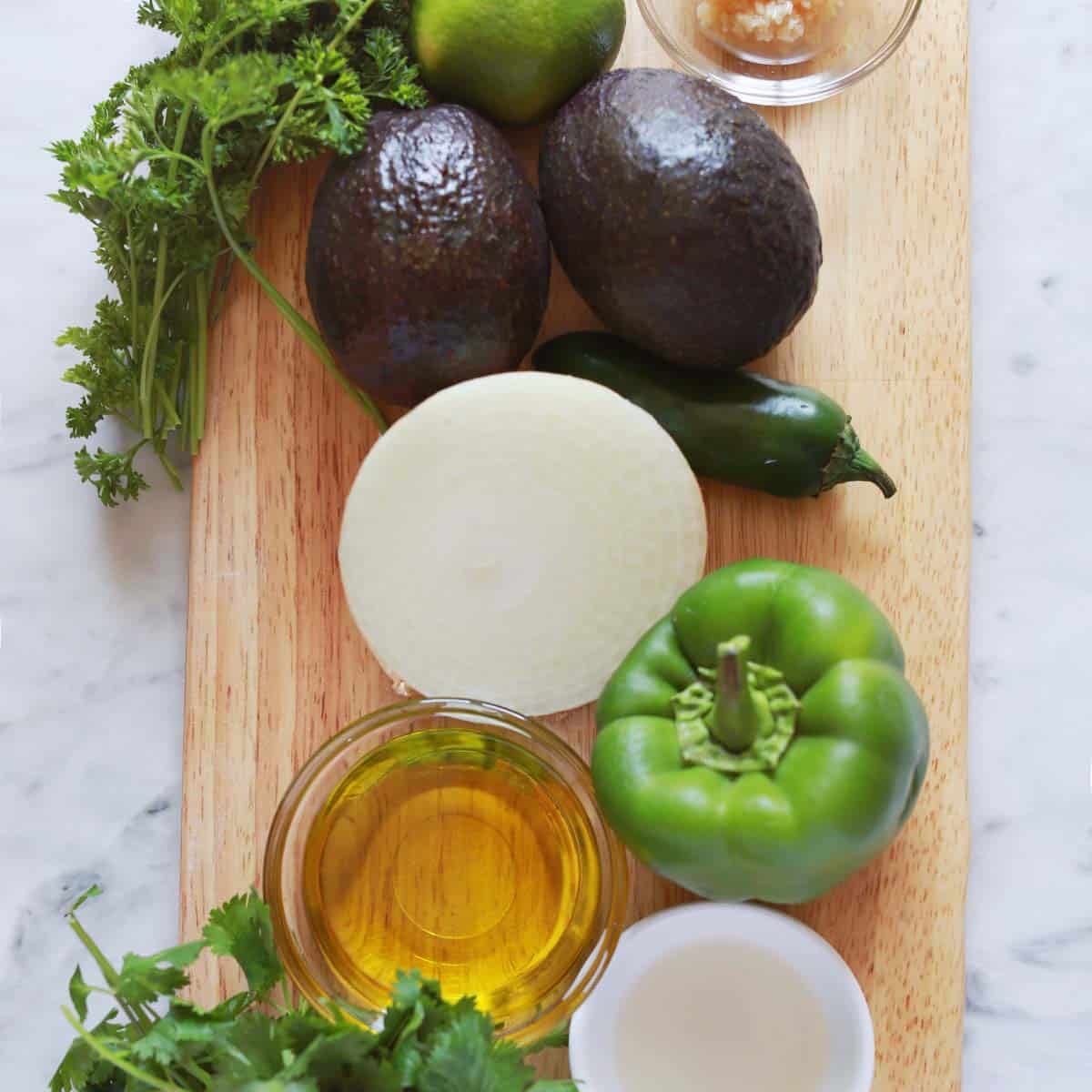
- The Herb and Vegetable Base: In a food processor, combine the green bell pepper, jalapeño, garlic, cilantro, and parsley. Pulse the machine until the vegetables and herbs reach a very fine, uniform texture.
- The Emulsion: Transfer the processed vegetable mixture into the bowl with the smashed avocado. Pour in the vinegar, fresh lime juice, and oil. Stir vigorously until all components are thoroughly combined into a cohesive sauce.
- Season and Rest: Taste the mixture and season with kosher salt until the flavors pop. For optimal results, let the sauce rest for 15 to 20 minutes before serving to allow the flavors to meld.
Expert Notes and Troubleshooting
Even simple recipes benefit from professional culinary insights to guarantee success in a home kitchen setting.
- Managing Oxidation: Because avocados naturally turn brown when exposed to oxygen, the inclusion of vinegar and lime juice in guasacaca acts as a natural preservative, slowing down the oxidation process much longer than traditional plain avocado mashes.
- Storage Tips: To store leftover guasacaca, transfer it to an airtight container and press a sheet of plastic wrap directly onto the surface of the sauce to eliminate air pockets. Store in the refrigerator for up to 24 to 48 hours.
- Texture Customization: While a food processor is ideal for achieving the traditional silky consistency, those who prefer a more rustic texture can finely mince the herbs and vegetables by hand and fold them directly into mashed avocado.
Implications: The Future of Latin American Condiments in Global Gastronomy
The growing popularity of guasacaca signals a broader shift in international food culture. Consumers are moving past monolithic representations of regional cuisines—such as viewing all Latin American salsas strictly through a Mexican lens—and are embracing the rich regional diversity of South American gastronomy.
Furthermore, as home cooking trends emphasize efficiency, bold flavors, and health-conscious ingredients, versatile condiments like guasacaca offer an easy entry point for culinary exploration. By bridging the gap between familiar favorites and new cultural traditions, guasacaca proves that the humble avocado still has plenty of surprises left to offer the culinary world.