The Gen Z Shift: Rethinking the Modern Business Trip and the Future of Meetings

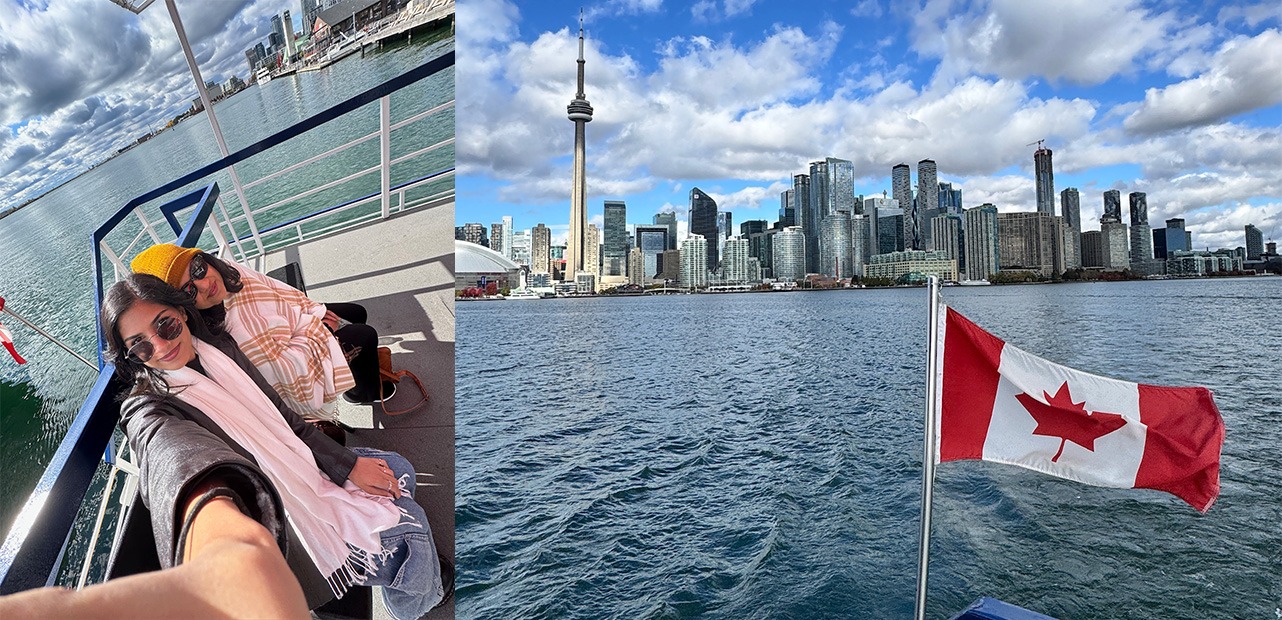
When seasoned journalist and content strategist Durrani invited her 23-year-old daughter to join her on a reporting assignment in Toronto, she expected to play the role of the mentor. With over two decades of experience navigating the high-pressure world of corporate travel, conferences, and networking, Durrani assumed she would be teaching her daughter the ropes of the "professional grind"—the art of the back-to-back schedule, the importance of networking receptions, and the stamina required for early-morning panels.
Instead, the trip turned into an immersive, cross-generational masterclass. What followed was not a lesson in how to survive the professional world, but a revelation in how the next generation is actively redefining it. As Gen Z now accounts for more than a quarter of the global workforce, their influence on corporate travel and event design is no longer a fringe consideration; it is the new frontier of professional productivity.
The New Definition of Productivity: Beyond the Conference Agenda
The transformation began long before the flight touched down in Toronto. During the itinerary-building phase, supported by the destination management expertise of Destination Toronto, the contrast in perspectives was immediate.
For the veteran traveler, a productive trip was historically measured by volume: how many sessions could be attended, how many business cards could be collected, and how many meetings could be squeezed into a 12-hour window. For the Gen Z traveler, however, the metric was not volume, but value.
"Instead of simply plugging in conference sessions and industry meetings, she started asking a different set of questions," Durrani recalls. "What experiences would help us understand the city itself? Where could we incorporate wellness? What would make the trip sustainable and meaningful rather than just productive?"
Initially, these inquiries were dismissed as "extras"—pleasantries to be relegated to the margins of the workday. However, as the trip progressed, it became clear that for Gen Z, wellness and cultural immersion are not distractions from professional work; they are essential fuel for it.
Chronology of a Disrupted Itinerary
The true test of these contrasting methodologies occurred on the third day of the Toronto trip, when a sudden medical issue threatened to derail the entire schedule.
The Traditional "Trial and Error" Approach
Upon waking with a painful, debilitating eye condition, Durrani fell back on her long-standing professional habits: urgency, direct action, and physical presence. By 7 a.m., she was in an Uber, traveling from clinic to clinic, hoping to find an emergency appointment. The result was a frustrating loop of dead ends, including a private clinic with a two-week waiting list, leaving her stranded in the city with no clear path to care.
The Digital-First Intervention
While Durrani navigated the physical space, her daughter—operating from the Soho Hotel Toronto—applied a different, more structural, and digital-first approach. Rather than reacting with physical movement, she utilized the tools at her disposal to solve the problem remotely.
She methodically researched clinics that accepted out-of-pocket payments for international visitors, mapped local pharmacies, cross-referenced locations with the hotel concierge, and successfully secured a same-day appointment. By lunchtime, Durrani was not only treated but was able to attend the cornerstone event, the Wellbeing at Work Canada Summit, which she had initially feared she would miss entirely.
This event served as a microcosm of the generational divide: while the veteran relied on physical hustle, the younger generation utilized systemic efficiency and digital intelligence to achieve a superior outcome. Later that evening, the collaboration continued. As Durrani struggled with vision, her daughter utilized AI-driven transcription tools to capture and summarize complex discussions—a seamless integration of technology that replaced the traditional, inefficient method of scribbled notes.
Supporting Data: The Gen Z Influence
The insights gained during this trip are supported by broader economic and psychological data. According to the 2026 Deloitte Gen Z and Millennial Survey, nearly 50% of Gen Z respondents cite concerns about burnout and mental health as a primary factor in their professional lives.
This is not a cry for less work, but a demand for better work. The "hustle culture" that dominated the early 2000s is being replaced by a culture of intentionality. For Gen Z, the ability to integrate personal well-being into professional travel is not a luxury—it is a requirement for sustained performance. When the environment is designed with these needs in mind, productivity increases. When it is not, the risk of disengagement grows.
Official Industry Perspectives: Designing for the Future
The meetings and events industry is beginning to catch up to these changing tides. Professionals like Hailey Dawood, Owner and Chief Huntress at The Idea Hunter, are at the forefront of this shift, redesigning events to accommodate a generation that prioritizes connection and recharge over passive consumption.
"Breakouts and choice are key," Dawood explains. "Instead of unstructured mingling, I love using structured connection experiences like ‘Brain Dates,’ where attendees are pre-set to meet specific people based on shared interests or goals."
Dawood advocates for the integration of "Recharge Sessions"—sound baths, mindful stretching, and quiet journaling corners—presented alongside traditional workshops. "When guests can choose these moments intentionally, it reframes wellness as a legitimate, valuable part of the event, not an ‘escape’ from it."

However, Dawood acknowledges the challenge of the current transition period. "We’re still designing across generations. Younger audiences tend to seek these wellness-driven moments more naturally, while older generations may not prioritize them yet. My prediction is that within the next decade—as millennials and Gen Z take on more leadership roles—this approach will become the norm."
Implications for the Future of Work
The lessons learned in Toronto go far beyond the logistical successes of a single trip. They point to a fundamental evolution in how we define professional life.
1. The Death of the "One Size Fits All" Conference
Planners can no longer rely on rigid, speaker-to-audience agendas. The modern attendee expects a modular experience where they can curate their own path—choosing between deep-dive industry sessions, wellness activities, or local, authentic experiences like the Aashim Eats food tour or the Othership wellness centers.
2. Technology as a Bridge, Not a Barrier
The use of AI for transcription and digital mapping during the trip underscored a crucial reality: Gen Z doesn’t just use technology; they weave it into the fabric of their problem-solving. Organizations that fail to provide or encourage these tools will find themselves lagging in both speed and accuracy.
3. Sustainability and Meaningful Travel
The insistence on visiting Evergreen Brick Works and engaging with the local community speaks to a deeper desire for connection to place. Business travel is no longer viewed as a series of hotel rooms and airport lounges; it is an opportunity for personal growth and cultural exchange. Companies that ignore this "bleisure" (business + leisure) trend will struggle to attract and retain the top young talent who view their time as a finite, precious resource.
Conclusion: A New Standard of Belonging
Perhaps the most significant takeaway from this experience was the realization that the traditional professional mold is cracking. The "right" way to do a business trip is no longer a static set of rules passed down from veteran to trainee.
Instead, the future of work is a negotiation of values. It is about recognizing that productivity is not a flat measurement of time spent in a conference room, but a complex equation of engagement, health, and purpose. As Gen Z continues to ascend into positions of leadership, the meetings and events industry must continue to adapt. The most successful organizations will be those that stop trying to force every attendee into the same narrow definition of success and instead create spaces where different perspectives on what constitutes a "meaningful experience" can coexist.
In the end, the trip to Toronto was not just about reporting on industry trends. It was a mirror held up to the professional world, reflecting a shift that is as inevitable as it is necessary. By embracing these changes, we don’t just make our conferences better—we make our work more human, more sustainable, and, ultimately, more effective.