
The Espresso Martini has transcended its origins as a trendy 1980s nightclub novelty to become a cornerstone of contemporary cocktail culture. A perfect marriage of caffeinated vigor and sophisticated indulgence, this drink serves as both an ideal after-dinner digestif and a high-energy pick-me-up. Characterized by its robust flavor profile, silky body, and signature creamy foam cap, the Espresso Martini is a masterclass in balance. While it appears deceptively simple—requiring only a handful of high-quality components—mastering the drink requires an understanding of thermodynamics, ingredient quality, and precise technique.
Main Facts: The Anatomy of a Perfect Pour
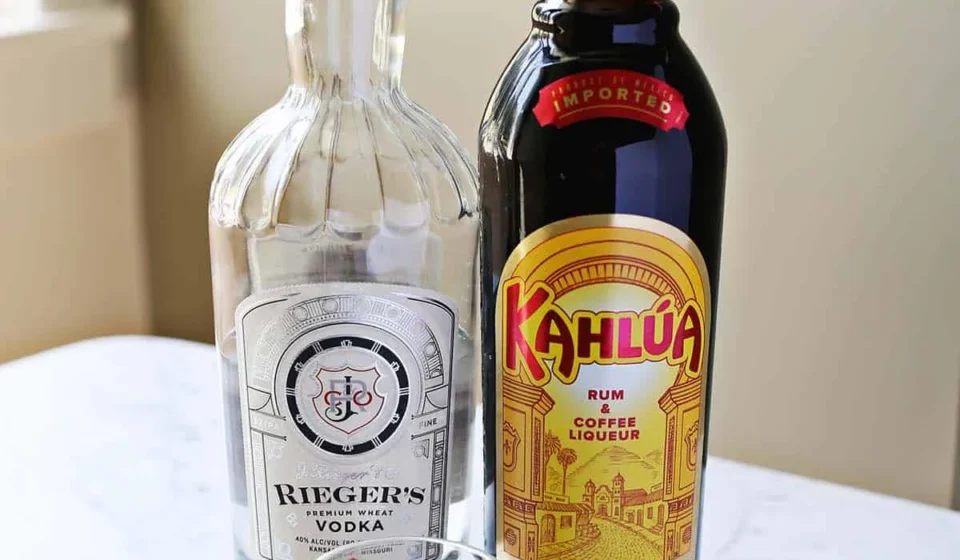
At its core, the Espresso Martini is a four-ingredient cocktail that relies on the harmony between spirit, sugar, and bean. Because the drink is so minimalist, the quality of each component is magnified. Unlike many other cocktails where mixers can mask the nuances of the base spirit, the Espresso Martini demands a clean, high-quality vodka—typically a mid-tier label like Tito’s or Grey Goose—to provide a neutral canvas for the coffee’s complexity.
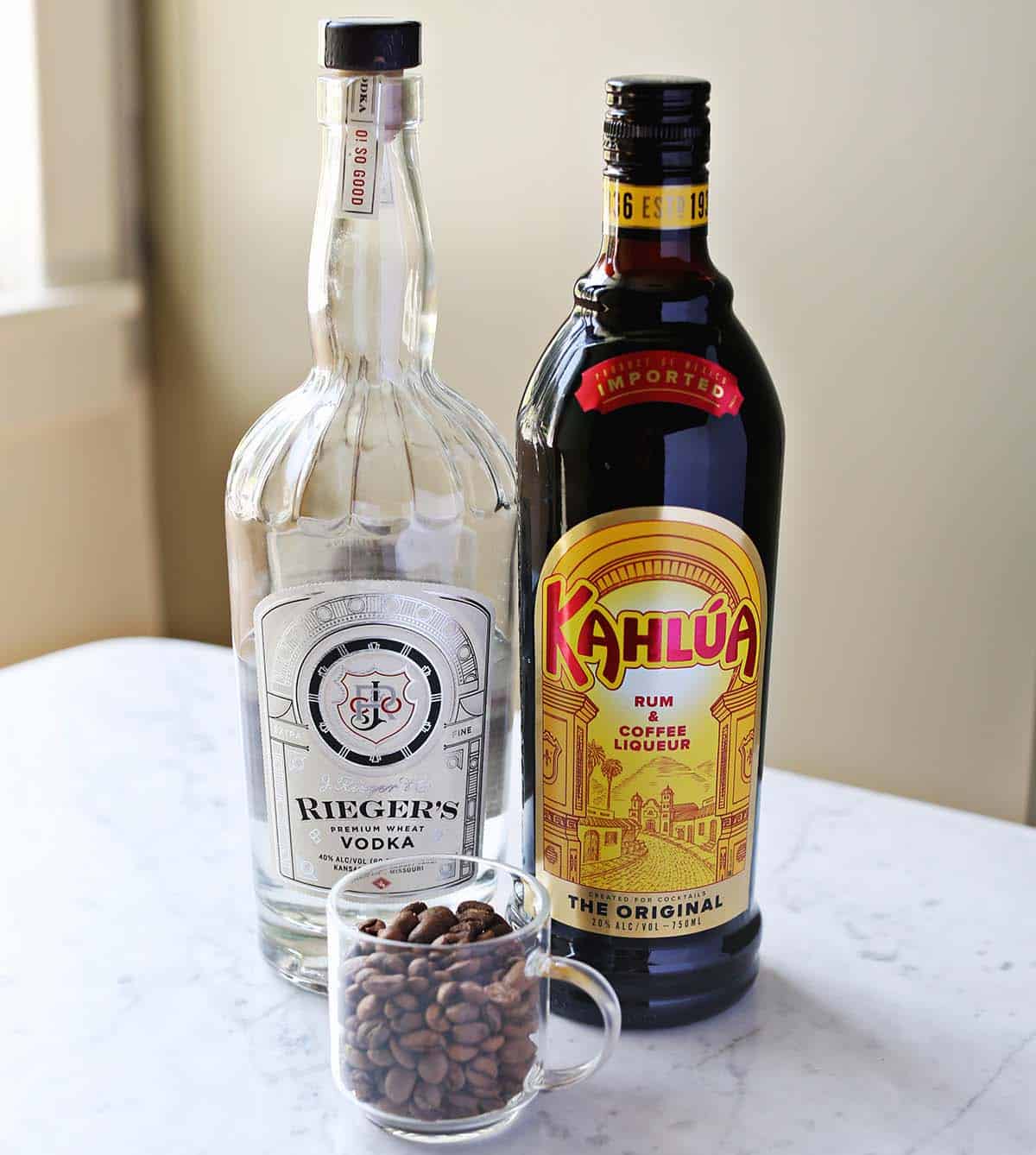
The "holy trinity" of the recipe consists of fresh-brewed espresso, premium coffee liqueur (such as Kahlua), and a touch of simple syrup. The fourth element, often overlooked by amateurs but essential to the drink’s integrity, is the technique of the "hard shake."
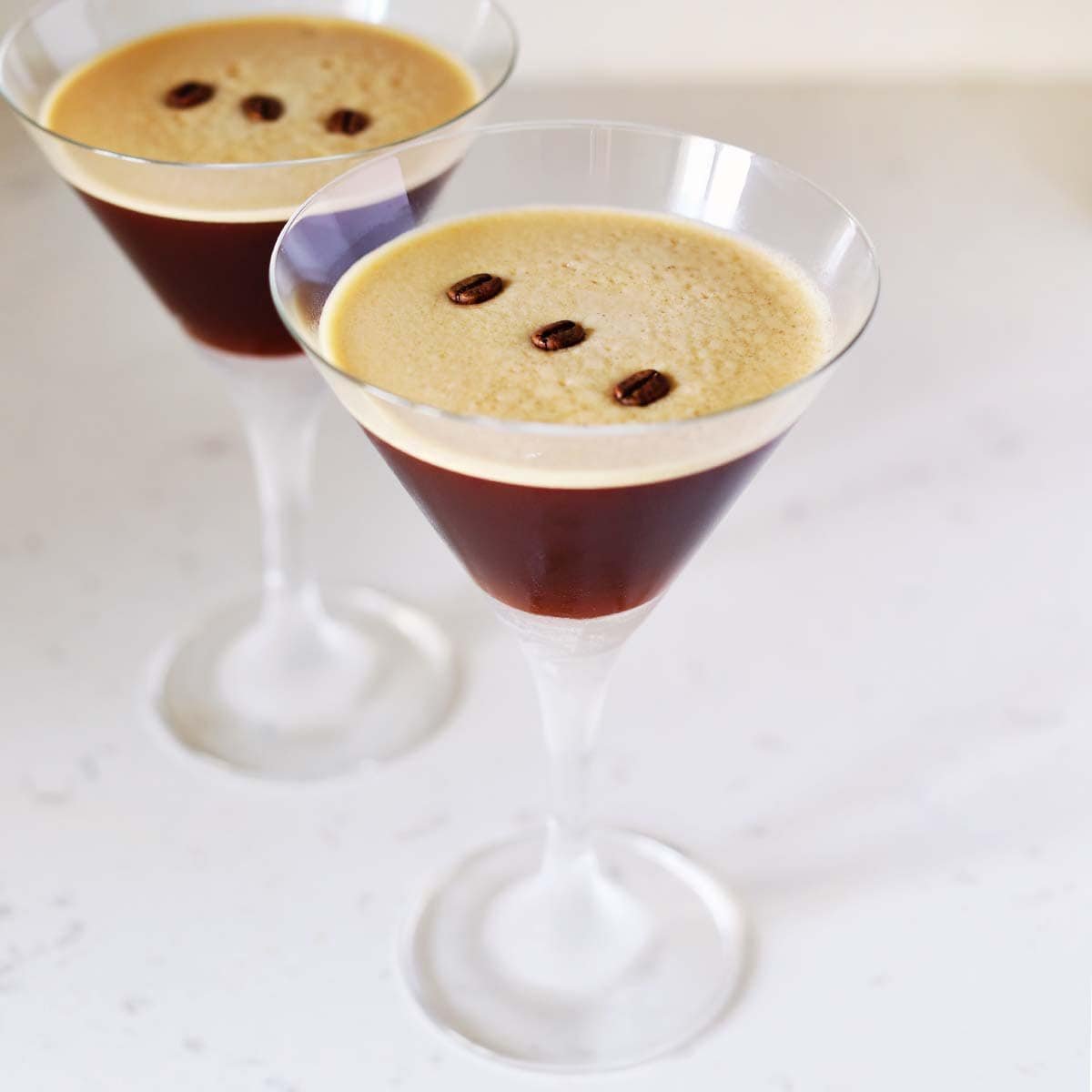
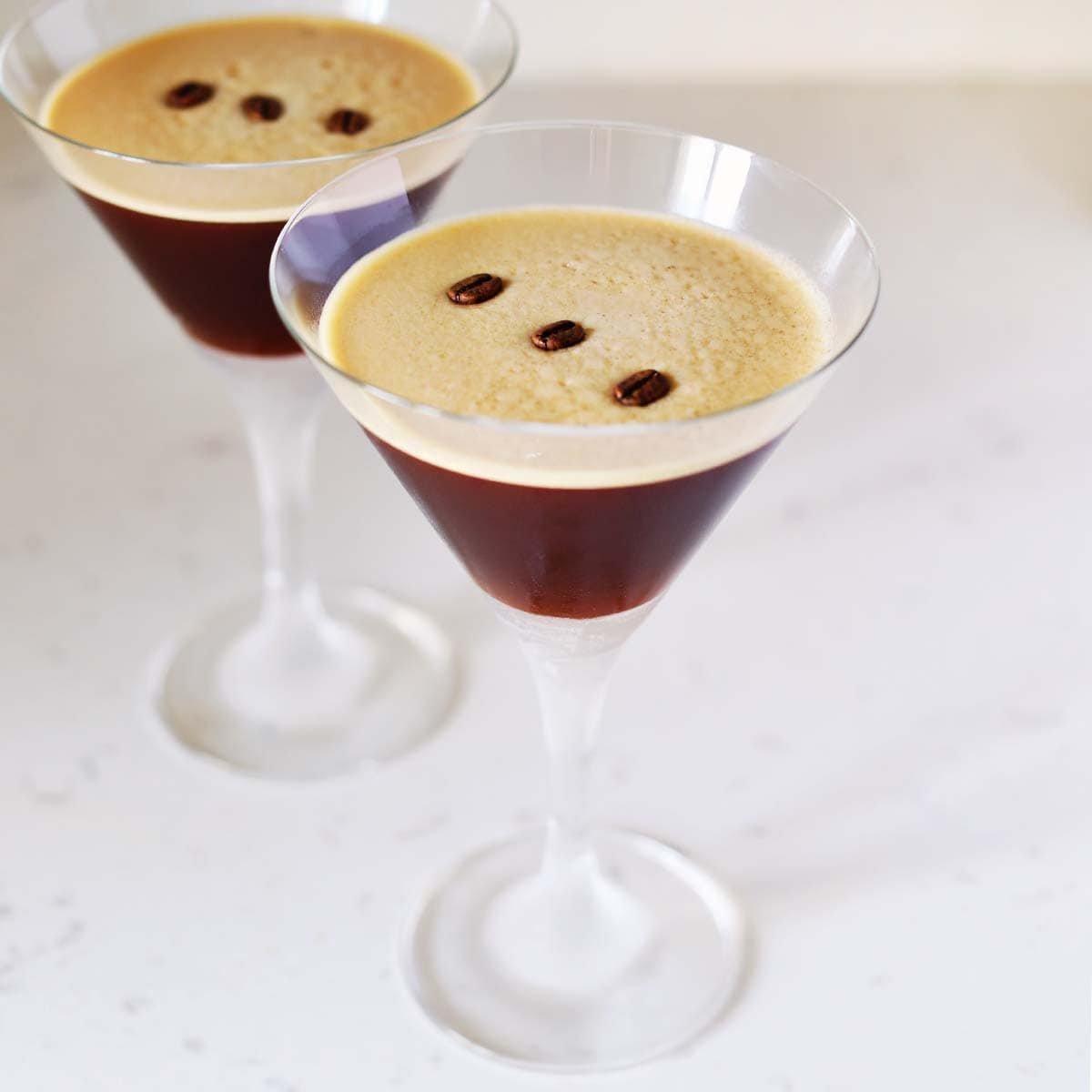
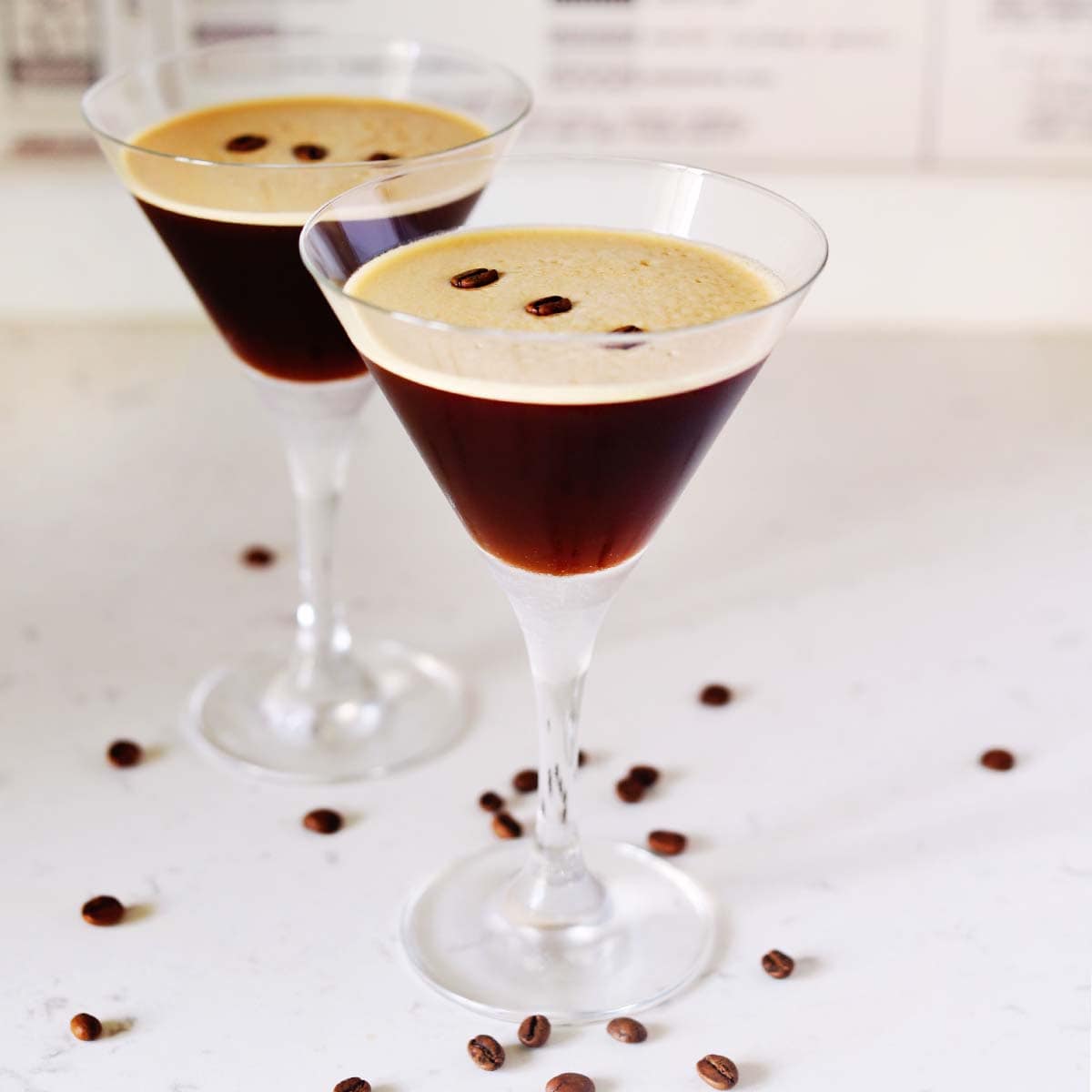
The defining visual characteristic of a superior Espresso Martini is the crema—the thick, golden-brown foam that rests atop the glass. This is not the result of egg whites or cream, but rather the natural oils of the espresso emulsifying during the rapid agitation of the cocktail shaker. To achieve this, the drink must be shaken with ice for at least 10 to 15 seconds. This process serves three functions: it dilutes the mixture to the proper ABV, chills the liquid to a crisp, refreshing temperature, and aerates the coffee oils to create that sought-after velvety texture.
Chronology: From London Nightclubs to Global Dominance
The history of the Espresso Martini is a fascinating slice of cocktail folklore. It was invented in 1983 by legendary British bartender Dick Bradsell at Fred’s Club in London. Bradsell, a titan of the London bar scene, was approached by a high-profile model who requested a drink that would, in the parlance of the era, "wake me up and f*** me up."
Bradsell, ever the innovator, turned to the burgeoning espresso machine behind his bar. He combined the fresh, hot shot of caffeine with vodka and coffee liqueur. The resulting concoction was an immediate hit, quickly becoming a staple of the 1980s and 90s party circuit. While the drink fell slightly out of favor during the craft cocktail revolution of the mid-2000s, it has seen a massive, global resurgence in the 2020s. Today, it is a fixture on menus from upscale hotel bars in New York to neighborhood bistros in Tokyo, proving that a well-executed classic never truly goes out of style.
Supporting Data: Why Quality Ingredients Matter
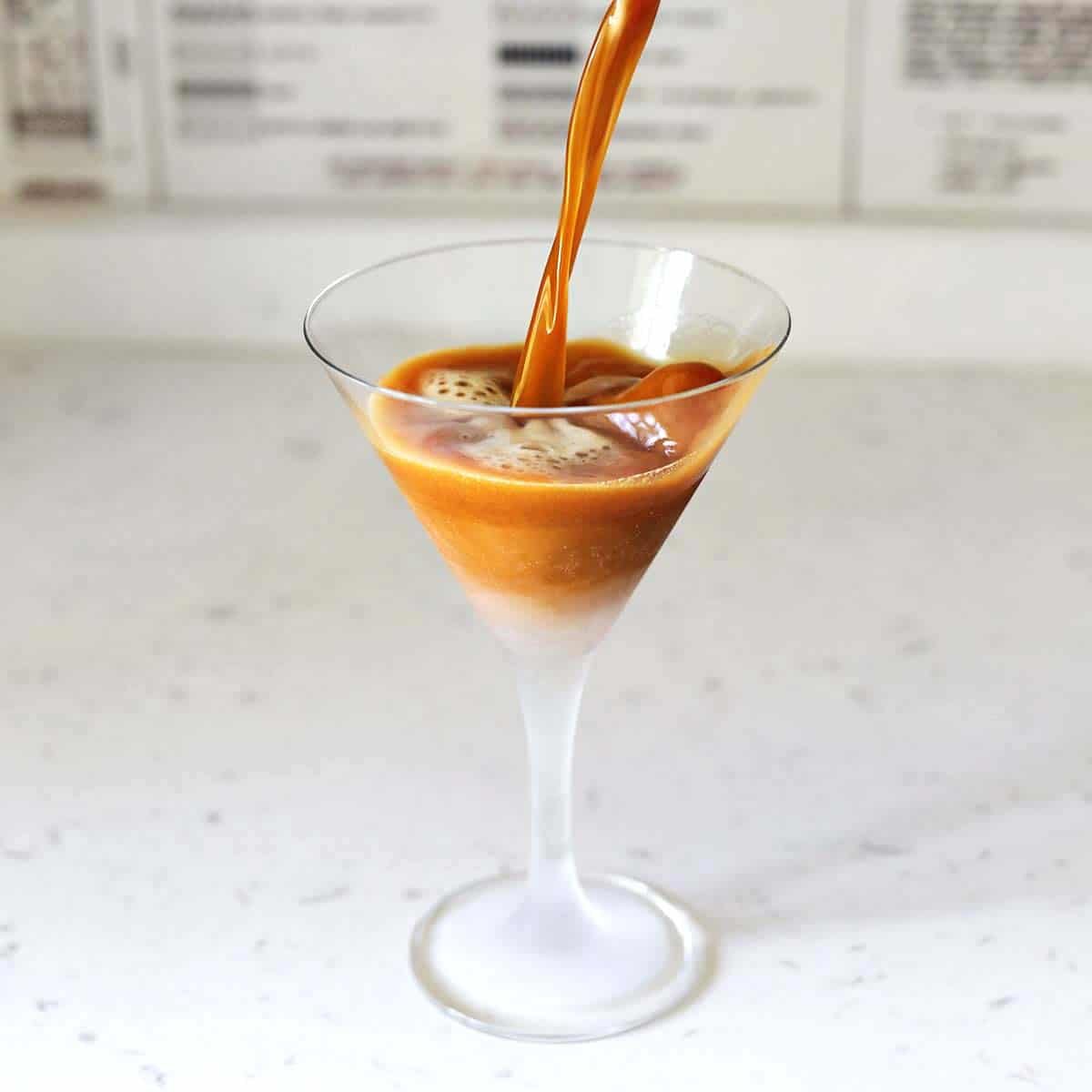
When analyzing the "perfect" Espresso Martini, professionals emphasize the importance of the espresso itself. Using instant coffee or cold-brew concentrate often leads to a flat, muddy flavor profile that lacks the aromatic depth of fresh espresso. The heat of the espresso is also a critical variable. While you must never add piping-hot coffee directly to a shaker—as this will melt the ice prematurely, resulting in a watered-down, tepid cocktail—it is equally important not to use stale, room-temperature coffee.
For the home bartender looking to elevate their game, investing in a reliable home espresso maker is the most effective way to improve results. Whether opting for a high-end semi-automatic machine or a more accessible capsule-based system, the goal is to extract a "short" shot with a rich crema.
Regarding the liqueur, while substitutions like Irish Cream (Bailey’s) are popular, they fundamentally alter the drink. Kahlua remains the gold standard because its rum-based, molasses-forward profile provides a backbone that cuts through the bitterness of the espresso, whereas cream-based liqueurs tend to mute the coffee notes and create a heavier, dessert-like texture.
Official Perspectives: The Bartender’s Code
The consensus among industry professionals is that the Espresso Martini is a "technical" drink. Unlike a stirred cocktail, which relies on clarity and temperature, the Espresso Martini relies on kinetic energy.
"The shake is everything," says one veteran mixologist. "If you don’t break a sweat, you haven’t shaken it hard enough."
Bartenders also emphasize the importance of glassware. A chilled martini or coupe glass is non-negotiable. By placing the glass in a freezer for ten minutes prior to serving, you extend the life of the drink’s temperature, ensuring that the final sip is as crisp as the first. This attention to detail—the pre-chilled glass, the precise measurements, and the vigor of the shake—is what separates a home-made drink from a professional-grade cocktail.
Implications: The Future of the Caffeinated Cocktail
The enduring popularity of the Espresso Martini suggests a shift in consumer behavior. Modern drinkers are increasingly looking for cocktails that bridge the gap between social leisure and functional utility. As a "functional" drink, the Espresso Martini provides a boost of energy that pairs perfectly with late-night social settings.
Furthermore, the drink’s adaptability is driving a new wave of innovation. We are now seeing "Espresso-style" martinis made with cold brew for ease of service, or variations incorporating spiced rum, tequila (the "Espresso Margarita"), or even non-alcoholic coffee spirits for the sober-curious crowd.
However, despite these iterations, the classic remains the standard-bearer. As we look toward the future of mixology, the Espresso Martini remains a prime example of how simplicity, when executed with high-quality ingredients and rigorous technique, creates an experience that is greater than the sum of its parts.
Essential Tips for the Home Bartender:
- Chill Your Espresso: Always pull your shot early and allow it to cool to room temperature or colder before mixing.
- The Hard Shake: Shake like you mean it. The foam is the signature of the drink; if there’s no foam, the technique needs work.
- Double Up: If you are serving guests, don’t try to make them one by one. You can easily shake two drinks at once in a standard-sized shaker.
- Glassware Matters: A chilled coupe glass elevates the presentation and keeps the cocktail colder for longer.
- Quality Spirits: Because there are so few ingredients, there is nowhere for low-quality vodka to hide. Stick to reputable mid-shelf brands.
Whether you are a seasoned cocktail enthusiast or a curious beginner, the Espresso Martini is a rewarding addition to your repertoire. It is a drink that invites conversation, demands attention, and offers a perfect, caffeinated kick to conclude any evening. Cheers to the timeless, creamy, and bold classic that continues to rule the cocktail world.