
Main Facts: A Modern Twist on a Fan Favorite
Denny’s, the iconic American diner chain synonymous with late-night comfort food, has officially announced the return of a menu item that many patrons have been clamoring for since its original debut. Beginning October 7, the restaurant will launch the "Mozzilla Melt," a sophisticated, albeit indulgent, iteration of the brand’s legacy Fried Cheese Melt.
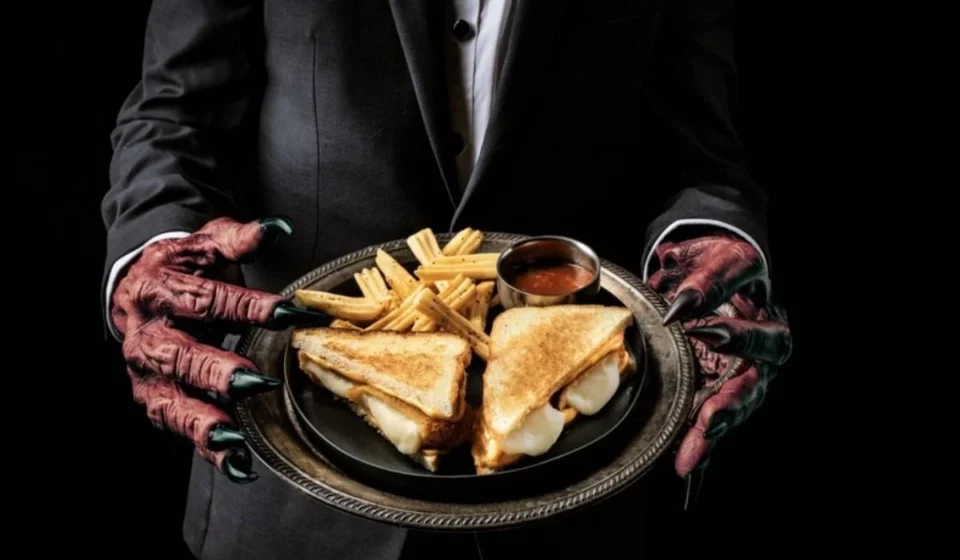
The Mozzilla Melt is designed to be the ultimate comfort sandwich. It features golden-brown fried mozzarella sticks nestled between layers of melted American and provolone cheeses, all pressed within two slices of signature grilled sourdough bread. To round out the experience, the meal is served with a side of classic tomato sauce—perfect for dipping—and a generous portion of wavy-cut fries. This limited-time offering is slated to remain in participating Denny’s locations nationwide until November 3, or while supplies last.
Chronology: The Evolution of the Cheese Melt
The history of the cheese-heavy sandwich at Denny’s is a testament to the brand’s ability to leverage nostalgia to drive foot traffic.
The Origins
In the late 2000s and early 2010s, Denny’s began experimenting with "extreme" menu items that blended appetizers with main courses. The original Fried Cheese Melt was a cornerstone of this strategy. It captured the public’s imagination—and dominated social media chatter—by physically merging a mozzarella stick appetizer directly into the structure of a grilled cheese sandwich.
The Hiatus and Consumer Demand
After the item was rotated off the permanent menu, it became a frequent topic of conversation on internet forums and Reddit threads, where users lamented its absence. The "Bring Back the Fried Cheese Melt" sentiment became a staple of the Denny’s digital community.
The Modern Re-Launch
The transition from the "Fried Cheese Melt" to the "Mozzilla Melt" reflects a shift in culinary branding. By updating the name, Denny’s is signaling a fresh start, perhaps suggesting refined preparation methods or simply aligning the product with modern menu nomenclature. The rollout begins in the first week of October, a strategic window that coincides with the cooling weather in the Northern Hemisphere—a prime season for high-calorie, "comfort-focused" menu items.
Supporting Data: The Economics of Limited-Time Offers (LTOs)
The decision to bring back a cult classic like the Mozzilla Melt is not merely a nostalgic gesture; it is a calculated business move rooted in the economics of the restaurant industry.
Driving Scarcity and Urgency
Limited-Time Offers (LTOs) serve as a vital tool for quick-service restaurants (QSRs) and casual dining chains to generate "urgency" among consumers. By capping the availability at four weeks, Denny’s creates a "fear of missing out" (FOMO) dynamic. This is particularly effective for items that are high in perceived value but low in complexity, as they utilize ingredients (mozzarella sticks, American cheese, sourdough) that are already standard inventory in most Denny’s kitchens.
The "Comfort Food" Index
Consumer data from 2023 and 2024 indicates that diners are increasingly gravitating toward "permissive indulgence." Amid economic pressures and inflationary food costs, consumers are more likely to spend money on dining experiences that provide high satisfaction per dollar. The Mozzilla Melt, which combines two comfort food staples—the grilled cheese and the mozzarella stick—hits the "value-for-comfort" metric that current diners are actively seeking.
The Role of Social Media Virality
In the era of TikTok and Instagram, food aesthetics play a massive role in marketing success. The "cheese pull"—the visual of stretching melted cheese between two halves of a sandwich—is a high-engagement asset. Denny’s is positioning the Mozzilla Melt as a "camera-ready" meal, anticipating that user-generated content will drive brand awareness far more effectively than traditional advertising spend.
Official Responses and Strategic Positioning
While Denny’s has kept a relatively tight lid on the internal metrics regarding the launch, the company’s strategic shift has been clear through its recent marketing communications.
"We recognize that our guests are looking for those nostalgic moments that remind them of why they love a classic diner experience," a spokesperson for the brand noted in a recent industry briefing. "The Mozzilla Melt isn’t just a sandwich; it’s a reimagining of a fan favorite that captures the essence of what Denny’s does best: providing bold, indulgent flavors that bring people together."
Industry analysts view this move as part of a broader "back to basics" approach for the chain. After several years of experimenting with health-conscious trends and plant-based alternatives, the return to "extreme comfort" marks a return to the brand’s core demographic.
Implications: What This Means for the Industry
The success (or failure) of the Mozzilla Melt will likely have broader implications for the casual dining sector.
1. The Power of Intellectual Property (IP)
Denny’s owns its own menu history. By digging into its archives to revive past hits, the company is effectively utilizing its own "intellectual property." This is a growing trend among legacy chains, such as McDonald’s with the McRib or Burger King with the return of various Whopper iterations. It suggests that established brands may be moving away from constant innovation in favor of "strategic revivals."
2. Supply Chain Efficiency
From an operational standpoint, the Mozzilla Melt is a triumph of supply chain simplicity. Because the ingredients are already used in other popular dishes (mozzarella sticks as appetizers, American cheese for burgers, sourdough for various melts), there is minimal waste and minimal training required for kitchen staff. For a franchise-heavy business like Denny’s, this operational efficiency is the difference between a successful promotion and a logistical headache.
3. Combatting Menu Fatigue
Consumers often suffer from "menu fatigue" when visiting the same chain repeatedly. By introducing the Mozzilla Melt, Denny’s provides a reason for "lapsed" customers to return. Even if they don’t order the Melt every time, the marketing campaign draws them into the restaurant, where they may choose to order a staple item instead. This "halo effect" is often the true goal of an LTO campaign.
4. The Competitive Landscape
The QSR and casual dining segments are currently engaged in a fierce "Value War." While many competitors are focusing on deep-discount bundles, Denny’s is taking a different path by focusing on experience and novelty. By offering something that cannot be easily replicated at home—or at least not as conveniently—Denny’s is attempting to differentiate itself from the sea of standard $5 or $10 value menus.
Conclusion: A Test of Brand Loyalty
As October 7 approaches, the industry will be watching closely to see how the Mozzilla Melt performs. If the response mirrors the original Fried Cheese Melt’s success, it could lead to an even longer residency for the sandwich or, perhaps, a permanent spot on the menu for items that prioritize high-impact, indulgent flavors.
For the average diner, the return of the Mozzilla Melt serves as a reminder that sometimes the most successful innovations are the ones that don’t try to reinvent the wheel, but rather, simply make the wheel taste like fried cheese. As the calendar turns toward November, Denny’s is betting that the American appetite for nostalgia is as strong as ever—and that it tastes remarkably like melted provolone and sourdough.