The Timeless Appeal of the Gimlet: A Deep Dive into the Iconic Three-Ingredient Cocktail

The cocktail world is often obsessed with complexity—elaborate infusions, house-made bitters, and dramatic presentations. Yet, in the quiet corner of the bar menu, there remains the Gimlet: a drink defined not by its bells and whistles, but by the perfect, razor-sharp balance of gin, lime, and sugar. It is the architectural equivalent of a mid-century modern chair—minimalist, functional, and impossible to improve upon.
To understand the Gimlet is to understand the evolution of the modern bar. Whether you are a novice home bartender or a seasoned mixologist, the Gimlet serves as the ultimate litmus test for quality, proving that when you have nowhere to hide, excellence is the only option.
Main Facts: The Anatomy of a Classic
At its core, a traditional Gimlet is a study in simplicity. It consists of exactly three ingredients:
- Gin: The backbone of the drink, providing botanical complexity and structure.
- Lime Juice: The acidic engine that provides the signature "zing" and brightness.
- Simple Syrup: The balancing agent that tempers the sharpness of the citrus and the bite of the spirit.
The result is a cocktail that is deceptively light, remarkably refreshing, and dangerously drinkable. Much like the Daiquiri—its rum-based counterpart—the Gimlet functions on a ratio-based logic. While personal tastes vary, the standard professional build usually leans toward a 2:1:1 ratio (two parts gin, one part lime, one part syrup), though modern palates often prefer a slightly drier profile, utilizing a bit less sugar to allow the gin’s botanicals to shine.
Chronology: From Navy Rations to Modern Mixology
The history of the Gimlet is as murky as the British waters from which it allegedly emerged. The most prevalent—and enduring—legend dates back to the 18th-century British Royal Navy.
The Medicinal Origins
In an era when long-haul sailing meant months at sea, scurvy was the scourge of the British fleet. Recognizing the necessity of Vitamin C, the British Admiralty mandated rations of citrus for sailors. However, citrus juice spoils quickly, and the sailors grew tired of the taste. Enter the "Gimlet" in its proto-form: a mixture of gin and preserved lime juice. By combining the two, sailors were essentially consuming a medicinal tonic that masked the harshness of low-quality naval spirits while keeping them healthy enough to man the ships.
The Linguistic Mystery
The name "Gimlet" is itself a subject of debate among historians. A "gimlet" is a small, hand-held tool used for boring holes in barrels. It is widely speculated that the drink was named for its "piercing" effect—much like the tool, the cocktail’s sharp lime flavor bores through the palate, providing a quick, biting refreshment. Others argue it was named after Surgeon General Sir Thomas Gimlette, who allegedly introduced the drink to his officers as a way to encourage them to take their lime rations.
The Transition to the Cocktail Bar
By the mid-20th century, the Gimlet had migrated from the hulls of warships to the high-end lounges of London and New York. It gained significant pop-culture status through Raymond Chandler’s 1953 novel, The Long Goodbye, where the character Philip Marlowe famously remarked, "A real gimlet is half gin and half Rose’s Lime Juice and nothing else." This cemented the drink in the American consciousness, though modern bartenders have largely moved away from preserved cordials in favor of fresh-pressed lime, a shift that has revitalized the drink’s reputation.
Supporting Data: The Science of the Perfect Shake
What separates a mediocre Gimlet from a transcendent one? The answer lies in thermodynamics and chemistry.
The Importance of Dilution
When you shake a Gimlet, you are not just chilling the ingredients; you are manipulating the alcohol content through dilution. The ice melts, incorporating water into the mixture. This is essential for lowering the perceived burn of the gin and softening the acidity of the lime. A well-shaken Gimlet should have a subtle, milky opaqueness, indicating that the mixture has been properly aerated and chilled.
Ingredient Quality
Because the Gimlet relies on only three components, the quality of each is magnified.
- The Spirit: A juniper-forward London Dry gin provides the traditional profile, while a more modern, floral gin (like Hendrick’s) can bring out herbal notes that pair beautifully with the lime.
- The Citrus: Freshness is non-negotiable. Bottled lime juice contains preservatives that alter the pH and flavor profile. Using a hand-press ensures the oils from the lime peel are subtly incorporated, adding a dimension of zest that bottled juice simply cannot replicate.
- The Sweetener: Simple syrup (a 1:1 ratio of sugar to water) is the standard. However, experimenting with demerara or agave can add a slight earthiness that complements certain gins.
Official Perspectives: Expert Techniques
Professional bartenders emphasize that the "Gimlet experience" begins before the first pour.
The Chilling Protocol
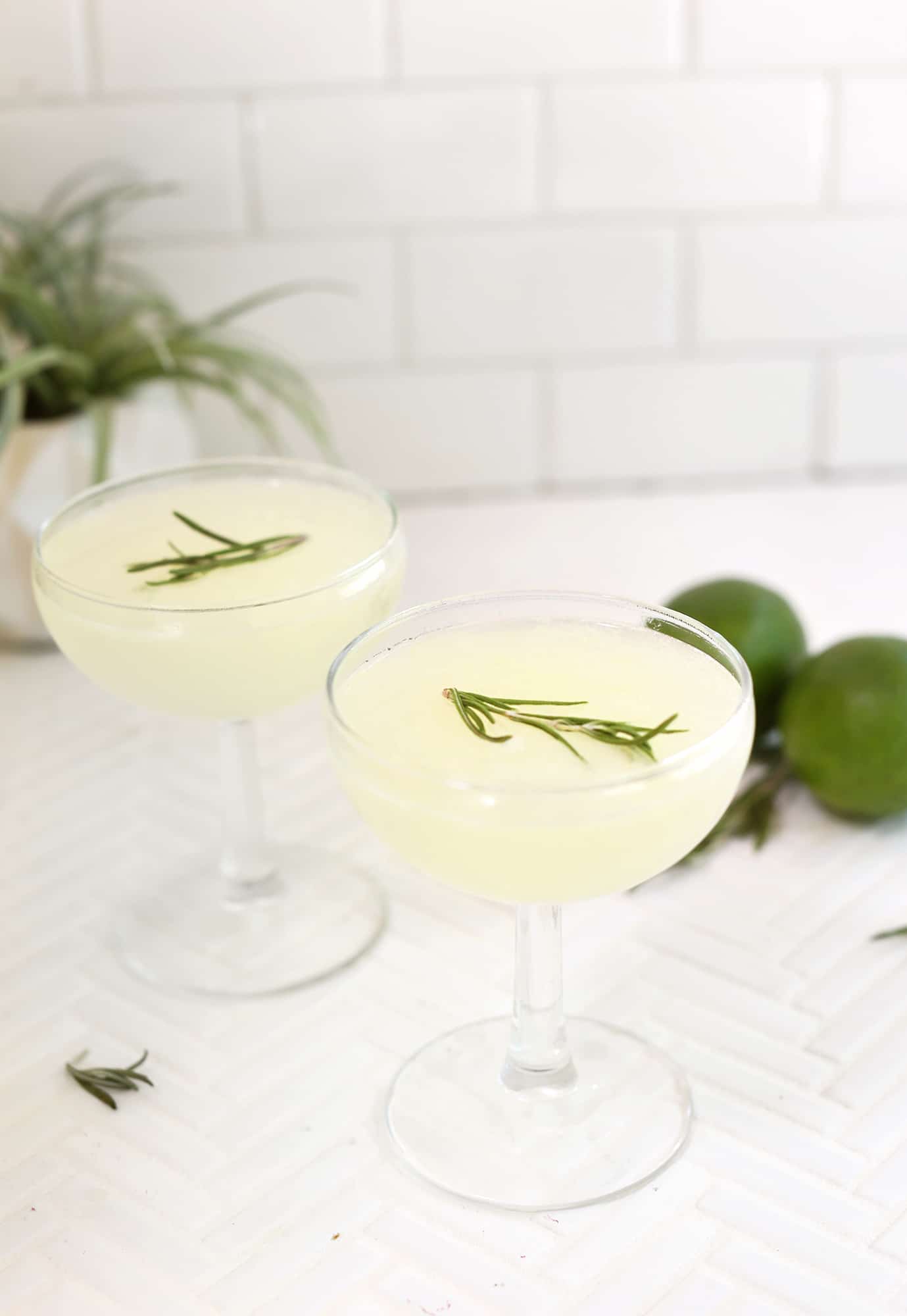
A pro tip widely practiced in top-tier establishments is the "pre-chill." By placing a coupe or martini glass in the freezer for 30 minutes, you ensure that the drink remains at a crisp, stable temperature until the final sip. A warm glass is the death of a delicate cocktail.
The Garnish Strategy
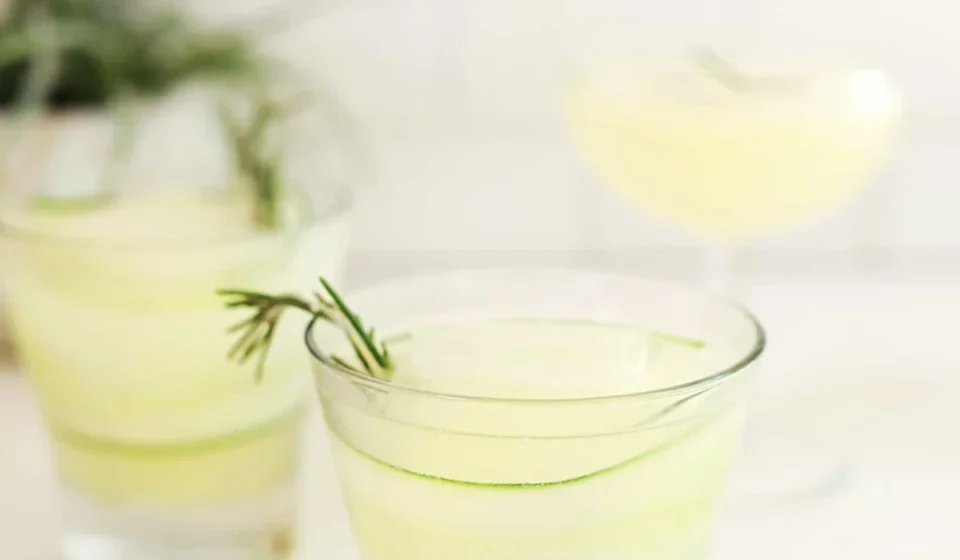
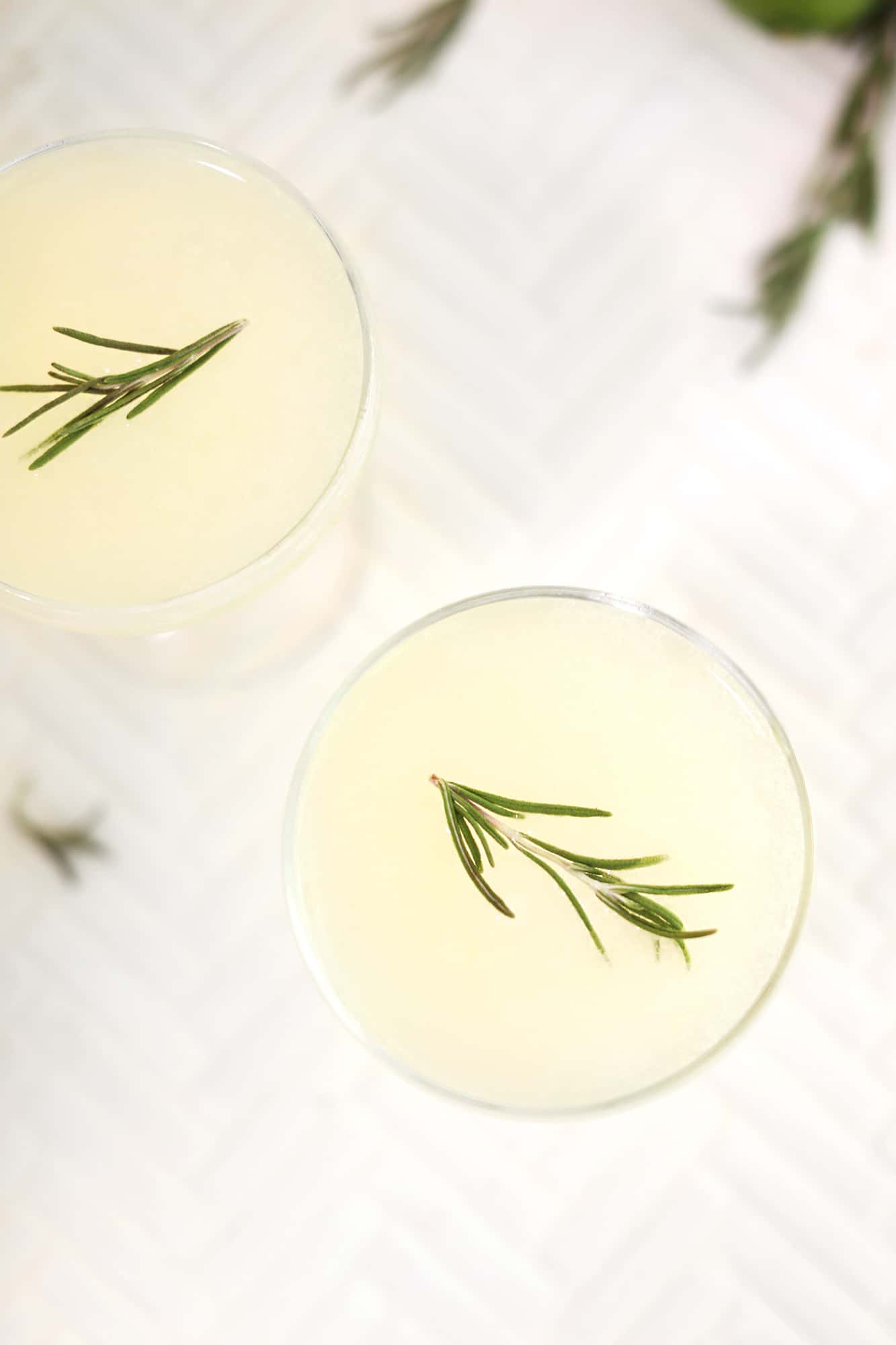
While the drink is simple, the garnish acts as a sensory trigger. A lime wedge is the traditional choice, providing a visual cue and an aromatic punch. However, for a modern twist, a sprig of rosemary or a slap of fresh mint can introduce an olfactory element that highlights the botanical profile of the gin.
Implications: The Gimlet in the Modern Era
The enduring popularity of the Gimlet speaks to a broader shift in the modern drinking culture: the "less is more" philosophy.
The Home Bartender’s Renaissance
The Gimlet has become the gateway cocktail for home enthusiasts. It requires no specialized equipment beyond a shaker and a strainer, and the ingredients are readily available in any grocery store. As home entertaining continues to evolve, the ability to execute a classic drink with precision has become a hallmark of a thoughtful host.
The Versatility of the Template
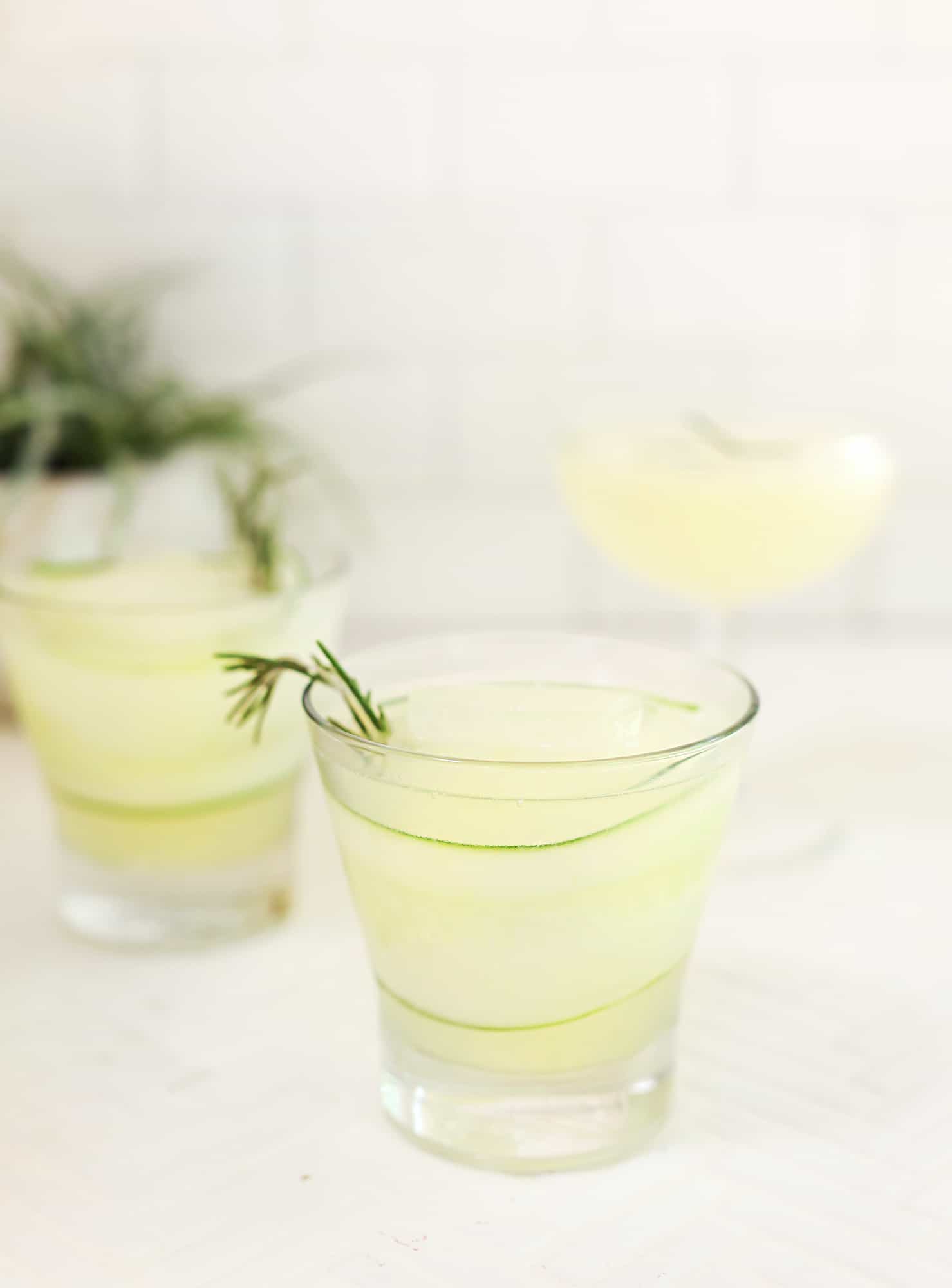
The Gimlet is more than just a recipe; it is a framework. The "Gimlet Template" (Spirit + Acid + Sugar) has spawned countless variations. By swapping gin for vodka, you create a cleaner, more neutral drink. By introducing muddled cucumber, basil, or even jalapeño, you create a bespoke experience that feels entirely new while maintaining the integrity of the original structure.
Conclusion: A Legacy of Refreshment
Whether you enjoy it in a dimly lit bar in London or on your patio on a summer evening, the Gimlet remains a testament to the idea that greatness does not require complexity. It is a cocktail that demands respect for its ingredients and precision in its preparation.
As you prepare your next glass, remember the history behind it—the sailors of the Royal Navy, the medicinal necessity of the lime, and the sharp, piercing history of the tool for which it was named. A Gimlet is more than just a drink; it is a piece of liquid history, perfectly balanced and perpetually refreshing.
Cheers to the classics—may they always remain as sharp as a gimlet.