The Timeless Appeal of the Gimlet: A Deep Dive into the World’s Most Refreshing Classic

In the vast, often complicated pantheon of mixology, few drinks command the respect and universal appeal of the Gimlet. A masterclass in minimalism, the Gimlet is a study in the perfect balance of acid, sugar, and spirit. Composed of only three foundational ingredients—gin, fresh lime juice, and simple syrup—it stands alongside the Daiquiri and the Tom Collins as a pillar of the classic cocktail canon. For the home bartender and the professional mixologist alike, the Gimlet is more than just a drink; it is a rite of passage, a historical artifact, and an enduring symbol of sophistication.
Main Facts: The Anatomy of a Classic
At its core, the Gimlet is a "sour"—a category of cocktails defined by a base spirit balanced by citrus and sweetness. While modern iterations have evolved, the blueprint remains remarkably consistent. The interplay between the botanical complexity of gin and the sharp, bright acidity of lime creates a profile that is both invigorating and refined.
The standard ratio typically leans toward two parts gin to one part lime juice and one part simple syrup, though this is frequently adjusted to suit individual palates. Because the ingredient list is so short, the quality of each component is magnified. A truly exceptional Gimlet requires:
- The Spirit: A high-quality London Dry gin or a botanical-forward craft gin.
- The Citrus: Freshly squeezed lime juice is non-negotiable; bottled alternatives lack the aromatic oils and vibrancy required to lift the drink.
- The Sweetener: Simple syrup (a 1:1 ratio of sugar to water) provides the necessary viscosity and sugar content to bridge the gap between the sharpness of the lime and the heat of the alcohol.
Chronology: Navigating the Murky Origins
The history of the Gimlet is as layered as the cocktail itself, blurred by the passage of time and the embellishments of seafaring lore. Most historians trace its inception to the 18th-century British Royal Navy.
During this era, scurvy was a pervasive threat to sailors on long voyages. The British Admiralty, following the findings of James Lind, recognized that citrus consumption could prevent the disease. To encourage sailors to drink their daily ration of lime juice, the Navy began mixing it with their daily gin allowance. The result was a medicinal tonic that eventually evolved into the cocktail we recognize today.
The etymology of the name "Gimlet" is equally storied. Many believe the drink was named after the "gimlet"—a small, handheld tool used by sailors to pierce holes in the wooden barrels used to store spirits. The sharp, piercing acidity of the lime was said to "bore into" the palate, much like the tool bored into the wood. Another theory suggests the name honors Sir Thomas Gimlette, a British naval surgeon who is credited with adding lime juice to the sailors’ rations to combat scurvy, though this is often debated by cocktail historians.
Supporting Data: The Rise of the Gin Renaissance
The Gimlet’s endurance is supported by the global explosion of the craft spirits industry. As the popularity of high-end gin has surged, so too has the appreciation for "low-intervention" cocktails. Data from industry analysts indicates that classic, spirit-forward drinks have seen a 25% increase in popularity over the last decade, driven by consumers moving away from sugary, pre-mixed concoctions toward "cleaner," more transparent drink profiles.
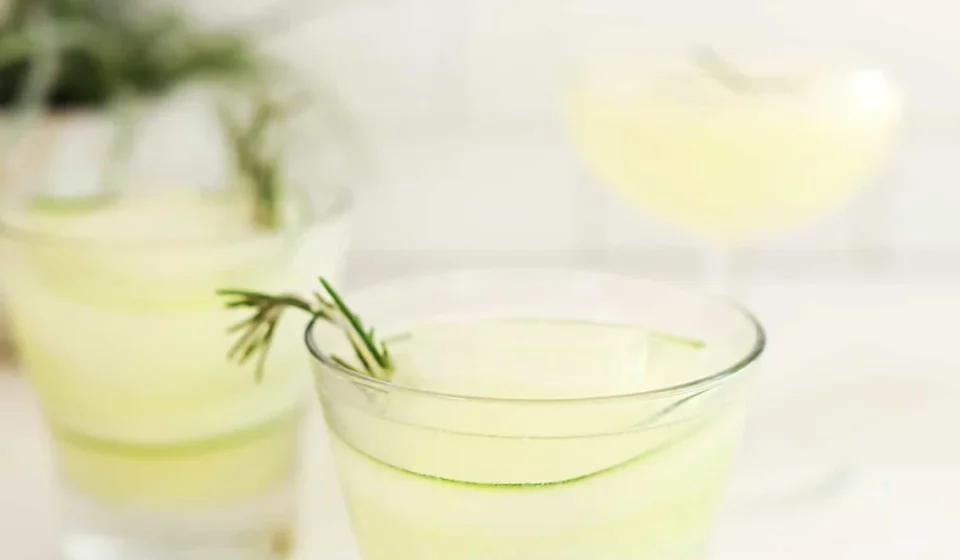
Furthermore, the Gimlet’s versatility makes it a staple in bars ranging from high-concept speakeasies to casual neighborhood pubs. Its ability to serve as a canvas for variation—swapping gin for vodka, or introducing herbs like rosemary, basil, or cucumber—has kept it relevant in an era of constant culinary innovation.
Official Perspectives: What the Experts Say
Professional mixologists often refer to the Gimlet as a "barometer of a bar’s quality." Because there is nowhere to hide in a three-ingredient drink, a bartender’s technique is fully exposed.
"The secret is in the temperature and the dilution," says one industry expert. "A perfect Gimlet should be served in a glass that has been chilled to near-freezing. The shaker must be filled with high-quality, dense ice to ensure the drink is properly aerated and chilled without becoming overly watered down. If a bartender can make a perfect Gimlet, they can make anything."
From a culinary standpoint, the Gimlet is frequently praised for its role as an aperitif. The high acidity of the lime juice acts as a palate cleanser, stimulating the appetite before a meal. Chefs often highlight its ability to pair beautifully with fatty fish, oysters, or sharp cheeses, where the citrus cuts through richness and the gin’s botanicals complement herbal notes in food.
Implications: Elevating the Home Experience
The accessibility of the Gimlet has significant implications for home hospitality. In an age where consumers are increasingly looking to replicate the "fancy restaurant" experience in their own kitchens, the Gimlet stands out as the ideal starting point. It requires no complex infusions, no expensive specialized equipment, and minimal prep time.
The "Pro-Level" Home Setup
To achieve a professional-grade Gimlet at home, consider these essential practices:
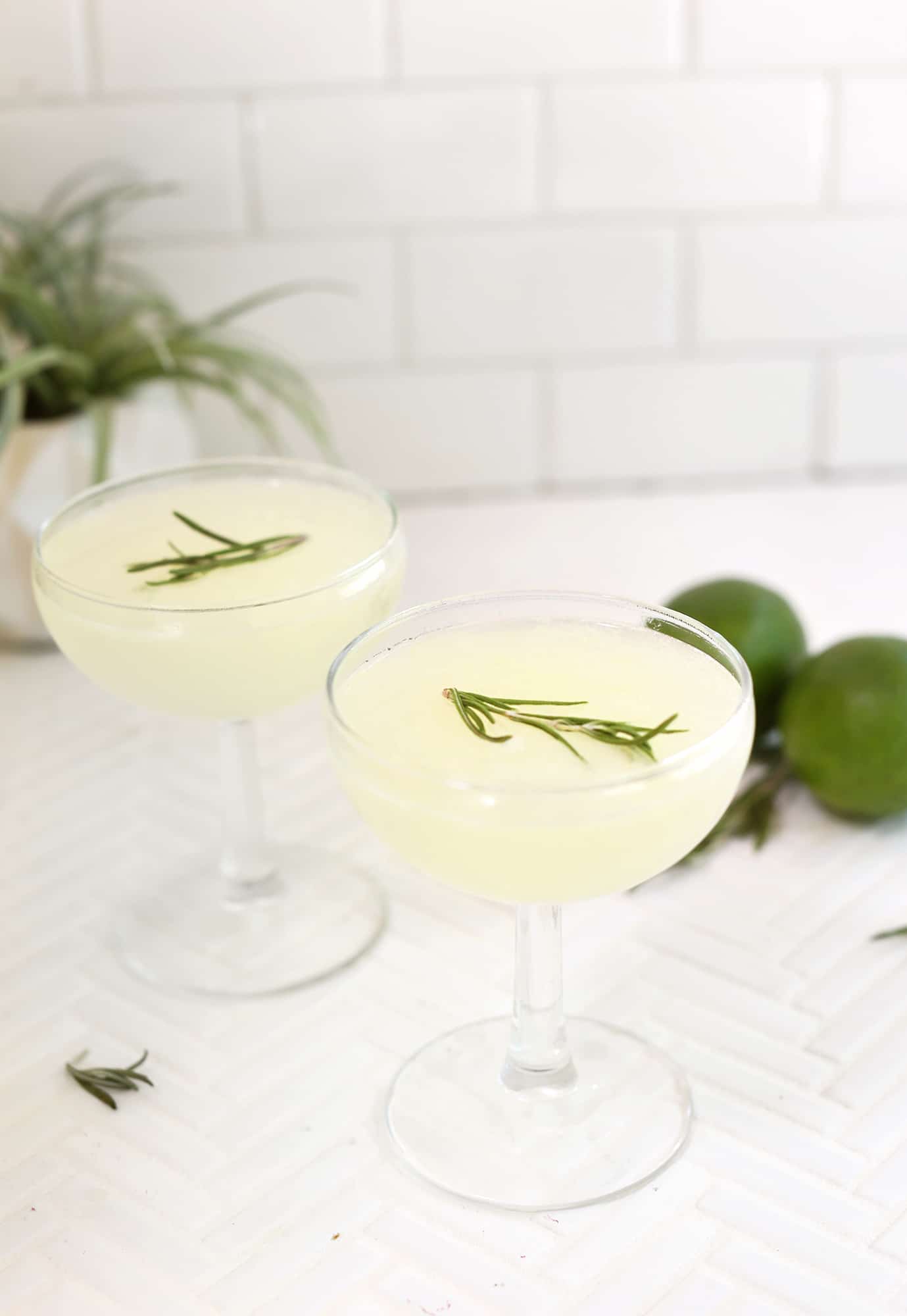
- Glassware Selection: A classic coupe glass is the gold standard. Its wide rim allows the aromatics of the gin to reach the nose, while the stem prevents the warmth of your hand from heating the drink.
- Thermal Management: Never serve a room-temperature drink. Store your glassware in the freezer for at least 30 minutes before serving. This simple step creates the "frost" associated with high-end cocktail bars.
- Ingredient Quality: While Hendrick’s is a fantastic, reliable choice for a traditional Gimlet, do not be afraid to experiment with local, small-batch gins that feature unique regional botanicals.
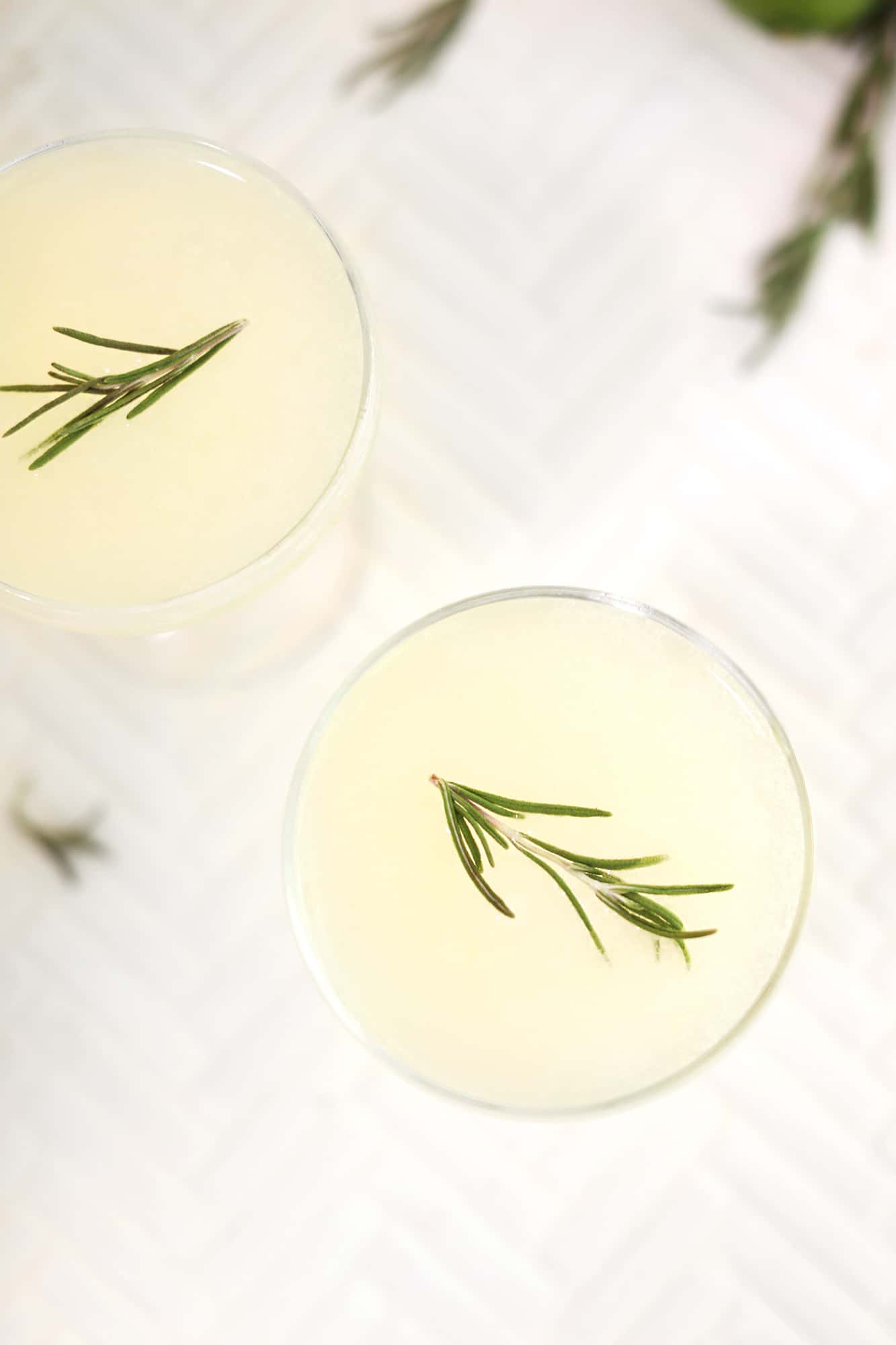
- The Garnish: While a simple lime wedge is traditional, a sprig of fresh rosemary or a slapped mint leaf adds a sensory dimension to the drink, elevating the olfactory experience before the first sip is even taken.
Modern Variations and Future Trends
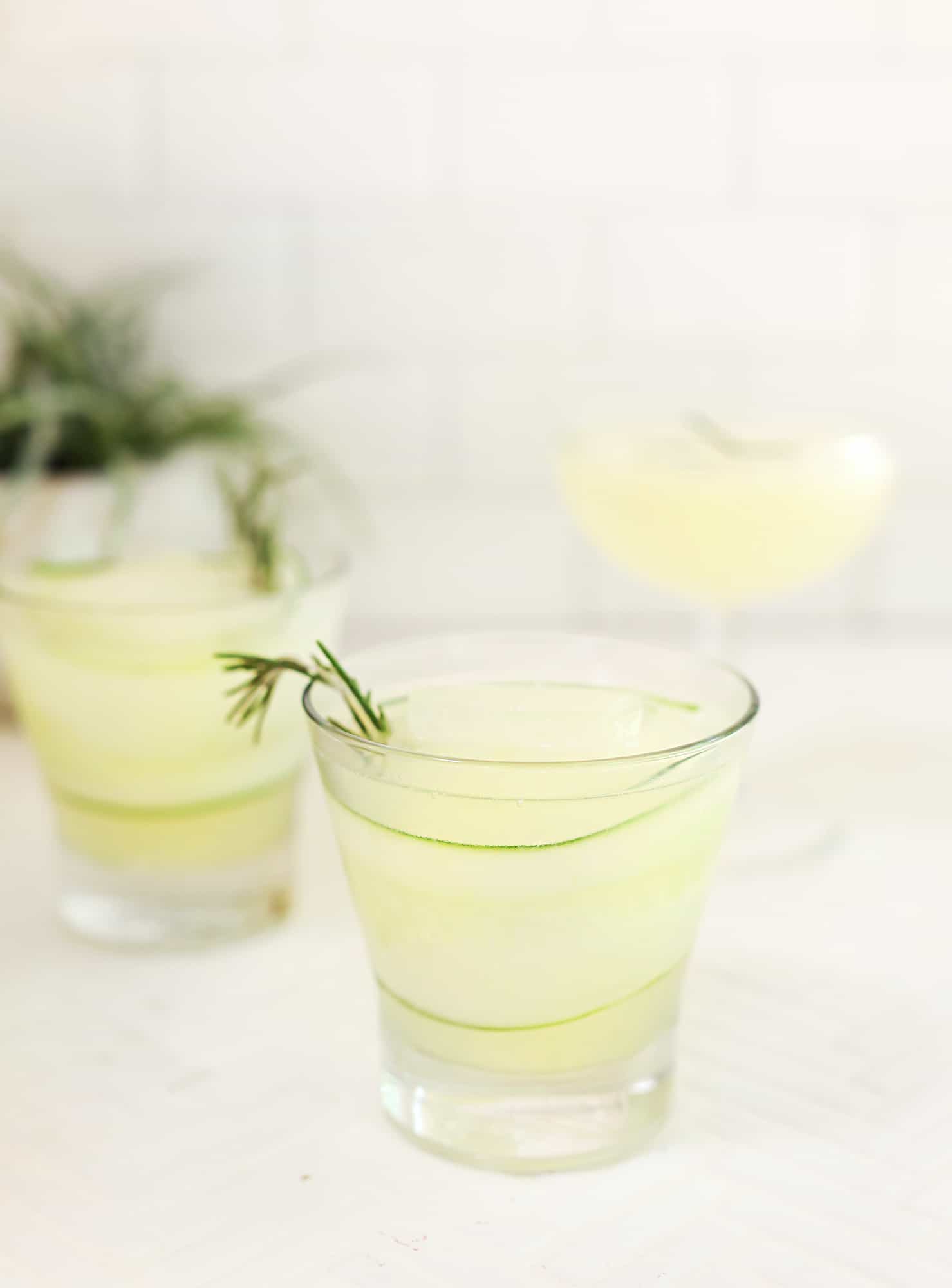
While the classic recipe remains the benchmark, the cocktail world continues to iterate. The "Vodka Gimlet" is the most common departure, appealing to those who prefer a neutral base that allows the lime to take center stage. For those seeking something more herbaceous, the "Garden Gimlet" incorporates muddled basil or cucumber, which pair exceptionally well with the juniper notes in gin.
Looking ahead, we are seeing a shift toward "low-ABV" (alcohol by volume) versions of the Gimlet, using house-made shrubs or non-alcoholic gin alternatives. This reflects a broader cultural trend toward mindful drinking, where the ritual of the cocktail—the garnish, the glassware, the balance of flavors—is prioritized over the alcohol content.
Conclusion
Whether you are a seasoned mixologist or a curious beginner, the Gimlet remains a vital part of the drinking lexicon. It is a testament to the idea that simplicity, when executed with precision and quality ingredients, is the ultimate form of sophistication.
By mastering the Gimlet, you are doing more than just mixing a drink; you are engaging with a piece of history that has navigated the high seas, traveled through the parlors of the 20th century, and arrived in the modern day as refreshed and relevant as ever. Next time you reach for the shaker, remember the history, respect the ingredients, and—most importantly—take a moment to enjoy the perfect, icy balance of this timeless classic. Cheers.