The Ultimate Guide to Rotel Cheese Dip: History, Preparation, and Cultural Impact of a Party Phenomenon

Introduction: The Undisputed King of Comfort Food Spreads
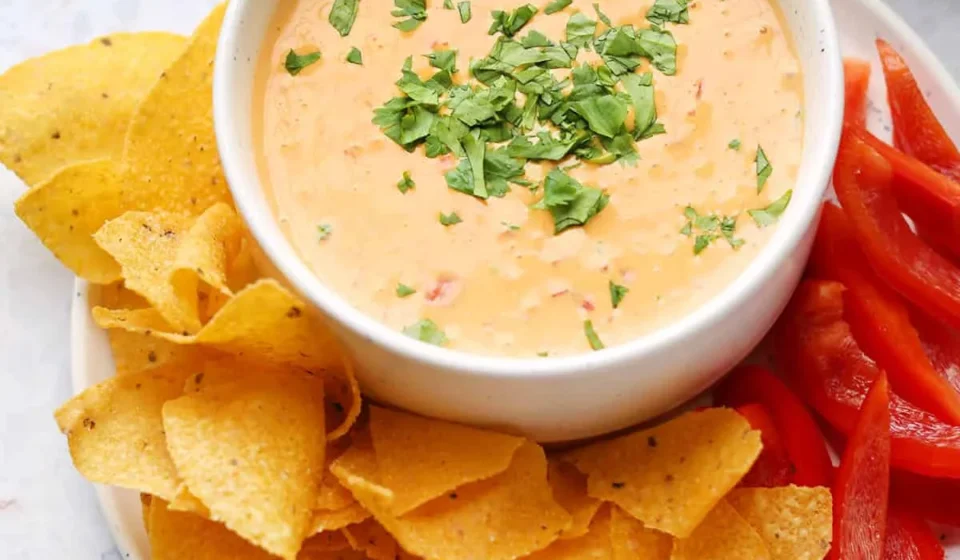
Few culinary creations evoke the immediate warmth of nostalgia quite like Rotel Cheese Dip. Whether known affectionately in certain circles as "cowboy dip," "ugly dip," or simply referred to by its core component, this velvety, slightly spicy concoction has anchored family reunions, game-day watch parties, holiday celebrations, and neighborhood potlucks for generations.
Rooted in mid-century convenience cooking, the classic combination of processed cheese and canned diced tomatoes with green chilies has defied shifting dietary trends to remain a timeless American staple. Requiring minimal ingredients and virtually zero culinary expertise to execute successfully, Rotel Dip represents the democratization of party appetizers—proof that simple elements, when combined correctly, can achieve legendary status.
This comprehensive feature explores the origins of Rotel Dip, the mechanics of its preparation, cultural variations across different regions, expert modifications, and its enduring place in the American culinary landscape.
Main Facts: Anatomy of a Classic Two-Ingredient Marvel
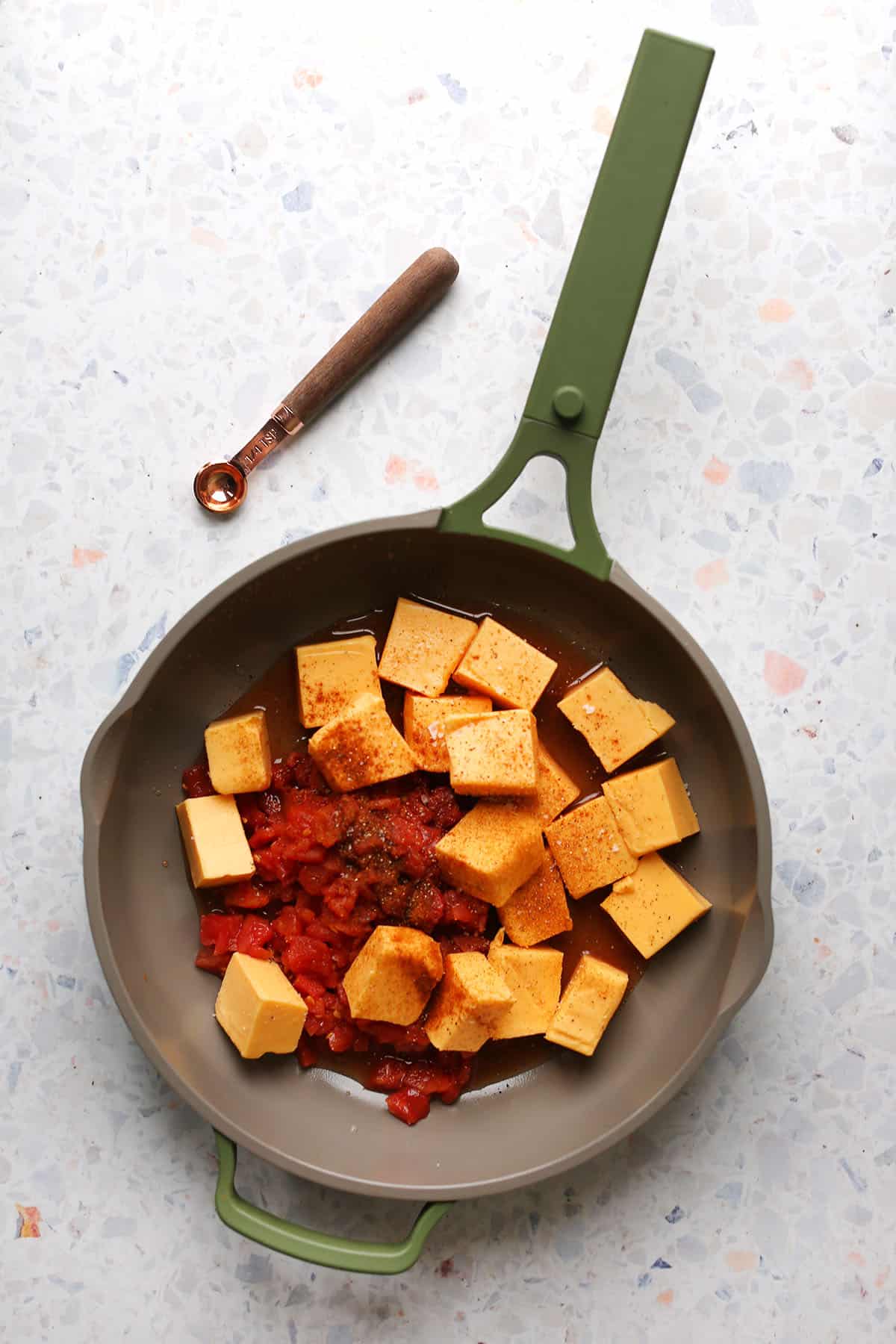
At its most fundamental level, Rotel Dip relies on a chemical and culinary synergy between two primary packaged goods: Velveeta processed cheese and a can of Rotel diced tomatoes and green chilies.
The Core Components
- Processed Cheese (Velveeta): Unlike natural cheeses, which can separate, become grainy, or release unwanted oils when melted down, processed cheese contains emulsifiers (such as sodium phosphate) that ensure a consistently smooth, creamy, and pourable texture. This stability makes it the ideal base for warm, long-holding dips.
- Rotel Tomatoes: Developed by Ro-Tel in the mid-20th century, this specific canned product features vine-ripened tomatoes blended with spicy, aromatic green chilies. The acidity and subtle heat of the chilies cut through the rich, heavy fat of the melted cheese, balancing the flavor profile.
Preparation Flexibility
One of the primary reasons for the dip’s enduring popularity is its adaptability to various kitchen appliances. It can be prepared using two main methods:

- The Slow Cooker (Crockpot) Method: Ideal for parties and extended gatherings. Ingredients are combined and heated on low until completely melted, allowing the slow cooker to serve as both a cooking vessel and a warming station that keeps the dip at an optimal serving temperature for hours.
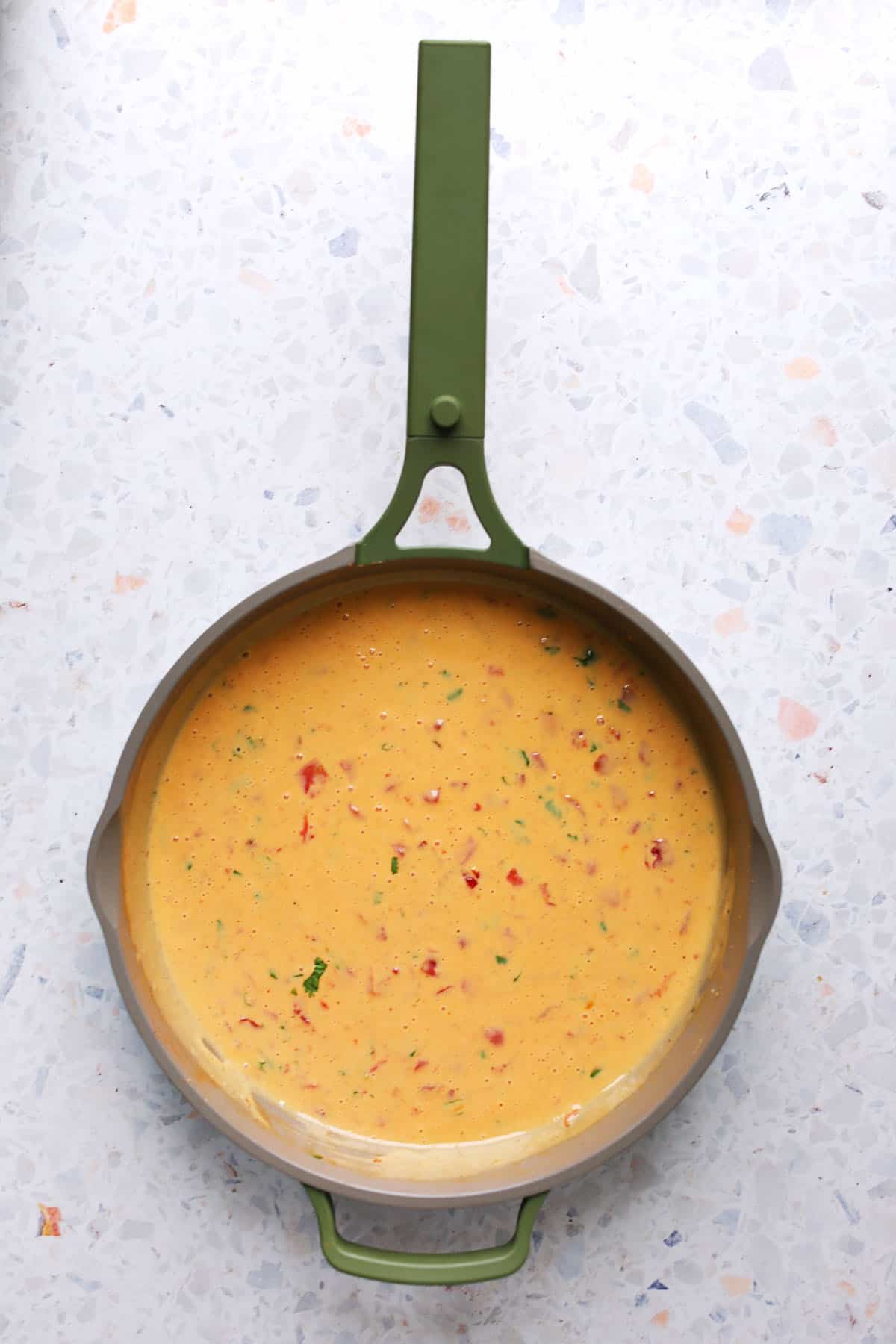
- The Stovetop Method: A faster alternative suited for immediate consumption. Ingredients are gently melted together in a heavy-bottomed pot or skillet over low heat, requiring only periodic stirring to prevent scorching.
Chronology: The Evolution of a Mid-Century Shortcut
To understand the rise of Rotel Dip, one must examine the post-World War II boom in convenience foods, canned goods, and processed ingredients that permanently altered American home cooking.
1943: The Birth of Ro-Tel
The story begins in the early 1940s when Carl Roettele, a grocer from Elsa, Texas, began canning a distinct blend of vine-ripened tomatoes and spicy green chilies. Originally marketed under the name "Ro-Tel," the product gained a devoted regional following in Texas and the American Southwest, where consumers utilized the zesty canned tomatoes to elevate Tex-Mex dishes, soups, and sauces.
The 1950s–1960s: The Rise of Processed Cheese
Simultaneously, the Kraft Foods company heavily promoted Velveeta, a pasteurized prepared cheese product invented in 1916 and acquired by Kraft in 1927. During the post-war era, home economists and corporate recipe developers heavily endorsed processed cheese for its unbeatable melting properties and long shelf life.
The Convergence
At some point during the mid-20th century, resourceful home cooks in the South and Midwest discovered that melting a block of Velveeta together with a can of Ro-Tel tomatoes created an instant, flavorful cheese sauce. Without the need for making a traditional roux or grating blocks of cheddar, home cooks could produce a rich, spicy queso in minutes. The recipe quickly transitioned from handwritten index cards to community cookbooks, eventually becoming a staple of televised sports gatherings and family holidays.
Supporting Data and Variations: Customizing the Classic
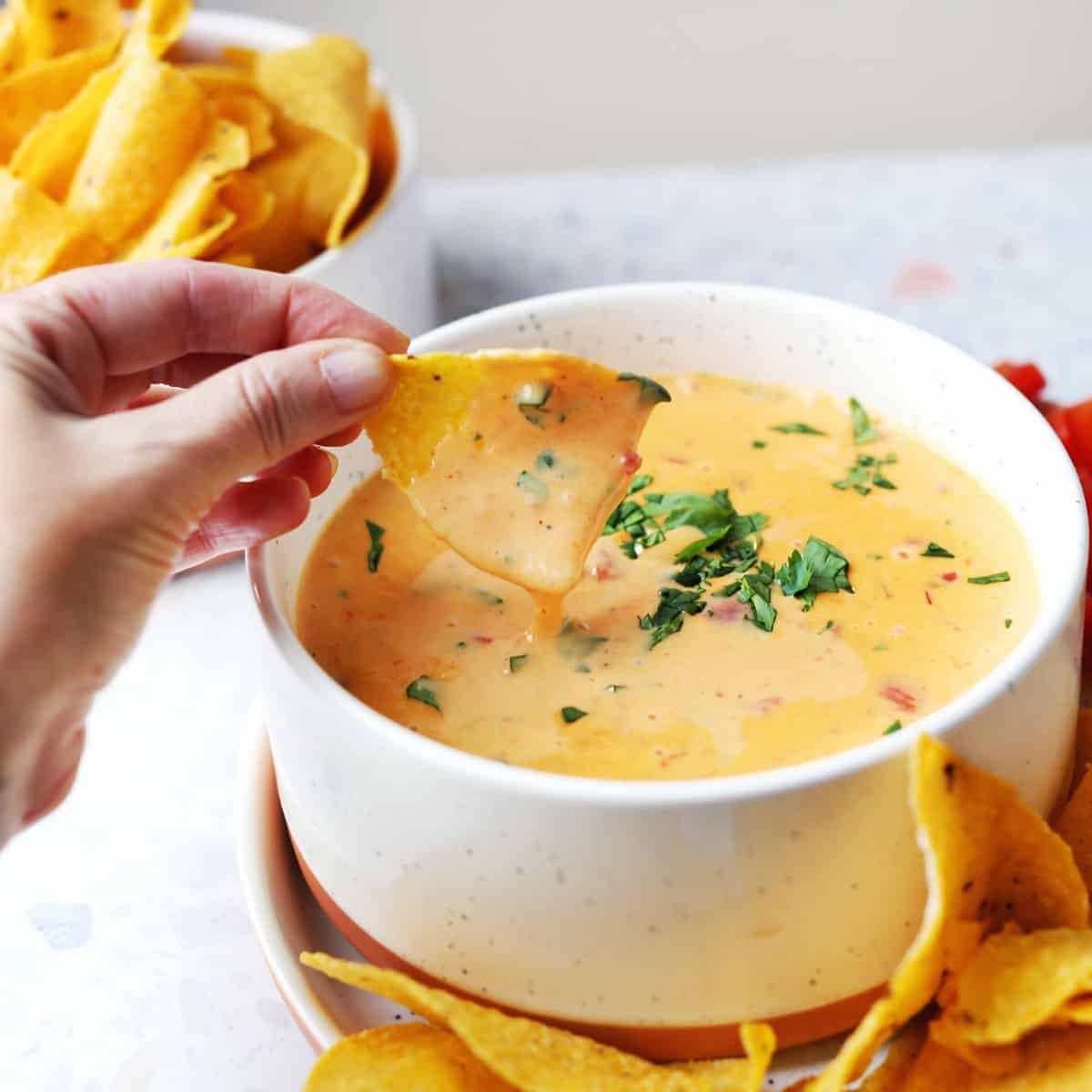
While purists swear by the strict two-ingredient formulation, culinary evolution has yielded numerous variations designed to accommodate different dietary preferences, flavor profiles, and hosting requirements.
Alternative Cheese Bases
For those who prefer to avoid processed cheese products, adaptations exist:
- Cream Cheese and Cheddar Blend: Substituting Velveeta with a combination of full-fat cream cheese and freshly shredded sharp cheddar yields a richer, dairy-forward flavor. While the texture may be slightly thicker or less glossy than the original, it offers a gourmet alternative.
- Mexican Queso Blanco Variations: Utilizing white American cheese from a deli counter alongside mild green chilies creates a restaurant-style white queso reminiscent of Tex-Mex establishments.
Protein Additions
To transform the appetizer from a simple snack into a hearty game-day centerpiece, home cooks frequently incorporate cooked meats:
- Ground Beef or Pork Sausage: Adding 8 to 10 ounces of browned, crumbled ground beef, spicy chorizo, or Italian sausage adds savory depth and protein. The meat is typically cooked separately, drained of excess grease, and stirred into the melted cheese mixture just before serving.
- Vegetarian Alternatives: Plant-based ground meat substitutes provide a similar savory texture and hearty mouthfeel for vegetarian guests without compromising the dish’s comforting appeal.
Spice Enhancements
Depending on tolerance for heat, cooks can select from various iterations of Rotel tomatoes, ranging from "Mild" and "Original" to "Hot" and "Habandero." Additional spices such as cumin, garlic powder, cilantro, or diced jalapeños can also be folded into the mixture for a customized flavor kick.
Official Perspectives and Cultural Impact
Food historians and cultural commentators often categorize Rotel Dip as a prime example of mid-century "comfort fusion"—the blending of commercial convenience products with regional flavor profiles.
Is It a Regional Dish?
A common debate among food enthusiasts centers on the geographic origins of the recipe. While many associate it strongly with the American Midwest and the South—where potluck culture and canned-good casseroles historically thrived—its roots are undeniably tied to the Tex-Mex flavor traditions of Texas. Despite these regional claims, the dish has transcended its origins to become a pan-American phenomenon, frequently appearing at Super Bowl parties, tailgates, and family reunions from coast to coast.
The Nostalgia Factor
Culinary experts note that foods utilizing processed ingredients like Velveeta often evoke powerful emotional responses. These dishes are tied to memories of safety, family gatherings, and unpretentious celebration. As home cooking trends swing back and forth between artisanal scratch-cooking and quick comfort meals, the enduring popularity of Rotel Dip underscores the human desire for shared, accessible food experiences that prioritize community and flavor over culinary pretension.
Implications: The Modern Relevance of Retro Appreciations
As contemporary food culture increasingly embraces high-end artisanal ingredients, fermented foods, and complex global cuisines, the steadfast survival of Rotel Dip offers fascinating insights into modern consumer behavior.
1. The Economy of Comfort
In times of economic uncertainty or social stress, consumers frequently gravitate toward comfort foods. Rotel Dip remains exceptionally budget-friendly, making it an accessible option for large gatherings regardless of economic fluctuations.
2. The Democratization of Entertaining
The recipe requires no specialized kitchen equipment beyond a standard pot or slow cooker, and the ingredients are readily available at virtually any grocery store or convenience market in North America. This accessibility ensures that anyone, regardless of socioeconomic background or professional culinary training, can successfully host and entertain.
3. Culinary Nostalgia as Cultural Currency
Platforms like Pinterest, TikTok, and food blogs continue to generate millions of views and engagements for classic comfort recipes. Rather than being viewed as outdated, retro dishes like Rotel Cheese Dip are celebrated with a sense of ironic affection and genuine appreciation, bridging generational divides at family dinner tables.
Conclusion
Rotel Cheese Dip is much more than a simple mixture of melted cheese and canned tomatoes; it is a cultural artifact of American domestic ingenuity. By marrying the convenience of post-war packaging with the vibrant flavors of the Southwest, it created a blueprint for party appetizers that continues to satisfy crowds decades after its inception. Whether served in a vintage crockpot at a family reunion or bubbling on a modern stovetop for Sunday football, Rotel Dip remains a testament to the enduring power of simple, warm, and shared food.