
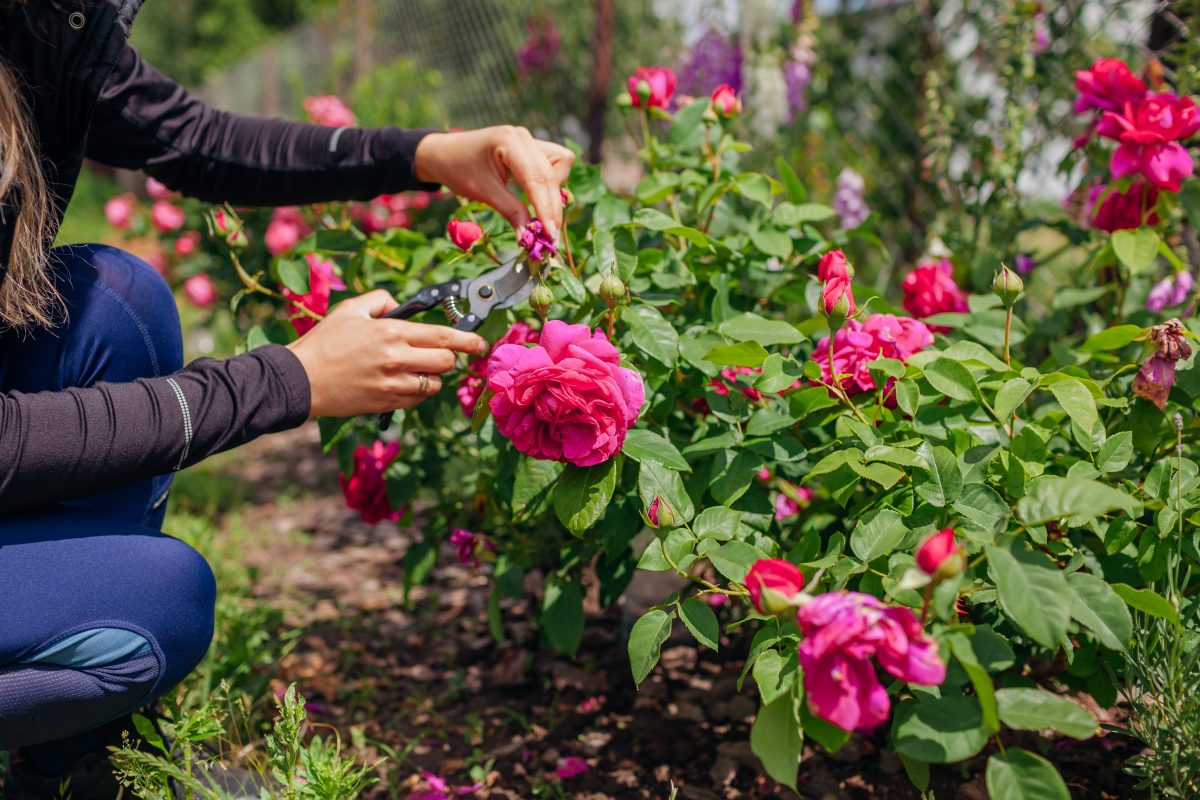
For many home gardeners, the ritual of "deadheading"—the meticulous process of snipping away spent blossoms—is a labor of love. It is a vital chore that prevents plants from diverting precious energy into seed production, theoretically encouraging a second flush of vibrant color. However, for those with demanding schedules, limited mobility, or simply a desire to enjoy a garden rather than work it, the constant maintenance can become a burden.
The good news is that botanical breeding and careful plant selection have provided a solution. There are several spectacular flowering varieties that are "self-cleaning," meaning they naturally drop their faded blooms, keeping the plant tidy and productive without the need for a pair of garden shears.
The Science of Self-Cleaning Plants
To understand why some plants require less effort, we must look at the biological imperative of the plant itself. When a flower fades, the plant’s natural instinct is to develop a seed pod. This requires a significant caloric investment, pulling nutrients away from foliage growth and new bud formation.
"Self-cleaning" plants have been cultivated or naturally evolved to bypass this heavy energy draw. By shedding their petals quickly after pollination, these plants essentially trick themselves into continuing their bloom cycle. This trait, while seemingly minor, has massive implications for landscape design, allowing for high-impact visual displays with a fraction of the traditional maintenance overhead.
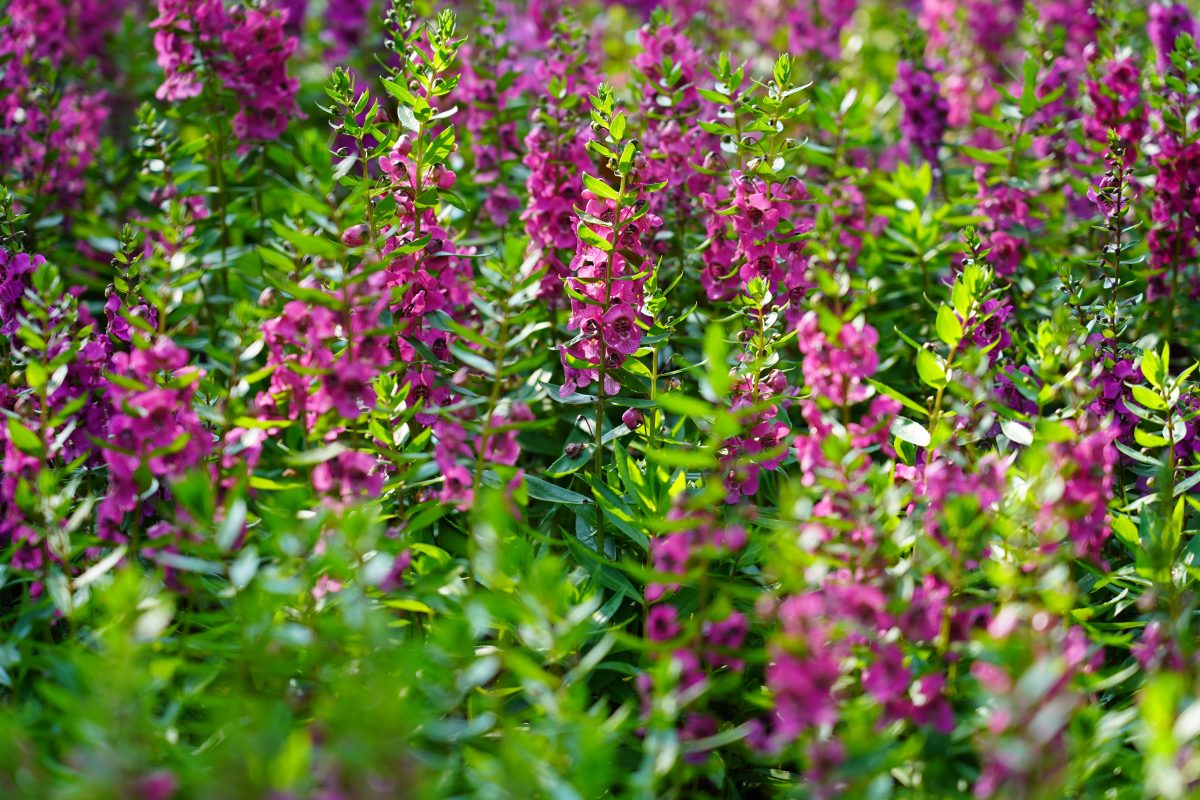
1. Angelonia (Angelonia angustifolia)
Often referred to as the "summer snapdragon," Angelonia is a powerhouse for the hot, humid months of the year. Unlike its namesake, which requires consistent deadheading to keep the stalks looking full, Angelonia is a model of efficiency.
- Chronology of Growth: Typically planted in late spring after the danger of frost has passed, these plants begin their show in early summer and persist until the first hard frost of autumn.
- Supporting Data: Marina Prokaten, a plant expert at the care app Plantum, notes that the plant’s structure is key to its ease of care. "When the old flowers drop off naturally, the stem keeps growing and developing new buds," she explains. This continuous growth habit ensures that the plant always looks freshly groomed.
- Implications: Its heat and drought tolerance make it an ideal candidate for containers or borders in climate zones 9 through 11. Gardeners in cooler regions can enjoy it as a prolific annual.
2. Wax Begonia (Begonia semperflorens)
The wax begonia is perhaps the most recognizable "bedding" plant in the world, and for good reason. It is the gold standard for low-maintenance color.
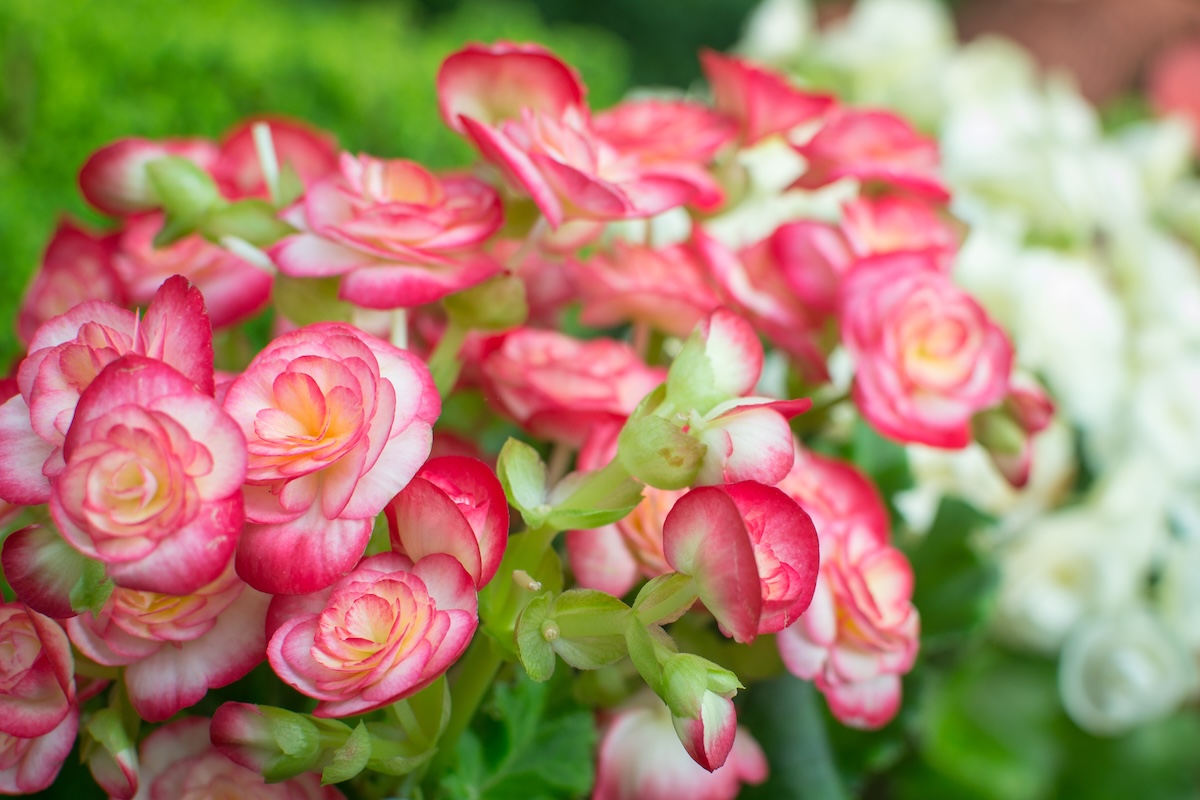
- Maintenance Profile: These plants possess a waxy cuticle on their leaves that helps them retain moisture, while their growth habit is naturally compact and bushy.
- Biological Efficiency: The term semperflorens literally translates to "always flowering." Because the plant naturally sheds its exhausted, waxy petals, it never develops the unsightly brown, mushy mess that many other bedding plants do after a rainstorm.
- Landscape Utility: Because they thrive in partial shade, they are often used to brighten up darker corners of the yard where other flowers might struggle to maintain their vigor.
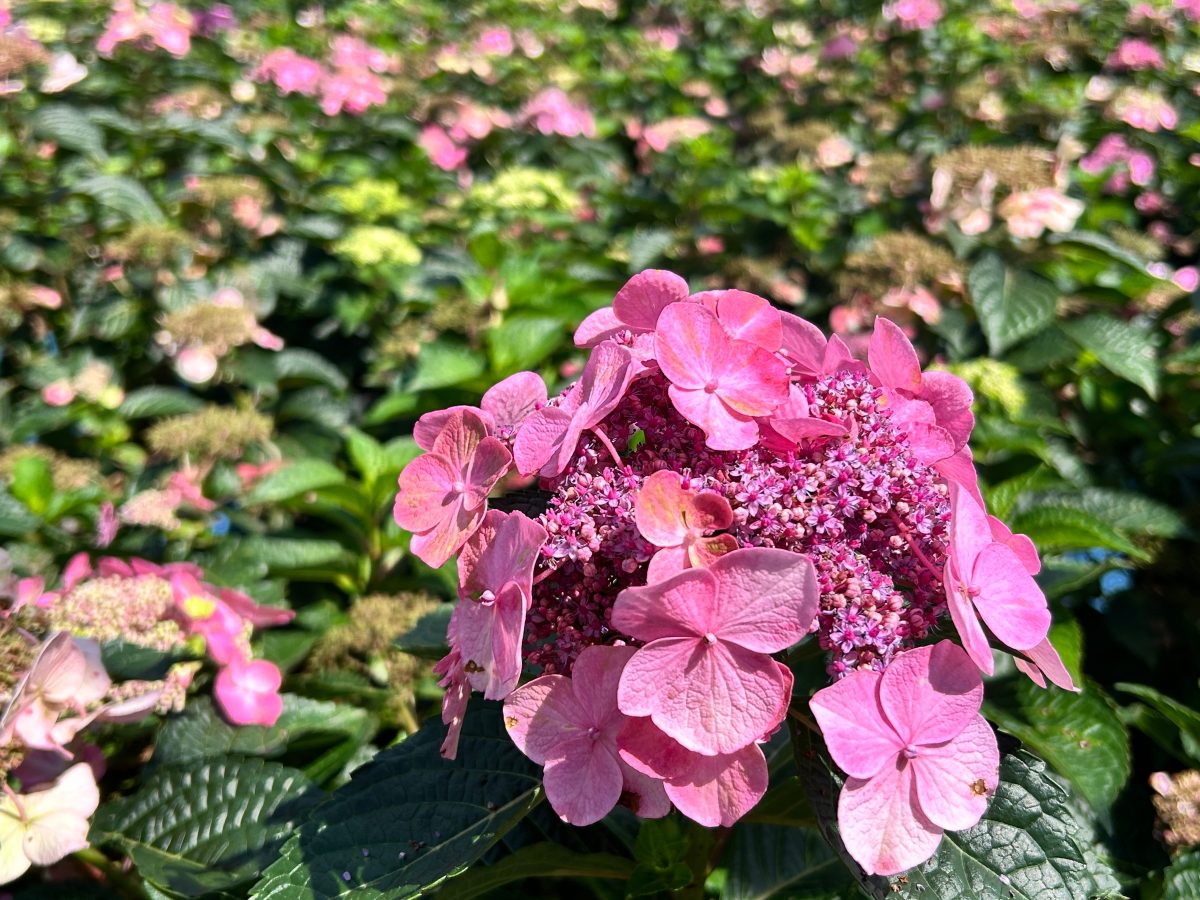
3. Columbine (Aquilegia spp.)
For those who prefer a more woodland or cottage-style aesthetic, the Columbine is an essential perennial. Unlike the high-maintenance annuals that demand daily care, the Columbine is a master of self-regulation.
- Supporting Ecological Data: Columbines are favorites among native wildlife. Their unique, nectar-rich, tubular flowers are specifically shaped to attract hummingbirds.
- Strategic Neglect: While some gardeners choose to deadhead for aesthetic reasons, leaving the faded blossoms intact is actually beneficial. The flowers transition into interesting seed pods that provide a late-season food source for local bird populations. Furthermore, if left to their own devices, these plants will self-sow, effectively filling in empty patches of the garden for future seasons.
4. Hydrangea (Hydrangea spp.)
The hydrangea is a complex case study in pruning. While many gardeners assume all hydrangeas need to be cut back, the reality is more nuanced.
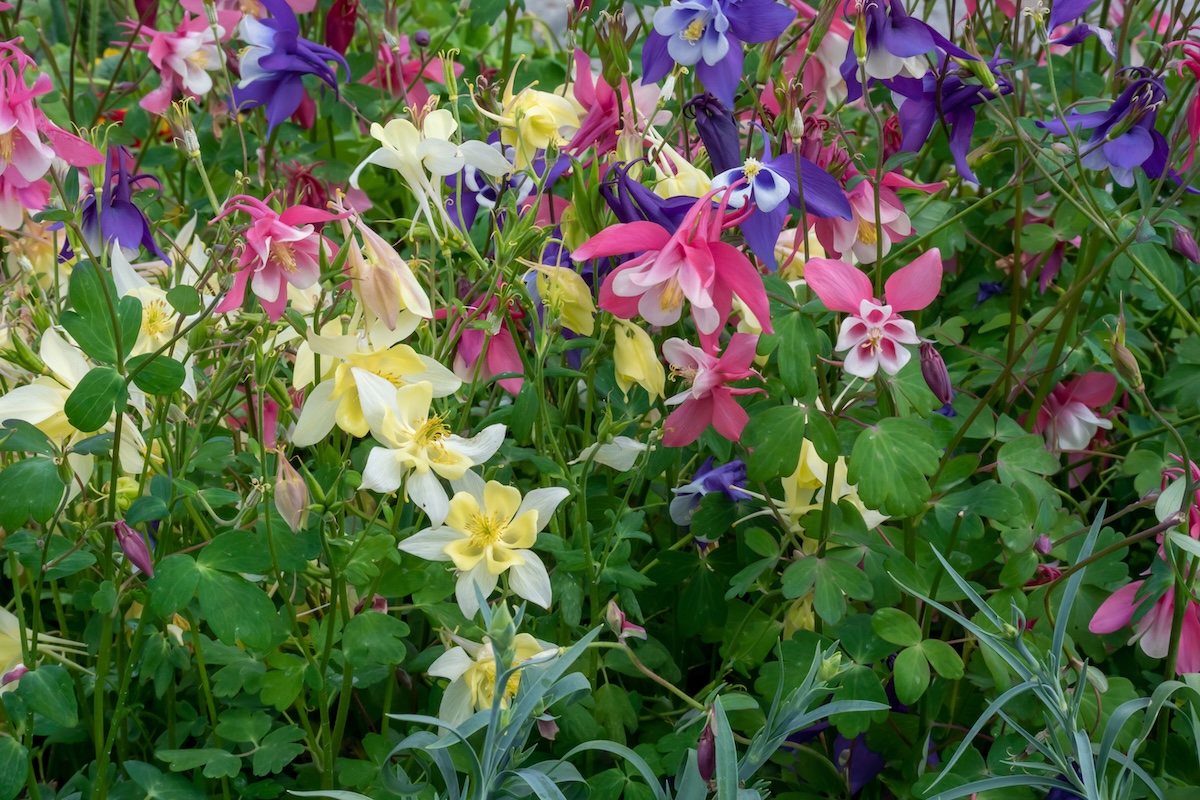
- Old Wood vs. New Wood: Most classic varieties—such as the Bigleaf (Hydrangea macrophylla)—form their flower buds on "old wood" (growth from the previous year). If a gardener diligently deadheads these in the late summer or fall, they are inadvertently snipping off next year’s floral display.
- The Reblooming Revolution: In response to consumer demand for longer-lasting color, breeders developed the "Endless Summer" series and varieties like "Pop Star." These cultivars bloom on both old and new wood.
- Official Horticultural Guidance: For reblooming varieties, deadheading is acceptable during the summer months to maintain a neat appearance. However, expert advice is to cease all pruning by mid-fall to allow the plant to prepare for winter dormancy.
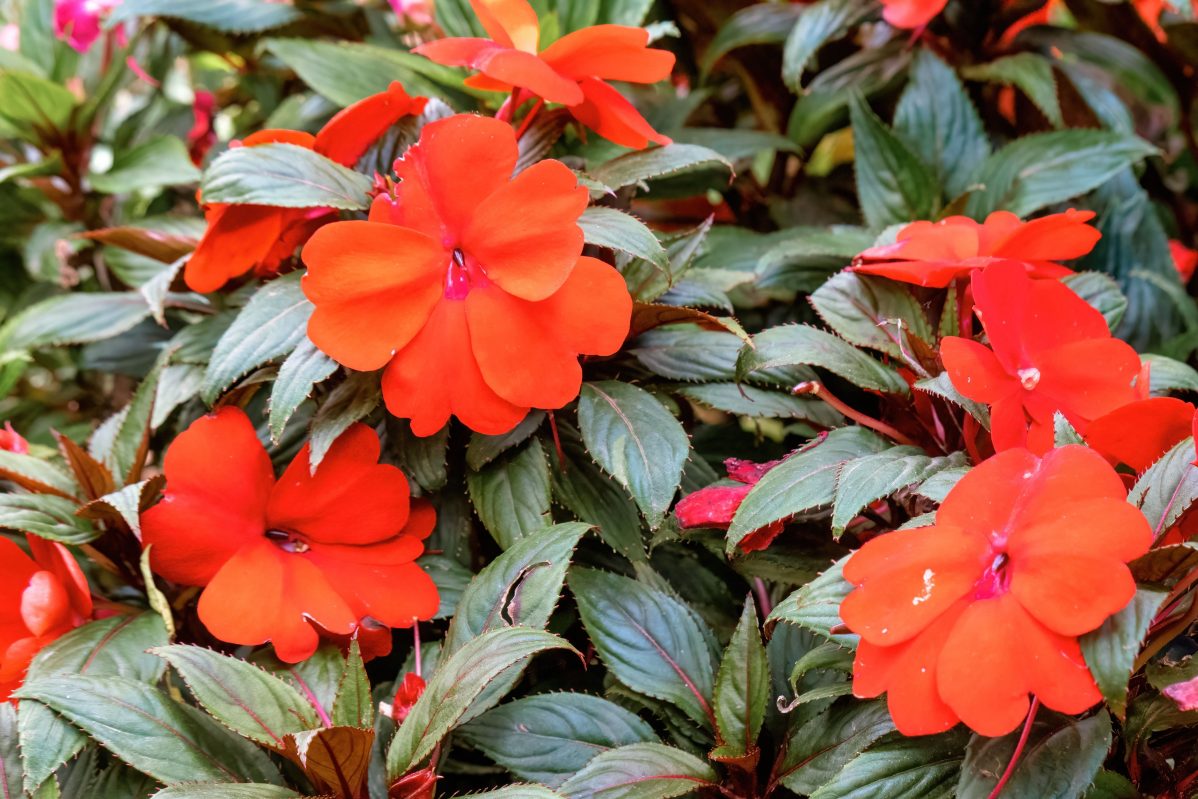
5. New Guinea Impatiens (Impatiens hawkeri)
New Guinea impatiens represent a significant upgrade from the traditional walleriana impatiens, offering both larger blooms and increased disease resistance.
- Growth Habit: These plants are characterized by their vivid, five-petaled flowers and pointed, lance-shaped leaves. They are remarkably resilient in the face of summer heat.
- The "Self-Cleaning" Mechanism: The plant’s ability to drop its dead blossoms is a defensive mechanism against rot. In humid environments, dead flowers on a plant often lead to mold and fungal issues. By shedding these petals naturally, the New Guinea impatiens maintains its health and aesthetic appeal without human intervention.
6. Supertunia Petunias (Petunia hybrid)
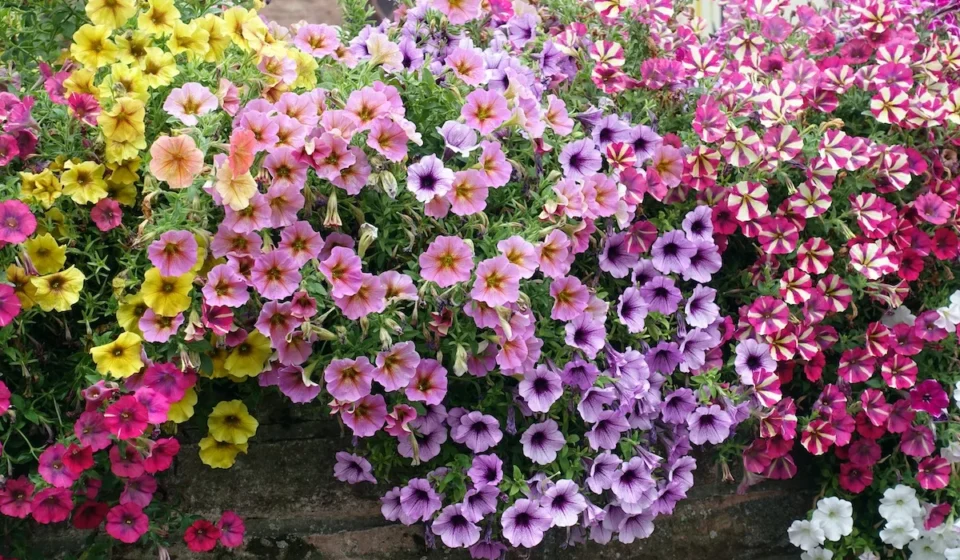
Petunias have a reputation for being "messy" plants. Historically, they required frequent pinching to prevent them from becoming "leggy" and unattractive. However, the introduction of the "Supertunia" series changed the game.
- Breeding Breakthrough: Supertunias are a specific type of trailing petunia that has been genetically selected for self-cleaning properties. They are vigorous growers that produce a constant stream of blossoms.
- Practical Implications: These plants are essentially "set it and forget it." They are perfect for hanging baskets and window boxes, where deadheading would be a difficult task due to the height or location of the container. By removing the need for daily maintenance, they allow homeowners to enjoy a "cascading" effect of color from spring until the first frost.
Implications for Modern Landscaping
The shift toward low-maintenance gardening is more than just a trend; it is a response to the way we live today. As our lives become increasingly busy, the garden is being reimagined as a place of relaxation rather than a source of chores.
By selecting plants that handle their own waste—the faded flowers, the dry stems, and the spent petals—we can achieve a professional-looking landscape with minimal effort. This approach to gardening doesn’t just save time; it creates a more sustainable ecosystem. Many of these self-cleaning plants, particularly the Columbine and the Angelonia, are specifically chosen for their ability to interact with beneficial insects, hummingbirds, and pollinators.
Summary Table: Quick Reference for the Busy Gardener
| Plant Name | Light Requirement | Maintenance Level | Best Feature |
|---|---|---|---|
| Angelonia | Full Sun | Very Low | Heat/Drought Tolerance |
| Wax Begonia | Partial Sun | Low | Consistent, tidy growth |
| Columbine | Sun/Part Shade | Low | Wildlife/Pollinator support |
| Hydrangea | Sun/Part Shade | Low (if chosen well) | Dramatic floral displays |
| Impatiens | Shade/Part Shade | Very Low | Disease resistance |
| Supertunia | Full Sun | Low | Non-stop trailing color |
The Future of "Smart" Gardening
As we look toward the 2025 gardening season and beyond, the focus of the horticultural industry is shifting toward "Smart Plants"—varieties that require less water, less fertilizer, and less manual labor. The plants listed above represent the vanguard of this movement.
Whether you are a seasoned gardener looking to reduce your weekly workload or a novice homeowner wanting to improve your home’s curb appeal without spending every weekend in the dirt, these six flowers offer a pathway to a beautiful, vibrant, and, most importantly, low-maintenance landscape. By choosing the right plants, you are not just planting for the season; you are investing in a garden that takes care of itself.