
The End of the Toilet Brush: Why Modern Hygiene Standards Are Retiring This Bathroom Staple

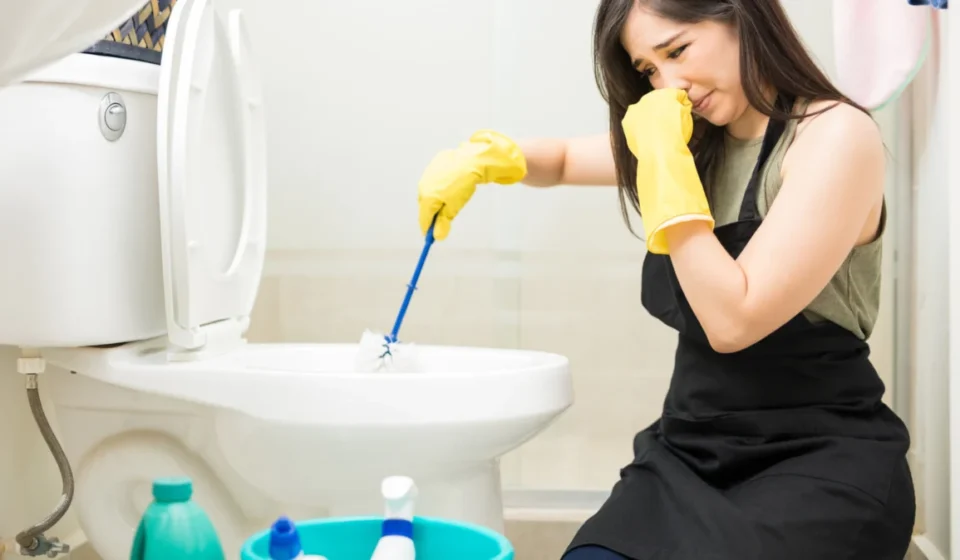
For generations, the plastic-bristled toilet brush has been a staple of the household cleaning closet. It is a tool shrouded in necessity, yet universally reviled. We treat it as an essential implement for maintaining a sanitary environment, but recent shifts in household hygiene science suggest that this "essential" tool may actually be the most contaminated object in your home. As we move toward more sophisticated, touchless, and disposable cleaning technologies, it is time to reconsider whether the traditional toilet brush belongs in the 21st-century bathroom.
The Main Facts: The Bacterial Fiefdom in Your Closet
The fundamental problem with the traditional toilet brush is its design. It is a porous, absorbent mass of synthetic fibers packed into a dense head, intended to scrub away stubborn waste. However, the very features that make it effective at scrubbing—its density and surface area—also make it the perfect breeding ground for microorganisms.
When you scrub a toilet bowl, you are not merely moving water; you are collecting a cocktail of fecal matter, E. coli, salmonella, and other pathogens. Even if you rinse the brush after use, the water remains trapped deep within the bristles. Because toilet brush holders are rarely ventilated, the brush remains damp for hours, or even days. This creates a "bacterial fiefdom" where germs thrive, multiply, and eventually colonize the holder itself. The "clean" brush you return to the holster is, in reality, a moisture-rich reservoir of pathogens that you are re-introducing to your toilet every time you begin a new cleaning session.
Chronology of a Failed Tool: From Necessity to Liability
The history of the toilet brush is a classic example of a technology that remained stagnant while our understanding of microbiology advanced.
- Mid-20th Century: The plastic-bristled brush became the standard for modern plumbing. Its design prioritized durability and low manufacturing costs over hygiene.
- Late 1990s: Growing awareness of bathroom cross-contamination led to the introduction of "hidden" brush canisters, which, while aesthetically pleasing, actually worsened the hygiene problem by trapping stagnant air and humidity.
- Early 2010s: The rise of disposable cleaning systems (such as the Clorox ToiletWand) marked a pivotal shift. Manufacturers acknowledged the "ick factor" of reusing a contaminated tool and offered a solution: the single-use pad.
- 2020 and Beyond: The global health crises of the early 2020s brought home sanitation to the forefront of public consciousness. Consumers began seeking non-porous materials like medical-grade silicone, which resist the biological "gunk" that traditional brushes accumulate.
Supporting Data: Why "Deep Cleaning" Isn’t Enough
Many homeowners attempt to mitigate the risks by disinfecting their brush after use. They may spray it with bleach, soak it in peroxide, or use a specialized chemical cleaner. However, microbiological data suggests that this is largely ineffective.
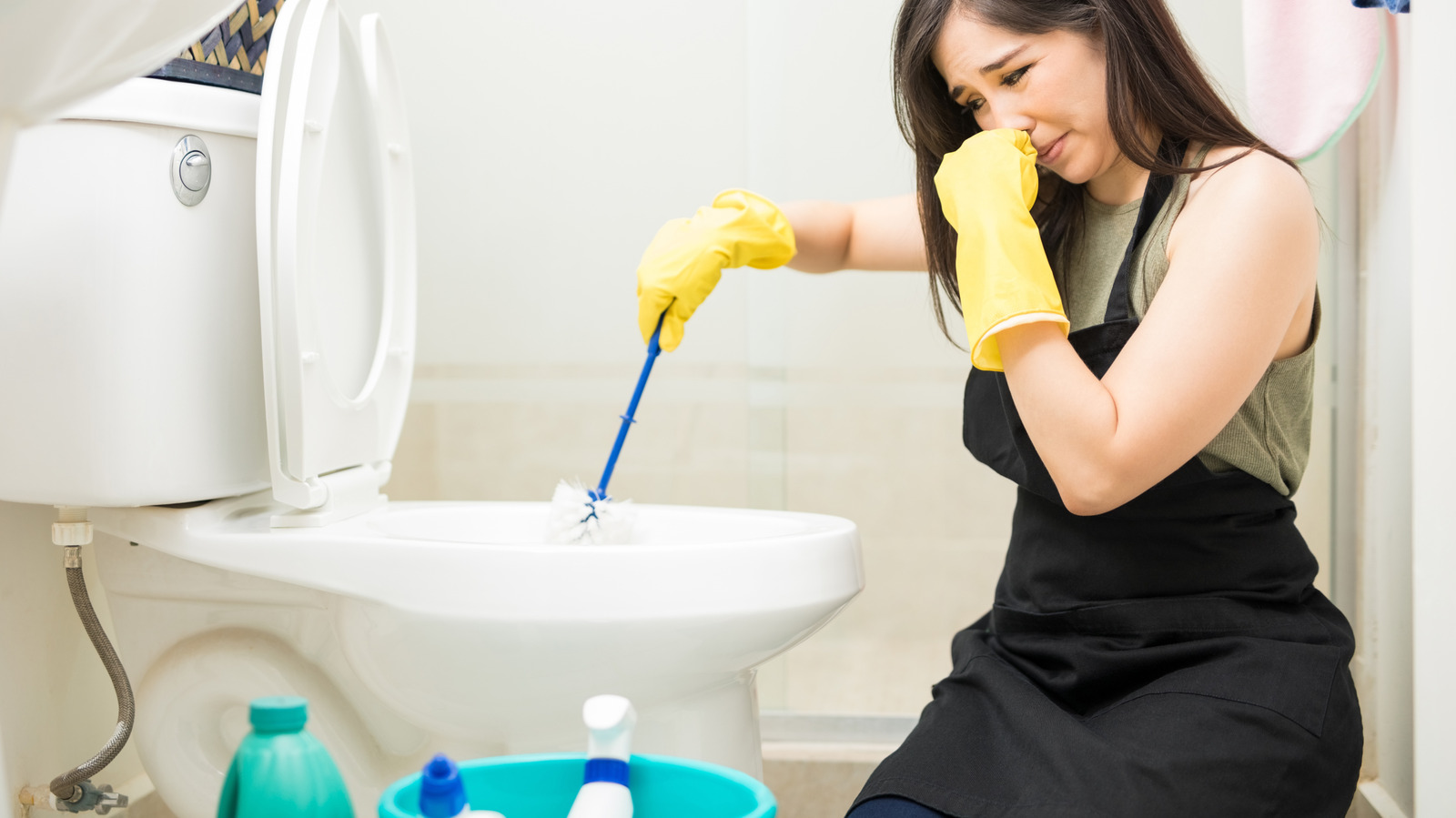
The structural complexity of a plastic brush head makes it nearly impossible to reach the center of the bundle. A study of household cleaning tools often places the toilet brush at the top of the "most contaminated" list. Even after a surface-level disinfection, the interior of the brush head often remains saturated with organic matter. If the brush is placed back into a non-draining holder, the remaining moisture acts as a solvent, pulling bacteria from the bristles into the base of the holder. This creates a biofilm—a protective layer of slime—that shields bacteria from further chemical attacks. In short: you aren’t cleaning the brush; you are simply changing the chemical environment of the bacteria living inside it.
Official Responses and Industry Shifts
The cleaning industry has responded to these concerns with a two-pronged strategy: high-tech materials and disposable convenience.
Leading sanitation brands have pivoted away from nylon bristles. The industry consensus is now focused on "hydrophobic" design. By utilizing materials like thermoplastic rubber (TPR) or silicone, manufacturers have created brushes that do not absorb water. These materials are inherently resistant to bacterial adhesion. When the brush is rinsed, the water beads off the surface, leaving the tool dry and inhospitable to mold and mildew.
Furthermore, the rise of the "disposable wand" industry represents a significant shift in consumer philosophy. Industry leaders argue that the most hygienic toilet is one that is cleaned with a tool that never has to be stored. By using a handle that clicks onto a single-use, disinfectant-soaked pad, the user eliminates the storage phase of the cleaning cycle entirely. While environmental concerns regarding disposable waste are valid, the industry is currently investing in biodegradable scrubbing pads to balance convenience with ecological responsibility.
Implications for Your Household Health
The shift away from traditional brushes has profound implications for home safety, particularly for families with children or immunocompromised individuals.
1. Cross-Contamination Mitigation
The traditional brush is a vector. When you move the brush from the bowl to the holder, you are dripping contaminated water onto your bathroom floor, the base of the toilet, and your own hands. Moving to a touchless or disposable system minimizes the physical handling of contaminated surfaces.
2. Odor Control
Many homeowners struggle with a persistent, unidentifiable "musty" smell in the bathroom. In many cases, the culprit is not the drain or the pipes, but the toilet brush holder. Switching to a non-porous silicone brush or a disposable system immediately eliminates the primary source of moisture-trapped odors.
3. Economic and Environmental Trade-offs
While disposable wands are more convenient, they are a recurring expense. Silicone brushes, conversely, offer a middle ground. They are a one-time purchase that can last for years. While they require a higher initial investment, they provide a long-term, hygienic solution that doesn’t generate the continuous waste associated with disposable pads.
Conclusion: The Path Forward
The toilet brush as we know it is an archaic relic of a time when we understood less about germ theory. We have moved toward touchless faucets, self-cleaning surfaces, and high-efficiency ventilation in our bathrooms; it is only logical that we retire the germ-ridden plastic brush as well.
Whether you choose to upgrade to a sleek, non-porous silicone scrubber or adopt a disposable wand system, the goal remains the same: removing the reservoir of bacteria from your living space. By making this simple switch, you are not just upgrading a cleaning tool—you are fundamentally improving the sanitary standards of your home. The weekend chore of cleaning the toilet will never be pleasant, but at the very least, it should no longer be a hazardous task.