Four Years of Cosmic Revelation: Celebrating the James Webb Space Telescope’s Legacy

Today marks the fourth anniversary of the James Webb Space Telescope (JWST) in active service—a milestone that underscores its status as the most significant scientific instrument of the 21st century. As we celebrate this occasion, it is an opportune moment to reflect on the monumental contributions this $10 billion marvel has made to our understanding of the universe. Beyond the cold data and the groundbreaking papers, the JWST has gifted humanity with a new visual language of the cosmos, turning abstract astrophysics into breathtaking art.
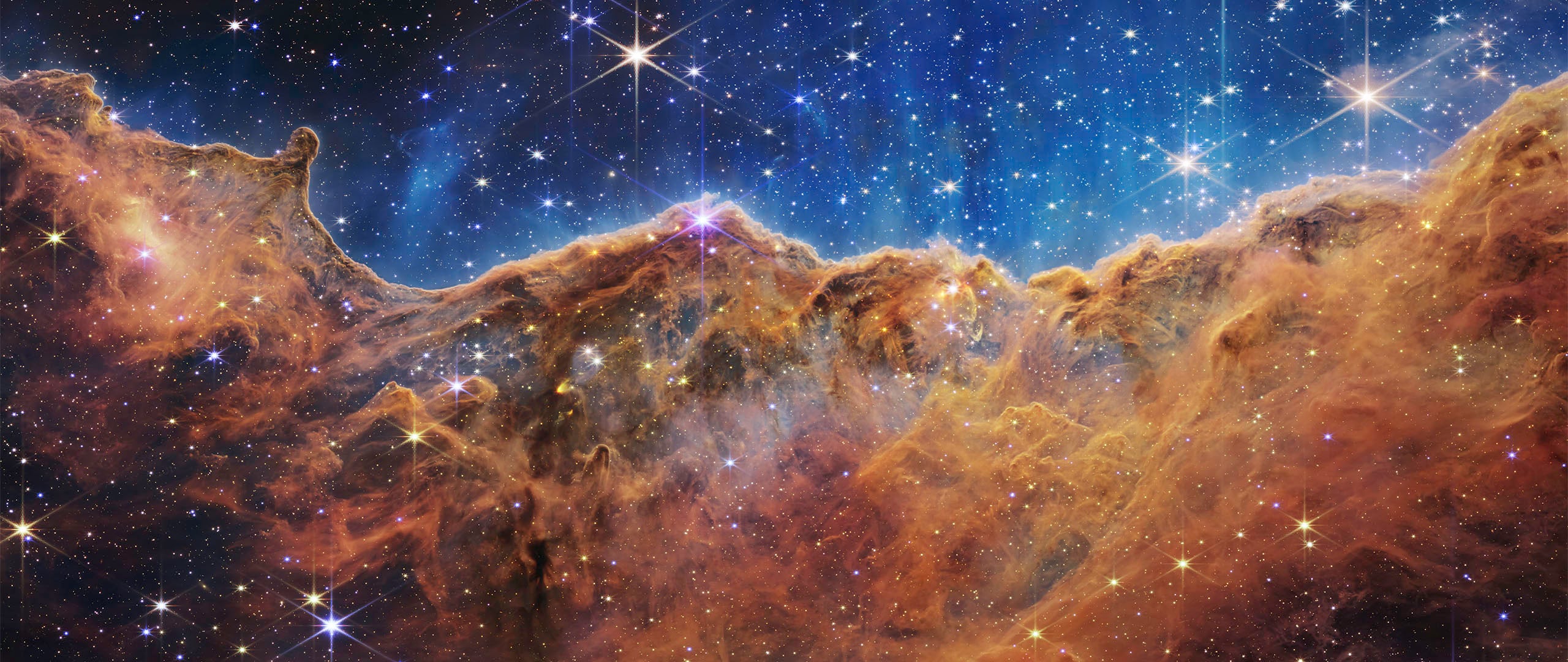
To commemorate four years of discovery, we have curated a selection of the 25 most compelling images captured by the telescope. While the scientific value of every byte of data returned by the JWST is immense, this collection highlights images where the intersection of rigorous science and visual majesty is at its peak.
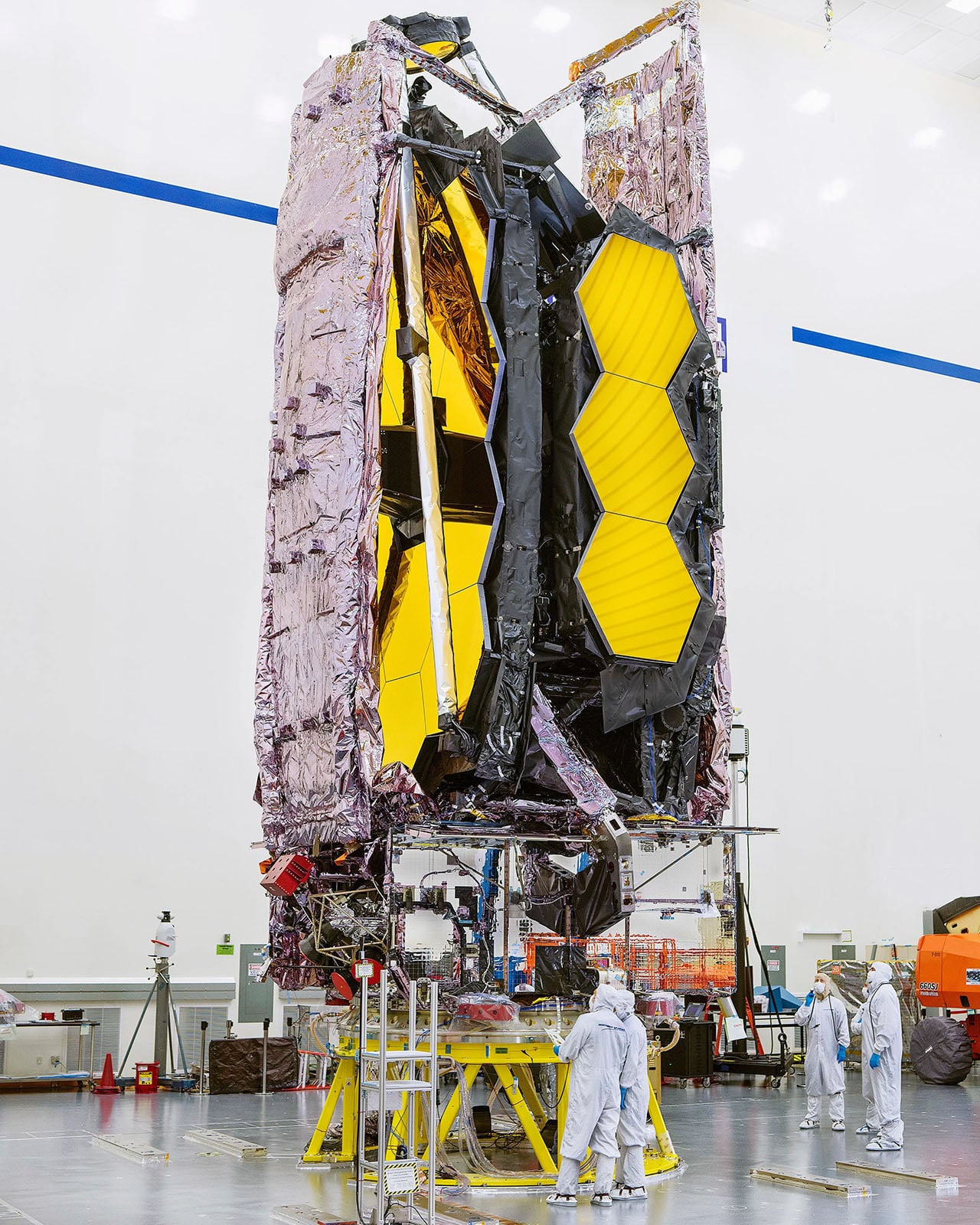
The Engineering Triumph: From Cleanroom to Deep Space
The journey of the JWST began long before its first light. Conceived as a collaborative effort between NASA, the European Space Agency (ESA), and the Canadian Space Agency (CSA), the telescope was designed to push the boundaries of infrared astronomy.
Following its successful deployment and alignment in 2021, the telescope began its mission to observe the first light from the earliest stars and galaxies, study the assembly of galaxies, and observe the birth of stars and protoplanetary systems. The technical complexity of the JWST—featuring a 6.5-meter primary mirror coated in a thin layer of gold to optimize infrared reflection—has allowed it to peer through the thick, obscuring curtains of interstellar dust that have baffled astronomers for generations.
A Chronology of Discovery: Key Milestones
The Early Days: The "First Light" Revolution
When the first full-color images were released in July 2022, they fundamentally altered our perception of the universe. Images like the SMACS 0723 deep field served as the spiritual successor to the famous Hubble Deep Fields. By capturing light that had traveled for 13 billion years, the JWST provided a high-resolution glimpse into the infancy of the cosmos, proving that the telescope could perform well beyond its design specifications.
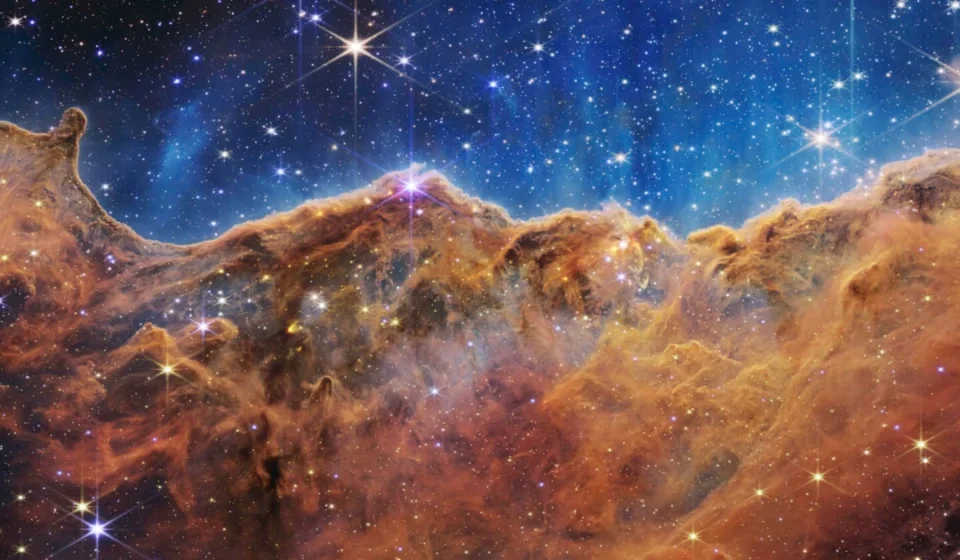
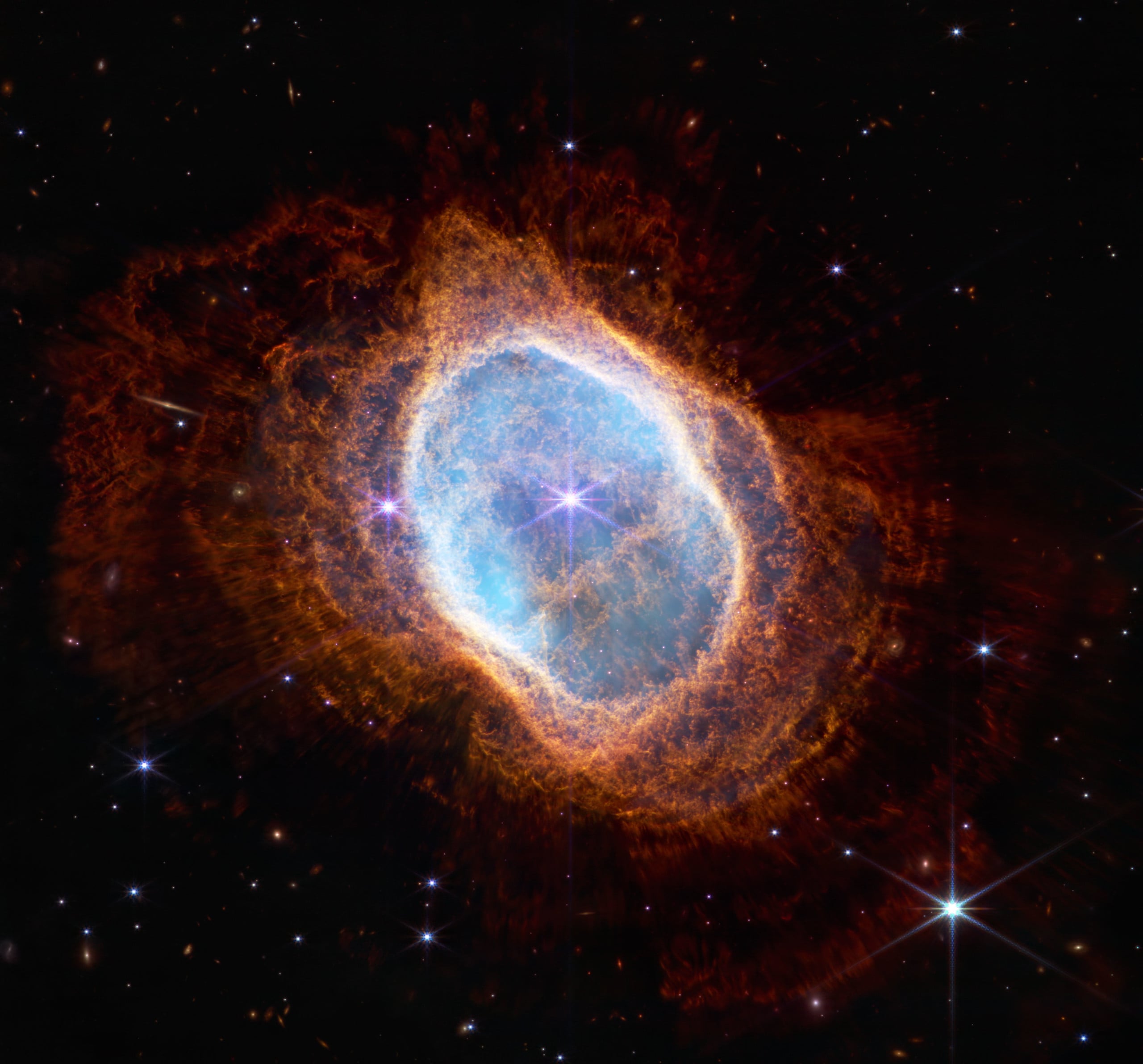
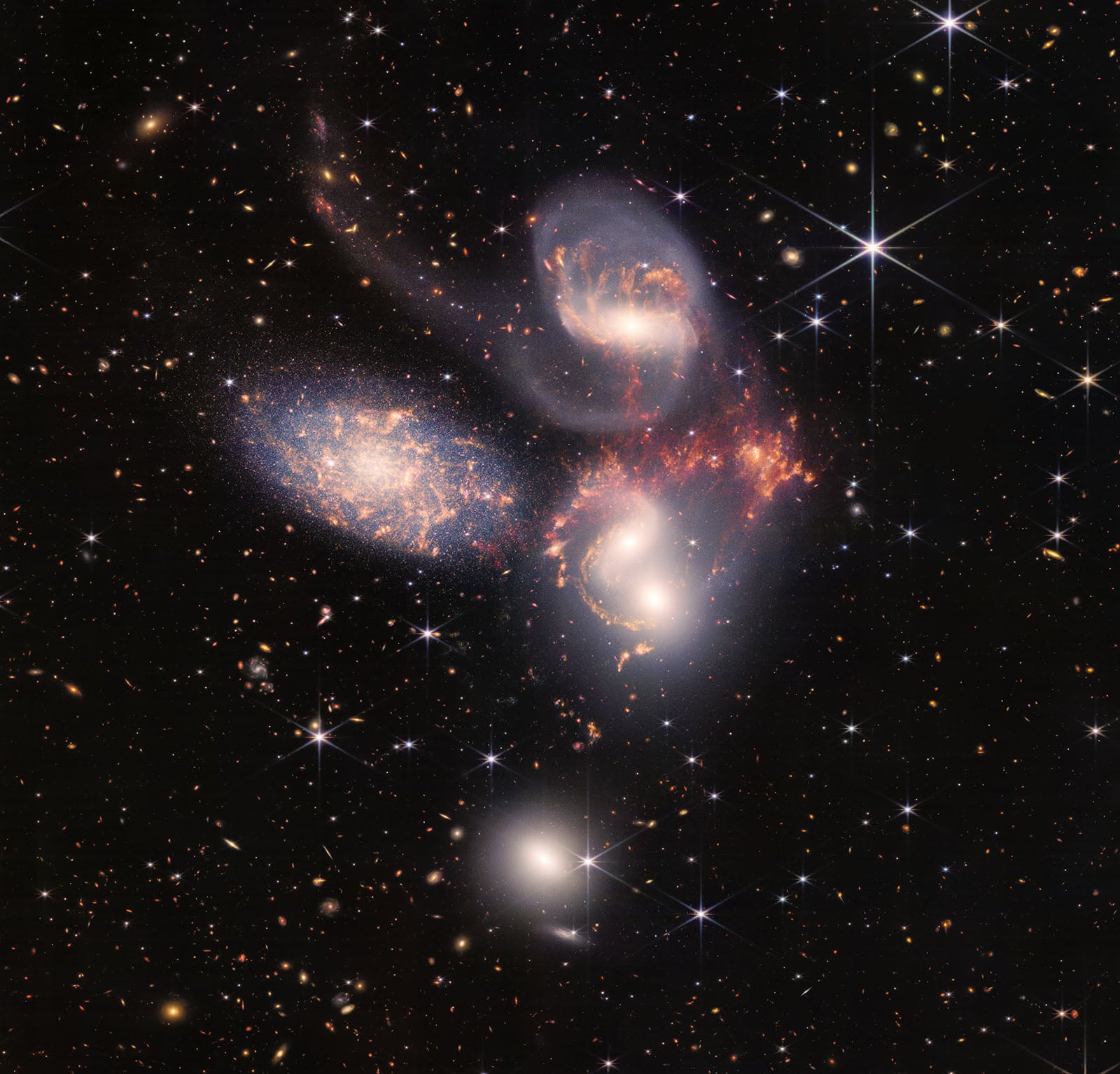
Simultaneously, the Southern Ring Nebula and Stephan’s Quintet demonstrated the telescope’s ability to resolve intricate, massive structures in unprecedented detail. The Carina Nebula, with its "Cosmic Cliffs," became an instant icon, showcasing the violent and beautiful processes of star formation.
Expanding the Local Horizon
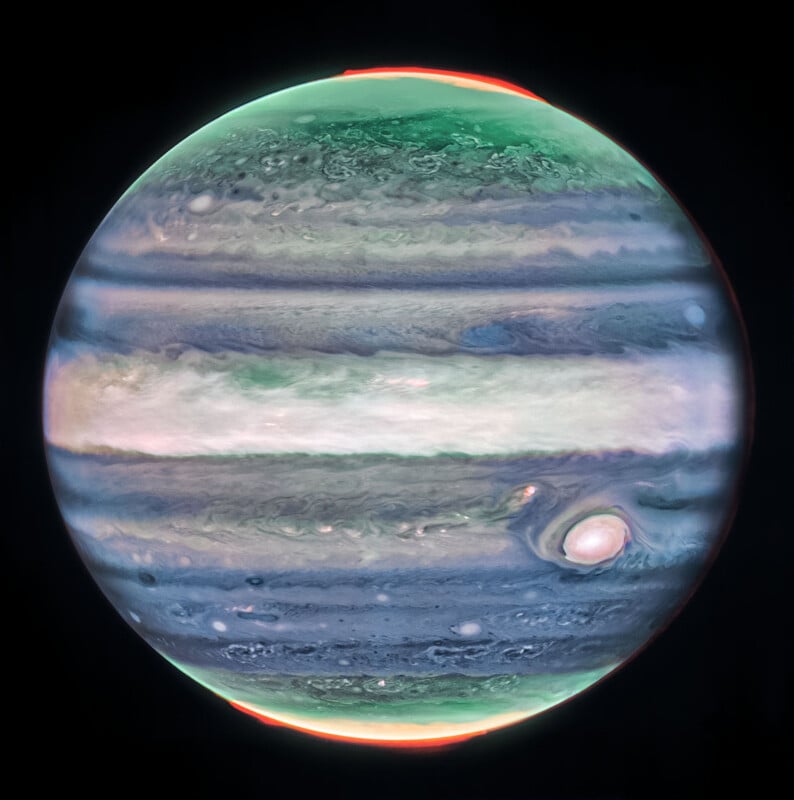
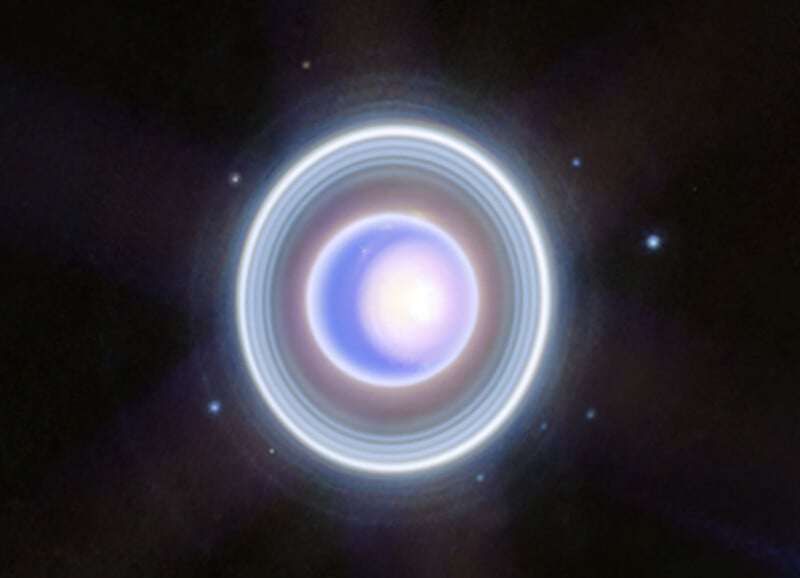
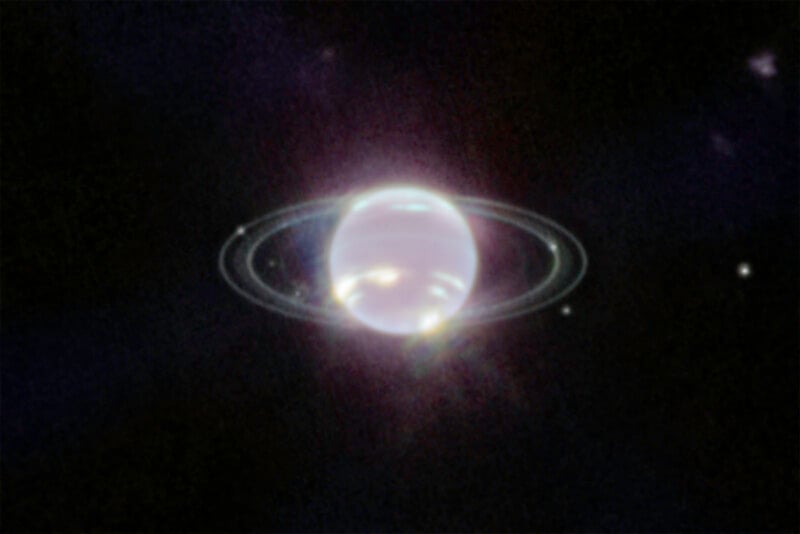
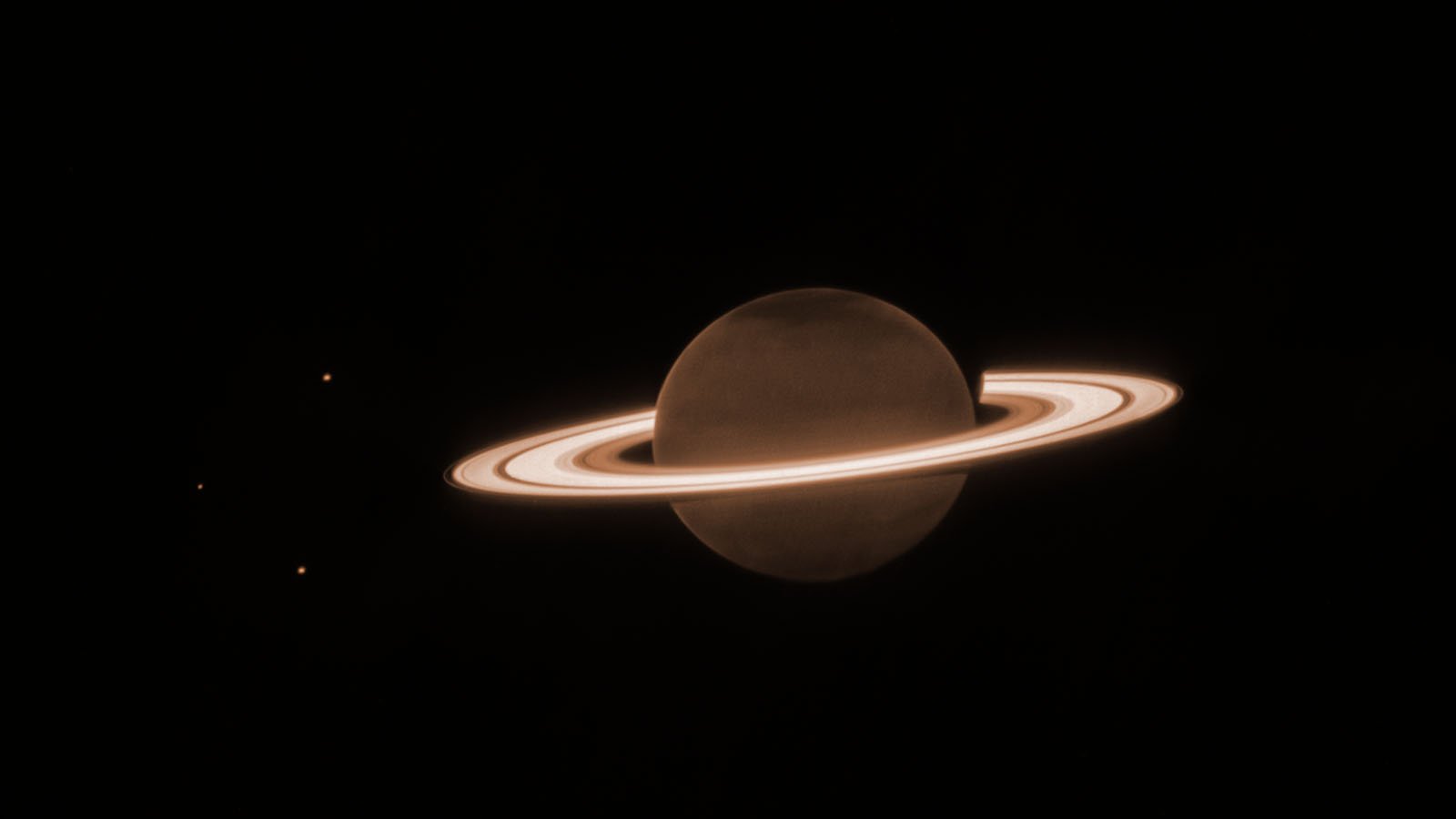
While designed for deep space, the JWST has also revolutionized our understanding of our own celestial backyard. Its portraits of Jupiter, Saturn, Uranus, and Neptune have provided planetary scientists with new data on atmospheric compositions, ring structures, and seasonal changes. The images of Saturn’s rings, rendered in a haunting, ethereal light, remain some of the most widely recognized and aesthetically striking photographs in the mission’s history.
Investigating the Star-Forming Factories
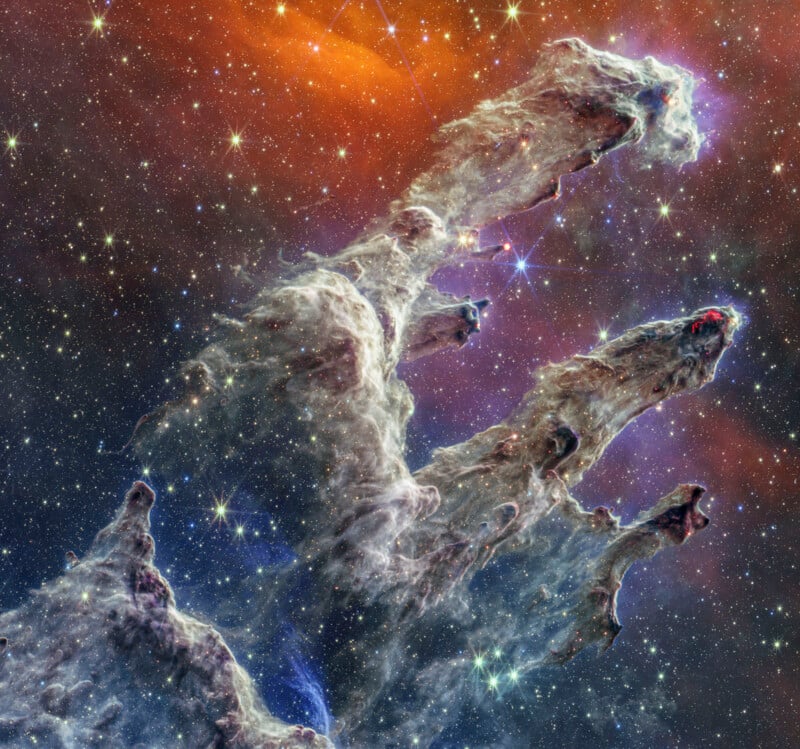
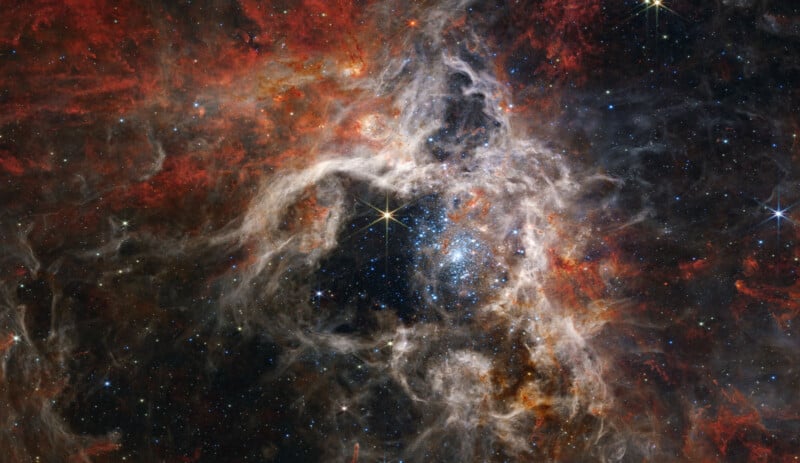
The telescope has spent significant time observing the "stellar laboratories" of our galaxy and the Local Group. The Tarantula Nebula, a massive star-forming region 161,000 light-years away, has provided a clear look at the most massive stars in the universe. Similarly, the Pillars of Creation, imaged through a composite of MIRI and NIRCam data, revealed a sharper, more vibrant look at these iconic columns than ever previously captured.
Scientific Depth: Supporting Data and Methodology
The JWST’s power lies in its suite of instruments, primarily the Near-Infrared Camera (NIRCam) and the Mid-InfraRed Instrument (MIRI). These tools allow the telescope to capture light at wavelengths that are invisible to the human eye.
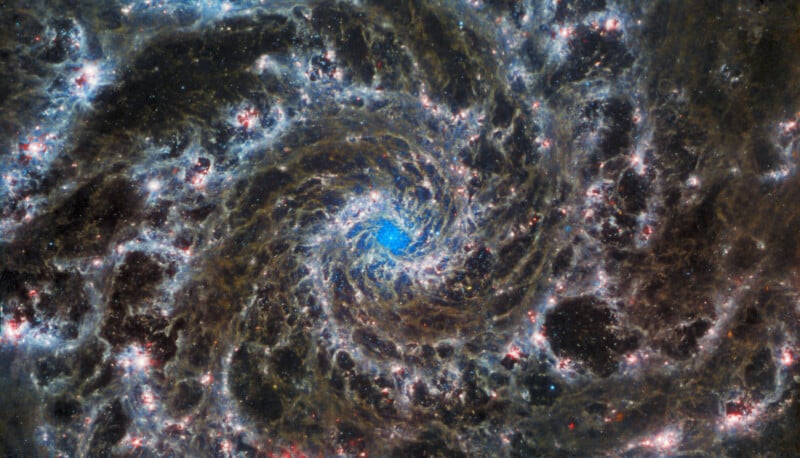
- Infrared Penetration: The Phantom Galaxy (M74), released in August 2022, stands as a masterclass in MIRI’s capability. By stripping away the dust that usually obscures the core, MIRI allowed researchers to map the spiral arms with surgical precision.
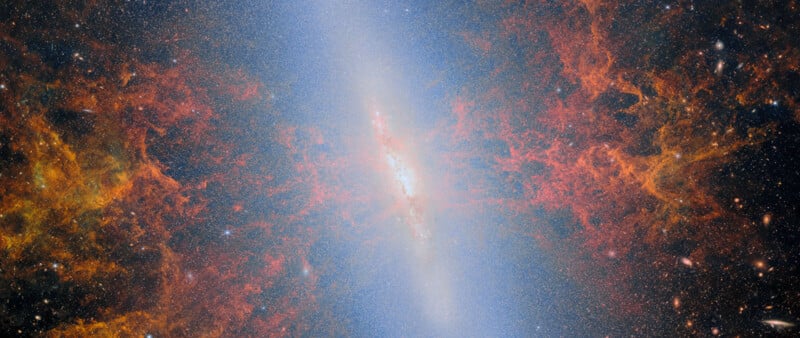
- Active Galactic Centers: The Cigar Galaxy (M82) provided data on a starburst galaxy forming stars at ten times the rate of the Milky Way. By peering through the dust, the telescope helped scientists understand the mechanics of these high-energy galactic centers.
- The Farthest Frontier: The discovery of MoM-z14, a galaxy observed as it existed just 280 million years after the Big Bang, stands as the current record-holder for distance. This tiny, seemingly insignificant smudge in an image represents a 13.5-billion-year-old light, a testament to the JWST’s role as a time machine.
Official Perspectives: The Intersection of Art and Science
The success of the JWST is not merely in the collection of raw data but in the processing of that data into human-readable imagery. Image processors at the Space Telescope Science Institute (STScI), such as Alyssa Pagan, have played a vital role in this process.
"We are essentially translating the invisible," note researchers involved in the mission. By assigning visible colors to infrared wavelengths, the team creates images that are both scientifically accurate and aesthetically profound. This marriage of art and science has arguably done more for public engagement with astrophysics than any other mission in history. The goal, as defined by NASA, is not just to collect data, but to inspire a new generation of scientists by showcasing the beauty of the universe.

Global Implications: Understanding Our Origins
The legacy of the JWST extends far beyond the images themselves. It has fundamentally changed the conversation around galaxy formation and evolution.
Gravitational Lensing and Dark Matter
The image of Galaxy Cluster SDSS J1226+2152 is perhaps the most "scientifically dense" in the collection. It demonstrates gravitational lensing—where the massive gravity of a galaxy cluster bends light from even more distant, invisible objects. This provides a natural telescope, allowing the JWST to see objects that would otherwise be too faint for any human-made instrument. This technique is currently being used to map dark matter distribution in the early universe.
Chemical Evolution and Metallicity
Observations of galaxies like NGC 6822 and I Zwicky 18 offer clues about the "metallicity" of the universe—the abundance of elements heavier than hydrogen and helium. By observing these "low-metallicity" environments, which mirror the conditions of the early universe, astronomers are piecing together the timeline of how chemical elements essential for life were forged in the hearts of the first stars.

The Quest for Habitability
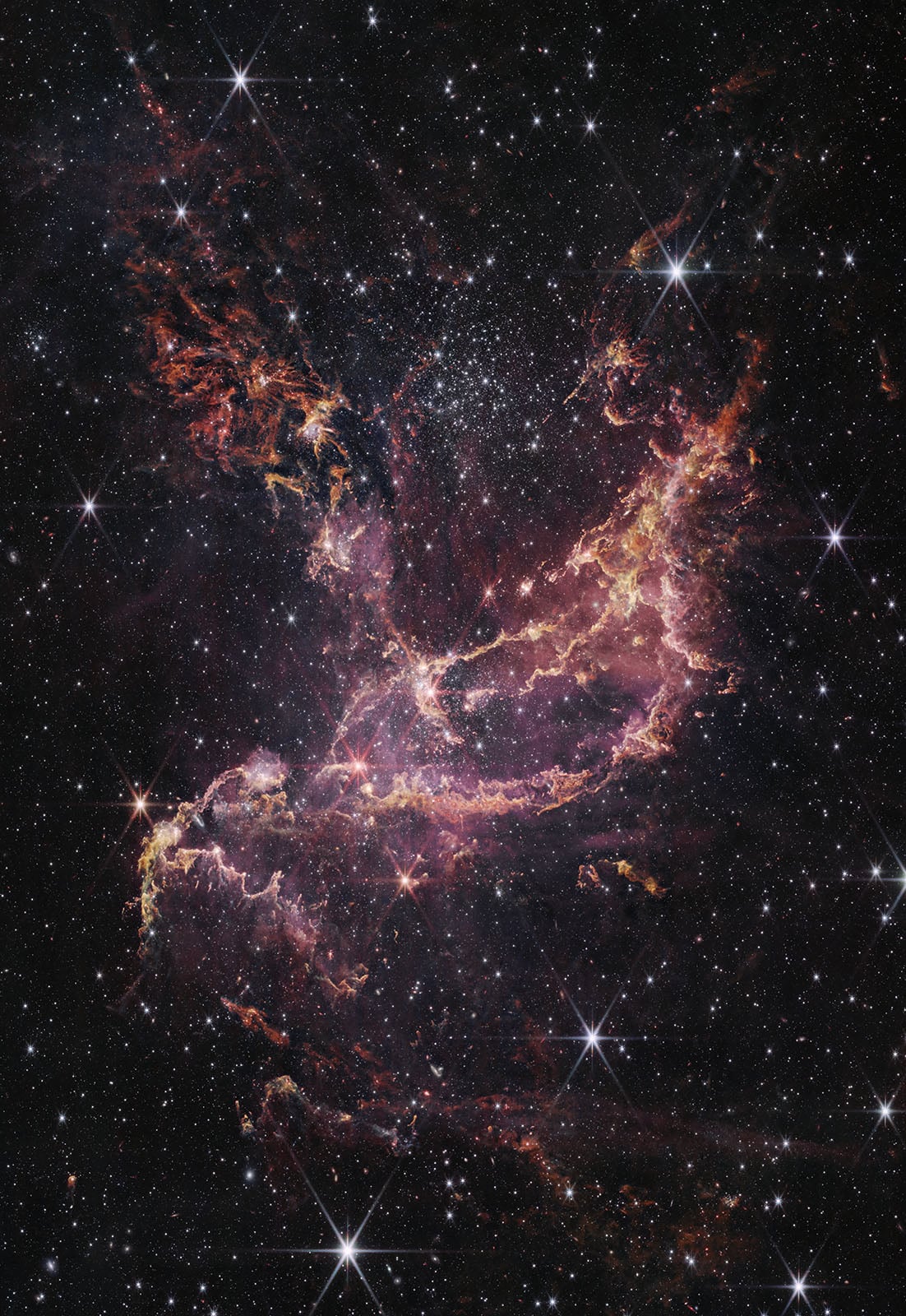
From the high-resolution study of NGC 346, which revealed more building blocks for planets than previously suspected, to the continuous monitoring of local gas giants, the JWST is building a comprehensive library of planetary environments. Every new image contributes to a larger, more complex puzzle: Are we alone? How do solar systems form? And what is the ultimate fate of the galaxies that surround us?
Looking Ahead
As we move into the fifth year of the JWST’s operation, the telescope continues to operate in excellent condition. While it has already surpassed many of its primary mission goals, the scientific community anticipates that the most exciting discoveries are yet to come. With its unique ability to peer through the cosmic veil and look back at the dawn of time, the James Webb Space Telescope has proven itself to be more than just a tool for observation—it is a mirror reflecting our own curiosity, our ingenuity, and our enduring desire to understand the place we call home in this vast, mysterious, and undeniably beautiful universe.
The images captured over the last 48 months serve as a monument to international cooperation and human persistence. Whether it is the chaotic beauty of a galactic collision in NGC 3256 or the eerie, web-like structure of the Red Spider Nebula, the JWST has ensured that the next four years will be just as transformative as the first. We stand on the precipice of a new era of discovery, one where the light of the distant past finally illuminates the future of human exploration.