
In an era defined by hyper-connectivity and the democratized reach of social media, the boundaries of "off-the-beaten-path" travel are shifting rapidly. For a growing demographic of intrepid travelers, the classic Mediterranean cruise or European city break no longer suffices. Instead, there is a burgeoning fascination with destinations that most governments—specifically the U.S. State Department—categorize as "Level 4: Do Not Travel." From the stark landscapes of Afghanistan to the volatile streets of Syria, Yemen, and North Korea, a niche travel industry has emerged to facilitate access to some of the world’s most dangerous and politically unstable regions.
This phenomenon, while often framed as "adventure travel," sits at a complex intersection of historical curiosity, voyeurism, privilege, and economic development. As Western influencers and well-heeled globetrotters increasingly document their time in conflict-affected zones, a heated debate has erupted regarding the morality of turning someone else’s crisis into a vacation itinerary.
The Chronology of Risk: From Battlefield Sightseeing to Modern Escapism
The impulse to visit sites of violence is not a modern invention. History records that civilians traveled to the fields of Waterloo shortly after the famous 1815 battle to collect souvenirs and witness the site of Napoleon’s defeat. Throughout the 20th century, battlefields like Gallipoli or the beaches of Normandy became staples of commemorative tourism.
However, the 21st century has seen a distinct shift. With the advent of budget airlines and the proliferation of specialized travel agencies, the barrier to entry has lowered significantly. Where once only the most hardened journalists or aid workers ventured into active or post-conflict zones, today’s "conflict tourists" are often private citizens seeking what they describe as "authentic" experiences.
Since the mid-2010s, companies like Rocky Road Travel and Untamed Borders have formalized this niche. Rocky Road, founded in 2014, began its operations with tours to North Korea, eventually expanding to other "misunderstood" nations. Similarly, Untamed Borders has carved out a reputation for managing complex logistics in Pakistan, Afghanistan, and Yemen. This shift marks a transition from "dark tourism"—visiting historical sites of tragedy—to a more precarious "conflict tourism," where the threat of instability remains immediate and tangible.
Supporting Data: The Anatomy of a Niche Industry
The growth of this industry is underpinned by a sophisticated infrastructure of risk management. These travel companies do not merely sell plane tickets; they sell access, safety protocols, and bureaucratic navigation.
- Logistical Expertise: Specialized firms assist with high-stakes visa acquisitions, permits for restricted zones, and tailored insurance policies that standard travel agencies cannot provide.
- Demographics: While influencers may visit for "social media currency," the core clientele for these firms is often older, highly experienced, and financially comfortable. They are individuals who have exhausted conventional travel and are seeking a deeper, often more intellectual, engagement with history, architecture, and geopolitics.
- The "Adventure" Umbrella: Recent research published in Journal of Travel Research attempts to categorize these activities, distinguishing between:
- Adventure Tourism: Combining physical effort, natural environments, and controlled risk (e.g., mountaineering).
- Dark Tourism: Narrative-based visits to sites of past suffering (e.g., Auschwitz, 9/11 memorials).
- Conflict-Zone Tourism: Visits to active or politically volatile environments, often motivated by a desire for "calculated risk" and cultural immersion in unpredictable settings.
Official Responses and Ethical Concerns
The rise of this industry has drawn sharp criticism from humanitarian organizations and academics. Debbie Leslie, a professor of international relations at Queen’s University Belfast, has been a vocal critic of the trend, describing it as "security washing."
The Spectacle of Misery
Critics argue that the gaze of the Western traveler often reduces local populations to passive, suffering props. When influencers pose with armed soldiers—such as the widely publicized instances of travelers posing with Taliban members—they risk legitimizing oppressive regimes that have systematically dismantled human rights. This "tourist gaze" frequently ignores the reality that local residents do not have the luxury of checking out of a war zone.
The Privilege of Exit
A critical ethical distinction highlighted by researchers is the power imbalance inherent in these trips. Western travelers often operate under the safety net of their home governments or private security firms. If a situation deteriorates, they have the resources to be extracted. The local population, conversely, is left behind to face the consequences of the instability. This disparity exposes the colonial logic that often underpins "adventure" travel: the idea that the world is a playground for the wealthy to explore, regardless of the socio-political cost to the inhabitants.
Implications: Can Conflict Tourism Do Good?
Despite the ethical minefield, proponents of these tours argue that they provide essential benefits to nations struggling with the stigma of conflict.
Economic Recovery and Cultural Exchange
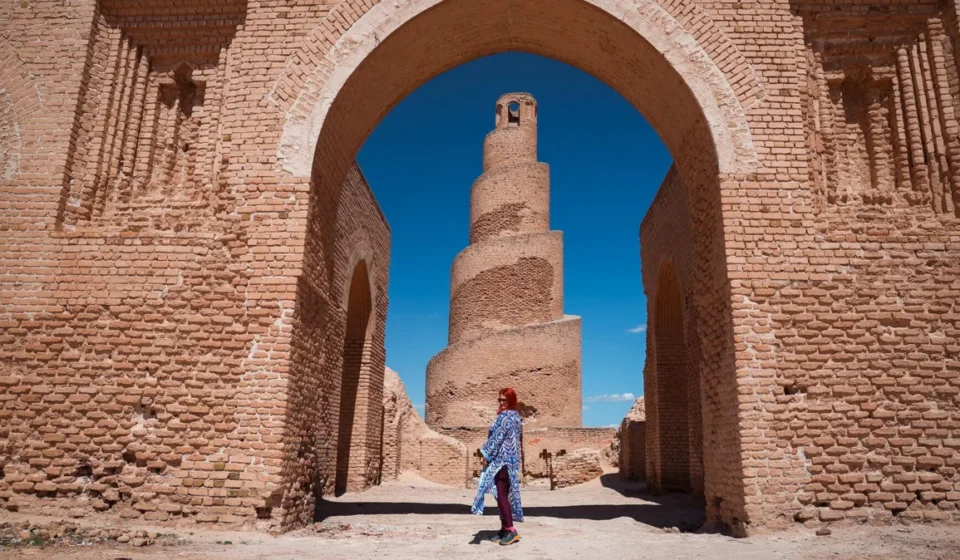
James Willcox of Untamed Borders points to Syria as a poignant example. Despite the ongoing complexities, the country has seen a resurgence in limited, managed tourism. This industry contributes to the renovation of historic sites, the construction of hotels, and, perhaps most importantly, the provision of employment in regions that are otherwise economically isolated.
"There is a huge potential for tourism in regions where there has been conflict," Professor Leslie concedes, noting that responsible, small-scale tourism can act as a bridge for cultural exchange and economic stimulus. When done with sensitivity, these visits can help preserve heritage sites that might otherwise be forgotten or destroyed.
Redefining the Narrative
The challenge, according to industry experts, lies in the way these countries are presented. Companies like Rocky Road Travel and Untamed Borders emphasize that they do not "sell war." Instead, they curate journeys intended to challenge the "headline" version of a country. They argue that by focusing on history, cuisine, and everyday life, they are countering the reductive, fear-based narratives that dominate Western media.
Navigating the Future of High-Risk Travel
As the demand for extreme travel continues to grow, the industry faces a reckoning. The future of this sector depends on its ability to move away from the "spectacle" of misery and toward a model of genuine, respectful engagement.
For the modern traveler, the responsibility is significant. Visiting a conflict-prone nation requires more than just a passport and a sense of adventure; it demands a commitment to understanding the local context, honoring the agency of the people who live there, and acknowledging the profound privilege that allows for a "safe" departure.
As Professor Leslie concludes, the path forward must involve "foregrounding local voices." If the travel industry is to be a force for good in volatile regions, it must strip away the Western gaze that treats trauma as a tourist attraction. Ultimately, the people living in these regions are not for sale, and their reality is not a backdrop for an Instagram story. Moving forward, the focus must shift from the thrill of the "dangerous" to the value of the human connection, ensuring that if we must travel to the world’s most difficult places, we do so as guests—not as consumers of another’s hardship.