White House White-Out: Secret Service Blocks Major News Networks as Press Freedom Collides With Executive Retaliation

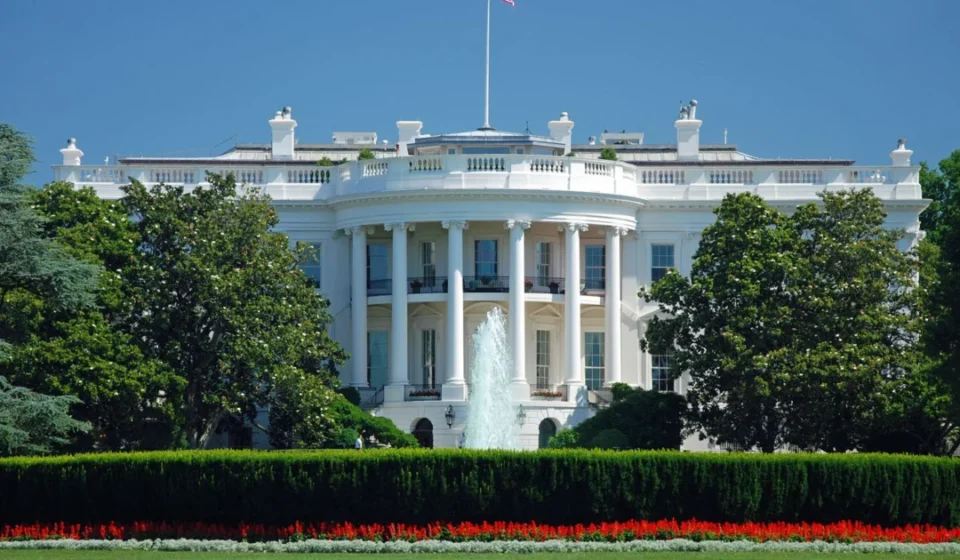
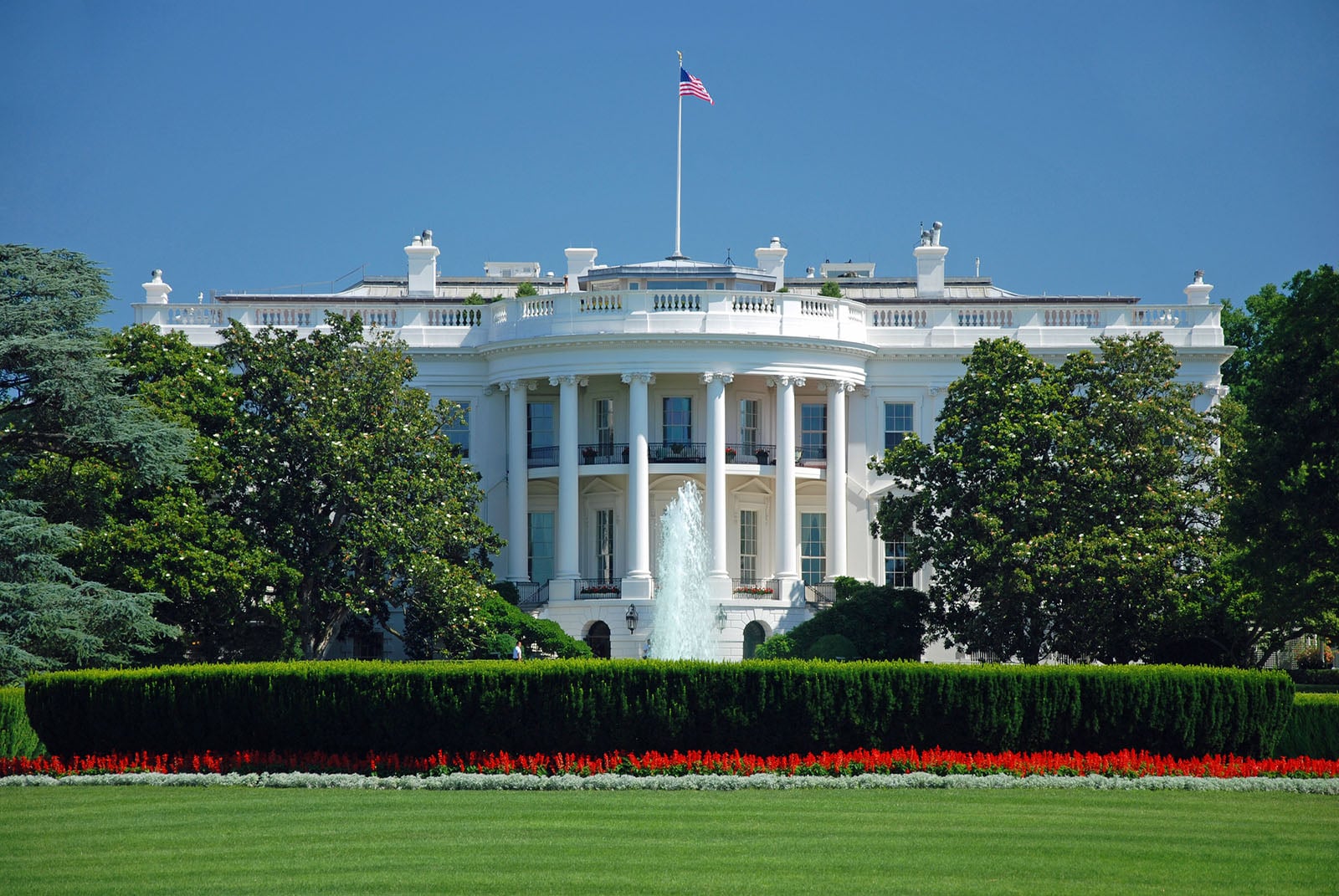
WASHINGTON — Tensions between the executive branch and the American media reached a volatile new milestone over the weekend when U.S. Secret Service personnel turned away camera operators and journalists representing MS NOW at White House security gates. The security personnel systematically confiscated press credentials, barring visual journalists from entering the West Wing complex.
The physical lockout is the direct enforcement of an unprecedented executive decree issued days prior by President Donald Trump. Citing what he termed persistent "fiction and lies," the president announced an immediate ban on three prominent news organizations—CNN, MS NOW, and Politico—from entering the White House grounds or covering executive branch operations.
The move has triggered a swift, severe backlash from press advocacy organizations, constitutional scholars, and media ethics experts. Critics warn that the escalation represents a fundamental assault on the First Amendment and establishes a dangerous precedent where access to the seat of American government is weaponized as a tool of political punishment.
Main Facts
The core of the unfolding constitutional and logistical crisis centers on several key developments:
- The Executive Ban: President Trump took to Truth Social to announce that CNN, MS NOW, and Politico were barred from the White House "effective immediately," accusing them of producing "Fake News" and constant misrepresentations of his administration.
- Physical Enforcement: Over the weekend, Secret Service agents at the White House security gates actively confiscated press badges from MS NOW camera operators and denied entry to reporting teams from the targeted outlets.
- Broad Press Condemnation: The National Press Photographers Association (NPPA), alongside various other journalism defense groups, issued sharp denunciations, arguing that the bans violate core constitutional protections of a free press.
- Ripple Effects on the Press Pool: Because CNN participates in the cooperative television pool—which shares essential footage with other broadcast networks when space is limited—the ban threatens to disrupt the flow of news to the broader media ecosystem.
- A Growing Pattern: This incident marks the second major media blackout of Trump’s second term, following a February 2025 ban targeting the Associated Press (AP).
Chronology of the Ban
The sequence of events leading up to the weekend security showdown highlights how quickly executive rhetoric transformed into physical administrative action:
Friday: The Social Media Announcement
Late in the workweek, President Trump published a post on Truth Social declaring that major outlets would no longer be welcome at the White House.
"Media Outlets shouldn’t be able to constantly write or report FICTION and LIES when they’re covering the President of the United States, the Trump Administration, or the United States of America. Other Fake News Media Outlets to follow," Trump wrote.
The statement did not point to specific articles, broadcasts, or factual errors committed by CNN, MS NOW, or Politico, but rather condemned their overall coverage patterns.
Saturday and Sunday: The Gate Blockade
Following the online directive, White House operational and security protocols were swiftly updated. Over the weekend, camera operators and production staff arriving for their scheduled shifts at the West Wing were intercepted by the U.S. Secret Service. Their permanent press credentials were confiscated on the spot, and they were denied entry past the security checkpoints.
Monday: Institutional Backlash
As newsrooms processed the physical exclusion of their staff, press advocacy organizations mobilized. The NPPA released a formal statement condemning the administration’s actions and demanding the immediate and unconditional restoration of press privileges for the targeted journalists.
Supporting Data and Historical Context
To understand the weight of the current restrictions, it is necessary to examine both the logistical realities of modern presidential journalism and the historical friction between this administration and the press corps.
The Indispensable Nature of Physical Access
In modern political communication, distance is often the enemy of truth. As Alex Garcia, president of the National Press Photographers Association, emphasized in his response to the ban, physical proximity for visual journalists is not a luxury; it is a structural necessity.
"They must be present to photograph and record events as they unfold, including unscripted moments that cannot be recreated afterward," Garcia stated. "Their images become part of the visual history of the presidency and let the public see government at work."
When visual access is restricted, the public is left reliant solely on government-vetted handouts, official camera feeds, and controlled angles. This diminishes independent oversight and curtails the public’s ability to witness the unvarnished reality of presidential governance.
The Pool System Disruption
Furthermore, the ban on CNN carries downstream consequences for the entire media landscape. Television networks operate under a "pool" system, where a single camera crew and reporting team cover certain events on behalf of all networks to ease logistical congestion in tight spaces. By barring CNN, the administration disrupts a cooperative mechanism that serves outlets far beyond the targeted organization itself, potentially choking off independent video feeds to regional and international networks.
A History of Retaliatory Access Restrictions
This weekend’s events are not occurring in a vacuum. This is the second time during his second term that President Trump has utilized access restrictions to punish news organizations.
In February 2025, the administration banned the Associated Press (AP) from the White House. The public justification provided at the time was the AP’s refusal to alter its stylebook entry regarding the "Gulf of Mexico" to the administration’s preferred term, the "Gulf of America."
However, subsequent investigative reporting revealed deeper grievances. Sources indicated that the ban was also fueled by the administration’s frustration over the AP’s refusal to grant the president the licensing rights to Evan Vucci’s iconic, Pulitzer-level photograph capturing the aftermath of the Butler, Pennsylvania assassination attempt.
Official Responses
The collision between executive power and journalistic rights has drawn sharp lines between the administration’s defenders and defenders of the Constitution.
The Administration’s Stance
While the White House has not issued a detailed legal brief defending the ban, the president’s public statements reflect a worldview that views critical or unfavorable media coverage as an act of bad faith that forfeits a news organization’s right to institutional proximity. By branding the outlets as "Fake News" purveyors of "FICTION and LIES," the administration frames the expulsion not as censorship, but as a defensive measure against targeted misinformation.
The National Press Photographers Association (NPPA)
The NPPA’s official response pushed back forcefully against this rationale, grounding its argument firmly in constitutional law:
"The First Amendment’s protection of a free press does not depend on whether the President likes a journalist’s questions, images, or reporting," said Alex Garcia.
"The government cannot use access to the White House as a reward for favorable coverage or withdraw it as punishment for critical coverage. Those constitutional protections belong to photographers and video journalists as well as to reporters."
Implications for the Future of American Journalism
The ban on CNN, MS NOW, and Politico carries profound implications that stretch far beyond the daily news cycle in Washington.
- Erosion of Institutional Norms: White House press credentials have historically been managed through administrative guidelines designed to ensure fair, viewpoint-neutral access. Using security details—such as the Secret Service—to enforce ideological or punitive bans alters the fundamental nature of the press corps from an independent watchdog to a permission-based privilege.
- The Slippery Slope of Media Exclusion: With the president explicitly noting on social media that "Other Fake News Media Outlets to follow," newsrooms across the country are bracing for further contractions of access. This creates a powerful chilling effect, where media organizations might feel subtle pressure to temper their reporting to preserve their ability to cover the executive branch.
- Public Right to Know: Ultimately, the greatest casualty of such restrictions is the citizenry. When independent journalists are locked out of the West Wing, the barrier between the governed and the government grows thicker. The visual and narrative record of the presidency risks becoming an insulated, state-managed projection rather than an objective historical account.
As legal challenges are weighed and press freedom coalitions lobby for administrative reversals, the weekend blockade at the White House gates stands as a stark reminder of the fragile balance governing democracy, executive authority, and the unyielding right of the press to bear witness.