A Portrait of Nature’s Lighter Side: The 2026 Nikon Comedy Wildlife Photography Awards Finalists Unveiled

Main Facts
The annual celebration of the natural world’s most humorous, unguarded, and downright goofy moments has officially reached its latest milestone. Organizers of the global photography competition have revealed the highly anticipated finalists for the Nikon Comedy Wildlife Photography Awards, showcasing a spectacular collection of laugh-out-loud imagery.
This year’s competition shattered all previous participation metrics, receiving more than 10,000 entries from 112 countries worldwide—marking the highest volume of submissions in the history of the event. Photographers from every corner of the globe submitted frame grabs capturing animals in moments of accidental human-like emotion, awkward physical miscalculations, and unexpected environmental interactions.
Entrants are vying for the ultimate grand prize: a once-in-a-lifetime, tailor-made safari with Alex Walker’s Serian in Kenya’s famed Masai Mara. Additional prizes designed to support and reward high-level photography include top-tier equipment from the contest’s title sponsor, Nikon, including the Nikon Z6 III, the Nikon Z50 II, and the Nikon ZR. Beyond the accolades and hardware, the competition continues its core mission of championing environmental conservation. This year, the Comedy Wildlife Awards have partnered with the Born Free Foundation, an international wildlife charity dedicated to rescuing animals from exploitation and preserving threatened species in their natural habitats.
Chronology: From Humble Beginnings to Global Phenomenon
The journey of the Comedy Wildlife Photography Awards reflects a steady, organic growth from a niche conservation-minded photography showcase into one of the most visible and beloved wildlife competitions on the digital landscape.
- Inception: Founded by professional wildlife photographers Paul Joynson-Hicks and Tom Sullam, the competition was created with a specific, dual-purpose mandate: to combine the undeniable power of top-tier photography with a sense of humor, thereby engaging a broader audience in conservation conversations.
- Global Expansion: Over the subsequent decade, the competition evolved rapidly. By removing barriers to entry and tapping into the viral nature of internet humor, the awards began attracting thousands of submissions annually from professional and amateur shutterbugs alike.
- The Nikon Partnership: In recent years, industry titan Nikon stepped in as the title partner, elevating the profile of the competition and providing cutting-edge mirrorless camera kits as prizes for the winners.
- The 2026 Milestone: The current cycle marks a historic high point for the organization, drawing an unprecedented 10,000+ entries. The announcement of the finalists serves as the penultimate phase of the competition, opening the floor to the global public before the ultimate category and overall winners are crowned.
- Current Timeline & Next Steps: The People’s Choice Award voting portal is officially open to the public. Animal lovers and photography enthusiasts can cast their votes for their favorite funny animal image until March 1, 2027, via the official Comedy Wildlife website.
Supporting Data and Notable Finalist Highlights
The sheer volume of submissions—spanning well over a hundred nations—highlights the universal appeal of wildlife photography that does not take itself too seriously. The 2026 gallery of finalists features an extraordinary array of behaviors, captured through exceptional timing, patience, and technical skill.
Among the standout entries capturing the imagination of judges and early online viewers are:
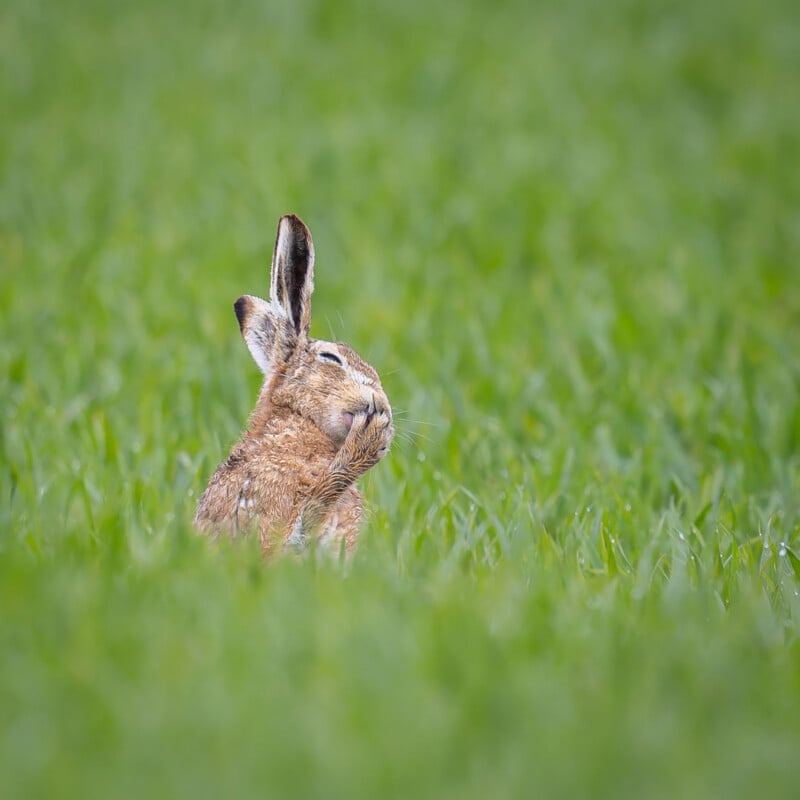
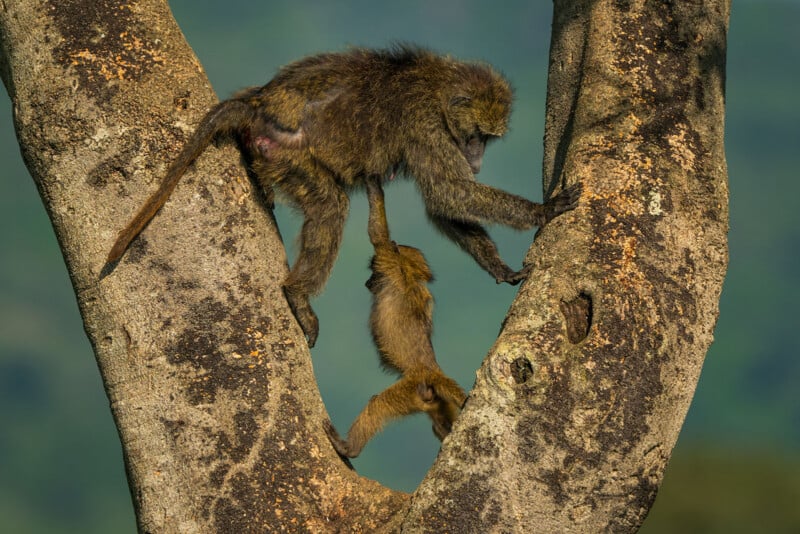
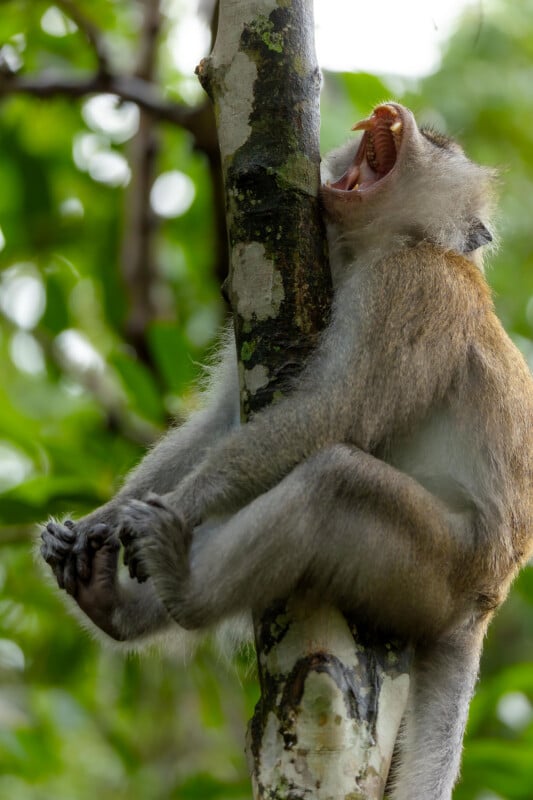
- Primate Antics: Andy Parkinson captured an infant olive baboon in a moment that plays tricks on the eyes, appearing to demonstrate immense strength by holding an adult above its head. Meanwhile, David Lee documented a long-tailed macaque in the canopy of a forest as it miscalculated a leap and subsequently cried out in mid-air—a universally relatable experience of clumsy regret. In Southeast Asia, Tanner Mansell framed a male orangutan displaying prominent cheek pads while appearing to offer a thoroughly disrespectful gesture directly toward the camera lens.
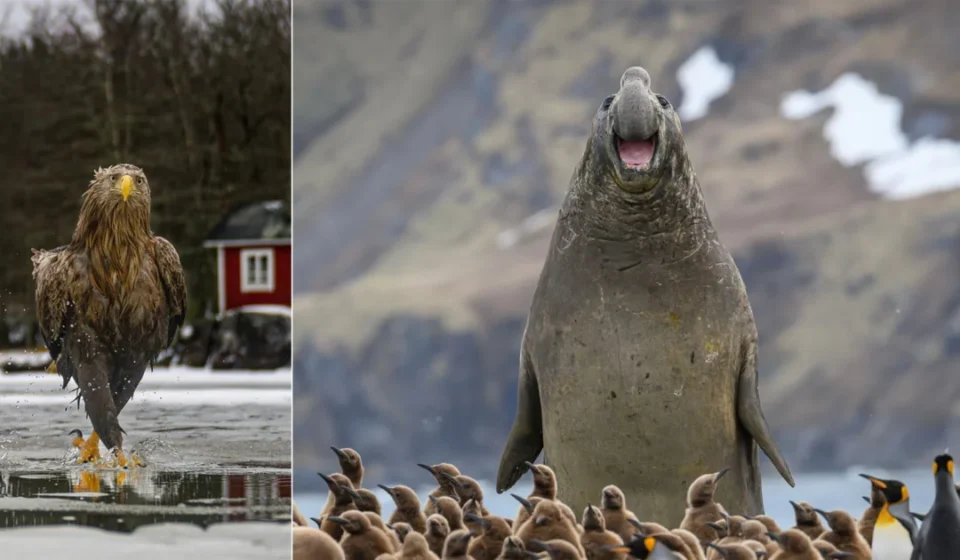
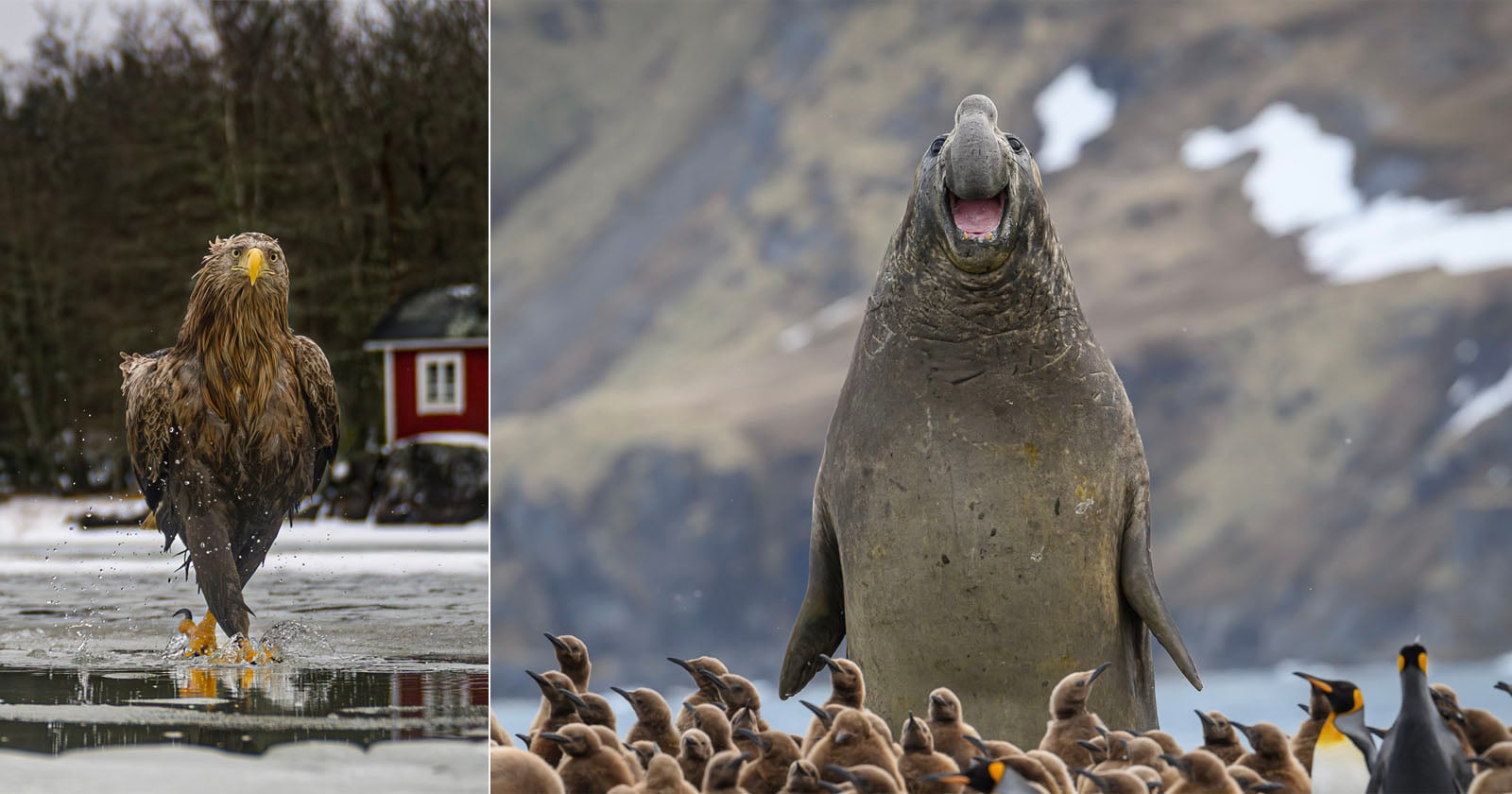
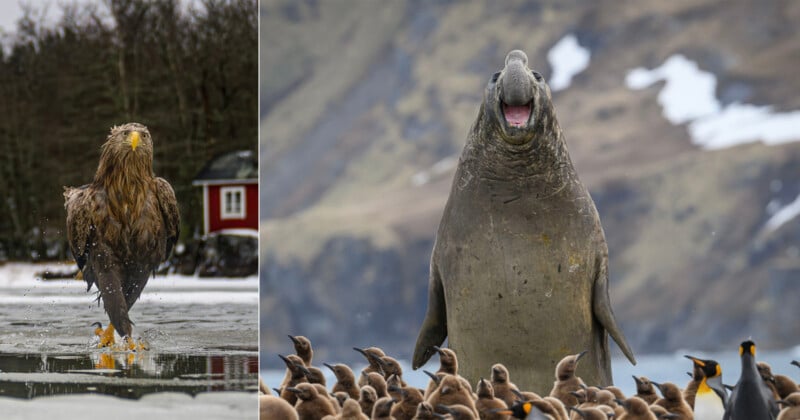
- Avian Attitudes: Tapani Linnanmaki photographed a stately white-tailed eagle striding across spring sea ice near a red cabin, giving the distinct impression of a bird showing off a high-end winter coat. Jan Wittmer caught a remarkably cross-looking goldcrest bird in Germany, earning it the affectionate moniker of an "Angry Bird," while Ka Chun Jacky Sung captured a similarly disgruntled-looking owl in China.
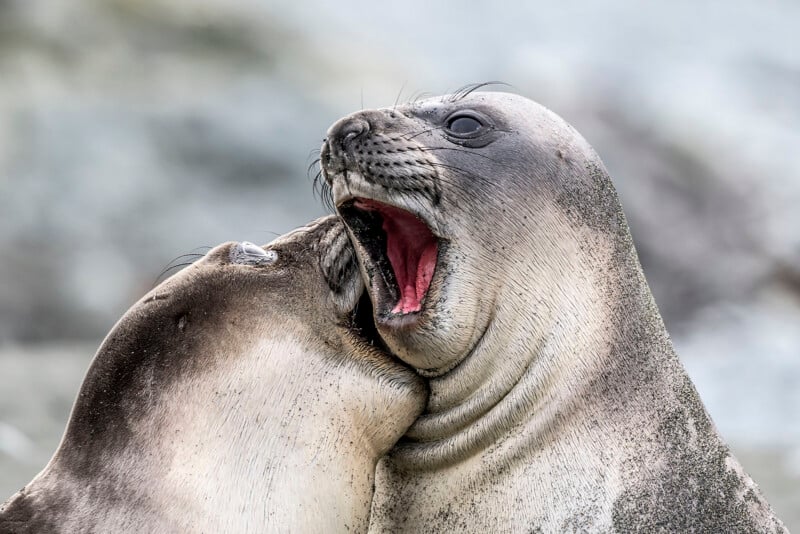
- Aquatic and Marine Misadventures: Fabi Fregonesi caught a surprised-looking blenny fish peeking out of an algae-covered tube in Curaçao, perfectly capturing the universal dread of sleeping past one’s morning alarm. Kyo Chen photographed a tiny silver spadefish floating in the deep blue, looking intensely stressed as the massive, shadowy silhouette of a whale shark looms directly behind it. Marek Jackowski contributed multiple striking entries, including a group of walruses dubbed "sea gangs" and a giant elephant seal appearing to loom humorously over a congregation of penguin chicks.
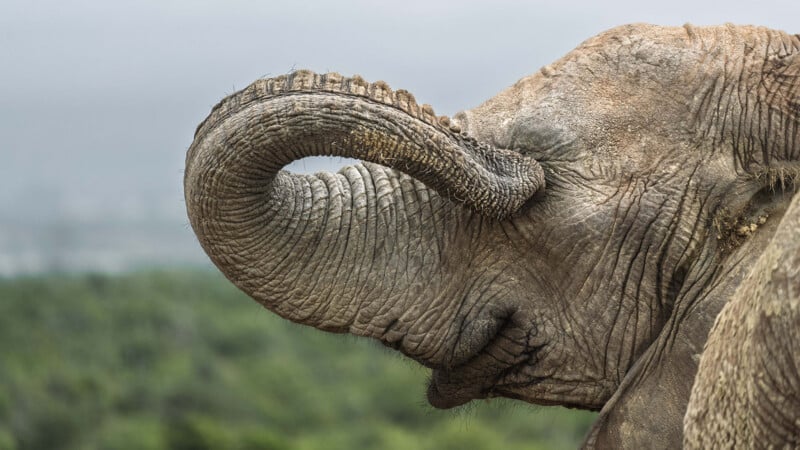
- Terrestrial Goofiness: Cliff Fawcett captured an African elephant in Addo National Park holding its trunk up to its face, evoking the exact posture of a human realizing a blind date’s online profile picture was entirely fabricated. Subi Sridharan photographed a trio of meerkats in the desert, where a fastidiously grooming meerkat insists on giving its companion a last-minute hair check right before a family photograph.
Official Responses and Perspectives
The founders and partners behind the Nikon Comedy Wildlife Photography Awards emphasize that while the images are undeniably funny, the underlying messaging carries serious ecological weight.
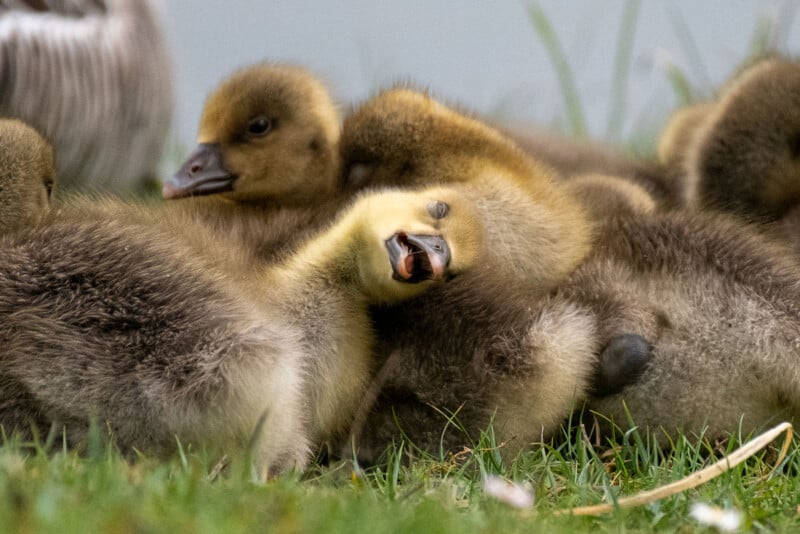
In statements accompanying the finalist reveal, organizers noted that humor serves as a vital "trojan horse" for environmentalism. Traditional wildlife imagery often focuses on stark realities, habitat destruction, and the vulnerability of endangered species—imagery that can sometimes lead to compassion fatigue among the general public. By injecting levity and joy into the narrative, the competition encourages people to form an emotional connection with individual animals and their ecosystems.
Furthermore, the collaboration with the Born Free Foundation reinforces this conservation ethos. Representatives from Born Free have frequently praised the competition for its ability to draw millions of eyes toward lesser-known conservation issues. Through public engagement, donation drives tied to the competition, and the global reach of the media coverage, the awards actively fund initiatives that protect wild animals from captivity exploitation, poaching, and human-wildlife conflict.
Implications: Changing the Conservation Conversation
The profound popularity of the Nikon Comedy Wildlife Photography Awards underscores a shifting paradigm in how environmental organizations communicate with the public.
1. Fostering Empathy Through Relatability
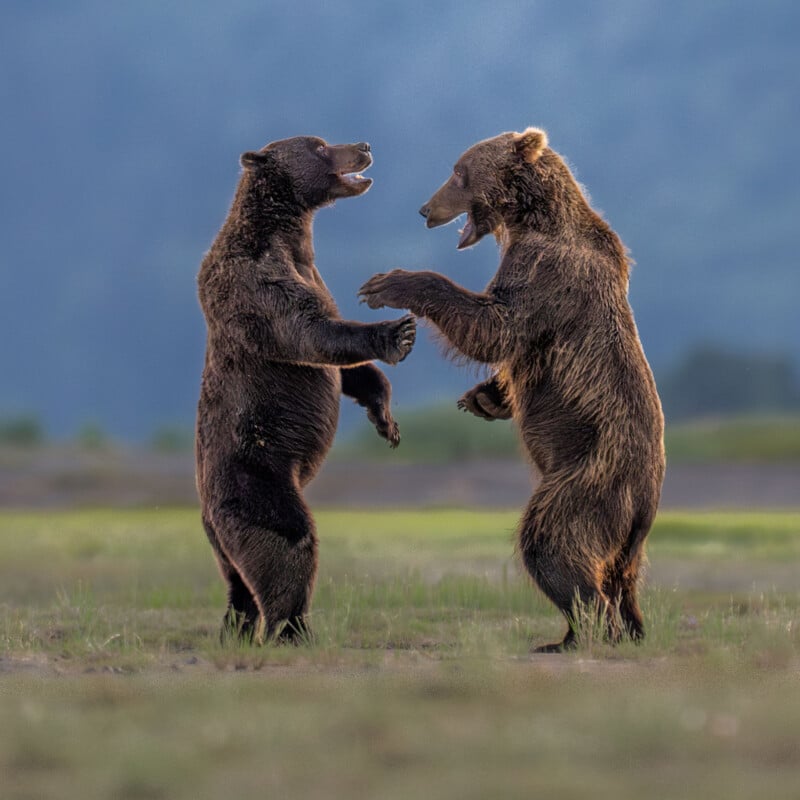
When a viewer looks at a photograph of a brown bear performing what looks like a morning yoga stretch (captured by Scott Suriano) or a beaver flashing its webbed feet while grooming (photographed by Natalie Veekmans), the psychological distance between human and animal shrinks. This anthropomorphism—while scientifically approached with caution by biologists—plays a critical role in public advocacy. People are statistically more likely to donate to, protect, and care about animals they perceive as possessing distinct personalities, quirks, and emotional lives.
2. Democratizing Wildlife Photography
With over 10,000 entries from 112 countries, the competition proves that world-class wildlife humor is not restricted to those with multi-million-dollar filmmaking budgets or remote expedition teams. Everyday nature enthusiasts, hikers, and local photographers utilizing consumer-grade or mid-range mirrorless setups (such as the Nikon Z-series cameras featured in the prize pool) are successfully capturing extraordinary fractions of a second in local parks, backyards, and regional reserves.
3. Driving Direct Action
The tangible impact of the competition goes far beyond viral internet memes. Every year, millions of web users visit the competition’s gallery, exposing a massive audience to the conservation campaigns run by the Born Free Foundation. The combination of high engagement, corporate sponsorship from a photography giant like Nikon, and the upcoming People’s Choice Award voting window ensures that public interest translates directly into educational outreach and fundraising streams.
As the voting window for the People’s Choice Award remains open until March 1, 2027, wildlife fans around the world have the opportunity to participate in celebrating these magnificent, humorous creatures. Beyond the laughter they provide, these finalists serve as a gentle, powerful reminder of why protecting our natural world is an endeavor worth fighting for—with a smile on our faces every step of the way.