
Main Facts: The Science and Simplicity of Autumn’s Favorite Snack
As the autumn air turns crisp and jack-o’-lanterns begin to line front porches across neighborhoods, a familiar culinary ritual takes place in kitchens nationwide. Every year, millions of households carve pumpkins, leaving behind mounds of fibrous pulp and elusive seeds. While many discard these inner treasures, culinary traditionalists recognize them for what they truly are: the foundation of one of the season’s most gratifying, effortless snacks.
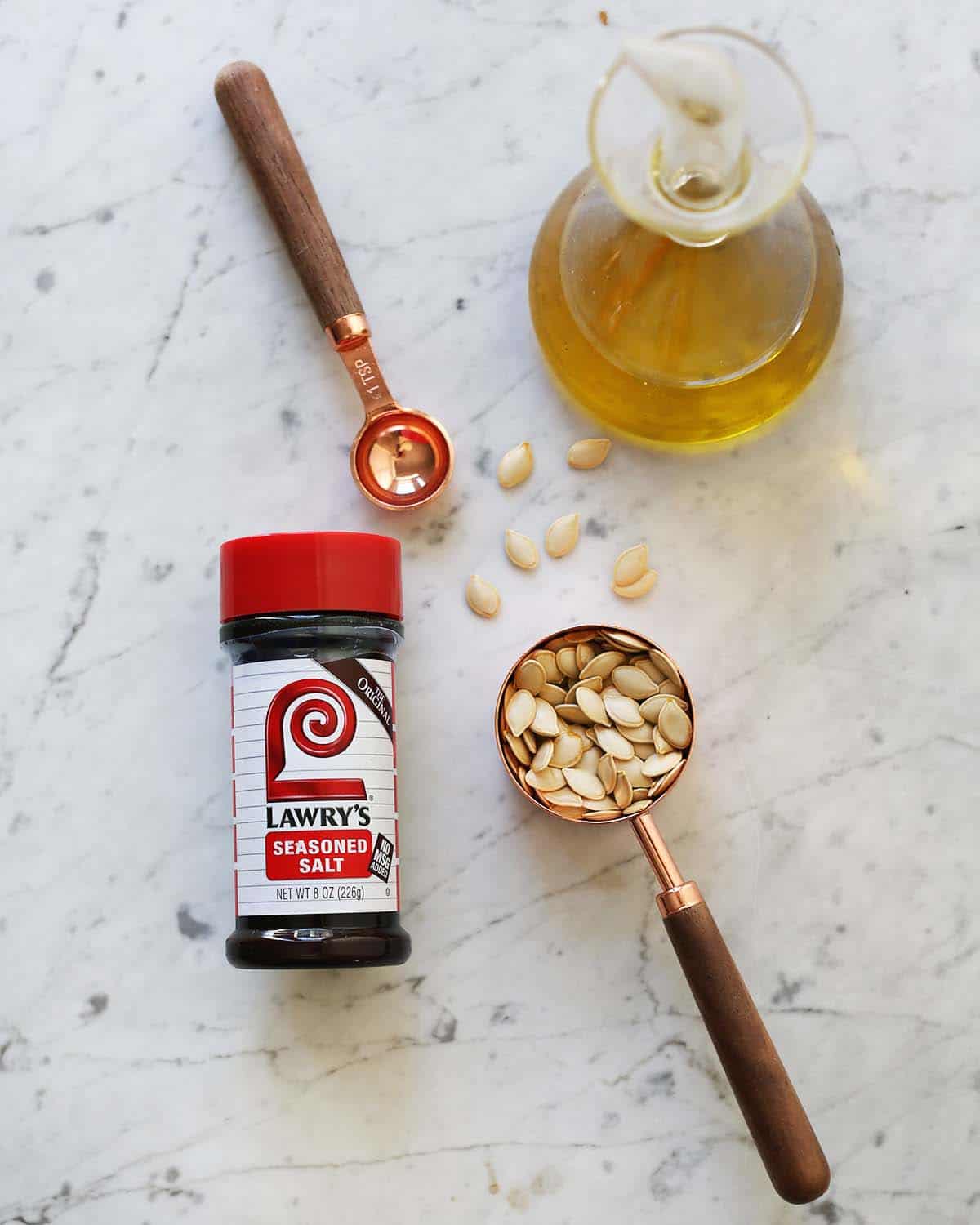
At its core, the classic roasted pumpkin seed requires very little intervention to achieve perfection. The baseline culinary formula relies on a simple, dependable ratio rather than rigid measurements: for every 1/3 cup of cleaned pumpkin seeds, home cooks need 1 teaspoon of oil (olive oil is a popular choice, though vegetable or canola oil works seamlessly) and 1/2 teaspoon of seasoned salt—such as Lawry’s or a preferred all-purpose savory blend.
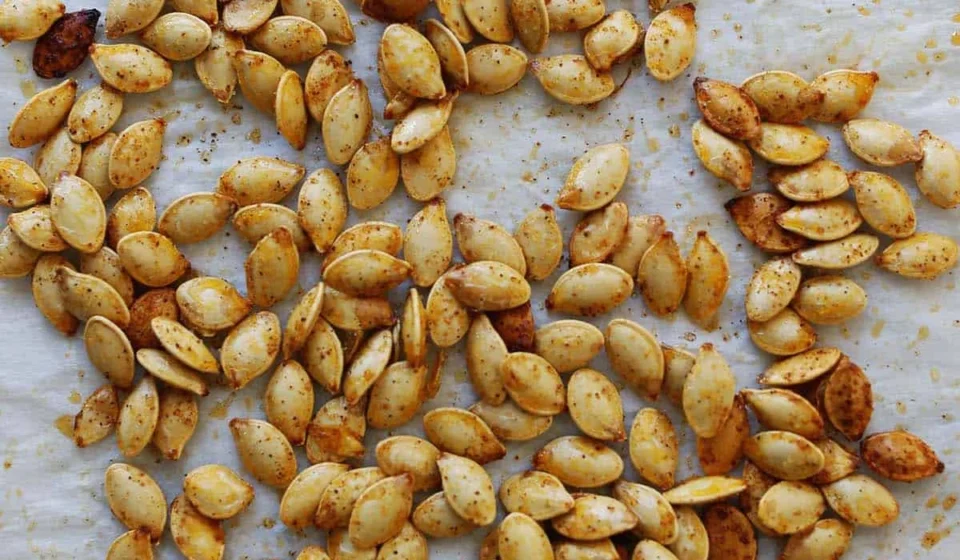
Unlike more delicate nuts and seeds that require complex brining or multi-step dehydration processes, pumpkin seeds are remarkably forgiving. When subjected to moderate heat—typically 350°F (175°C)—the moisture evaporates quickly, allowing the outer hulls to turn golden and crunchy within a brief 10-minute baking window.
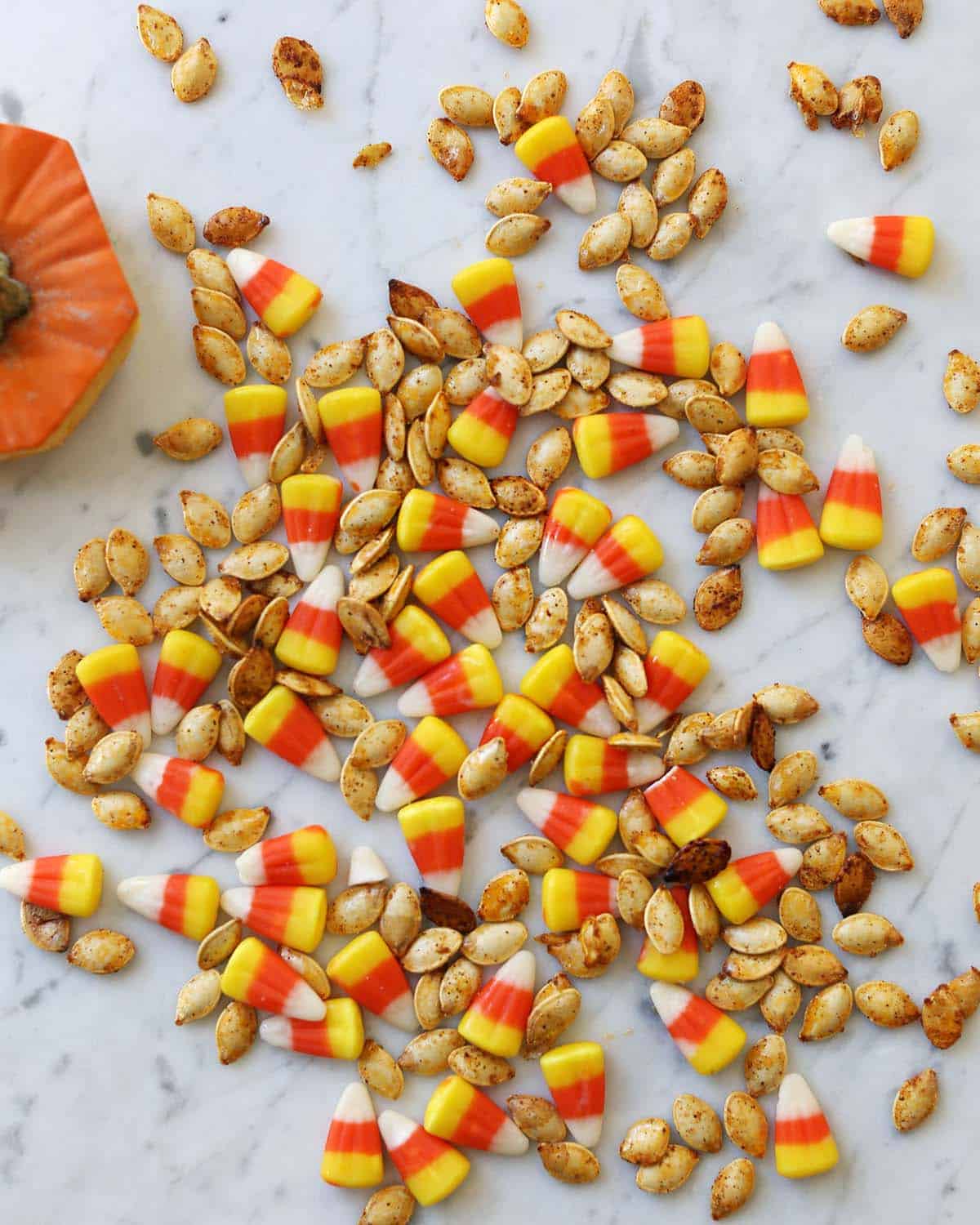
Beyond their irresistible crunch and savory profile, roasted pumpkin seeds represent an exercise in zero-waste household cooking. Transforming what would otherwise be organic waste into a nutrient-dense, shelf-stable snack embodies the ultimate sustainable comfort food. Furthermore, their versatility extends across culinary boundaries. Whether enjoyed plain, dusted aggressively with chili powder and garlic, or paired unexpectedly with traditional autumn treats like candy corn for a sweet-and-salty flavor contrast, roasted pumpkin seeds remain an enduring symbol of harvest season culture.
Chronology: From the Patch to the Pan
The journey of a roasted pumpkin seed follows a well-trodden chronological path, one that connects modern home cooks to generations of autumnal traditions past. Understanding the timeline of preparation is the key to avoiding soggy seeds and ensuring an even, golden roast.
Phase 1: Extraction and Separation
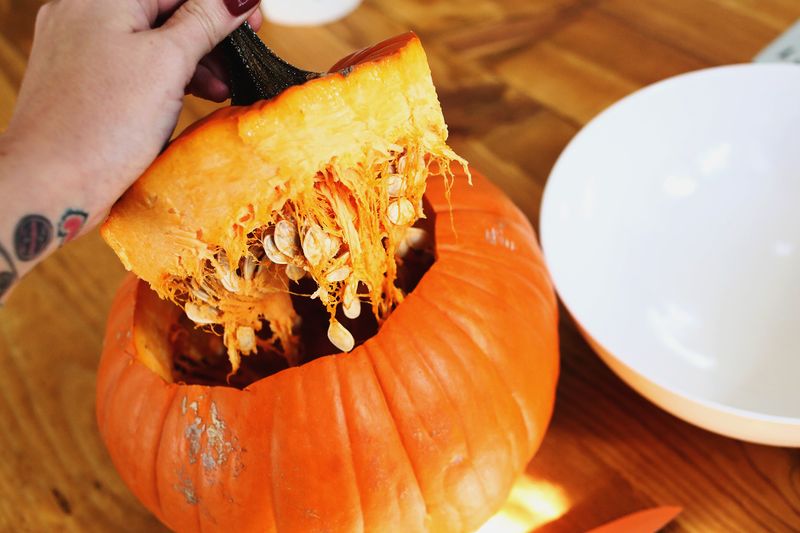
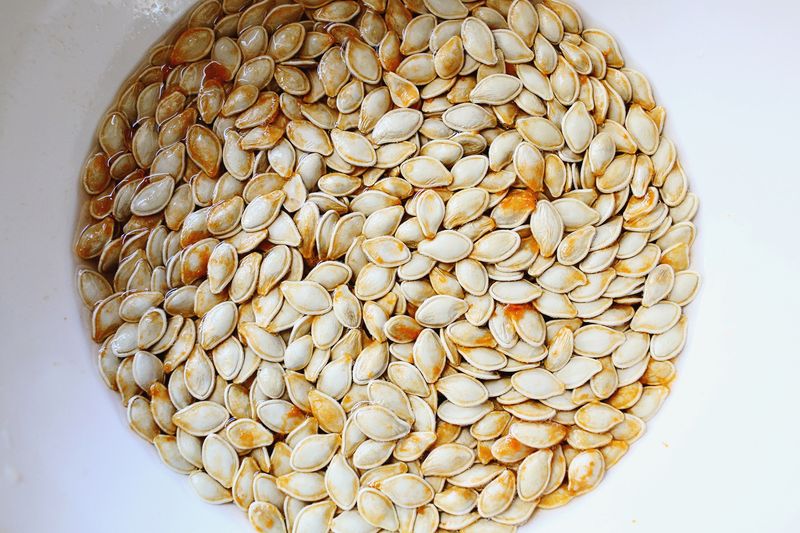
The process begins the moment a pumpkin is carved. Once the top is removed and the cavity is exposed, the immediate task is harvesting the seeds from the stringy, wet pulp. Culinary experts recommend transferring the chaotic mass directly into a large bowl filled with lukewarm water.
Water immersion serves as a natural physical separator. Because the seeds are buoyant and lighter than the heavy fibrous strands, the bulk of the pulp will naturally sink to the bottom of the bowl while the clean seeds float to the surface.
Phase 2: Manual Detangling and Rinsing
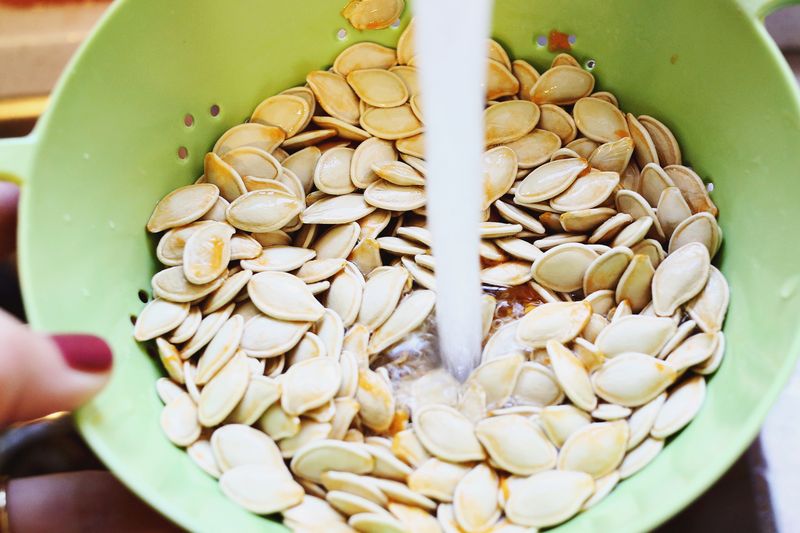
Even with the water trick, diligent hand-washing is required. Cooks must gently rub the seeds between their fingers beneath the water’s surface to release stubborn clingers. While achieving absolute perfection is tempting, culinary purists note that failing to remove every microscopic thread of pulp is entirely harmless. A final thorough rinse in a colander prepares the seeds for the drying phase. (Note: While some recipes call for air-drying seeds overnight, a quick pat-down with a clean kitchen towel can expedite the process for eager snackers.)
Phase 3: Seasoning and The Golden Ratio
Once dry, the seeds must be tossed thoroughly with the binding agent and flavor enhancers. Applying the 1/3 cup seed to 1 teaspoon oil and 1/2 teaspoon seasoned salt ratio ensures that every single seed receives an even microscopic coating of fat and flavor, which is crucial for achieving that signature uniform crunch in the oven.
Phase 4: The High-Stakes Bake
The final leg of the chronology takes place in the oven at 350°F. The timeline here moves rapidly. Unlike dense root vegetables or large cuts of meat that require hours of unattended roasting, pumpkin seeds demand vigilance.
- Minutes 0–5: The seeds heat through, and moisture begins to steam off the baking sheet.
- Minute 5: A crucial checkpoint. The baking sheet must be pulled briefly from the oven to allow for a vigorous stir with a spatula. This prevents hot spots and ensures the seeds roast evenly.
- Minutes 6–10: The critical window. The oils begin to toast, and the seeds transform from pale and leathery to golden and aromatic. Watchfulness is paramount; due to their high oil content and thin profile, pumpkin seeds can transition from perfectly toasted to burnt in a matter of sixty seconds.
Supporting Data: Nutritional Value and Culinary Yields
When evaluating seasonal snacks, roasted pumpkin seeds stand out not only for their flavor profile but also for their impressive nutritional density. While portion sizes vary based on individual preference and seasonal pumpkin availability, standardized nutritional data reveals why these autumn byproducts have sustained popularity for centuries.
Nutritional Profile (Per 1-Ounce / 28g Serving of Roasted Seeds with Shells)
- Calories: ~150 to 160 kcal
- Total Fat: 13g (primarily healthy unsaturated fats)
- Protein: 5 to 7g
- Dietary Fiber: 1.5 to 2g (largely attributed to the edible outer shell)
- Carbohydrates: 3g
- Key Minerals: High concentrations of Magnesium, Iron, Zinc, and Copper.
Yield Analytics
Every pumpkin species yields a vastly different volume of seeds depending on its agricultural classification, size, and growing conditions.
- Small Sugar Pumpkins (Pie Pumpkins): Typically yield between 1/4 cup and 1/2 cup of usable seeds.
- Large Carving Pumpkins (Field Pumpkins): Often yield anywhere from 1 cup to upwards of 2 cups of seeds, making them the most efficient option for mass-batch roasting.
- Hulled vs. In-Shell Yield: When roasting seeds straight from a decorative or carving pumpkin, the edible outer husk remains intact. This shell provides the signature structural crunch and adds significant dietary fiber compared to commercially packaged, pre-shelled "pepitas."
Thermal Tolerances
Data regarding roasting temperatures indicates that 350°F (175°C) is the optimal ceiling for whole pumpkin seeds. Exceeding 375°F drastically increases the risk of scorching the delicate polyunsaturated fats within the seed, resulting in a bitter, acrid flavor profile rather than a nutty, savory finish.
Official Responses: Culinary Perspectives and Professional Insights
Culinary historians, food scientists, and generational home cooks frequently weigh in on the cultural significance and technical execution of roasting pumpkin seeds. Their insights demystify common kitchen hurdles and elevate a simple snack into an art form.
Food anthropologists note that roasting seeds from harvested squashes and pumpkins is one of North America’s oldest continuous culinary traditions, predating European colonization by centuries. Indigenous peoples valued the squash family not just for its caloric flesh, but specifically for its oil-rich seeds, which were preserved and utilized throughout the lean winter months.
In contemporary professional kitchens, chefs emphasize the importance of seasoning timing and fat selection. While traditional home recipes often rely on standard vegetable oil or olive oil, professional culinary instructors suggest experimenting with high-smoke-point fats or infused oils—such as melted butter, duck fat, or toasted sesame oil—to impart deeper complexity.
Furthermore, culinary experts address the perennial debate regarding the edibility of the seed casing:
"There is a widespread misconception that you must shell pumpkin seeds before eating them," explains pastry chef and seasonal food writer Elsie. "The truth is, the shell is entirely edible, highly fibrous, and when roasted correctly in a little oil and salt, it delivers the absolute best part of the crunch. Don’t throw away that exterior armor—embrace it!"
Chefs also advocate for culinary experimentation beyond traditional savory salts. While seasoned salt remains the gold standard for nostalgia, professional kitchens frequently utilize sweet-and-savory flavor profiles, combining roasted seeds with maple syrup, cinnamon, cayenne pepper, or smoked paprika during the final moments of the baking cycle.
Implications: Cultural Traditions, Sustainability, and Zero-Waste Living
The modest act of roasting pumpkin seeds carries profound implications for modern sustainable living, waste reduction, and the preservation of comforting domestic traditions.
The Zero-Waste Movement in the Modern Kitchen
In an era where global food waste has emerged as a critical environmental and economic concern, home kitchen habits are undergoing a cultural re-evaluation. Every October, millions of tons of pumpkins are purchased strictly for decorative carving. Historically, the internal contents—comprising both the fibrous pulp and the nutrient-dense seeds—were unceremoniously dumped into trash bins or compost heaps.
Reclaiming the seeds transforms an otherwise discarded byproduct into a high-value snack. This mindset aligns seamlessly with the broader "root-to-stem" and "nose-to-tail" culinary movements, which challenge home cooks to utilize every edible component of their ingredients. By adopting simple preservation techniques, households can drastically reduce seasonal organic waste while simultaneously cutting down on the purchase of commercially packaged, highly processed snack foods.
Preserving Generational Heritage
Beyond sustainability, recipes like roasted pumpkin seeds serve as vital anchors for familial memory and cultural continuity. For many, the scent of warm pumpkin guts and roasting seeds acts as a powerful olfactory trigger, instantly transporting adults back to childhood kitchens where they stood beside parents or grandparents, sorting sticky seeds from pulp.
These tactile, participatory food traditions foster a sense of seasonal mindfulness. In a fast-paced digital world dominated by instant convenience, the deliberate, hands-on labor of washing, drying, seasoning, and watching seeds roast in the oven offers a grounding connection to the rhythms of the natural calendar. It transforms cooking from a nightly chore into an anticipated annual celebration—proving that sometimes, the simplest recipes leave the most lasting impressions.