The Art of Letting Go: Inside the Latest Conversation with The Minimalists and Kute Blackson

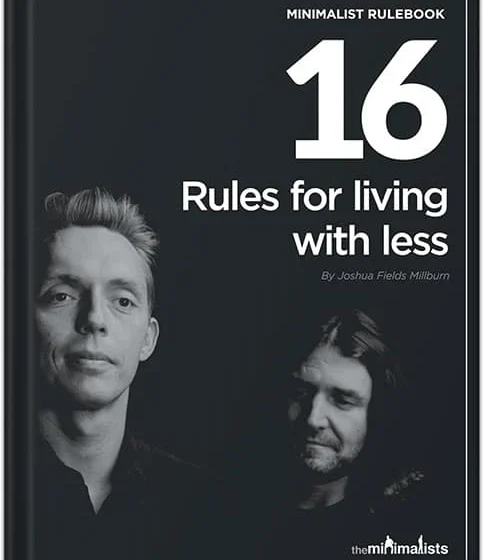
In an era defined by hyper-consumption and the relentless pursuit of "more," the philosophical intersection of minimalism and spiritual surrender has become a vital focal point for those seeking clarity. Recently, Joshua Fields Millburn and Ryan Nicodemus—the duo globally recognized as The Minimalists—sat down with renowned transformational speaker and best-selling author Kute Blackson to dissect the complexities of modern existence.
Their latest podcast episode serves as a deep dive into the nuances of intentional living. Far from being a simple discussion about decluttering physical spaces, this conversation traverses the psychological landscapes of "quiet luxury," the shedding of societal stigmas, and the profound, often misunderstood distinction between the act of surrendering and the defeatism of giving up.
Main Facts: A Convergence of Philosophy and Practice
The core of the discussion centers on the idea that minimalism is not a restrictive set of rules, but a liberating framework for emotional and spiritual health. Kute Blackson, whose work focuses on helping individuals align with their true purpose, brings a unique perspective to the Minimalists’ platform.
The episode addresses several key themes:
- Quiet Luxury: The shift from ostentatious displays of wealth toward an appreciation for quality, intentionality, and the "luxury" of mental space.
- The Stigma of Minimalist Choices: How societal pressures influence our desire to accumulate and the courage required to break those patterns.
- Surrender vs. Giving Up: A critical distinction that suggests surrender is an active, courageous alignment with truth, while giving up is a passive retreat from responsibility.
- The Requirements of Optimism: Why true optimism is not merely a positive outlook, but a disciplined commitment to reality and personal growth.
Chronology: The Evolution of the Conversation
The collaboration between the Minimalists and Blackson follows a decade-long evolution in the minimalist movement. Since the launch of their podcast, Millburn and Nicodemus have consistently pivoted away from the aesthetic of "empty rooms" toward a more holistic philosophy of "living with meaning."
- Phase One: The Physical Audit: Early iterations of the Minimalists’ work focused on the tangible benefits of removing excess belongings to increase focus and productivity.
- Phase Two: The Emotional Audit: As the movement grew, the conversation shifted toward the "why." Why do we hold onto objects? Why do we hold onto trauma?
- Phase Three: The Spiritual Synthesis (The Current Episode): By bringing in voices like Kute Blackson, the podcast is now exploring the "surrender" phase—the process of letting go of the ego-driven narratives that prevent authentic living.
This episode acts as a bridge, connecting the listener’s external environment to their internal state. It marks a departure from the "how-to" advice of previous years, moving into the realm of existential philosophy.
Supporting Data: The Cost of Excess
While the podcast focuses on the qualitative aspects of life, the supporting data regarding modern consumption highlights the necessity of the Minimalists’ message.
- The Psychological Burden: According to a study published in Personality and Social Psychology Bulletin, individuals who perceive their homes as cluttered often report higher levels of cortisol, the body’s primary stress hormone.
- Economic Impact: The average American household’s credit card debt continues to hover near record highs. Minimalism acts as a financial corrective, curbing the impulse to spend on depreciating assets that offer only temporary dopamine hits.
- The "Quiet Luxury" Trend: Market research indicates a 15% increase in consumer interest toward "durable" and "minimalist" fashion and home goods over the past three years. This trend—often dubbed "quiet luxury"—aligns with the Minimalists’ thesis that true status is derived from quality and utility, not brand visibility.
Official Responses and Key Takeaways
During the episode, the panelists articulated several "Minimal Maxims"—pithy, actionable insights designed to dismantle the barriers to an intentional life.
On the Nature of Surrender
Kute Blackson emphasized that "surrender is not an act of weakness; it is the ultimate act of courage." He noted that most people live in a state of resistance, constantly fighting against the reality of their situations. By surrendering to the truth of one’s circumstances, an individual gains the energy previously spent on resistance and redirects it toward transformation.
On the Stigma of Choice
Joshua Fields Millburn addressed the societal backlash that often follows a radical lifestyle change. "When you begin to live differently, you act as a mirror to those around you," Millburn noted. "Your change forces them to confront their own excess, which often manifests as criticism." The consensus among the group was that the stigma is not a reflection of the minimalist’s failure, but a symptom of the observer’s insecurity.
On the Requirements of Optimism
The group concluded that optimism is a muscle. It requires the constant filtering of information and the intentional choice to focus on what can be improved. This is not "toxic positivity"—a term the speakers warned against—but rather a realistic assessment of life that maintains a hopeful trajectory through proactive decision-making.
Implications: A Call to Action
The implications of this conversation are far-reaching for listeners. If the modern world is designed to keep the individual in a state of perpetual wanting, then minimalism is a form of quiet, personal rebellion.
Impact on Mental Health
By decoupling identity from possessions, individuals may find a significant reduction in anxiety. The constant cycle of "upgrade culture" creates a feedback loop of dissatisfaction. By stepping off this treadmill, listeners are encouraged to find stability in their own values rather than external metrics of success.
Impact on Social Connectivity
One of the most profound implications of the episode is the suggestion that by letting go of material clutter, one creates the capacity for deeper human connection. When we are not busy managing, cleaning, or paying for "stuff," we have the bandwidth to engage more fully with our communities and loved ones.
Future Outlook
As the Minimalists continue to expand their reach through their Patreon and newsletter, the focus is clearly moving toward the long-term sustainability of the human spirit. The collaboration with Kute Blackson suggests that the next phase of the minimalism movement will be increasingly focused on "inner decluttering."
Conclusion: The Path Forward
The dialogue between The Minimalists and Kute Blackson is a sobering reminder that we possess the agency to choose our own parameters for success. Whether it is through the practice of quiet luxury, the discipline of surrender, or the courageous pursuit of optimism, the message is clear: the path to a meaningful life is not found in what we add, but in what we are brave enough to subtract.
For those looking to engage further, the show invites listeners to call 406-219-7839 or email a voice memo to [email protected] with their own questions regarding the process of letting go. As the conversation evolves, the community remains a vital resource for anyone attempting to navigate the complexities of modern life with grace and intention.
In the final analysis, this episode is not merely a podcast—it is a roadmap for those who are tired of the noise and are ready to embrace the quiet, transformative power of "enough."
How to Engage with The Minimalists
To stay connected with the ongoing discussions, listeners are encouraged to:
- Subscribe: Sign up for the weekly email newsletter at theminimalists.com/subscribe.
- Listen: Access the full library of episodes via Apple Podcasts or Spotify.
- Support: Join the growing community of supporters on Patreon to get exclusive access to behind-the-scenes content and early releases.
- Reflect: Explore the "Minimal Maxims" at MinimalMaxims.com for daily doses of wisdom designed to keep you focused on what truly matters.